

There was a time, not all that long ago, when driving a car required more than simply pointing it in the general direction of your destination and letting a collection of computers do the thinking for you. It required attention, a bit of courage, and occasionally, a willingness to forgive the machine for trying to kill you. And that, rather wonderfully, is exactly why it felt so much better.
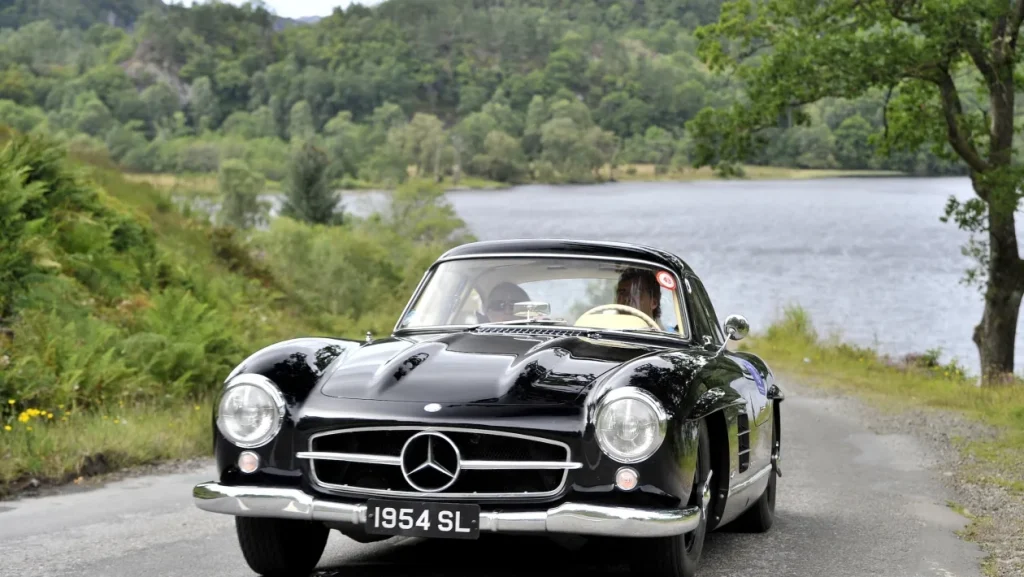
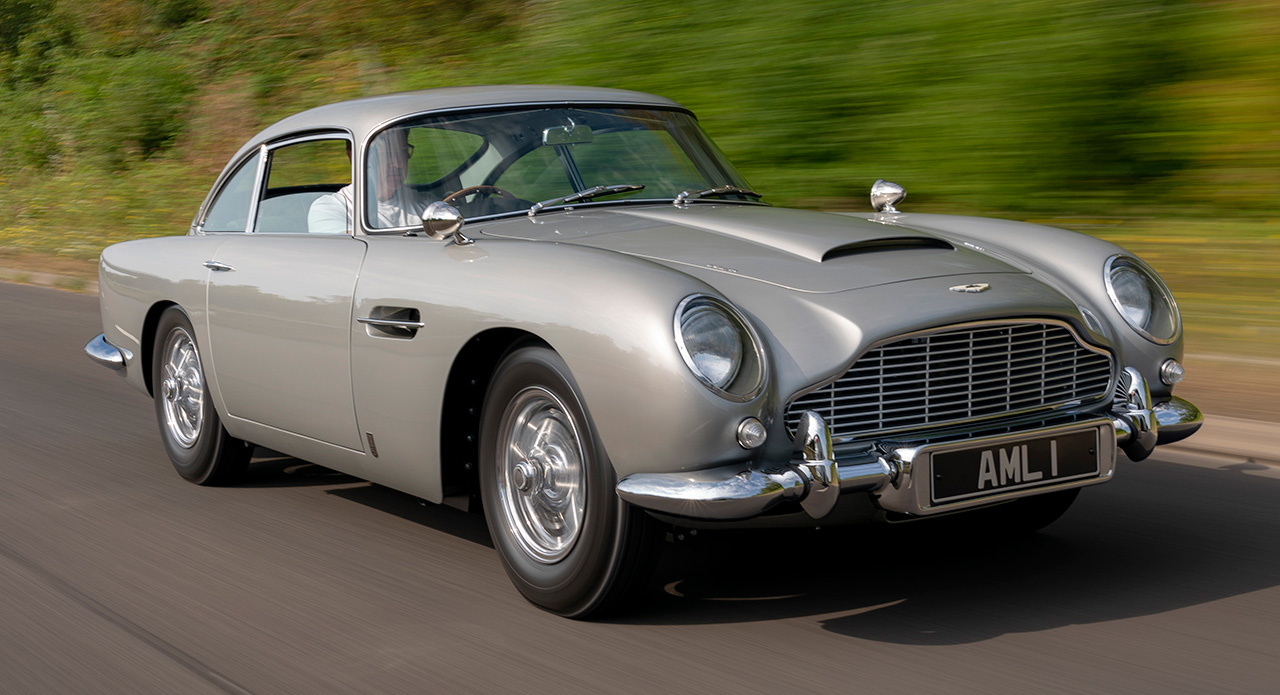
Older cars did not isolate you from the experience. They threw you into it. Turn the key, and instead of a polite hum, you were greeted with a cough, a shudder, and then a mechanical awakening that felt like you had just stirred a sleeping animal. The engine did not whisper. It spoke. Sometimes loudly, sometimes angrily, but always with character.
The steering, for a start, was not something you merely guided with fingertips. It demanded involvement. Without layers of electronic assistance smoothing everything out, you felt the road through the wheel in a way modern systems simply cannot replicate. Every bump, every ripple, every slight change in surface texture travelled up through your hands, as though the car was constantly having a conversation with you. And you had to listen, because ignoring it was not an option.
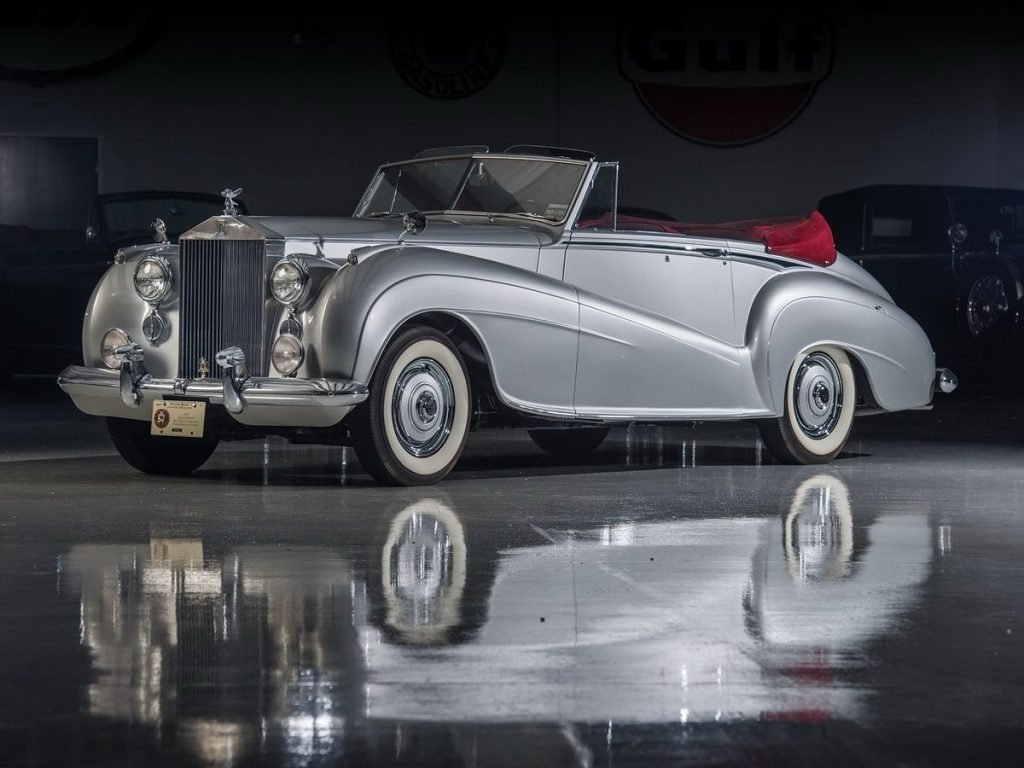
Then there was the gearbox. No paddles, no lightning fast dual clutch wizardry, just a lever, a clutch pedal, and your own coordination. You did not simply change gears. You executed them. Get it right, and the car rewarded you with a sense of satisfaction that bordered on smugness. Get it wrong, and it let you know immediately, often with a jolt that made you question your life choices. It was not forgiving, but it was honest.
Brakes, too, required a certain level of commitment. You had to press, properly press, and judge your stopping distance with care. There was no invisible safety net stepping in to correct your mistakes. If you misjudged a corner, that was entirely your fault. Which sounds terrifying, and occasionally was, but it also meant that when you got it right, when you flowed through a series of bends with perfect timing, the sense of achievement was immense.
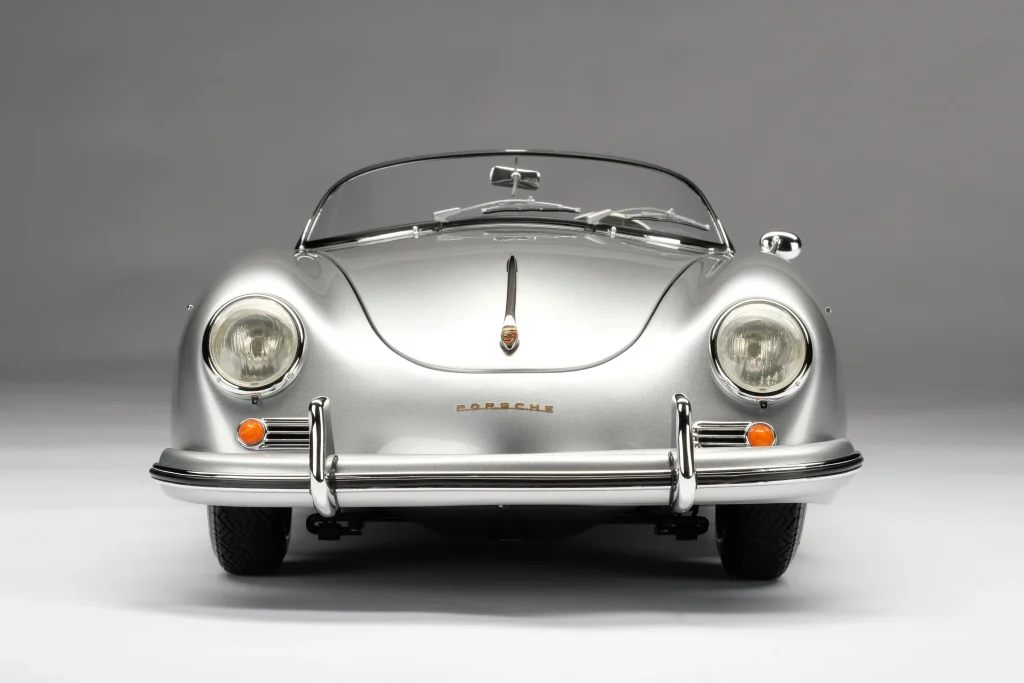
And let us talk about speed, because here is the curious thing. Older cars were not particularly fast by modern standards. Many would struggle to keep up with today’s family hatchbacks. Yet they felt faster. Much faster. Without layers of insulation muting the experience, every mile per hour was amplified. Wind noise, engine vibration, the slight looseness in the chassis, all combined to create a sensation of speed that modern cars, with their clinical efficiency, often fail to deliver.
Of course, they were not perfect. Far from it. Reliability could be, shall we say, optional. You developed a relationship with your mechanic that bordered on friendship, if not dependency. Comfort was also something of an afterthought. Long journeys could leave you feeling as though you had been through a minor physical ordeal. And safety, well, let us just say it relied heavily on your own judgement and a bit of luck.
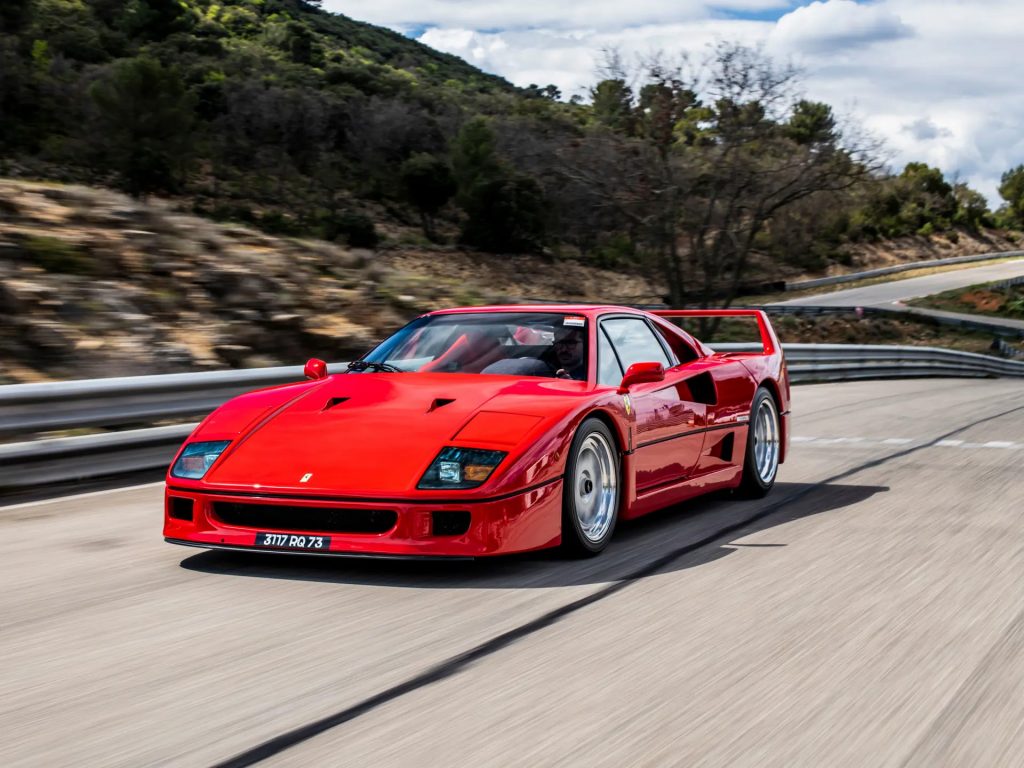
But here is the thing. All of those flaws, all of those quirks, were part of the charm. They made the car feel alive. You were not merely operating a machine, you were managing it, working with it, sometimes even negotiating with it. There was a sense of partnership that is largely absent in modern cars, where everything is designed to be seamless, effortless, and, if we are being honest, a bit dull.
Also Read: The Secret Behind Mid-Engine Cars’ Superior Handling And Performance
Today’s cars are astonishing. They are faster, safer, more efficient, and more reliable than ever before. They can park themselves, brake for you, and in some cases, practically drive themselves. But in doing so, they have removed something intangible, something difficult to quantify but impossible to ignore. The sense of occasion.
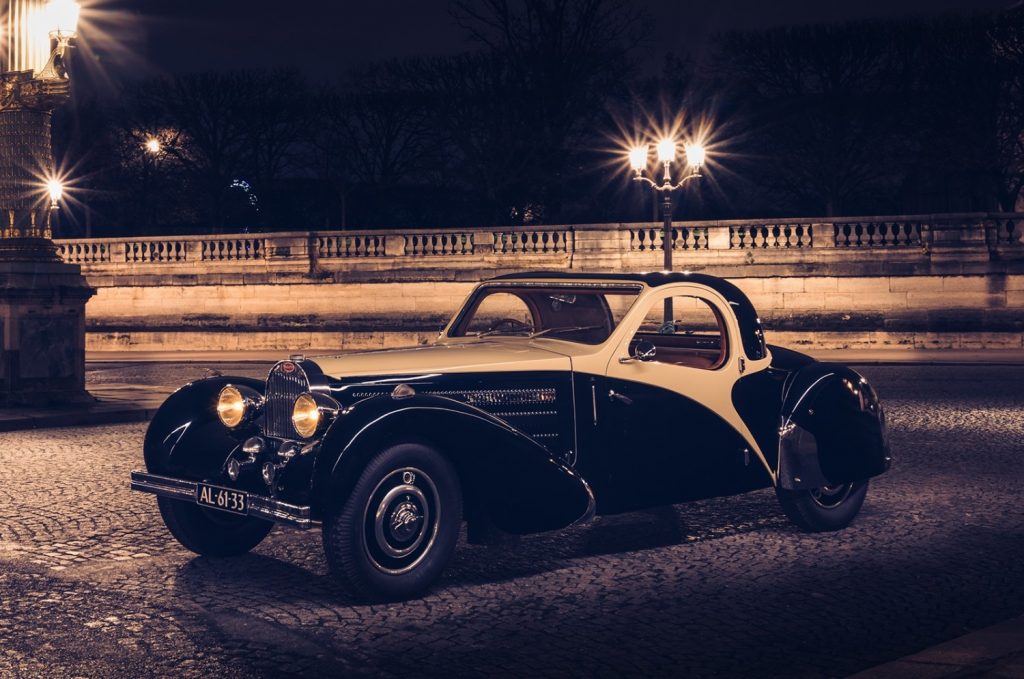
In an older car, every journey felt like an event. Even a simple trip to the shops carried a hint of unpredictability, a sense that something interesting might happen along the way. You were engaged, alert, and very much part of the process. It was not always easy, and it was not always comfortable, but it was never boring.
And perhaps that is what we miss the most. Not the inconvenience, not the unreliability, but the connection. The feeling that you were not just being transported from one place to another, but actually driving. Properly driving. With all the noise, the effort, the imperfections, and the sheer, unfiltered joy that came with it.