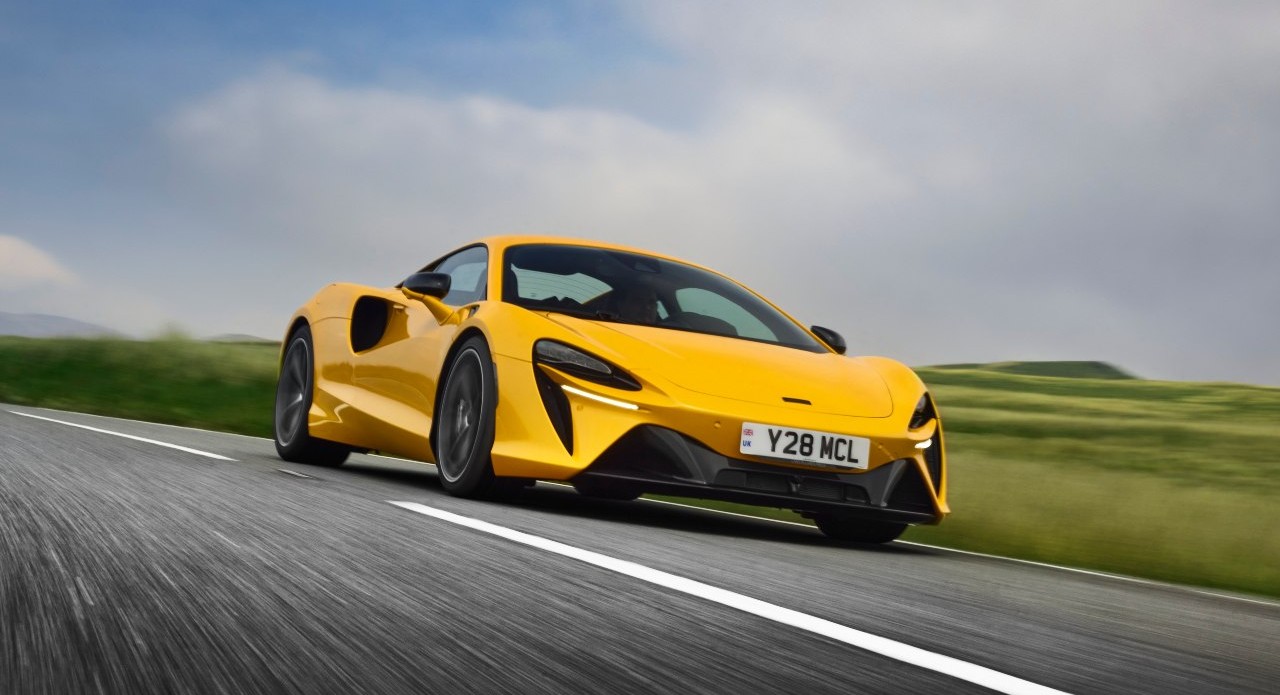


There is a simple truth in the world of fast cars, and it is this. If you want something to handle like it has been touched by divine intervention, you put the engine in the middle. Not at the front where it lumbers about like a distracted elephant, and not at the back where it behaves like it is constantly trying to overtake itself, but right there, tucked neatly behind the driver, as though it has finally understood its purpose in life.
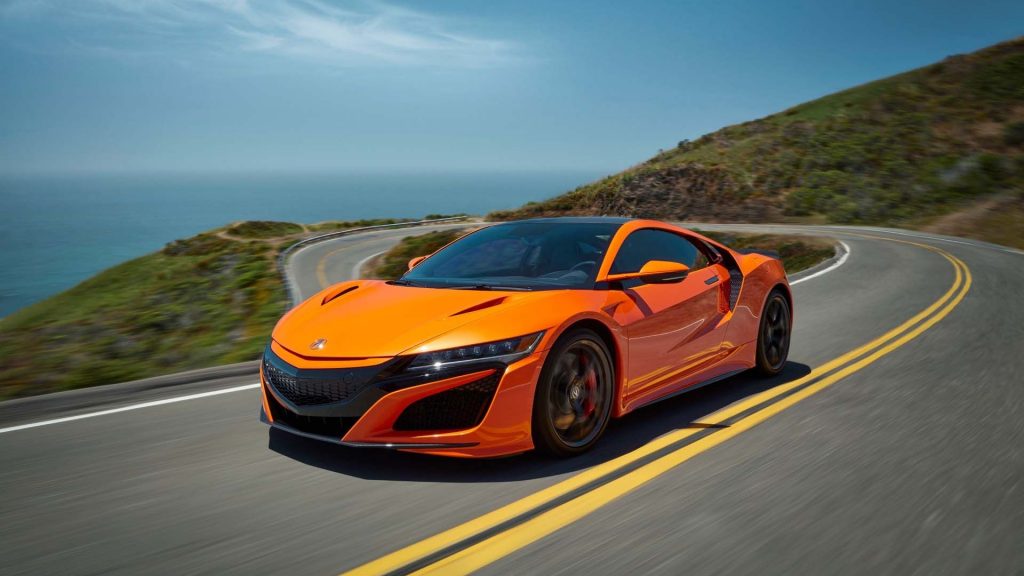
At first glance, it seems like an odd idea. After all, most sensible cars have their engines in the front where they are easy to access, easy to cool, and easy to forget about. But sensible cars are not built to dance. They are built to commute. A mid-engine machine, on the other hand, is built to make you feel like you have suddenly become far more talented than you actually are, which is, quite frankly, the whole point.
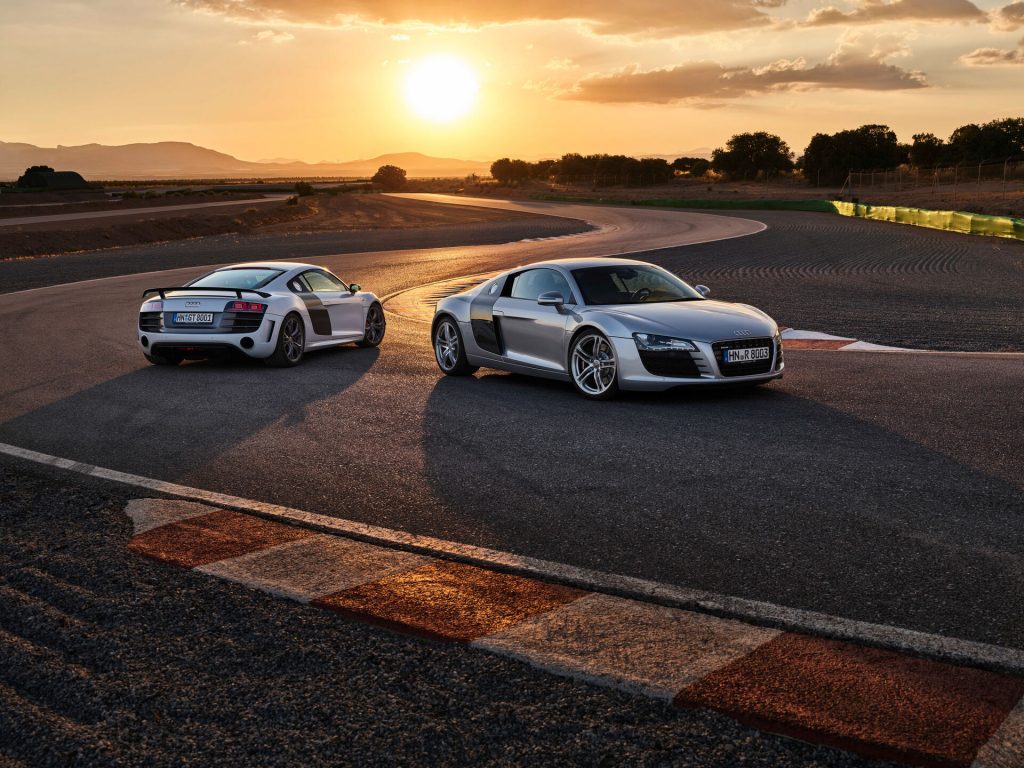
The magic begins with balance. By placing the engine near the centre of the car, engineers achieve something close to perfect; weight distribution. This means that when you turn into a corner, the car does not protest or hesitate. It simply obeys. The front tyres are not burdened by the weight of a large engine, and the rear is not overwhelmed by it either. Instead, everything works in harmony, like a well rehearsed orchestra rather than a group of musicians arguing over tempo.
Then, there is the matter of something called polar moment of inertia, which sounds like the sort of thing you would ignore at school, but is actually rather important. In simple terms, it describes how willing a car is to change direction. A mid-engine car, with its mass concentrated near the centre, can pivot and rotate with remarkable eagerness. Flick the steering wheel, and the car responds instantly, as though it has been waiting for your command all along. There is no delay, no sense of weight shifting awkwardly from one end to the other. It just goes.
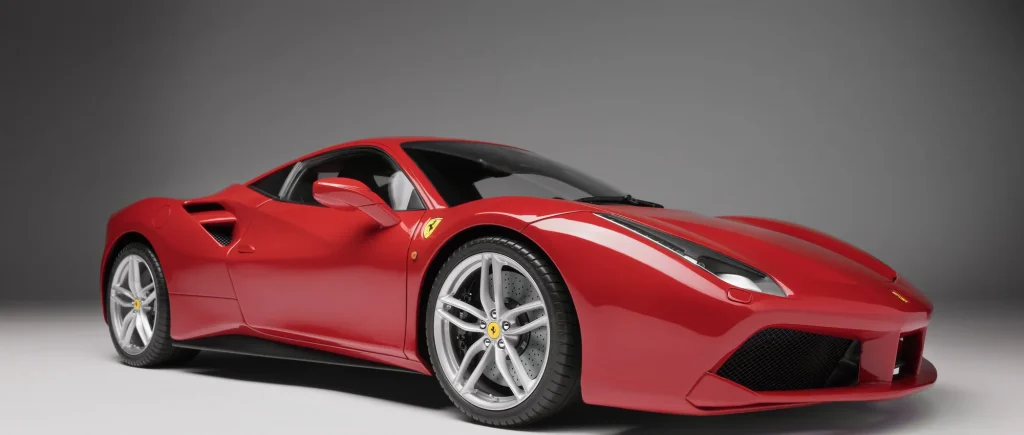
Of course, this newfound agility would be utterly useless if the car could not put its power down properly, but here again, the said layout shows its brilliance. With the engine sitting over or just ahead of the rear wheels, traction is improved dramatically. When you accelerate out of a corner, the weight naturally shifts rearward, pressing the driven wheels into the tarmac. The result is grip. Glorious, unrelenting grip that allows you to deploy power with a level of confidence that would make a front engine car feel slightly embarrassed.
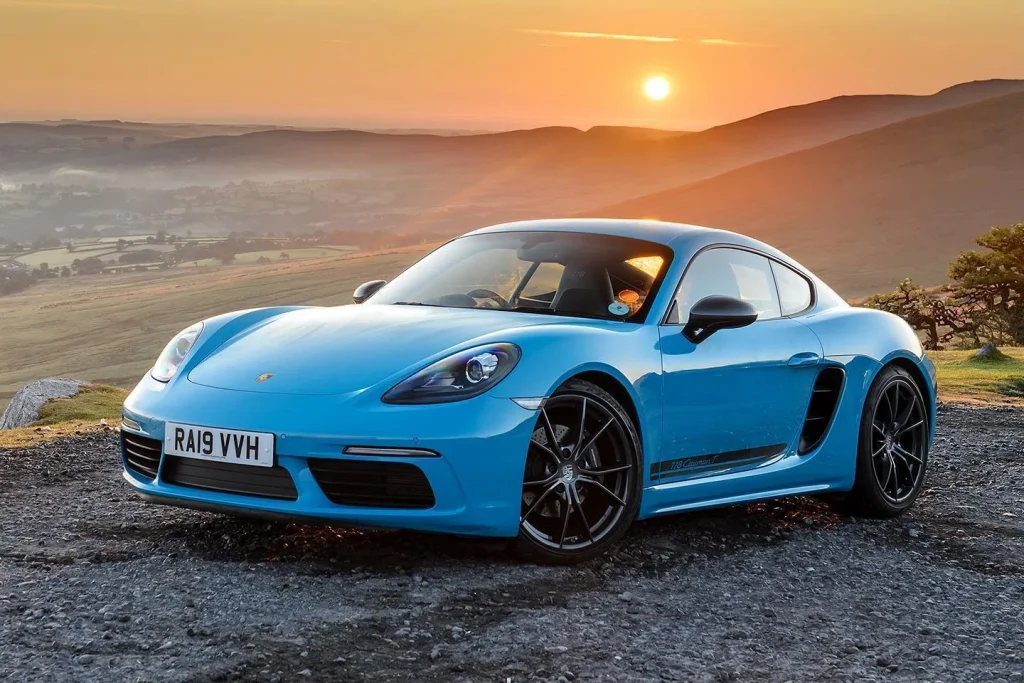
And let us not forget braking, because going quickly is all very well, but stopping is generally considered a good idea. With a balanced weight distribution, a mid engine car remains stable under heavy braking. It does not pitch forward dramatically or feel as though it is about to lose composure. Instead, it stays planted, composed, and reassuringly predictable, which is exactly what you want when approaching a corner far faster than you probably should.
Also Read: Jeep Celebrates 60th Easter Jeep Safari With Bold New Concept Vehicles
Now, there are, of course, drawbacks. Nothing in life is perfect, and mid engine cars are no exception. Packaging becomes a nightmare, for a start. There is rarely any room for luggage, unless you consider a toothbrush and a mild sense of optimism to be sufficient. Cooling can also be a challenge, because the engine is no longer sitting in the path of oncoming air. Engineers must resort to clever ducting and radiators placed in unusual locations, which adds complexity and cost. And then there is the matter of accessibility. If something goes wrong, reaching the engine can feel like attempting to perform surgery through a letterbox. It is not ideal, and it certainly is not cheap. But none of this really matters, because people do not buy mid engine cars for practicality. They buy them for the way they feel.
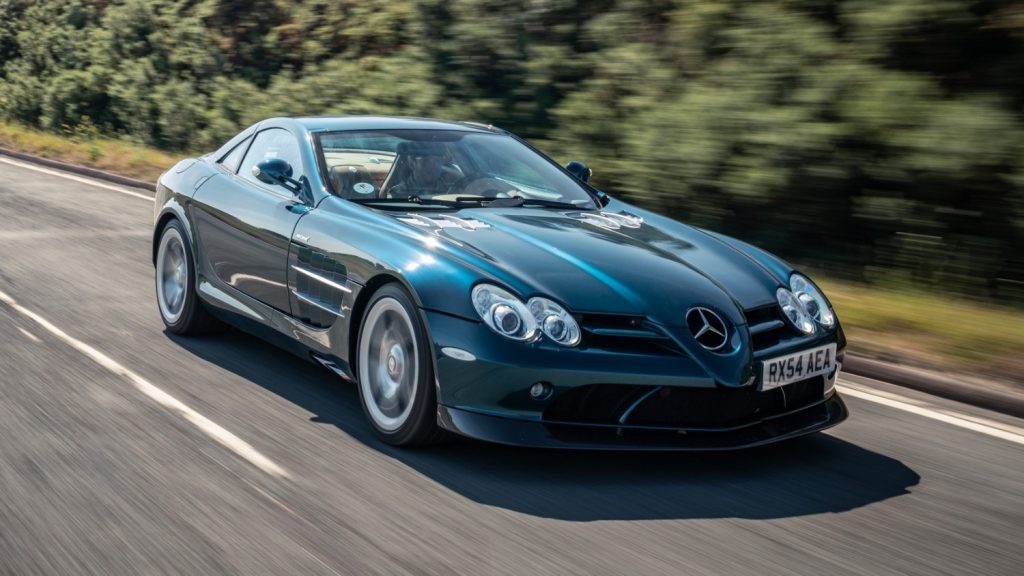
Because when everything comes together, when the road opens up and the corners begin to flow, a mid engine car does something extraordinary. It shrinks around you. It becomes an extension of your thoughts, responding with a level of precision and clarity that borders on the uncanny. You are no longer merely driving. You are participating in something far more engaging, far more visceral, and far more alive. And that, ultimately, is the secret. It is not just about where the engine sits, but what that placement allows the entire machine to become. Balanced, agile, and utterly intoxicating, the mid engine car is not simply a piece of engineering. It is proof that, sometimes, putting things in the right place changes everything.