5 Flying Cars That Could Change the Way We Travel
The flying car has graduated from science fiction into a rapidly evolving world of electric vertical takeoff aircraft, where autonomous technology, distributed propulsion and compact designs are beginning to make the idea of leaving the traffic behind look rather less ridiculous
For decades, the flying car has occupied that particularly awkward corner of technology where science fiction goes to wait. We have been promised cars that soar over traffic for so long that the concept has acquired the credibility of a flying toaster. Yet the latest generation of electric vertical takeoff and landing aircraft, or eVTOLs, is making the idea considerably harder to dismiss. These machines do not necessarily resemble the flying cars imagined by Hollywood, because they are not trying to be ordinary cars with wings bolted on. Instead, they borrow from drones, helicopters, electric vehicles and autonomous systems to create an entirely new category of transport.
EHang 216
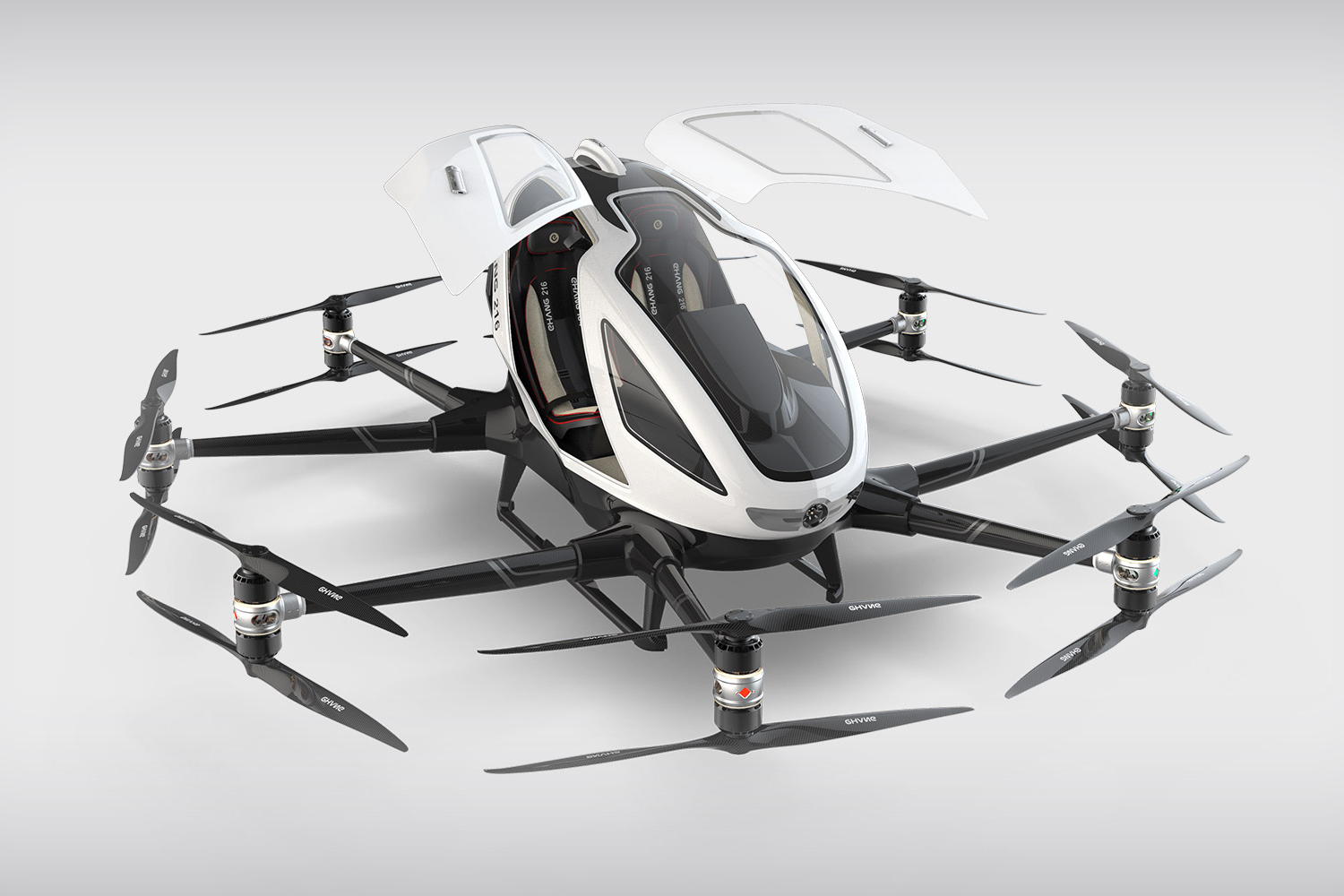
If there is one aircraft on this list that makes the future look remarkably close, it is the EHang EH216 series. The EH216 S is a pilotless, electric passenger carrying eVTOL designed for applications including air taxis, sightseeing and short distance urban transportation. EHang says the EH216 series has completed nearly 100,000 safe flight missions across 23 countries, while the company continues to expand regulatory and operational programmes internationally.
The aircraft is particularly interesting because it removes the pilot from the equation. Instead of asking commuters to become amateur aviators, EHang’s proposition is closer to booking an autonomous aircraft. In August 2026, the EH216 S completed its first public flight in Hong Kong under the city’s low altitude economy regulatory programme, while it also conducted pilotless passenger carrying flights in Kazakhstan earlier in the month. EHang has previously announced a suggested international price of US$410,000 for the EH216 S, although that is very different from saying that the aircraft is ready to replace your family hatchback.
Also Read: From Gotham To The Road: Iconic Cars With Batman Vibes
Bell Nexus 4EX
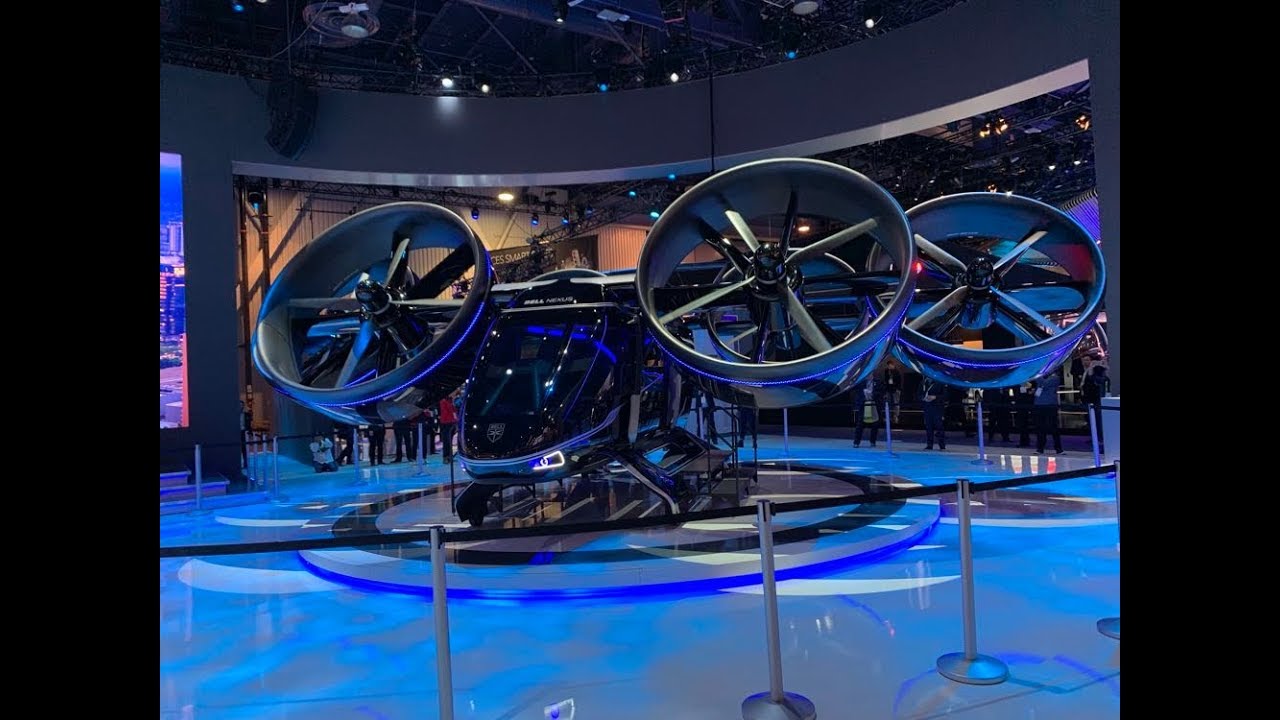
Bell’s Nexus 4EX represents a rather more conventional approach to the air taxi. Developed as part of Bell’s Nexus eVTOL family, the concept uses four ducted propellers and a winged configuration rather than looking like an enormous airborne drone. The 4EX was conceived around the idea of carrying a pilot and four passengers, with the possibility of autonomous operation eventually allowing five passengers.
Published specifications for the concept cite a cruising speed of around 241 km/h and a range of roughly 97 km in its electric configuration. The important thing about Nexus is its philosophy. Instead of building a machine for personal recreational flying, Bell envisioned an aircraft capable of becoming part of an organised urban air mobility network. It is therefore less Batman’s flying car and more the airborne equivalent of a premium taxi.
LIFT HEXA
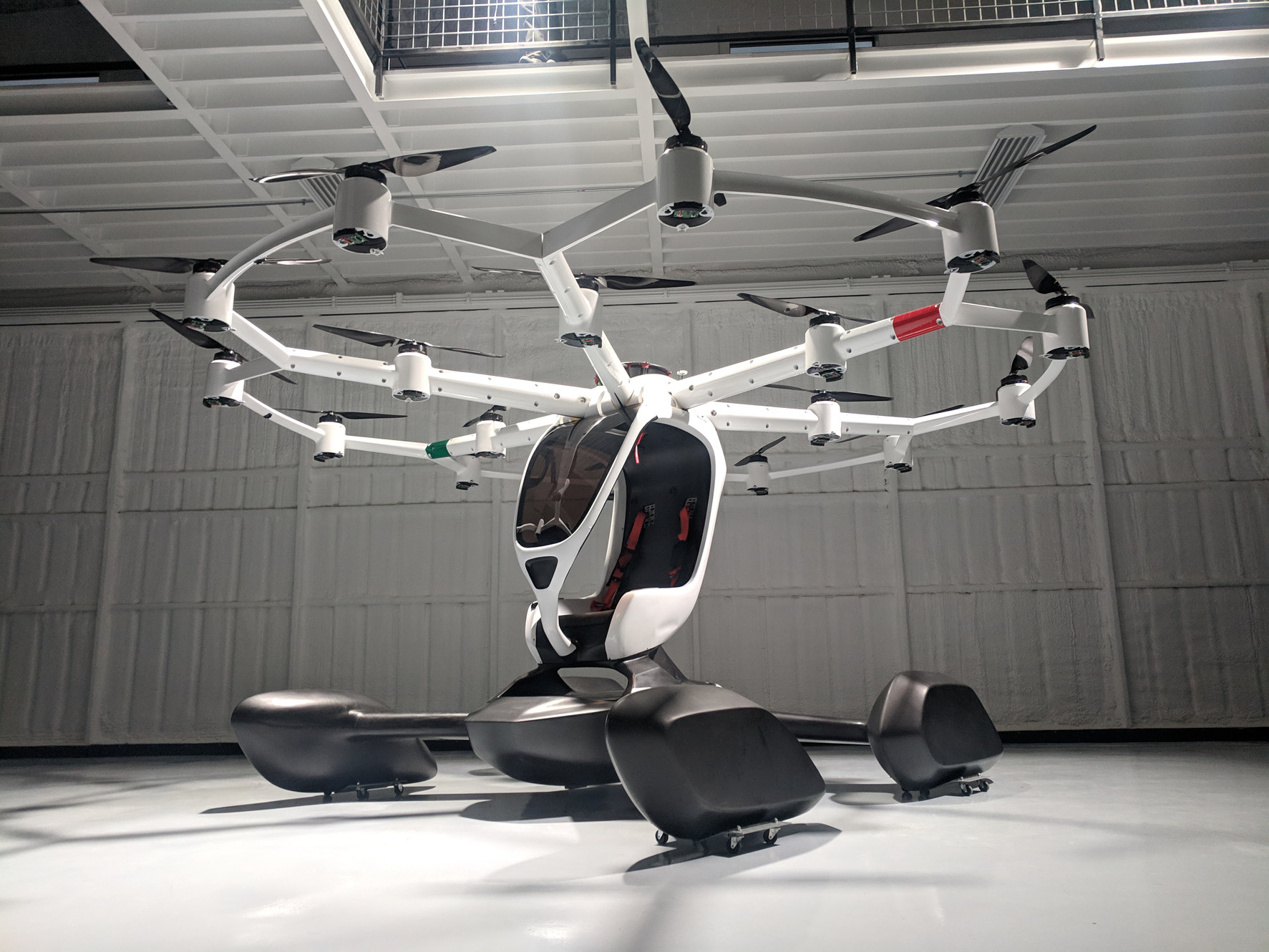
LIFT’s HEXA is where things become considerably more entertaining. It is a single seat electric multicopter with 18 independent motors and propellers, designed to make personal flight remarkably simple. The aircraft weighs about 432 pounds and falls within the US FAA Powered Ultralight category, meaning a pilot’s licence is not required under the relevant rules.
HEXA’s safety philosophy is based heavily on redundancy. It can remain controllable with up to six motors disabled, while its flight computer and sensors are themselves redundant. It can also operate over water thanks to its flotation system. LIFT has now begun FAA type certification work on a commercial version of HEXA, opening the possibility of future air taxi, remotely piloted and autonomous applications.
SkyDrive SD 03
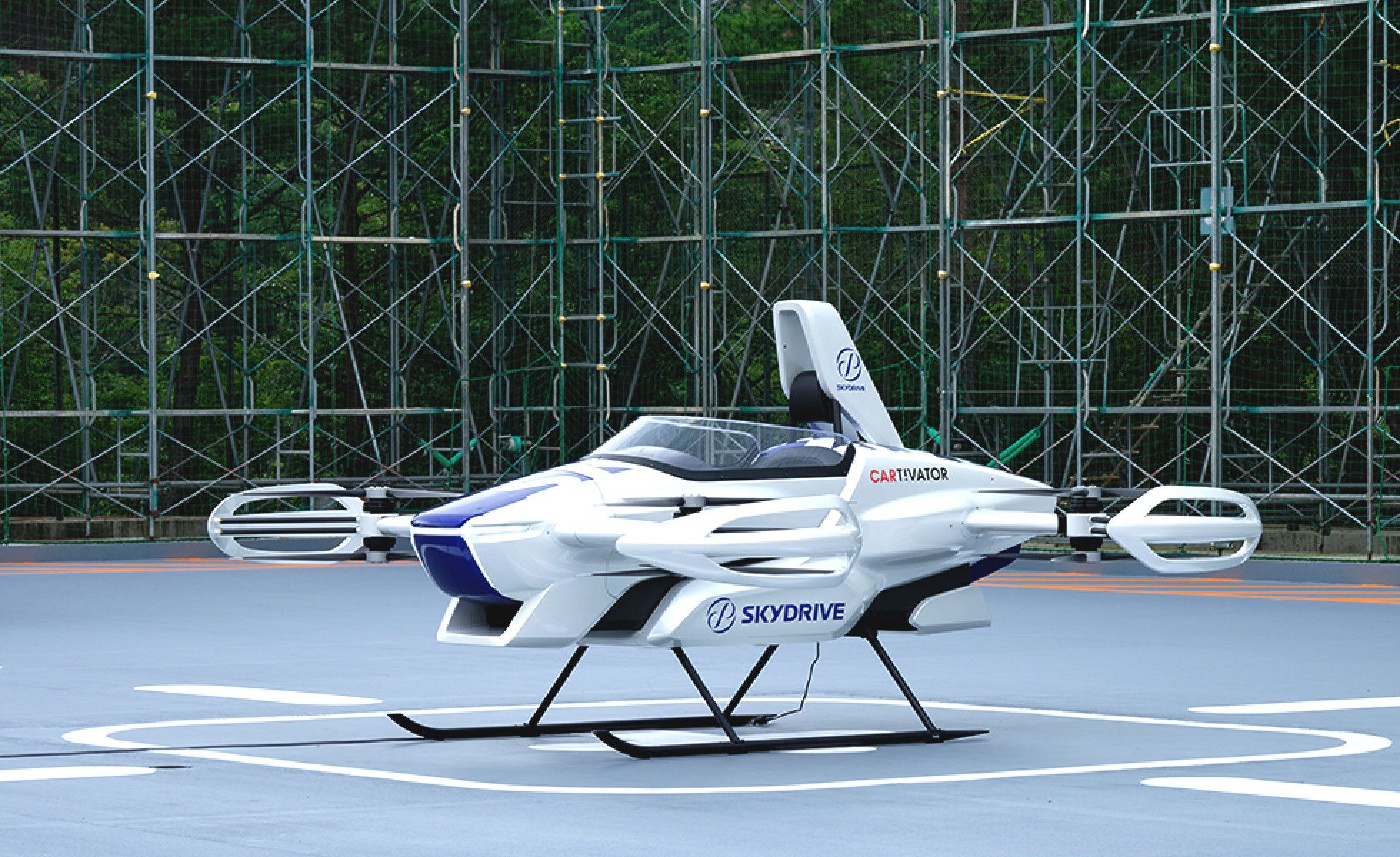
Japan’s SkyDrive took a distinctly compact approach with the SD 03. The single seat electric aircraft measures roughly 4 metres long, 4 metres wide and 2 metres high, uses eight electric motors and propellers and was designed to require roughly the ground space of two parked cars. The SD 03 made its public manned flight in Japan in August 2020, completing a roughly four minute flight with a pilot assisted by computer controls.
Its published specifications included a maximum cruise speed of 40 to 50 km/h and a flight time of approximately five to ten minutes. The SD 03 itself was a demonstration aircraft rather than the final commercial product. SkyDrive subsequently developed the SD 05 concept for future air taxi applications, making the SD 03 an important stepping stone in Japan’s flying car ambitions.
Kitty Hawk Flyer
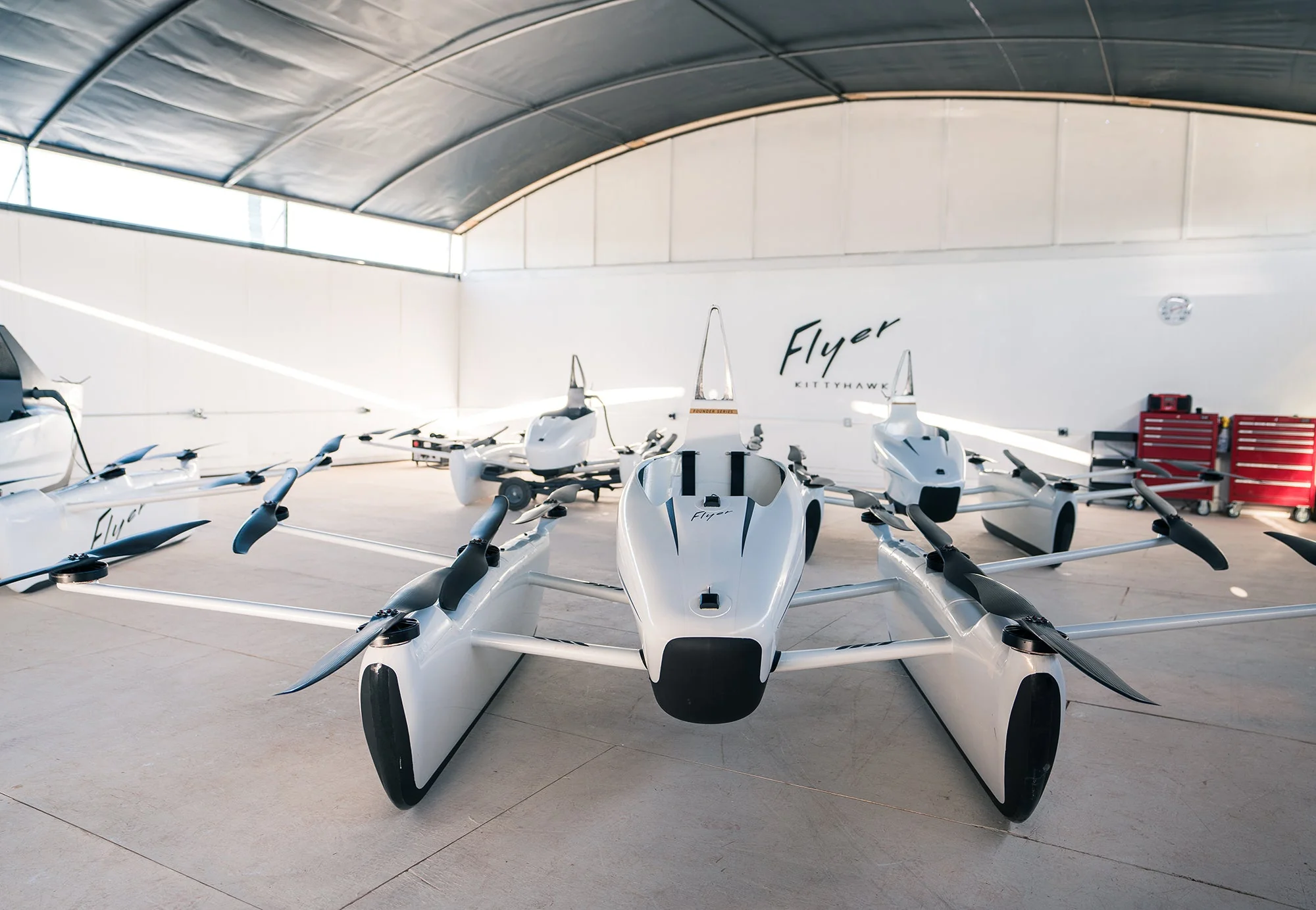
And then there is the Kitty Hawk Flyer, which deserves inclusion partly because it demonstrates just how difficult this revolution will be. Backed by Google co founder Larry Page and led by Sebastian Thrun, the Flyer was a single seat, all electric VTOL aircraft designed to be operated by ordinary people rather than trained pilots.
Kitty Hawk built 111 Flyers and conducted more than 25,000 crewed and uncrewed flights. Yet the company eventually concluded that it could not find a viable business model for the aircraft and shut the Flyer programme down in 2020. Kitty Hawk itself subsequently wound down in 2022. That makes the Flyer less a future product than a piece of flying car history. But perhaps its greatest contribution was proving that ordinary people could actually fly an electric multicopter with limited training.
The lesson from these five machines is that the future of flying cars may not involve a magical moment when cars suddenly sprout wings. It is more likely to arrive incrementally, through autonomous air taxis, recreational eVTOLs, compact urban aircraft and increasingly sophisticated flight networks. The technology is advancing, but regulation, infrastructure, safety and economics remain equally important pieces of the puzzle. The roads are still very much here, then. But for the first time, there is a credible possibility that some of us may eventually decide to stop using them.