7 Metals That Are Changing Luxury Jewellery
Gold may still rule the jewellery world, but titanium, platinum, tantalum, ceramic and other unconventional materials are giving modern luxury a rather different look
Gold has long been the default setting for luxury jewellery. In India, especially, asking someone to consider jewellery without it is a bit like asking an Indian wedding to do without a baraat. But the conversation is changing. Prime Minister Narendra Modi has once again urged Indians to avoid unnecessary gold purchases, as the government looks to reduce pressure from gold imports and conserve foreign exchange. And while that may be an economic argument rather than a fashion recommendation, it does raise an interesting question for the world of luxury: what comes after gold?
Outlook Luxe takes a look beyond the traditional precious metal to seven materials increasingly giving high jewellery a new personality. Some are precious, some remarkably technical and some sound as though they belong inside a satellite rather than a jewellery box. Titanium, platinum, tantalum, ceramic, carbon and other unconventional materials are finding their way into sophisticated jewellery because luxury today is no longer only about weight, rarity and a large number on a certificate. It is also about craftsmanship, innovation, lightness, durability, texture and the sheer pleasure of wearing something that feels different. The most interesting part is that these materials are not necessarily replacing gold. Rather, they are expanding the vocabulary of luxury jewellery.
Platinum
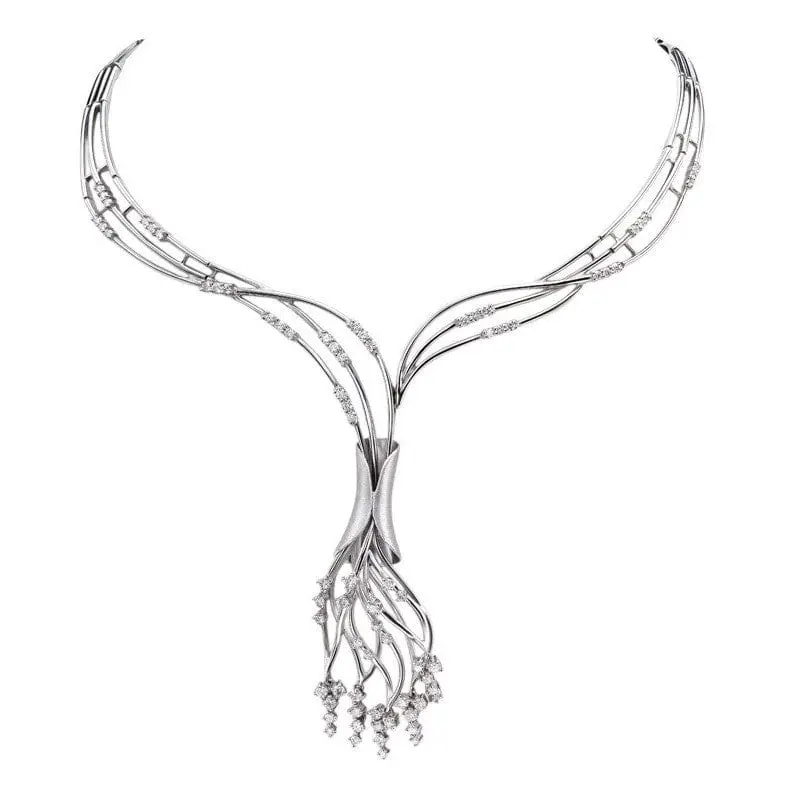
Platinum is the obvious heavyweight of the group, and not just because it has the density of a small brick. Naturally white, exceptionally durable and highly resistant to corrosion, platinum has long been one of jewellery’s most prestigious materials. Unlike white gold, it does not need to be plated to achieve its naturally white appearance. It is also particularly well suited to holding important gemstones securely, which explains its enduring role in fine and high jewellery. Major maisons continue to use platinum for some of their most elaborate creations. Cartier, for example, lists platinum diamond pieces within its High Jewellery collections.
Also Read: Why September Puts Blue Sapphires in Focus
Palladium
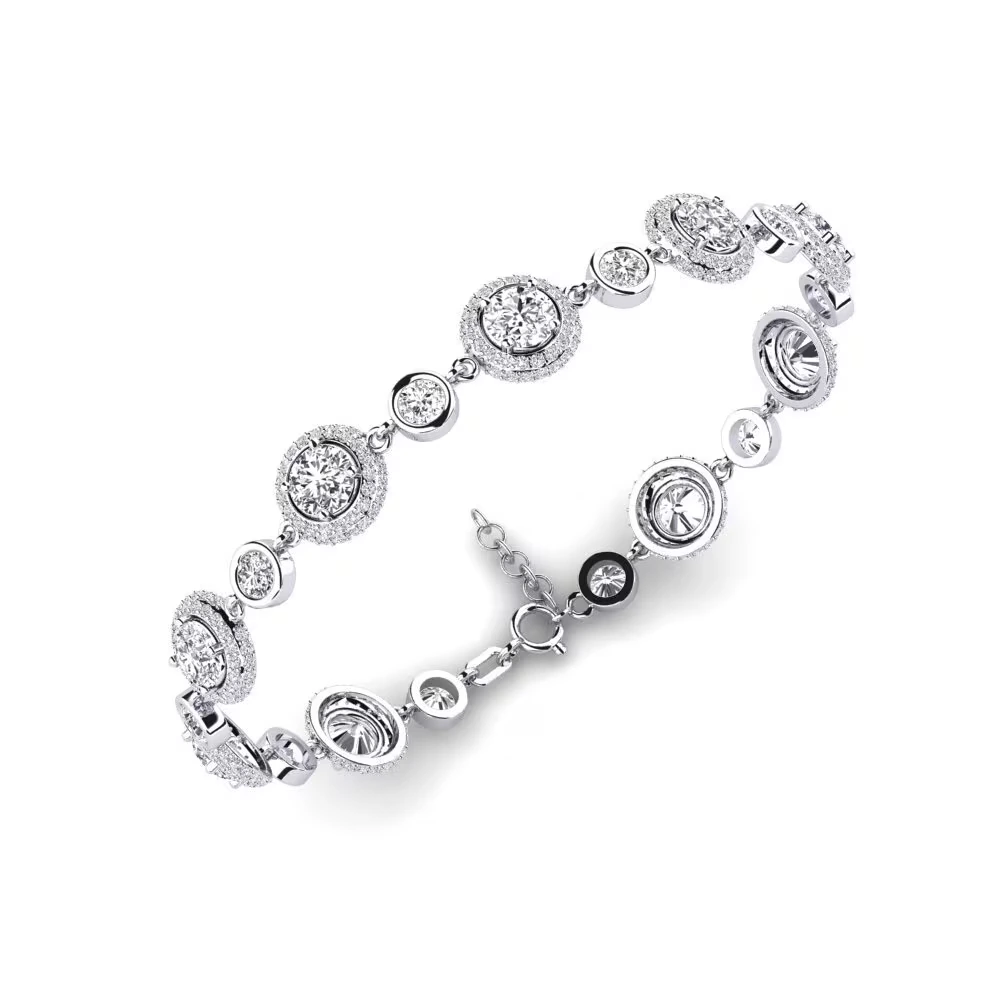
Palladium is what happens when a precious metal decides it would rather not make such a fuss. Part of the platinum group of metals, palladium has a naturally white appearance and is lighter than platinum. GIA notes that it is hypoallergenic, does not tarnish and is harder and more scratch resistant than platinum. It has consequently become an interesting alternative for jewellery makers looking for the visual character of platinum without quite the same heft. It is especially appealing in contemporary pieces where the metal itself is meant to remain understated.
Titanium
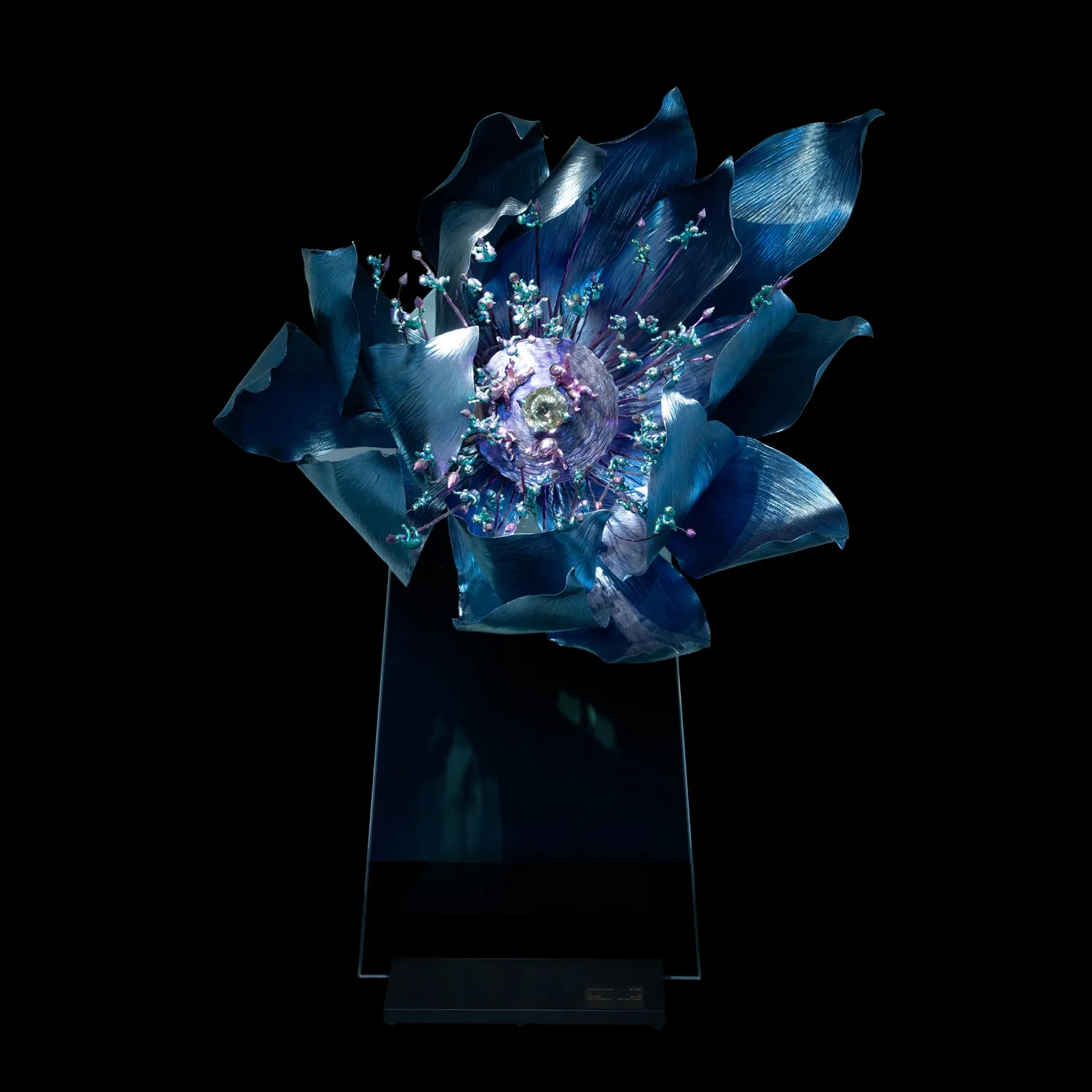
Titanium is the jewellery equivalent of a sports car with the engine of an aircraft. It is extraordinarily light, corrosion resistant, durable and hypoallergenic, according to GIA. That makes it particularly attractive for modern jewellery designs where large forms would otherwise become uncomfortable to wear. The metal also brings an unmistakably technical appearance. Rather than looking traditionally precious, titanium feels engineered, which is precisely the point. It has become a natural material for designers interested in architecture, geometry and sculptural jewellery.
Tantalum
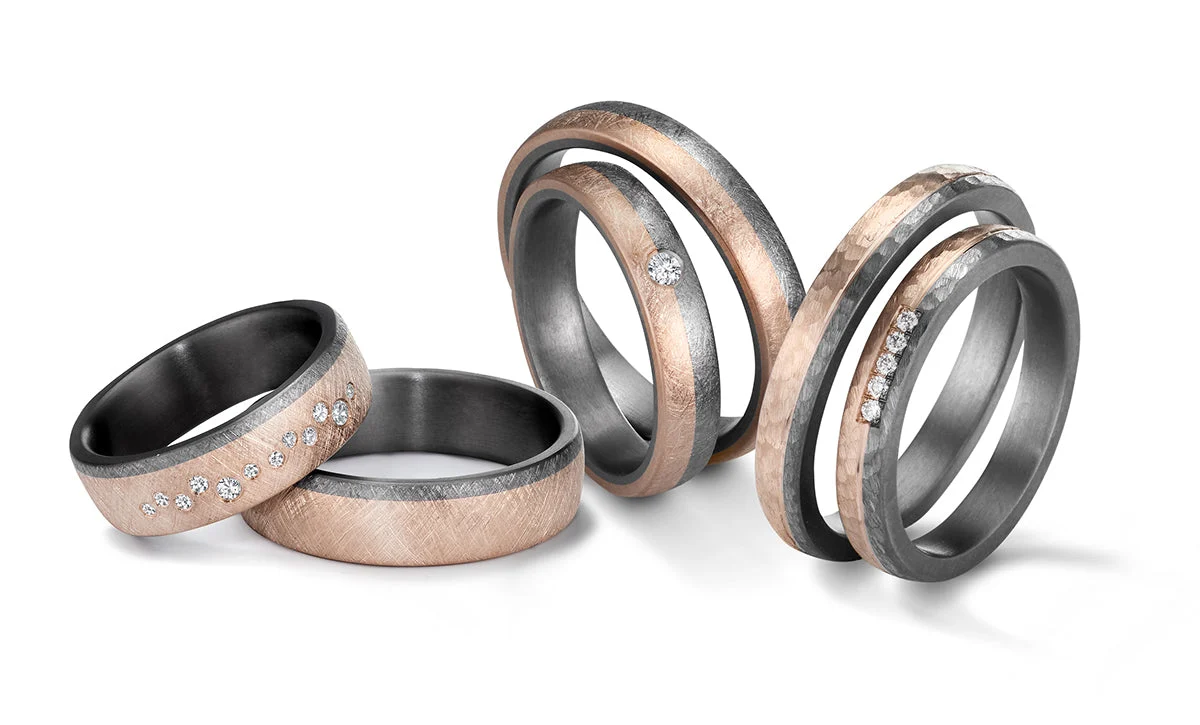
Tantalum is for the person who looks at platinum and thinks, yes, but could it be slightly more mysterious? A rare metal with a naturally dark grey tone and a subtle blue cast, tantalum has a remarkably distinctive appearance. It is also considerably denser than titanium, giving jewellery made from it a satisfying physical presence. Specialist jewellers increasingly use tantalum for contemporary rings and other pieces, where its unusual colour separates it from the familiar white metal crowd. It is not trying to imitate gold or platinum. It is doing something rather more interesting: being tantalum.
Zirconium
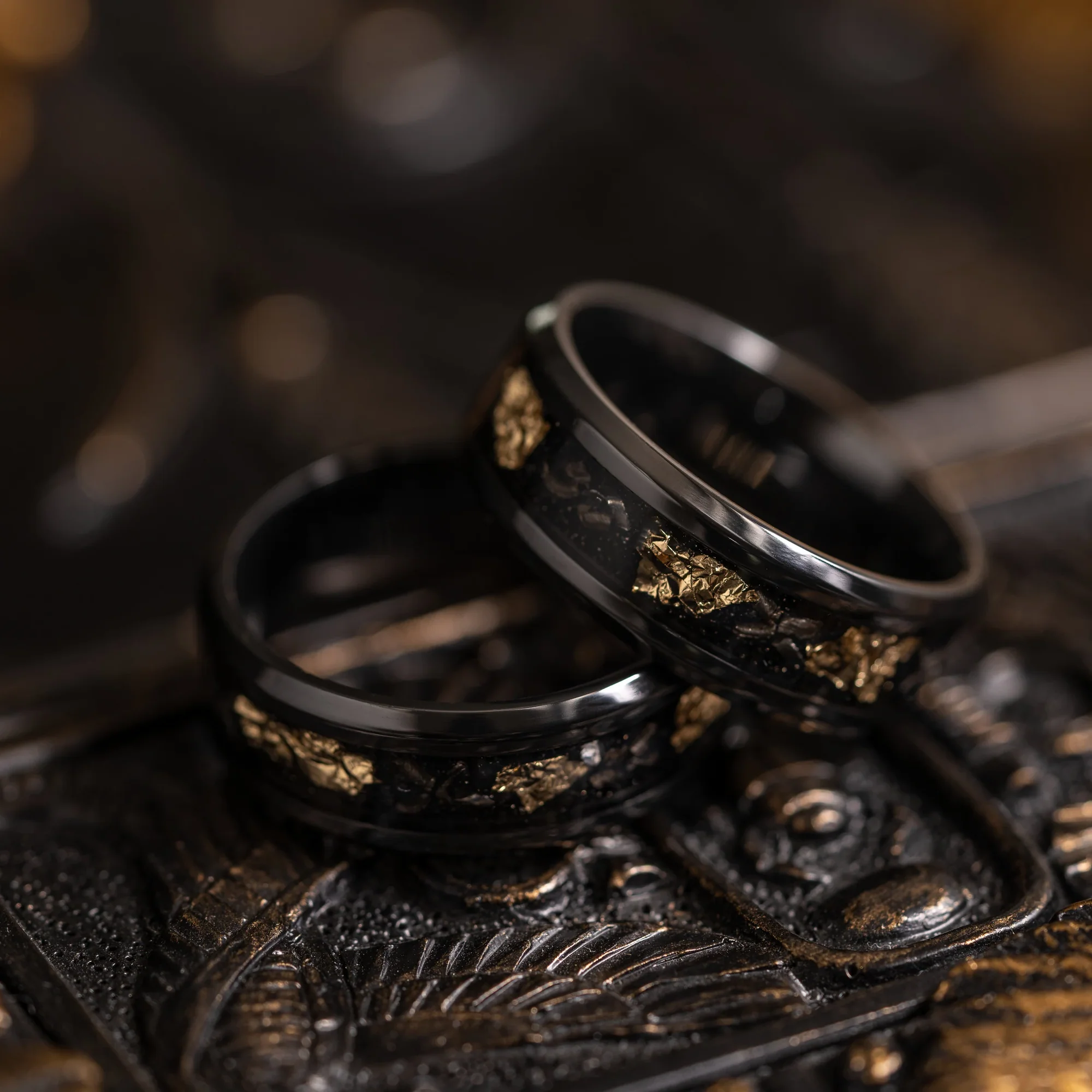
Zirconium has one particularly useful party trick. It can be transformed into an extremely dark, almost black finish through surface oxidation. That gives designers the ability to create jewellery that looks considerably more dramatic than conventional white or yellow precious metals. Specialist jewellers use zirconium for rings and contemporary designs, with its deep black appearance making a particularly effective backdrop for diamonds and other gemstones. It is jewellery for people who think black works with absolutely everything. Which, to be fair, it usually does.
Niobium
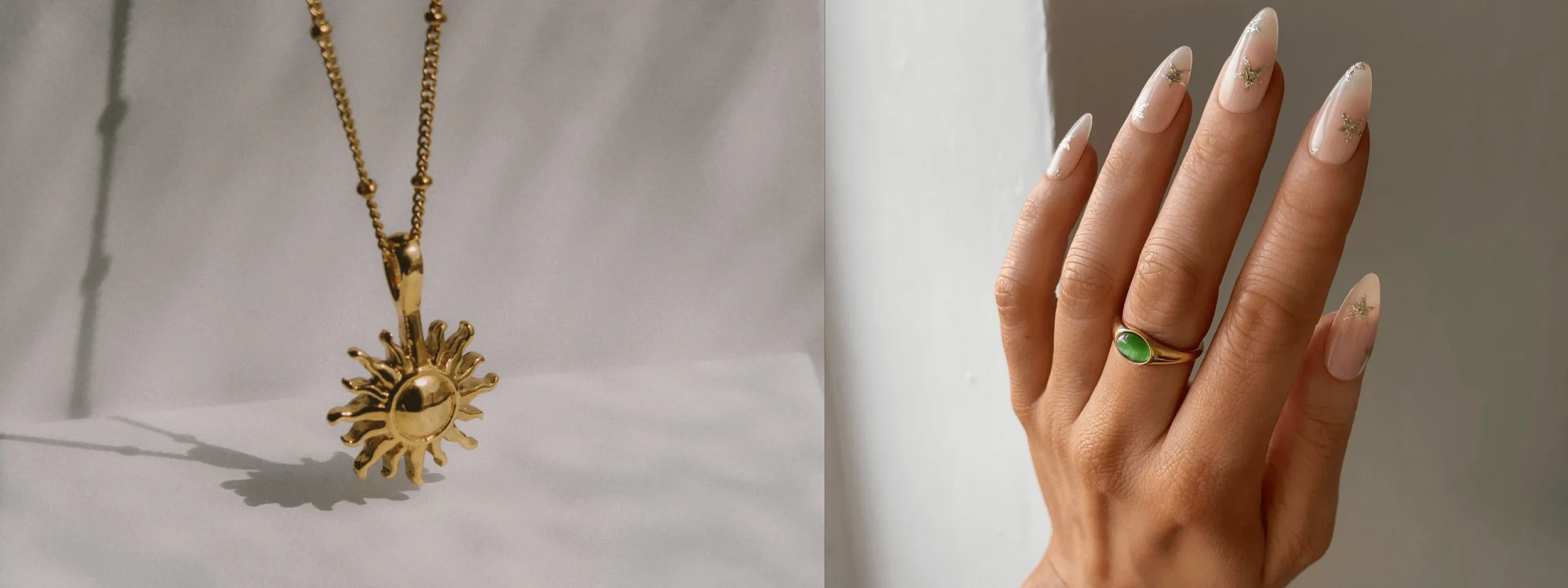
Niobium is where jewellery starts behaving like something from a science laboratory. The metal is valued by specialist jewellers for its unusual ability to develop vivid colours through anodisation. Depending on the process, surfaces can appear blue, purple, green or other shades without traditional paint or pigment. For designers, that makes niobium less about pretending to be precious and more about creating an entirely different visual language. It is particularly suited to contemporary jewellery where colour, texture and individuality matter as much as the intrinsic value of the metal.
Osmium
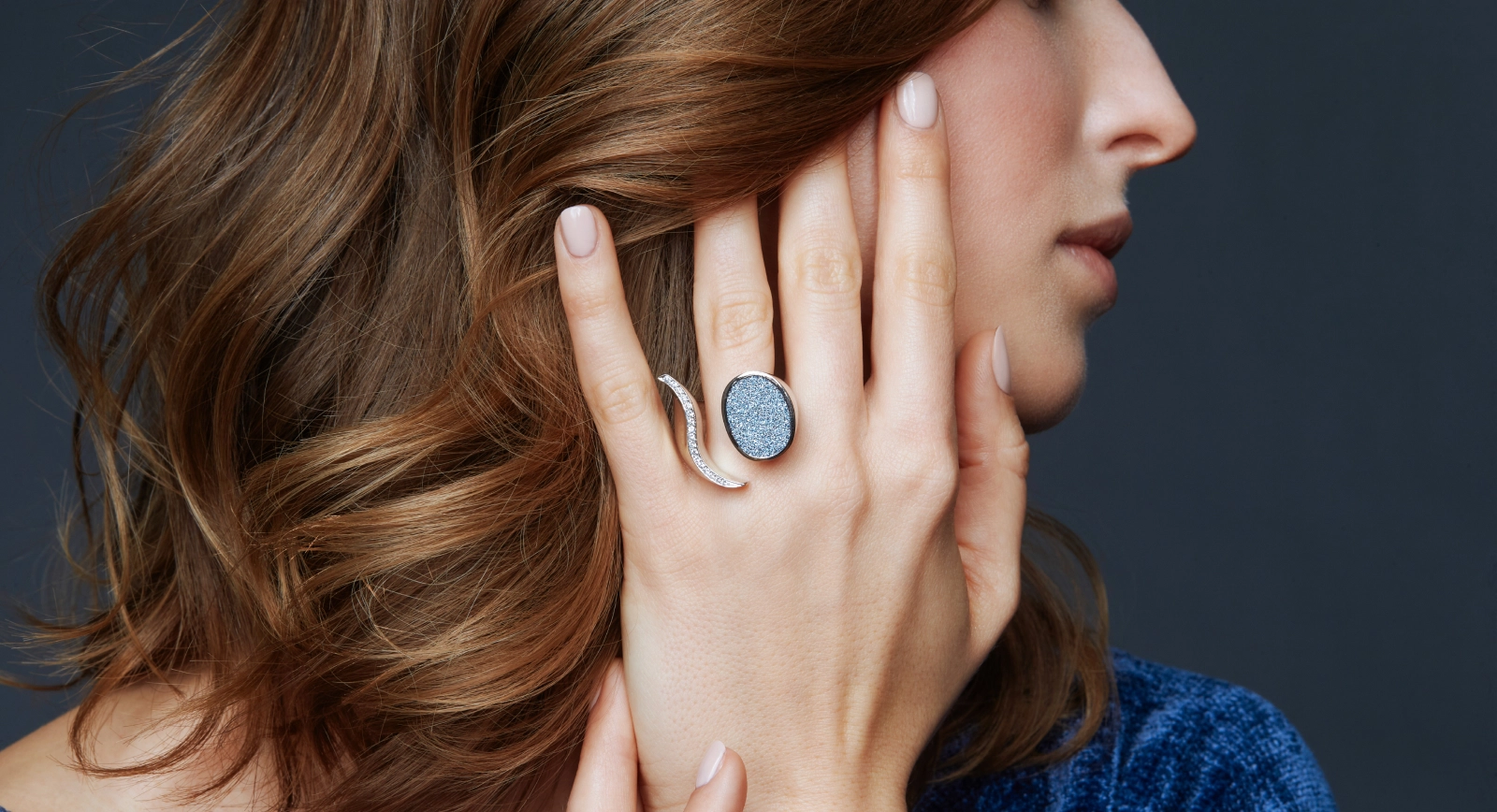
And then there is osmium, the eccentric at the back of the room. Osmium belongs to the platinum group and is extraordinarily dense and rare. Its use in jewellery is highly specialised, but that scarcity is precisely what gives it such fascination. Certain forms can be crystallised and cut into surfaces that produce a distinctive sparkling texture, allowing designers to create pieces that look quite unlike conventional polished metal. It is not the material you choose when you want something ordinary. And nobody buying it is likely to complain that their jewellery looks like everyone else’s.