From Sapphire To Spinel: The Bold New Era Of Coloured Gemstone Jewellery
From sapphires to rare spinels, explore the rise of coloured gemstone jewellery, key trends, and why collectors are shifting beyond diamonds
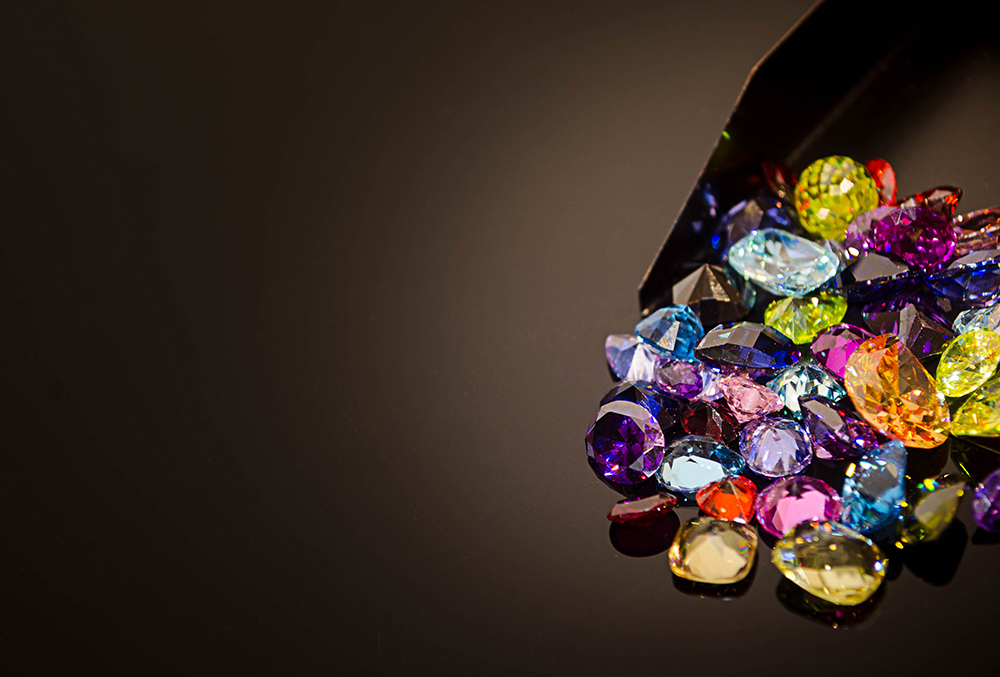
Diamonds have long ruled fine jewellery as the classic monarch of luxury – symbols of wealth, legacy, and desire. But something has shifted. Over the last decade, coloured stones have quietly staged a revolution, and the collector who once measured value purely in carats is now thinking in an entirely different language.
Colour As Creative Vocabulary
For a designer, the case for coloured stones is almost self-evident. They are where the palette lives. When I began designing jewellery in 1989, it was colour that drove my entire artistic vision – the idea that a piece of jewellery could work like a painted surface, holding mood and narrative the way the frescoed walls of a great chapel do. Semi-precious stones were my starting point: rhodolite and rust tones, malachite greens, lapis, amethyst, aventurine, black onyx. They were accessible, generously coloured, and almost entirely ignored by fine jewellery at the time. That gap felt like an invitation.
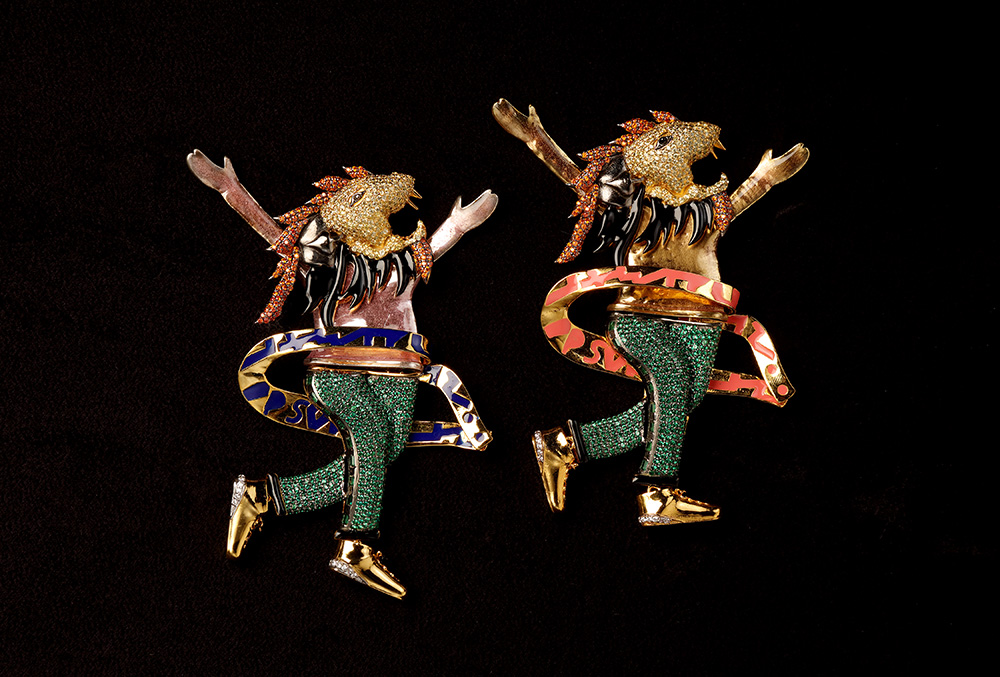
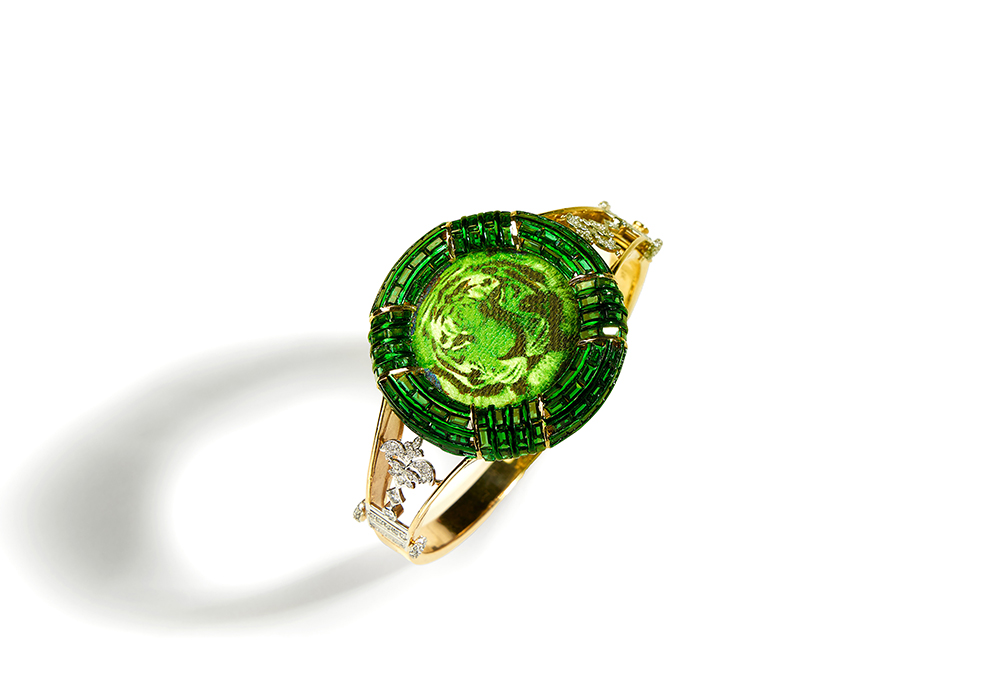
What colour unlocks, more than anything, is range. Consider green alone – the bright clarity of tsavorite, the depth of a fine emerald, the cooler register of green tourmaline, the earthy quiet of olive nephrite, the understated elegance of green sapphire. Each occupies its own emotional territory. No white stone offers anything close to that variety within a single colour family, and that variety is what allows jewellery to become genuinely expressive rather than simply precious.
The Marriage Of Colour And Diamonds
The rise of coloured stones has never been about replacing diamonds – natural diamonds remain irreplaceable for what they do with light, and the range available across cuts, from the flatness of polki to the brilliance of a full cut to the softness of a rose cut, is its own kind of palette. What coloured stones have done is expand the conversation.
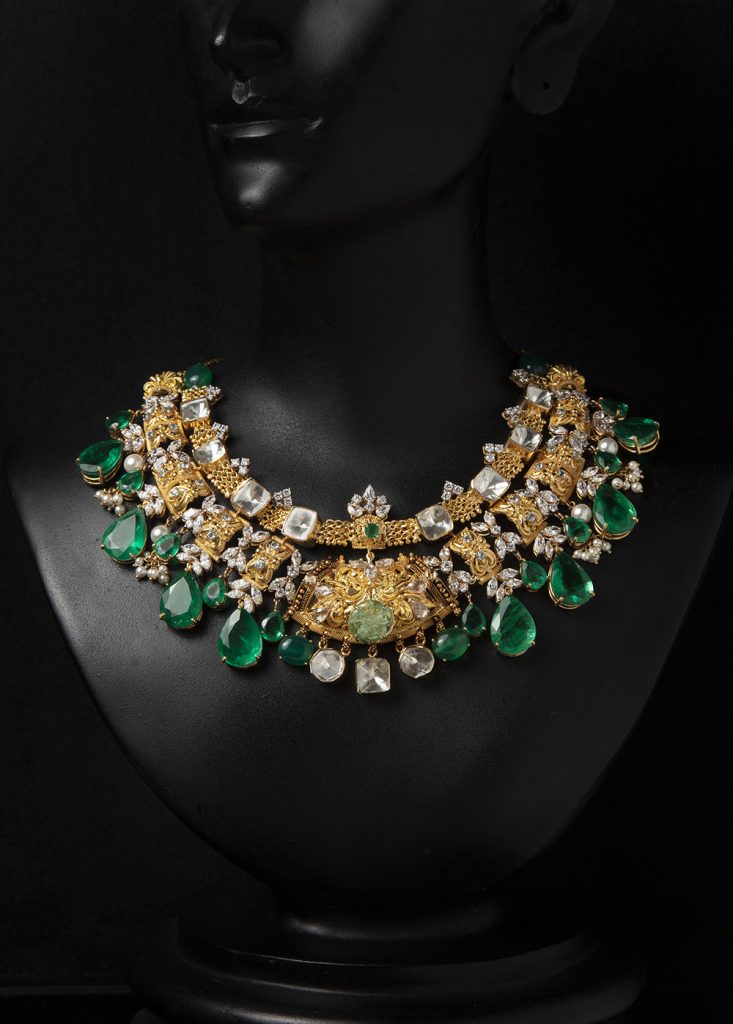
But what’s become most intriguing, of late, is in the space where the two can work together – where a pale aquamarine or a soft peach morganite or a sage-green emerald-cut stone sits alongside diamonds not as contrast but as continuation, shifting the temperature of a piece almost imperceptibly from cool white into something warmer or more complex. That kind of restraint is where the most interesting design work is happening right now. Colour used not as statement but as nuance.
The Investment Shift
Beyond design, there is a structural change underway in how the market values stones. The demand for larger white diamonds has decreased noticeably over the last decade, while fine coloured stones – particularly those that are unheated, untreated, and traceable to a specific origin – have seen demand grow by an estimated 10%. Auction houses have taken note.
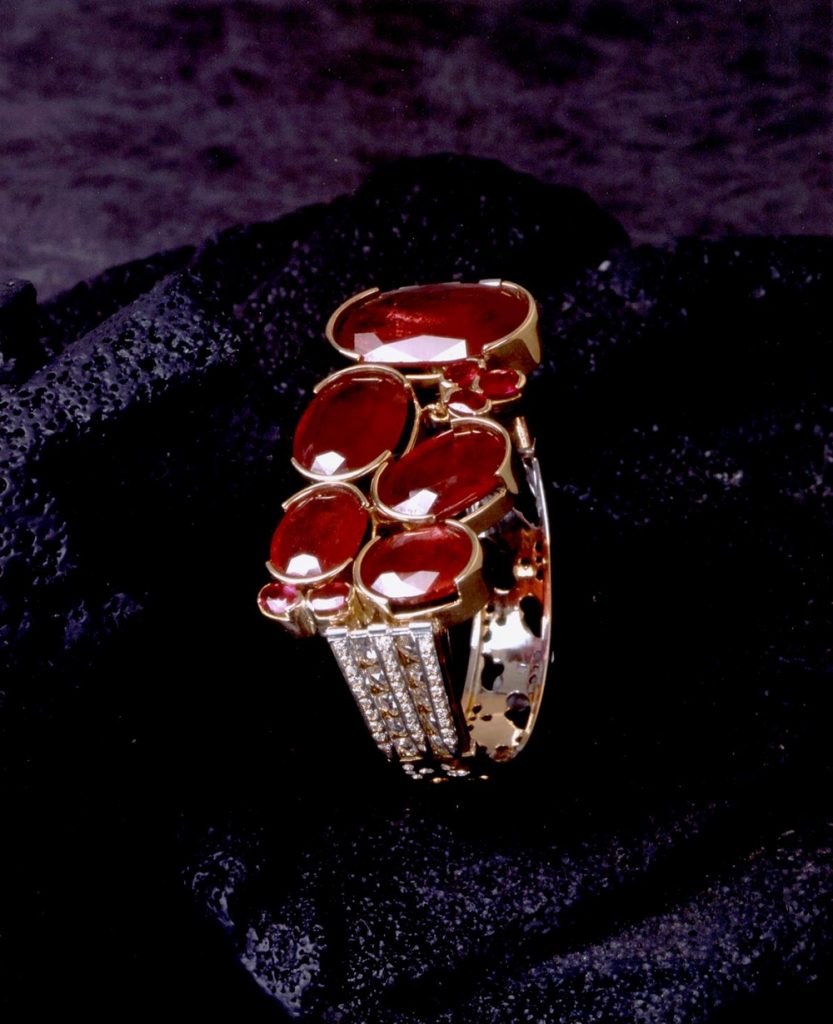
The logic is straightforward: a no-oil Colombian emerald, an unheated Burmese ruby in true pigeon-blood colour, a royal-blue sapphire with certified provenance – these are finite things. Their geological conditions cannot be engineered, and their rarity is verifiable rather than assumed. At the top of the market, that distinction is now commanding premiums that standard white diamonds at equivalent weight simply cannot match. For the serious collector, the guidance is unchanged across generations: buy with the eye for beauty, invest with the head for rarity.
The Role Of Lab-Processed Stones
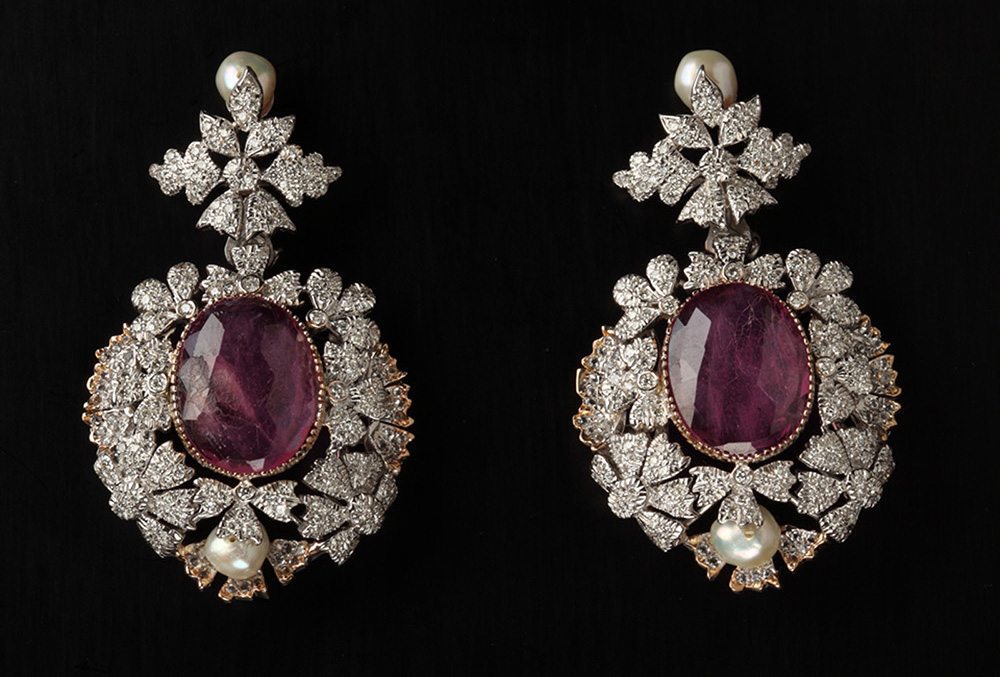
There is a third category worth understanding, and it is one that serious designers are increasingly working with: lab-processed coloured stones. These are not investment pieces, and they are not trying to be. What they offer is something different – precise, repeatable colour in specific cuts, consistent at scale, available in hues that natural stones cannot reliably produce. When a design calls for two hundred tiny baguettes in an exact, vivid pop tone, natural stones simply cannot deliver that consistency. Lab-processed stones can, and the integrity of the work is no less for it. The choice is not a hierarchy – it is a question of what the piece actually needs.
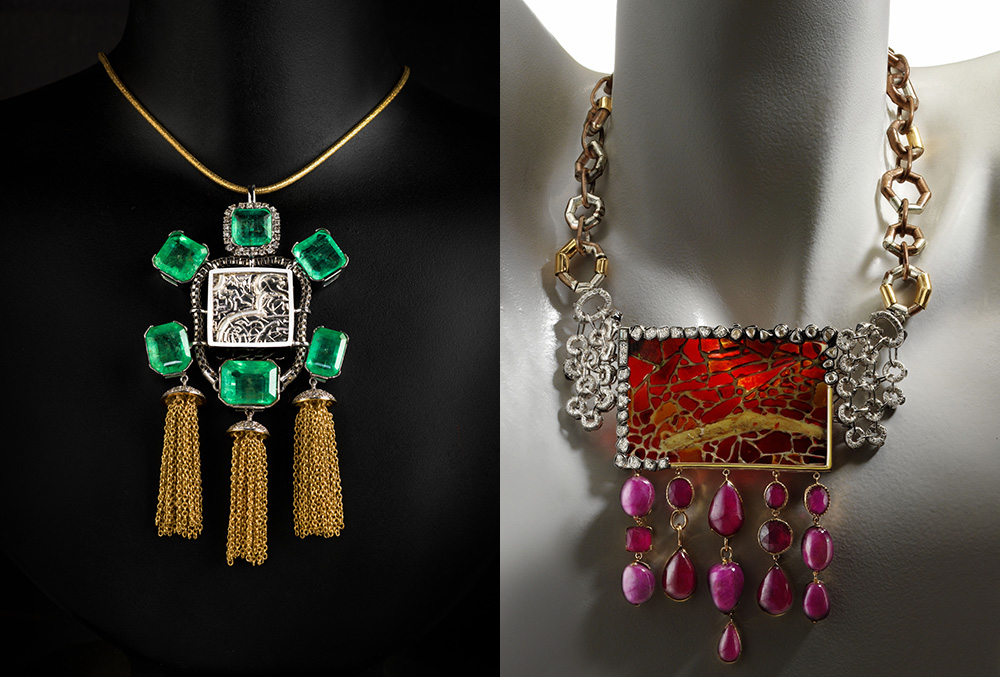
Right: Rubies and hand painted glass necklace
Also Read: Are Lab-Grown Diamonds Real? Seven Myths Every Indian Buyer Should Know
A Note For The Collector
The fine jewellery market today speaks to three distinct kinds of buyer – those led by design and self-expression, those acquiring for occasion and legacy, and those building a collection with investment in mind. Coloured stones now have something to offer all three, which is a relatively new situation and a significant one.
The practical starting point is simply to know which of those motivations is driving a decision. For design, the range available has never been greater. For investment, the due diligence – certification, treatment history, origin documentation – is non-negotiable, and the stones that will hold value are those whose rarity can be proven. The era of the all-white vault is over. The future of luxury jewellery is, unapologetically, in colour.
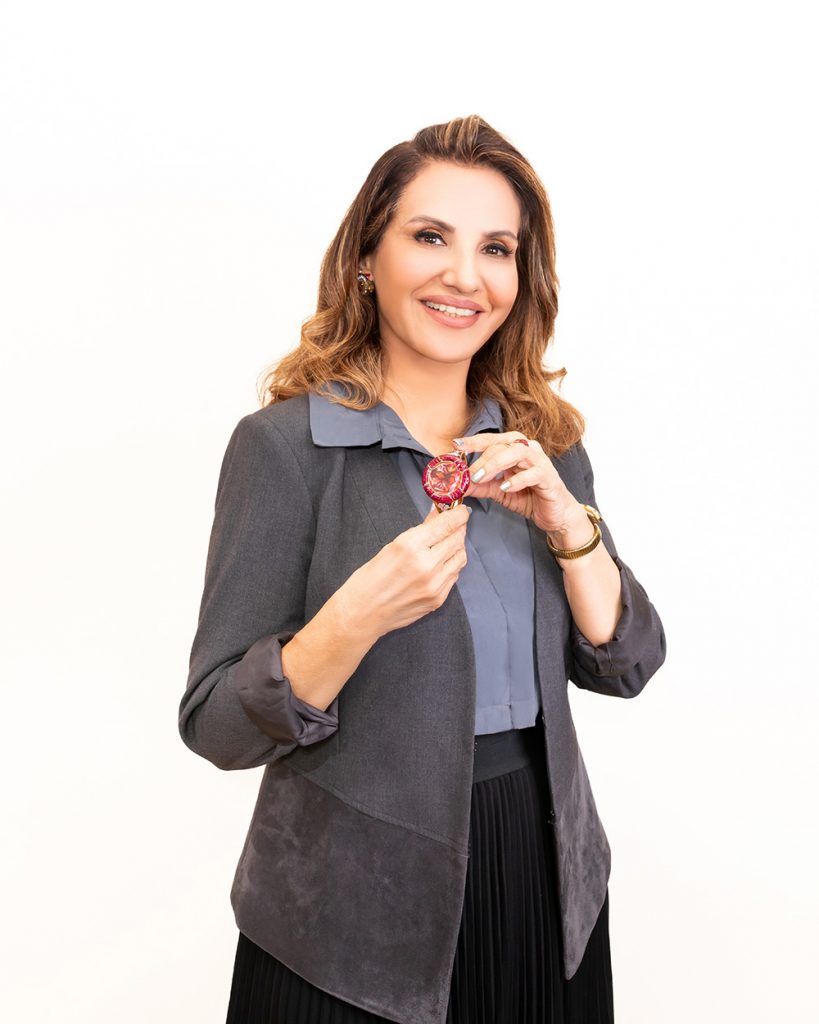
Poonam Soni is the Founder of Poonam Soni Signature Line Pvt. Ltd.