

If diamonds had personalities, the brilliant cut would be the extrovert—the one who insists on standing under every spotlight, stealing every scene, and outshining every other gemstone in the room without breaking a sweat. It’s the cut that turned diamond brilliance from a polite shimmer into a full-blown optical spectacle. In horology, where most dial elements work quietly in service of precision, brilliant-cut diamonds behave like prima donnas, scattering light in every direction with theatrical confidence. Whether framing a bezel, lighting up a dial, or marking the hours, they bring a level of radiance that can make even the most meticulously finished case blush. Understanding the brilliant cut means understanding why some diamonds merely glimmer… while others appear to be powered by their own internal sun.
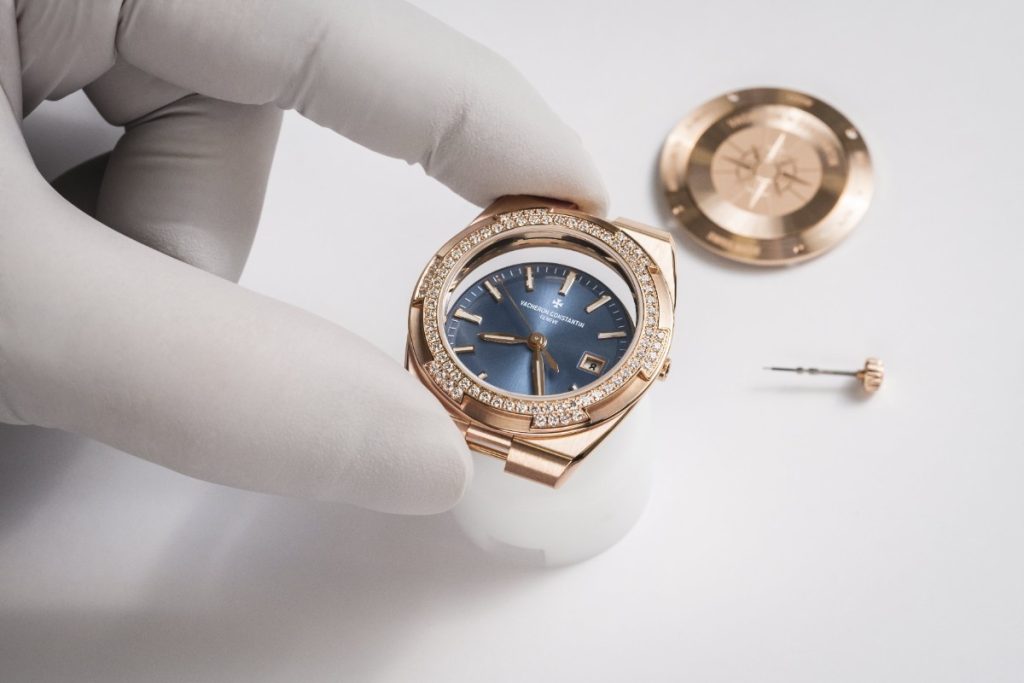
Brilliant-cut diamonds are gemstones shaped to maximise light return and brilliance through a precise arrangement of facets—typically 57 or 58 of them. The design, refined over centuries and perfected mathematically in the 20th century, ensures that light entering the stone is reflected and refracted in a controlled geometric dance, producing intense sparkle. The cut is not about size; it’s about optical performance. A well-executed brilliant cut makes a diamond appear brighter, livelier and more dynamic than almost any other faceting style.
The Anatomy And Science Behind the Brilliant Cut
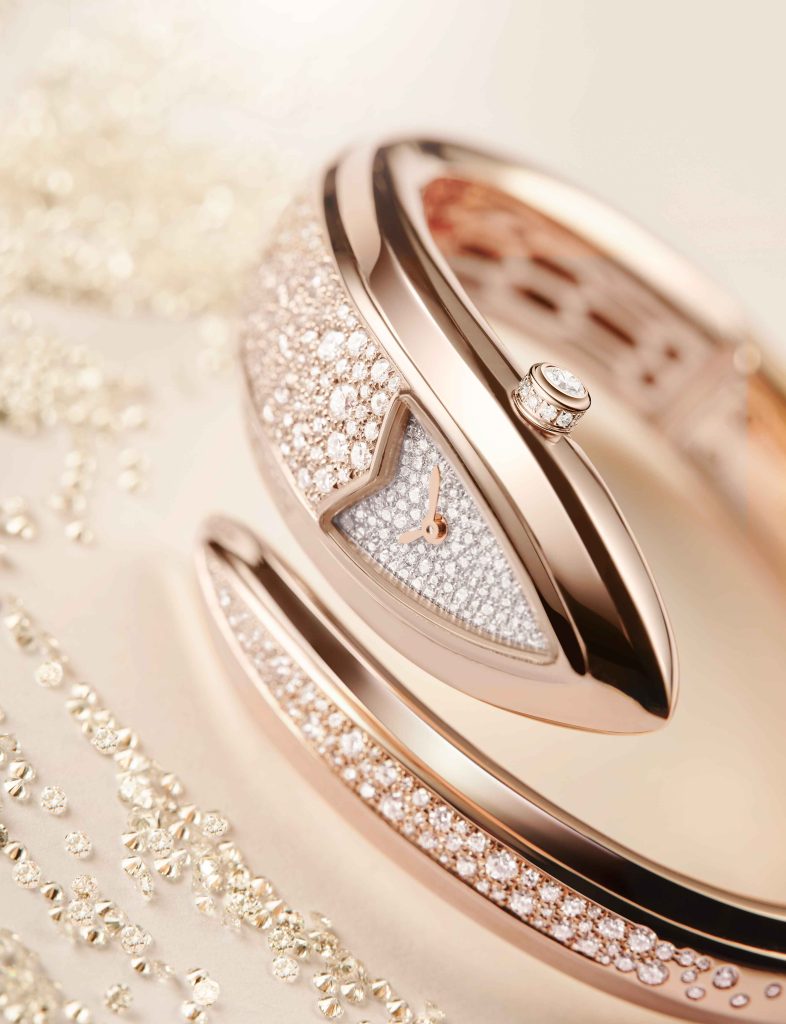
The brilliant cut is engineered around three optical elements: the table, the crown, and the pavilion, with facets positioned to bounce light internally before sending it back to the eye in a burst of fire and brilliance. Its symmetry and proportions—angles, facet alignment, girdle thickness—are calculated to optimise how light travels through the diamond. Too shallow, and the stone leaks light; too deep, and it appears dull; cut perfectly, and the result is a gem that behaves like a miniature lighthouse. This scientific precision is what makes the brilliant cut the reigning champion of sparkle.
Why Brilliant-cut Diamonds Matter In Horology
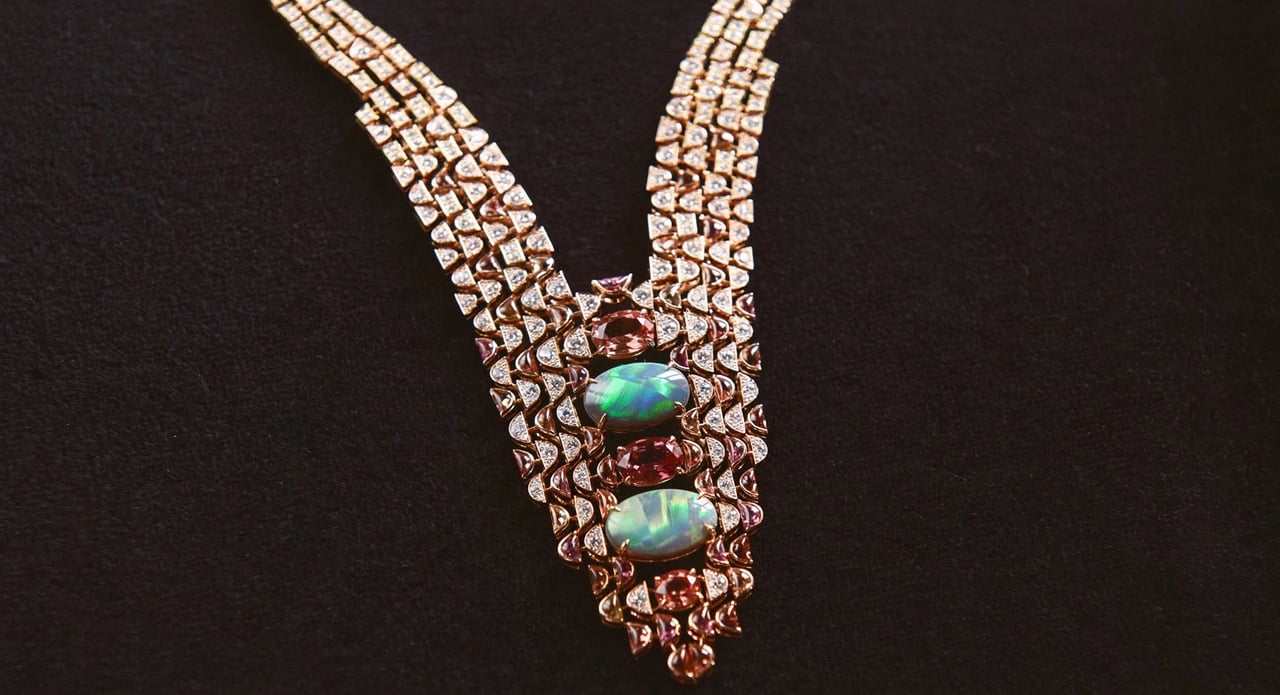
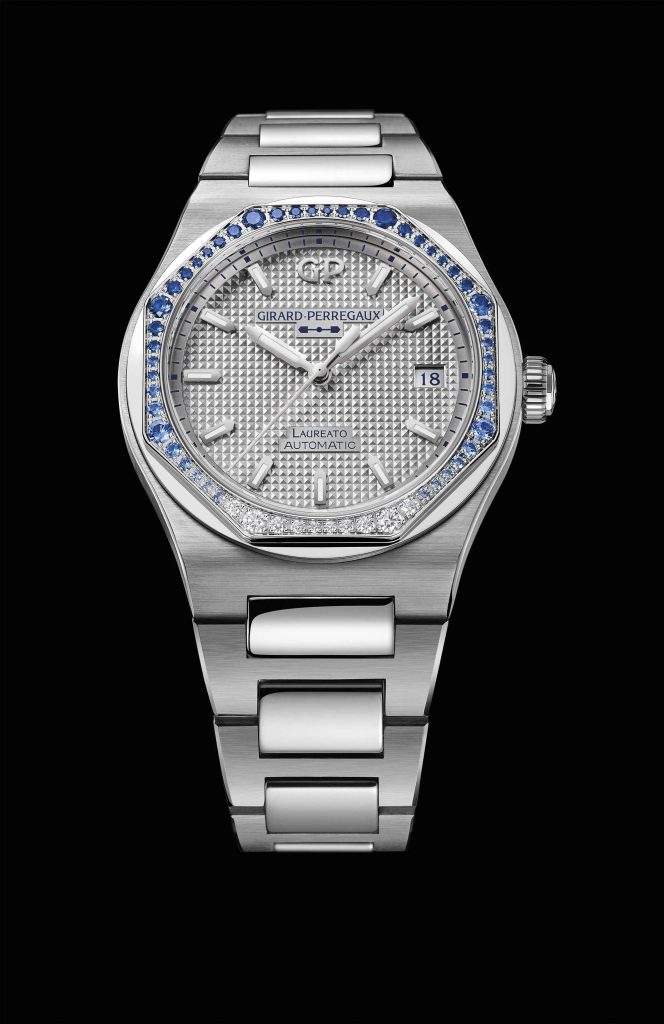
In watchmaking, brilliant-cut diamonds elevate both aesthetics and perceived value. Their intense sparkle creates dramatic contrast against polished metals and dark dials, turning a simple timepiece into a piece of haute-joaillerie. For brands, the cut offers versatility—equally at home on feminine dress watches, sporty unisex models, or high-jewellery masterpieces. Their optical liveliness enhances legibility when used as hour markers and adds instant luxury when used in bezels or case designs. Simply put, brilliant-cut diamonds help watches speak a universal language of glamour.
How Brilliant-cut Diamonds Are Used In Luxury Watches
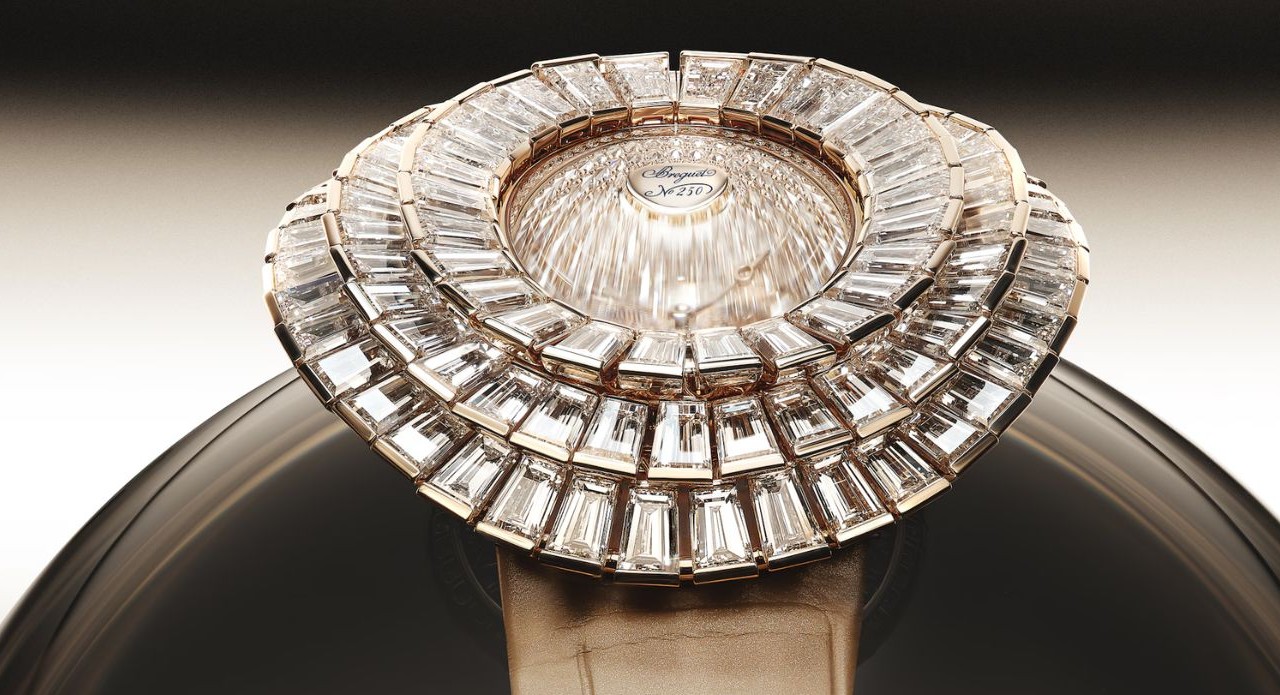
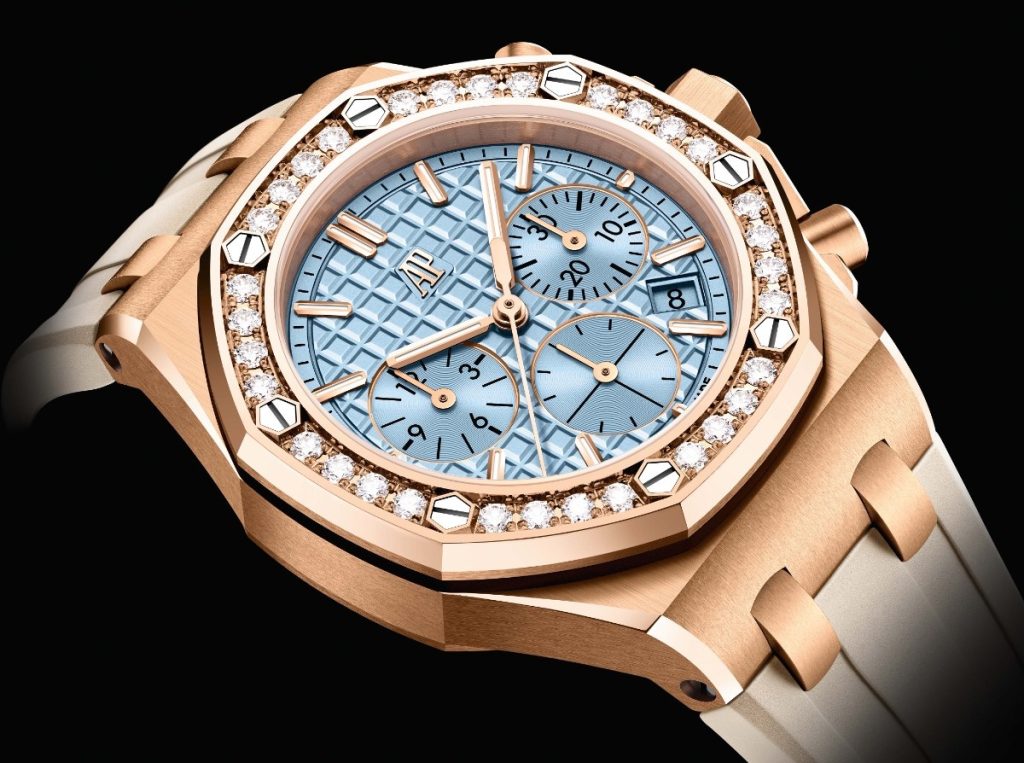
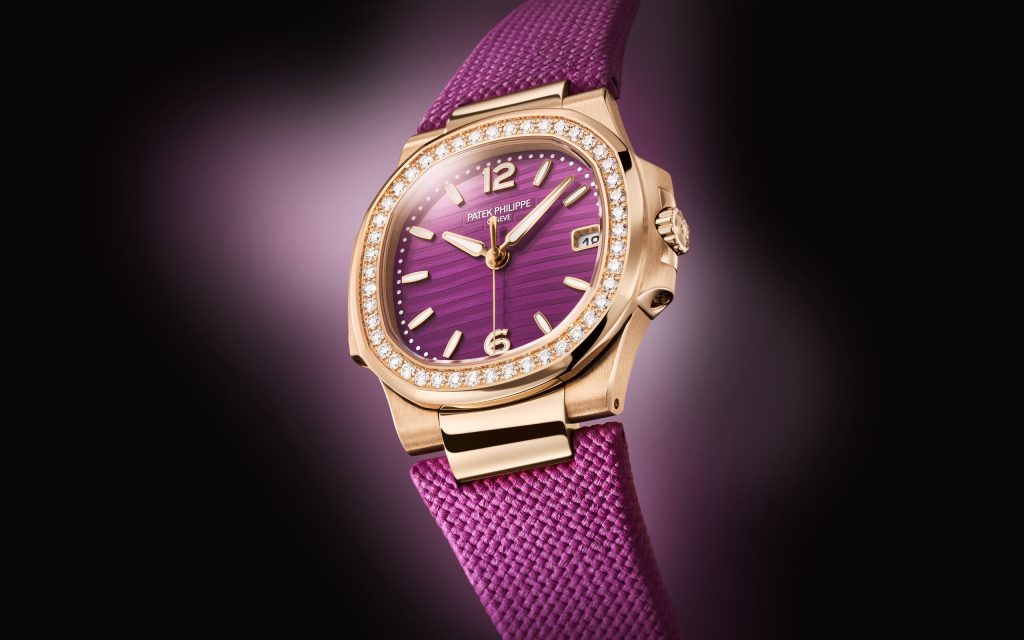
Watchmakers integrate brilliant cuts in multiple ways: pavé dials, where dozens of tiny brilliant diamonds form a shimmering surface; gem-set bezels, often requiring hand-matched stones of identical size and fire; hour markers, adding subtle radiance to classic designs; and high-jewellery cases, where hundreds of brilliant stones are placed seamlessly across curves and lugs. Micro-pavé settings demand extraordinary precision, as each small diamond must sit perfectly aligned to maintain uniform sparkle. Whether used sparingly or extravagantly, the brilliant cut ensures maximum luminosity in every application.
Why Watchmakers Prefer Brilliant Cuts Over Other Cuts
Brilliant-cut diamonds offer the highest light performance per surface area, making them ideal for miniature applications where stones are small. Their round shape is universally flattering on bezels and works harmoniously with circular cases, crowns, and indices. The cut’s symmetrical geometry also makes it easier to match stones during selection—a crucial factor for watches where visual harmony is non-negotiable. Unlike baguette or emerald cuts, which depend on clarity and long facets, brilliant cuts rely on sparkle to disguise minor inclusions, making them both dazzling and practical for watch design.
Despite the rise of coloured gemstones, creative cuts and unconventional materials, the brilliant cut remains the cornerstone of gem-set watchmaking. Its ability to radiate light with such intensity keeps it perpetually in demand among collectors who view these watches as wearable jewellery. More than just a design choice, the brilliant cut represents timeless glamour—an optical signature that has illuminated luxury watches for decades and shows no sign of dimming anytime soon.