

In the rarefied universe of haute horology, authenticity is not merely a matter of ownership. It is a covenant between craftsmanship, heritage and trust. Yet as luxury watches have grown in cultural cachet and financial value, so too has the shadow industry that seeks to replicate them. Counterfeiting, once limited to crude imitations easily exposed at a glance, has evolved into a remarkably sophisticated enterprise. Today’s counterfeit watches often mimic the appearance of legitimate timepieces with startling accuracy, compelling luxury watch brands to adopt equally advanced measures to safeguard authenticity.
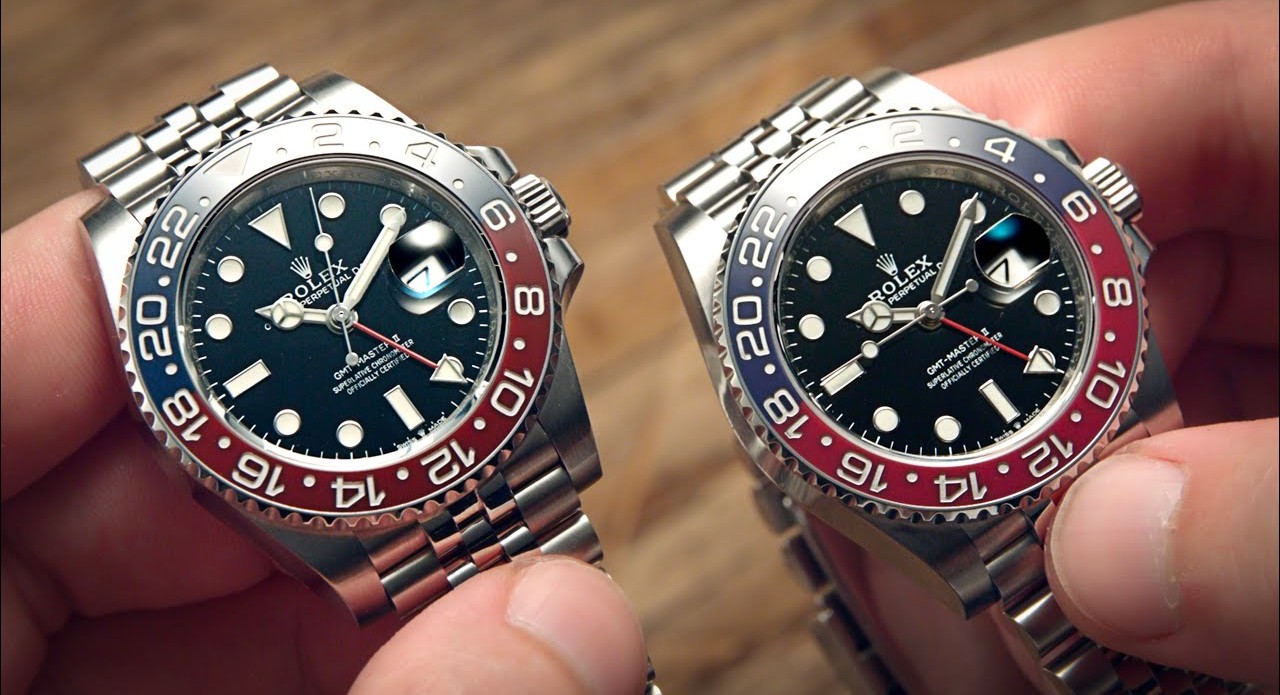
At its core, the battle against counterfeiting begins with the watch itself. Every genuine luxury timepiece carries a unique identity, most commonly expressed through meticulously engraved serial numbers. These identifiers allow manufacturers to trace a watch back to its production batch, materials and even the specific workshop where it was assembled. Brands such as Rolex and Omega maintain detailed archival records that link each serial number to its manufacturing history, ensuring that authenticity can be verified decades after a watch leaves the factory.
However, serialisation alone is no longer sufficient in a world where counterfeiters possess increasingly advanced tools. Modern luxury watchmakers therefore embed subtle yet highly sophisticated markers into their creations. These include microscopic engravings, laser etched coronets or logos on sapphire crystals, and proprietary finishing techniques that are nearly impossible to replicate without specialised machinery. In certain models, micro signatures may be placed within the dial printing or even hidden along the movement components themselves, detectable only under magnification.
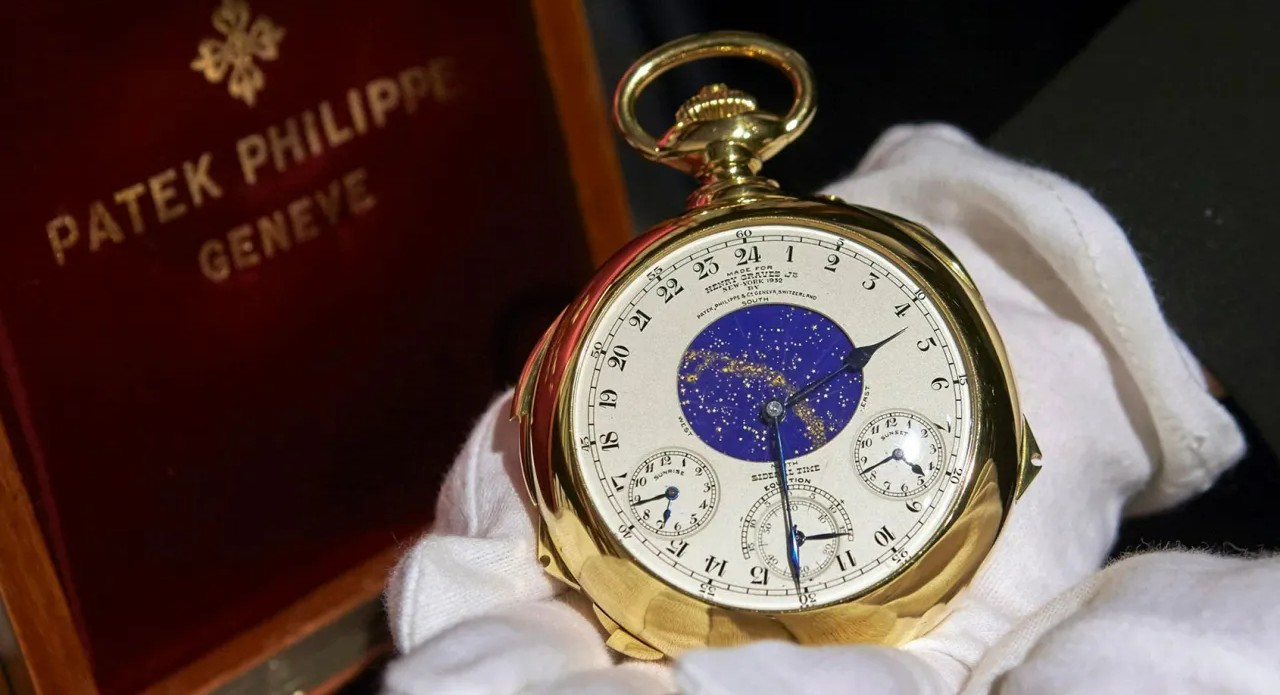
Another critical line of defence lies within the mechanical heart of the watch. Authentic luxury movements display a level of precision, decoration and finishing that remains extraordinarily difficult to duplicate. The delicate perlage patterns, polished bevels and Geneva stripes visible inside movements produced by maisons such as Patek Philippe or Audemars Piguet are not merely aesthetic flourishes. They represent hours of skilled manual craftsmanship and specialised techniques that counterfeit operations struggle to replicate convincingly.
Beyond the physical watch, documentation has become an equally crucial element in verifying authenticity. Traditionally, luxury watches were accompanied by stamped warranty cards and printed certificates. Today, many brands have transitioned toward digital authentication systems. Blockchain technology and encrypted digital passports are increasingly employed to create immutable ownership records, allowing collectors to trace the provenance of a watch from its manufacture to its current custodian. This digital layer not only strengthens trust but also enhances transparency in the secondary market.
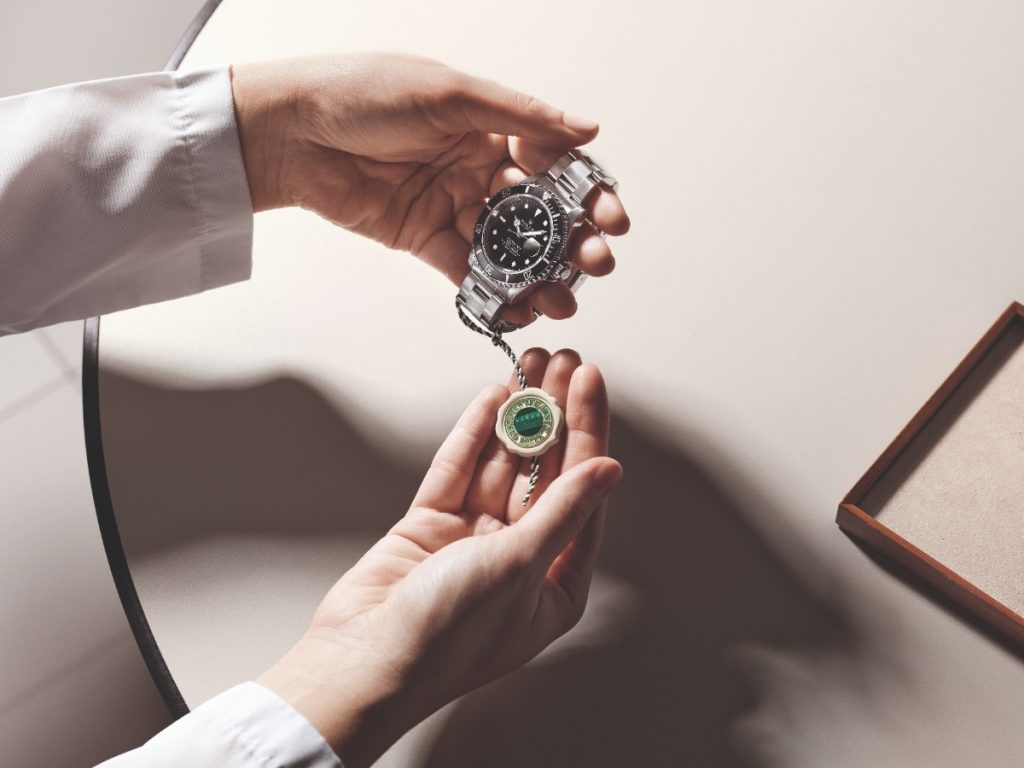
The rise of certified pre owned programmes has further reinforced the industry’s anti counterfeiting strategy. Brands now actively participate in the resale ecosystem by authenticating and servicing previously owned timepieces before reintroducing them to the market. By doing so, watchmakers retain oversight of their products long after the initial sale, ensuring that collectors receive genuine watches backed by official verification.
Also Read: How To Authenticate A Rolex: Key Checks Every Buyer Should Know
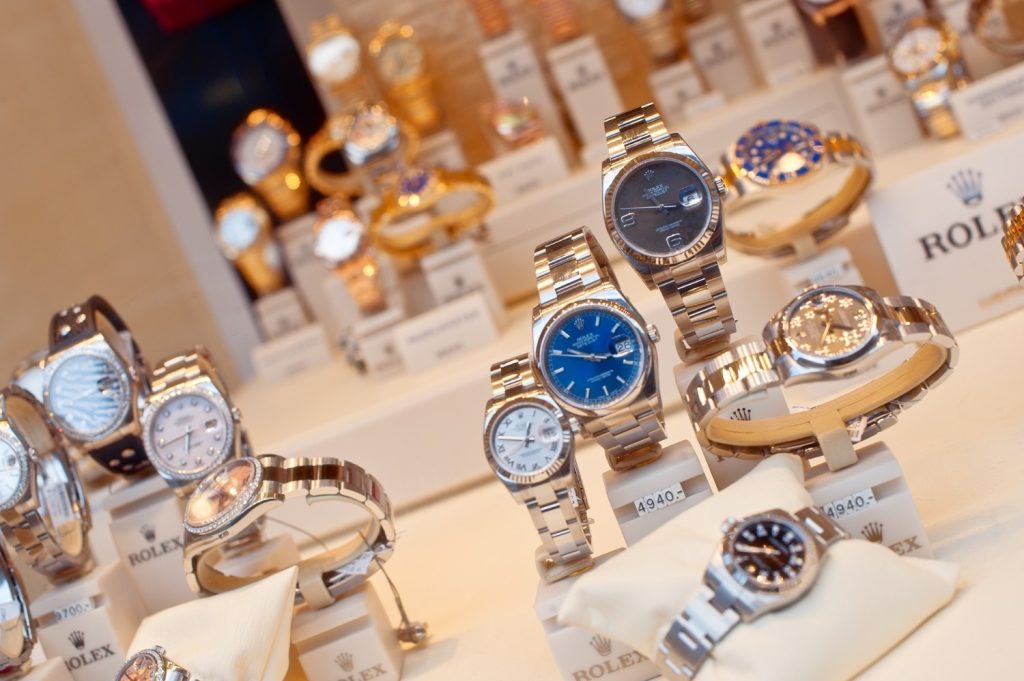
Authorised retail networks also play a vital role in maintaining authenticity. Purchasing through recognised boutiques or approved dealers ensures that the watch originates directly from the manufacturer’s supply chain. Many luxury houses maintain strict distribution controls, enabling them to monitor how and where their timepieces enter the market. This oversight acts as a barrier against counterfeit infiltration while preserving the integrity of the brand.
Yet perhaps the most formidable defence against counterfeiting remains the craftsmanship itself. Genuine luxury watches are the culmination of countless hours of skilled labour, technical refinement and rigorous quality control. Every component, from the polished hands to the precisely aligned indices, reflects a standard of perfection that is exceptionally difficult to imitate convincingly.
As the global appetite for luxury watches continues to expand, the industry’s commitment to protecting authenticity grows ever more resolute. Through a combination of advanced technology, meticulous documentation and enduring artisanal expertise, watchmakers are ensuring that the ticking heart of horology remains inseparable from the values of originality and trust. In a world where imitation may grow increasingly persuasive, authenticity remains the ultimate luxury.