

The 10-step Korean skincare routine has been one of the most trending in the beauty world lately. It is claimed to provide us with glass-like skin. The beauty regimen is based on prevention and frequency, and it is geared towards using lightweight products to improve the skin barrier. But it is as good as it is and cannot be allowed in all cases.
What’s 10-step Korean Skincare?
The ten steps in Korean skincare are not necessarily needed from a clinical point of view. The simplified regimen, which consists of a basic cleanser, a moisturiser, and a sunscreen with a special treatment, is a great idea and can work well. The routine is carried out in the following sequence for best results:
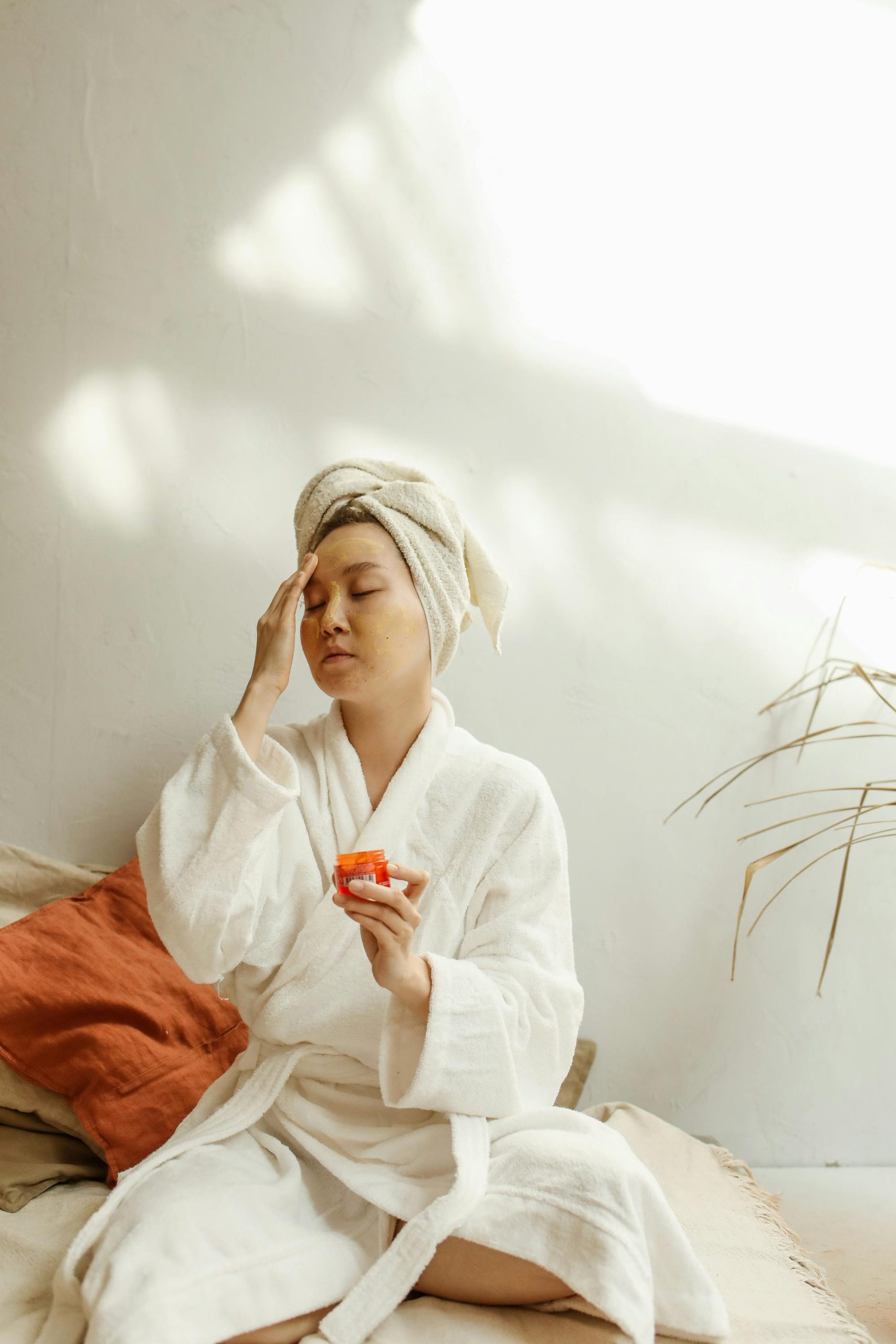
- Oil Cleanser: To gently remove oil-based impurities, makeup, sunscreen and excess sebum.
- Water-Based Cleanser: Removes sweat, dirt and other remnants. It is especially helpful when it comes to removing the waterproof sunscreen and the pollutant. This is the second part of double cleansing.
- Exfoliator: This is applied once or twice a week to remove the dead skin cells, unclog the pores and improve skin texture.
- Toner: To restore the moisture lost and balance the skin’s pH. Use hydrating toners to prep the skin and absorb the products better.
- Serum: These formulations contain highly concentrated ingredients to treat the specific skin conditions. Vitamin C (to be used on pigmentation), niacinamide (to be used to keep skin from being oily) or retinol (to be used to keep skin anti-ageing).
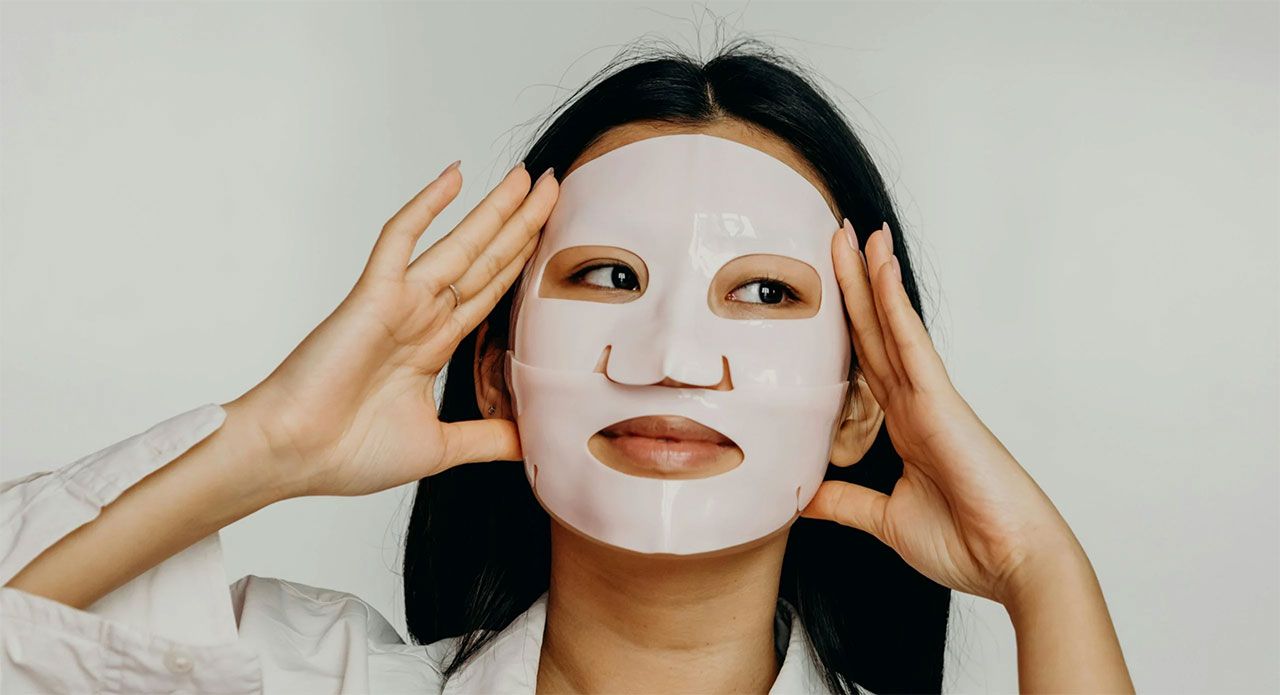
- Sheet Mask: Gives you an instant hydration boost.
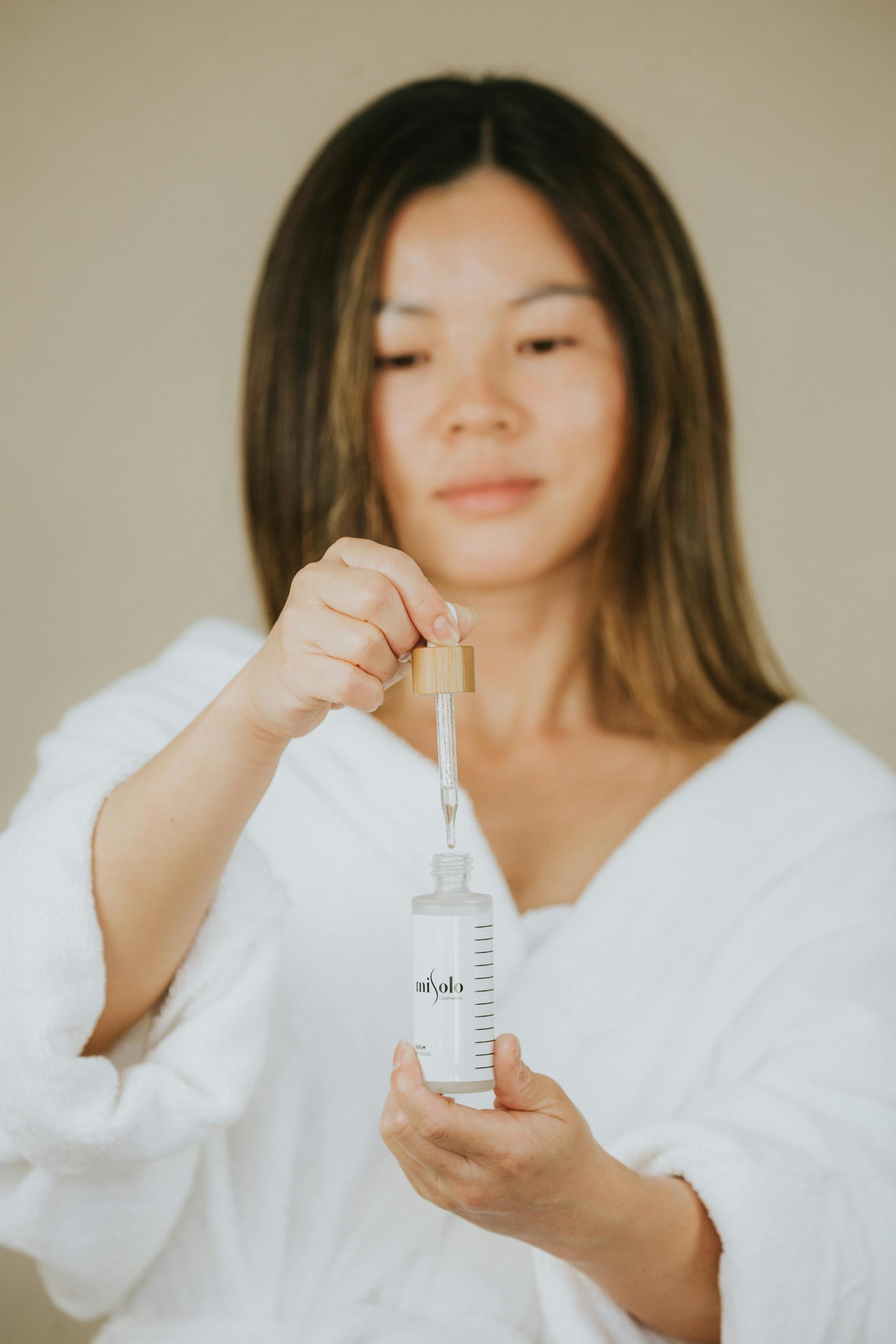
Serums contain highly concentrated ingredients to treat the specific skin conditions in Korean skincare - Eye Cream: Hydrates the skin under the eyes, which is thinner and has fewer oil glands.
- Moisturiser: This is one of the most important steps of every skincare routine. Use a hydrating moisturiser; well-hydrated and moisturised skin helps strengthen the skin barrier.
- Sleeping mask (Night Step): Provides deep overnight hydration, supports skin repair, and helps retain moisturiser while you sleep.
- Sunscreen (Morning Step): This acts as a defence against UVB and UVA, which damage skin, cause ageing, hyperpigmentation, and even lead to the risk of skin cancer.
Popularity of Korean Skincare
The ‘glass-skin routine’ trend, which means skin that looks smooth, clear, and naturally glowing, is the most viral skin care routine around the world. Social media has played a huge role in making it popular and go viral. Nowadays, K-beauty products are everywhere because of the growing demand for glass skin. Their unique textures and fermented skincare ingredients are gaining popularity. Further, Korean skincare became globally popular because K-beauty products focus more on gentle care, strengthening skin barriers and hydration instead of harsh exfoliations and treatments.
Also Read: What Led To The Global Rise Of Kay Beauty?
Benefits V/s Risk
The primary benefit of the Korean skincare routine is hydration. Ingredients like hyaluronic acid, glycerin, ceramides, panthenol, and centella asiatica help to strengthen the skin barrier. When your skin barrier is healthy, it prevents moisture loss, reduces sensitivity and makes your skin healthy. This routine focuses more on prevention rather than correction. While this skincare routine has multiple steps and works beautifully for many people, it doesn’t mean they’re suitable for everyone, especially people with sensitive skin.
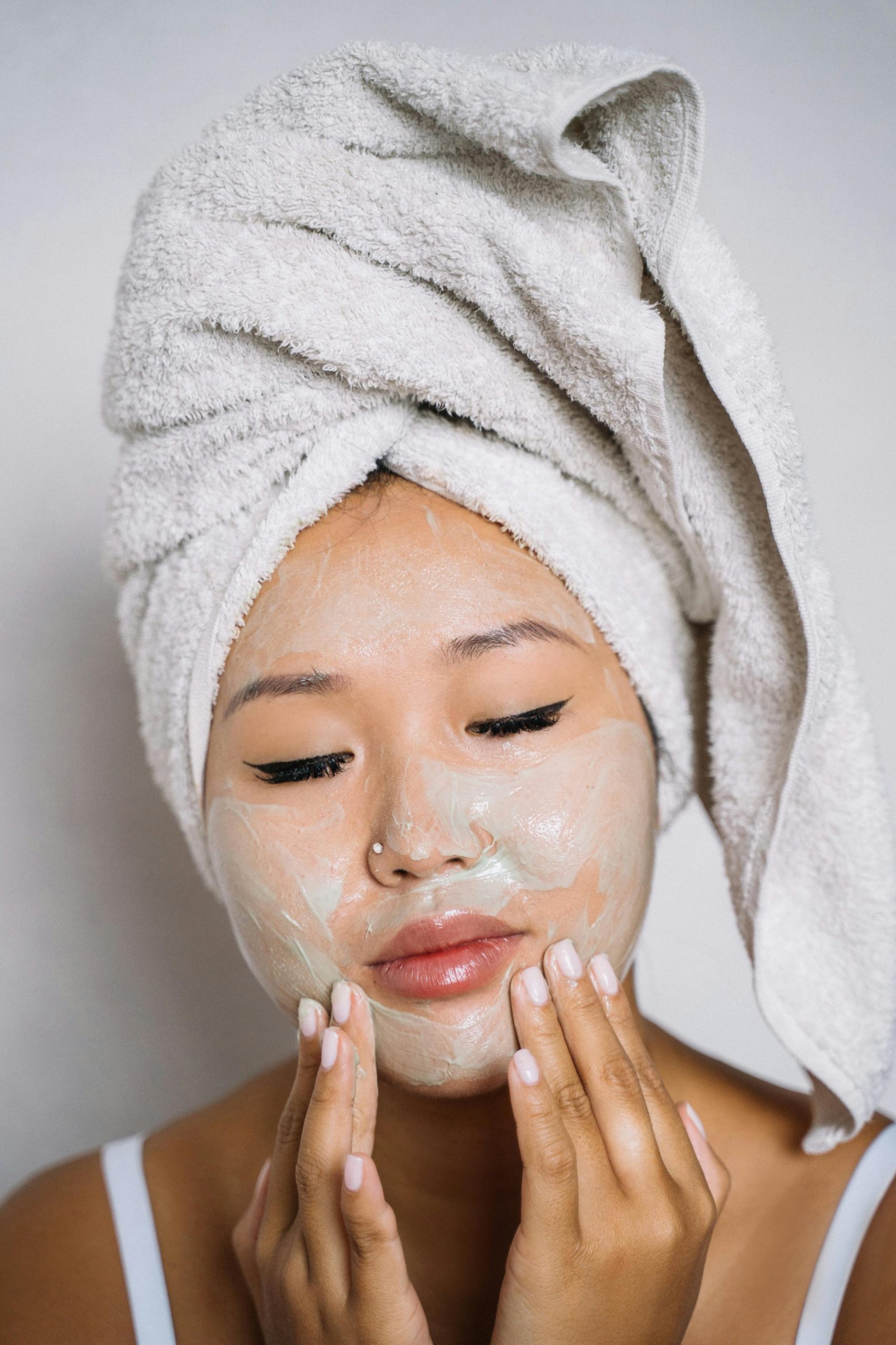
Over-exfoliation can harm the skin barrier and result in redness, peeling and irritated skin. Overloaded products have the possibility of clogging the pores, especially for people with acne-prone skin. In hot and humid weather, applying too many products can trap sweat and oil. It may aggravate the breakouts.
Who should follow it?
People who have dry or dehydrated skin can benefit from the 10-step Korean skincare routine. Using multiple light layers can help lock in moisture and keep the skin barrier healthy. However, using too many products or strong active ingredients together is not suitable for everyone. People with acne-prone, rosacea-prone, or sensitive skin should be careful.
Author’s Bio: Dr. Nirupama Parwanda is a dermatologist and the founder of Zolie Skin