The Watches Of James Bond: More Iconic Timepieces From 007’s On-Screen Legacy
Digital displays, hidden detonators and the smallest television in the world turn Bond's wristwatch into the most inventive gadget in Q's laboratory
By the end of the 1970s, Q Branch had grown ambitious, and Seiko had become the brand that supplied its imagination. Rolex stepped aside for a while, and a series of digital and quartz watches took centre stage, each with a trick more daring than the last. They carried explosives, tracked eggs and, in one case, showed live television on a tiny screen. Many became icons of 1980s design, and some became hit products in their own right. These five timepieces capture Bond at his most playfully technological.
Part 3: The Seiko Years (1979 to 1985)
Seiko M354 5019 – Moonraker, 1979
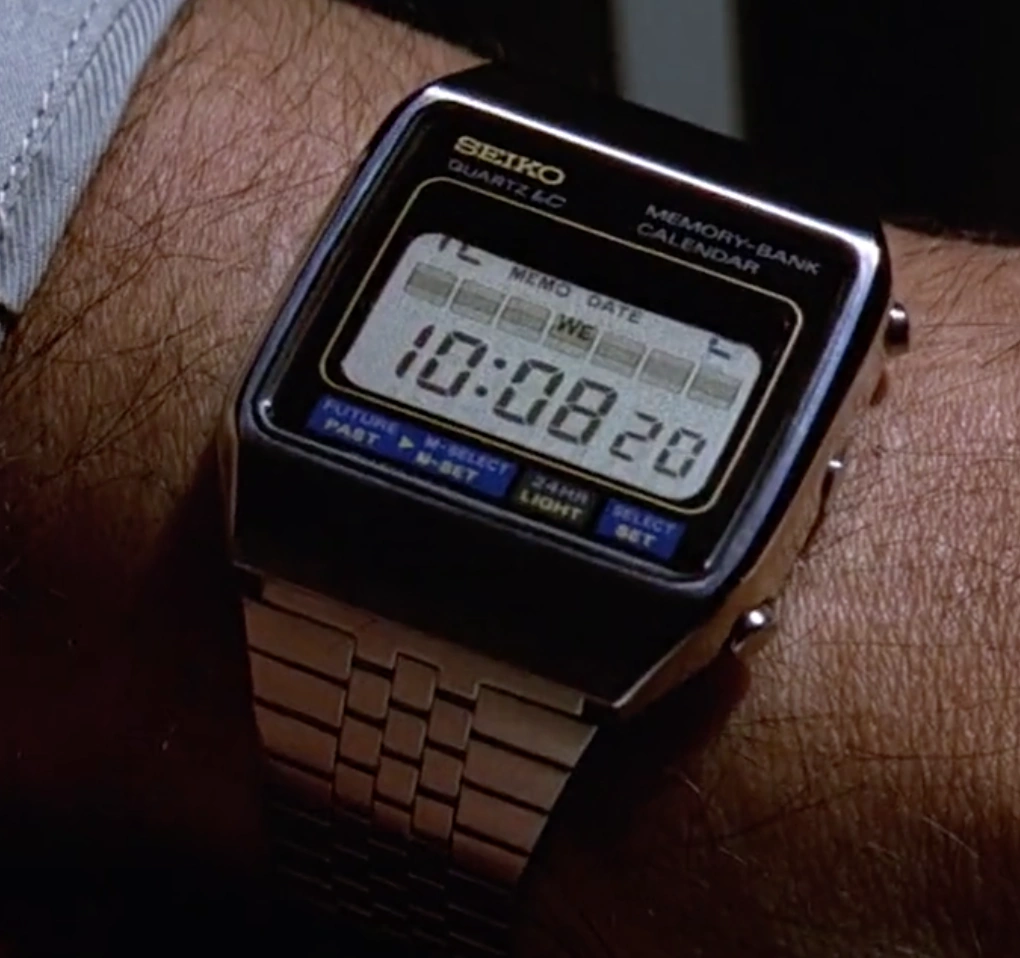
A digital Seiko with an 80-year memory bank, modified with a removable plastic explosive and detonator in the case back, attached to around seven feet of filament. Bond uses it to blow open a doorway and escape a bunker beneath a launch pad.
Also Read: The James Bond Watch Files Part 2: More Of 007’s Most Iconic Timepieces
Seiko 7549-7009 “Golden Tuna” – For Your Eyes Only, 1981
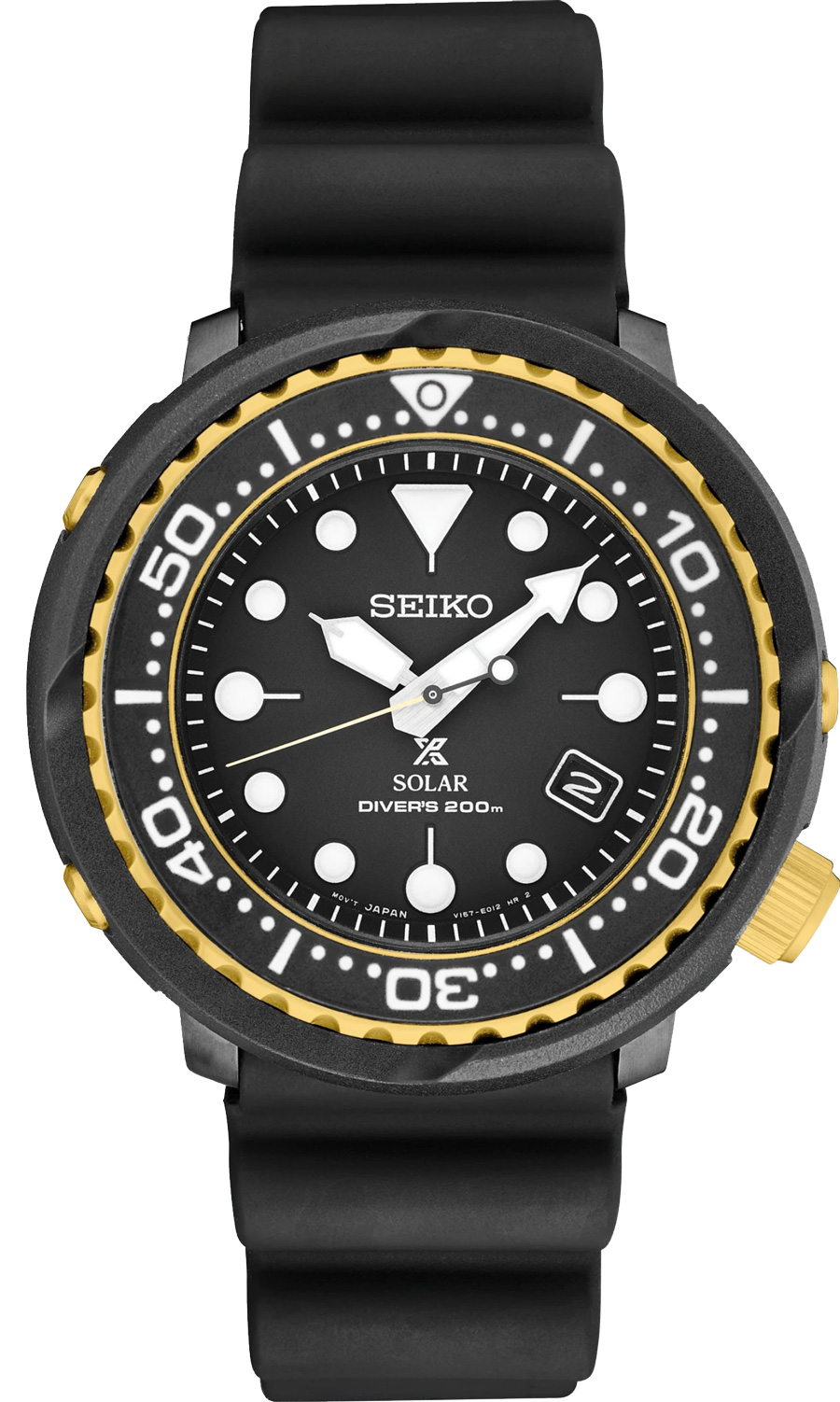
A huge diver for its time, almost 50mm across and 16mm high, with a titanium inner case and a titanium nitride gold coating. Rated to 600 metres without a helium escape valve, it was worn during a scuba dive to the St. Georges wreck.
Seiko TV Watch T001-5019 – Octopussy, 1983
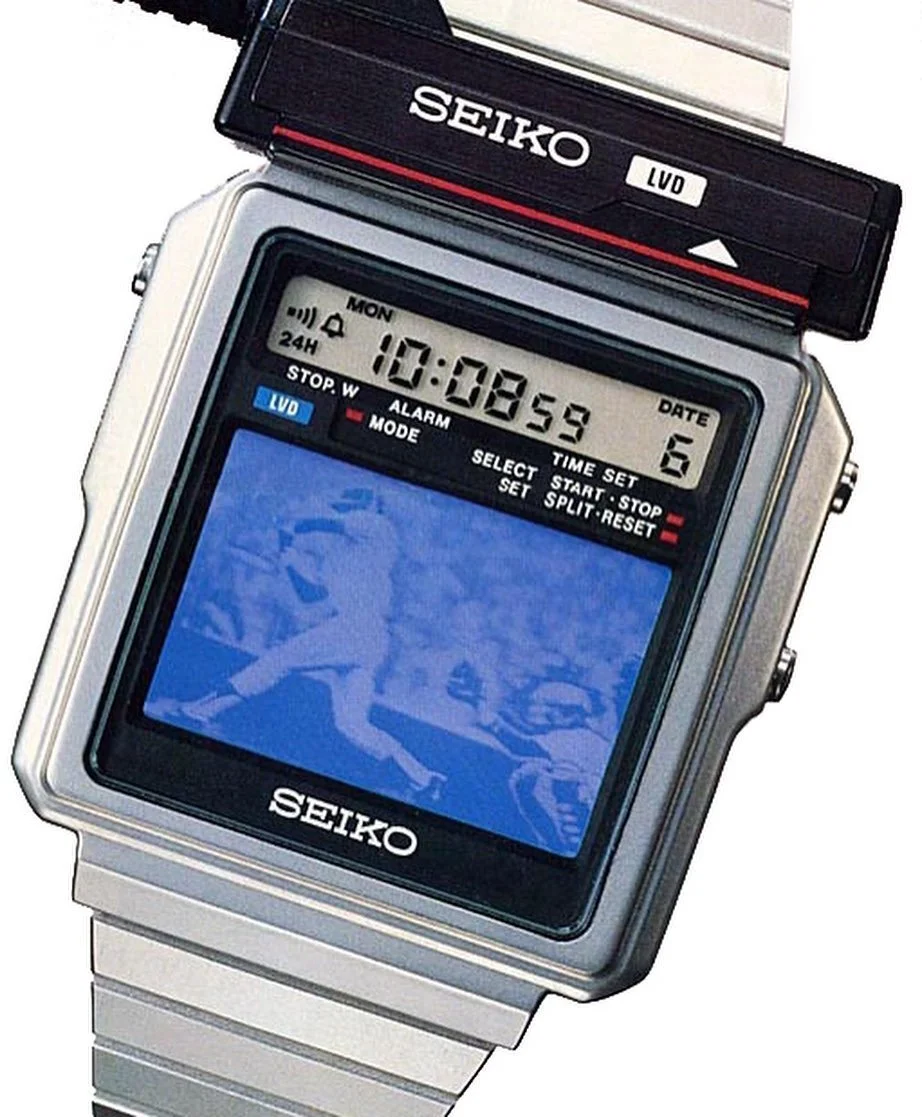
In the film, a full-colour screen; in reality, a low-resolution black and white one. A separate pocket receiver was wired to the watch. It made a huge impression and earned a Guinness World Record as the smallest television set.
Seiko G757 Sports 100 – Octopussy, 1983
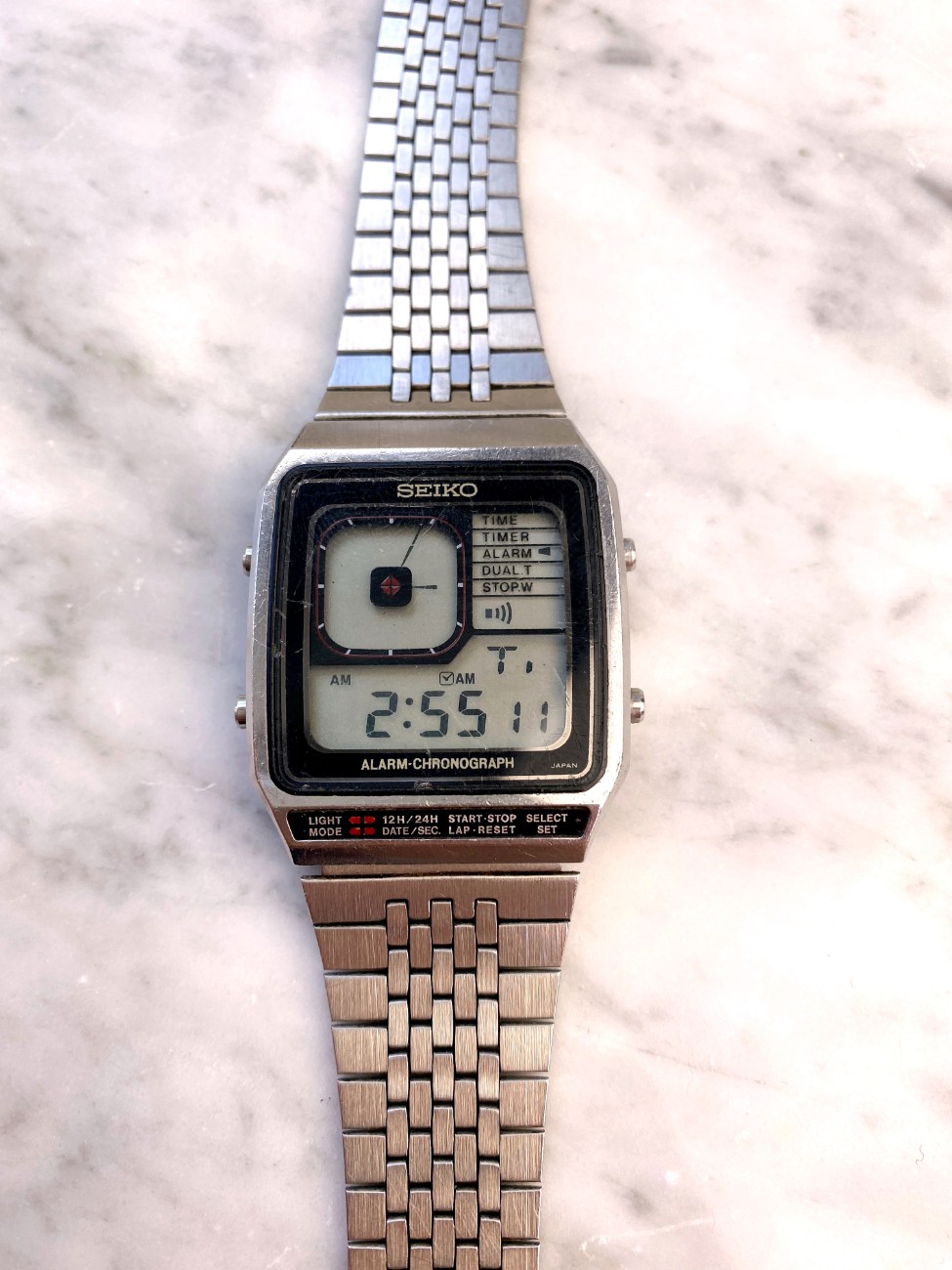
The film’s main watch looked standard, but Q Branch made it a radar that tracked a transmitter hidden in a Fabergé egg, with a red light moving around the perimeter. Its black horseshoe bezel and four corner screws became instantly recognisable.
Seiko Quartz Chronograph 7A28-7020 – A View to a Kill, 1985
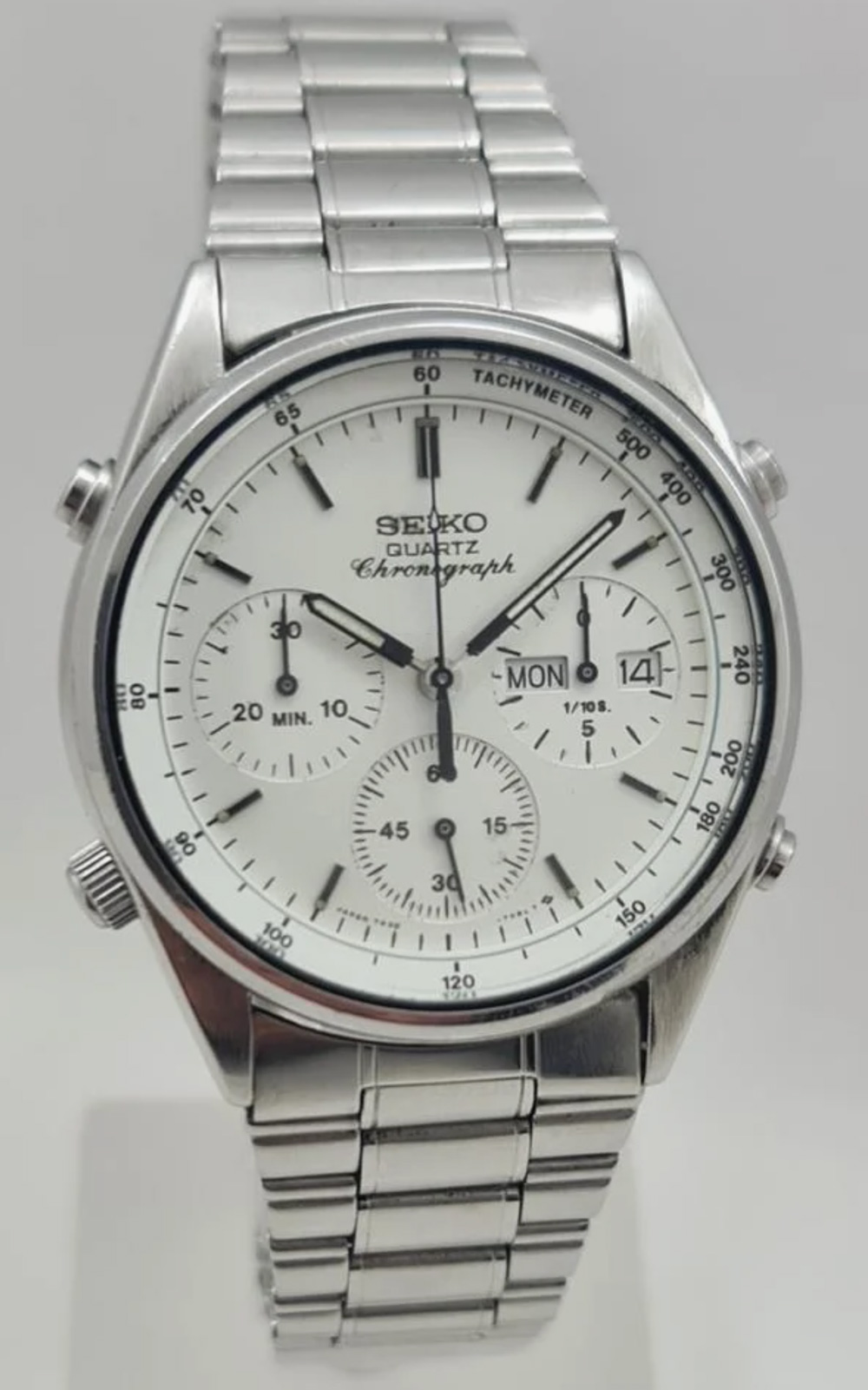
Seen in the pre-title sequence on a submarine, this was the world’s first analogue quartz chronograph. With 15 jewels and an all-metal gear train, it was serviceable for decades, and real militaries used it.