

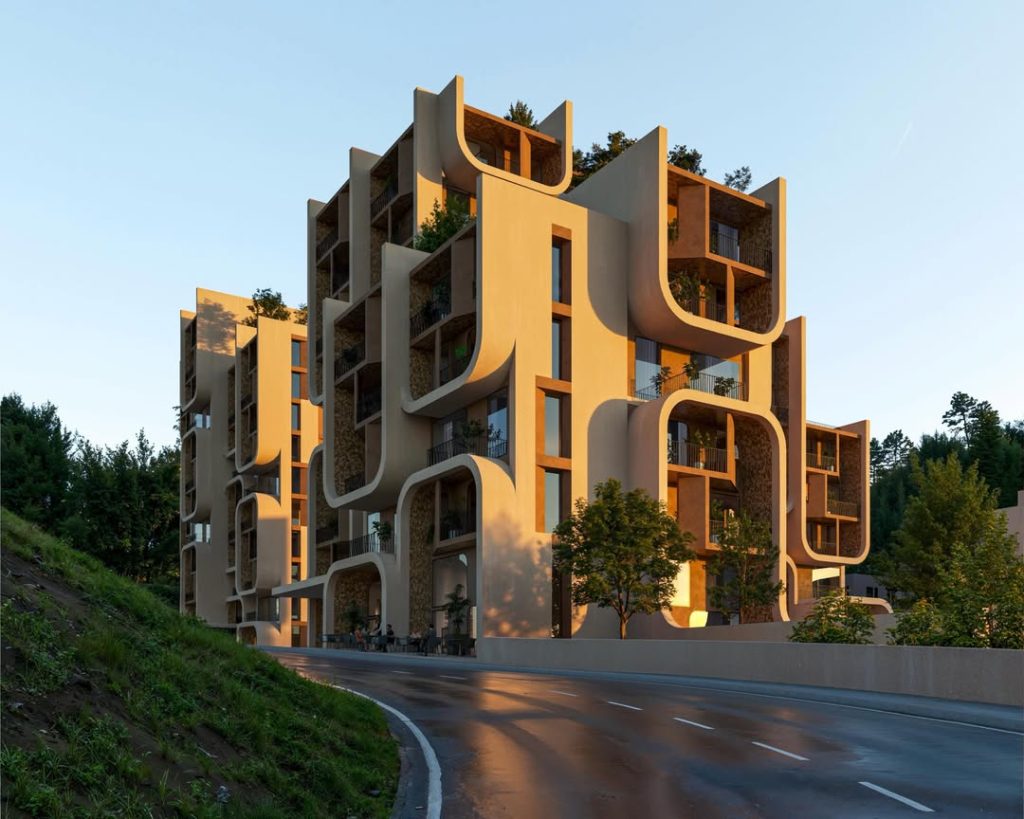
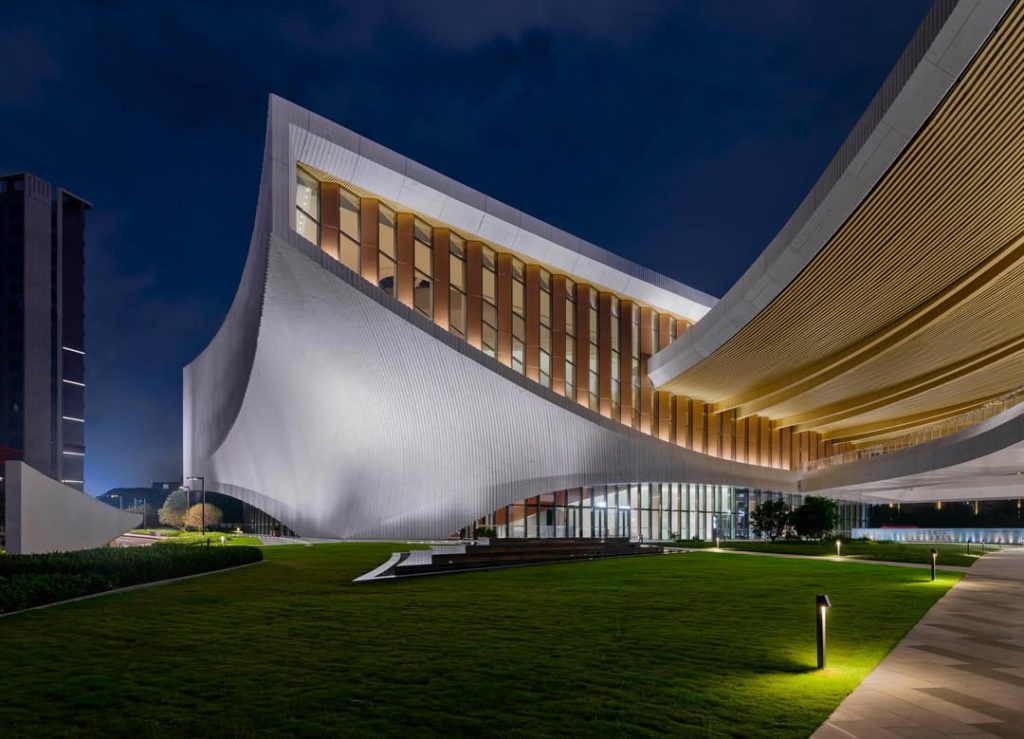
Architecture has always been a reflection of humanity’s ambition. The greatest buildings are not simply structures made from steel and concrete. They are ideas made visible. They challenge how people move, interact and experience the world around them. Few architects pushed that idea further than Zaha Hadid, whose revolutionary approach transformed architecture into something fluid, dynamic and almost alive. Her work broke away from traditional limitations, replacing rigid geometry with movement, curves and forms that appeared to defy gravity. Zaha Hadid did not simply design buildings. She changed the language of architecture and gave an entire generation of designers the confidence to experiment.
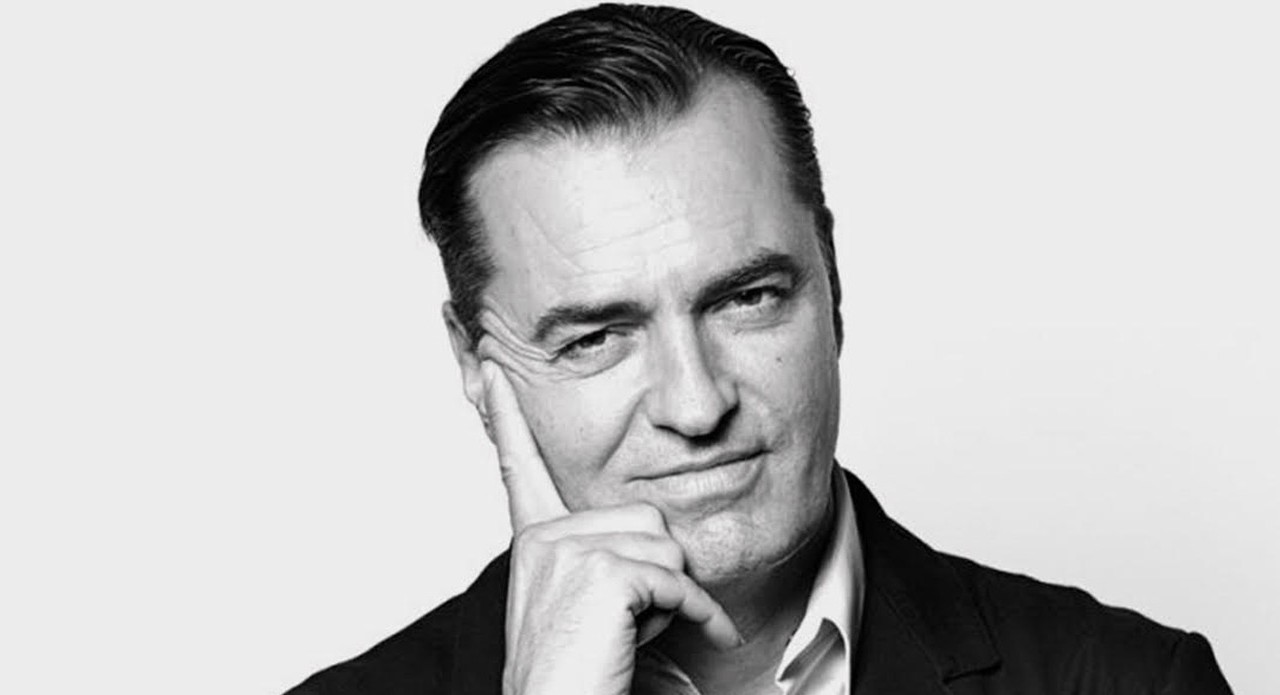
Today, that legacy continues through Zaha Hadid Architects, now evolving under the identity of ZHA. Leading this next chapter is Patrik Schumacher, Principal of ZHA and Chairman of the Employee Benefit Trust owning the practice. Having worked alongside Zaha since 1988, serving as a director since 1999 and later becoming one of the key figures shaping the global studio, Schumacher has played a central role in transforming ZHA into one of the world’s most influential architecture and design practices.
A Partnership That Shaped Modern Architecture
Patrik Schumacher’s journey with Zaha Hadid began decades before the practice became a global architectural force. Starting his collaboration with Zaha in 1988, Schumacher became deeply involved in developing the ideas, research and design philosophy that defined the studio. Over the years, he evolved from collaborator to design leader, becoming a director of ZHA when the practice was formally incorporated in 1999. Zaha later recognised Schumacher as a partner and credited co-author at ZHA, acknowledging his important contribution to the intellectual and creative development of the practice. Their partnership represented a meeting of two minds focused on the same ambition: expanding the boundaries of what architecture could become.
Also Read: Zaha Hadid’s Legacy: The Visionary Architect Who Transformed Modern Desert Mansions
Leading ZHA Into A New Era
After Zaha Hadid’s passing in 2016, Patrik Schumacher assumed leadership of the studio, taking responsibility for guiding one of the world’s most recognisable architectural practices. His role has centred around design leadership, ensuring that the experimental spirit established by Zaha continues while allowing the practice to evolve with a changing world. Today, ZHA operates as an employee-owned collective, shaped by nearly 500 architects, designers and creative professionals across global teams. The studio continues to build upon the culture of research, innovation and experimentation that became its foundation. The evolution into ZHA represents not a departure from Zaha Hadid’s vision, but the continuation of it.
Also Read: David Beckham And Victoria Beckham Sell Zaha Hadid-Designed Luxury Miami Penthouse For $25 Million
Recognised As A Global Architectural Voice
Patrik Schumacher has become one of the most recognised thinkers in contemporary architecture, urbanism and design. His contributions have earned international recognition, including the Royal Institute of British Architects’ Stirling Prize in 2010 alongside Zaha Hadid. He has also been an academician of the Berlin Academy of Arts since 2014 and remains involved with leading architectural organisations globally. In 2025, Schumacher was named laureate of the European Prize for Architecture by The Chicago Athenaeum and The European Centre for Architecture Art Design and Urban Studies. These recognitions reflect his influence not only as an architect but as a thinker shaping the future of cities.
The Future Built On A Radical Past
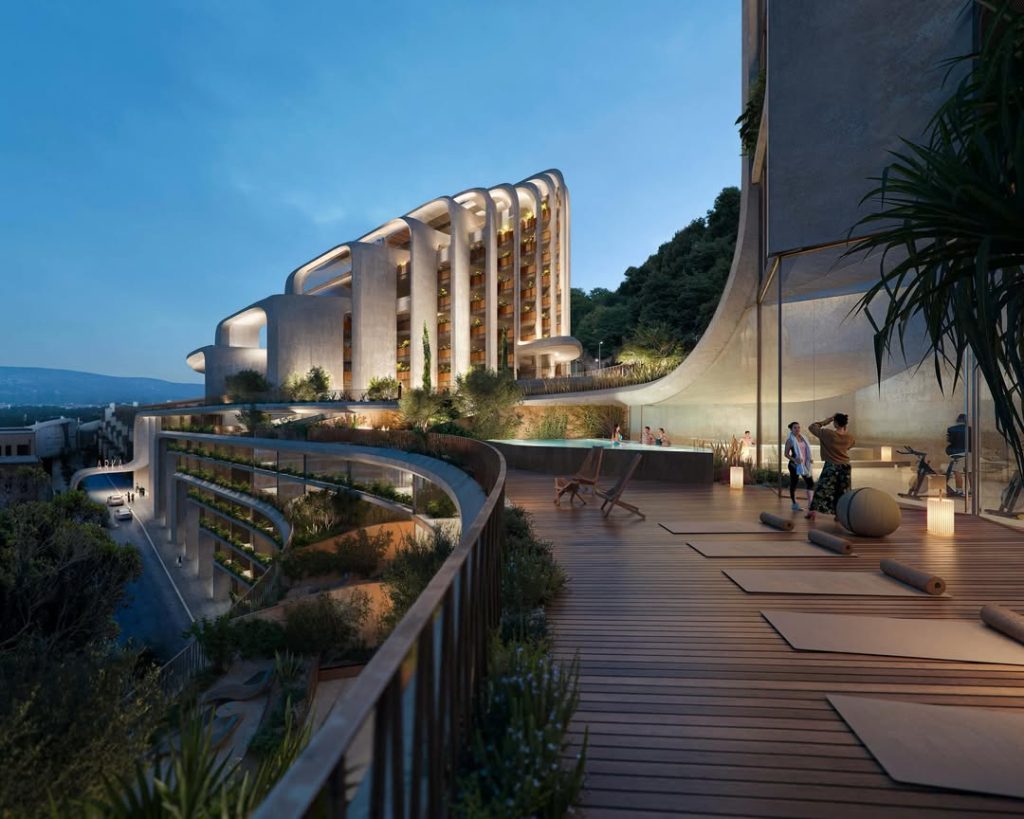
As the final projects led by Zaha Hadid approach completion nearly a decade after her passing, ZHA finds itself at a significant moment. It is both preserving a remarkable legacy and writing a new chapter. The practice remains committed to the same principles that defined Zaha’s work: curiosity, experimentation and the belief that architecture should continue to challenge expectations. Because the greatest architects do not simply create buildings. They create new ways of seeing the world.