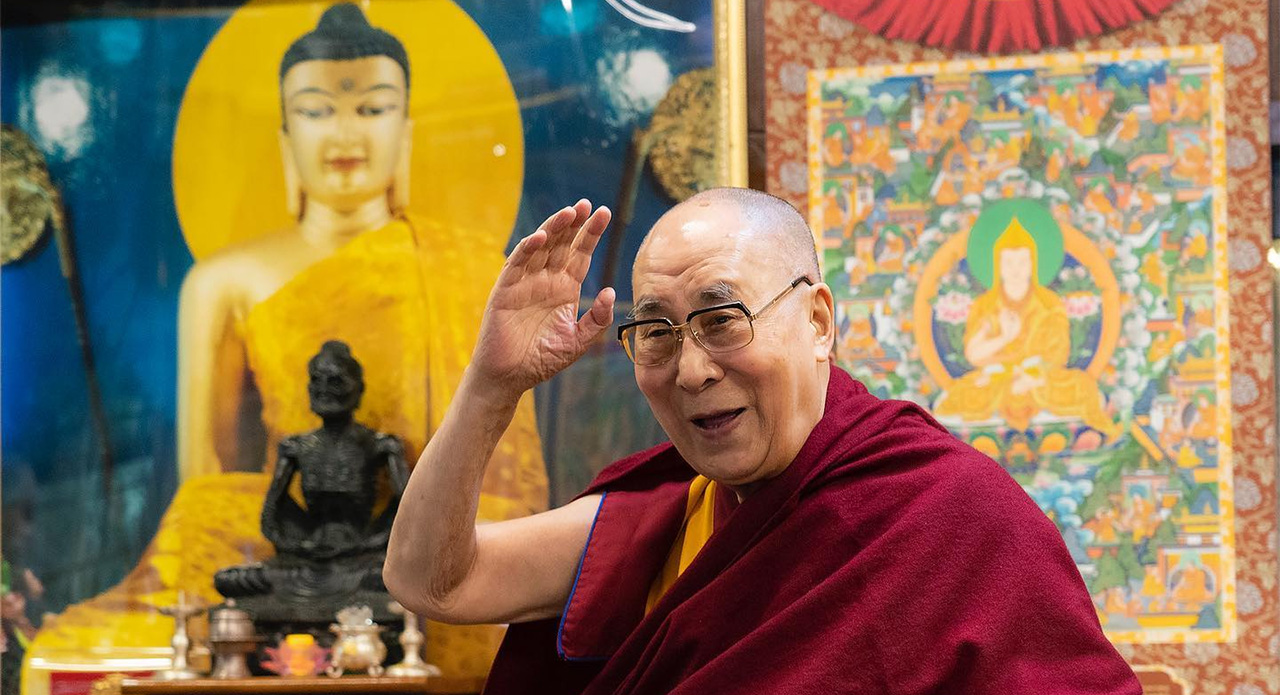


Are you feeling stuck in a crisis at all times? Do you feel trapped, overwhelmed, overstimulated and bombarded with bad news every day? Then, as per a Guardian report, we are living in a time of Polycrisis and you are not alone. In an age where everyone is feeling hyper anxious due to global economic and political instability, environmental crisis, the looming threat of wars, rising cost of living and job insecurity, the idea of a better future has become hazier.
However, spiritual leader, The Dalai Lama’s recent win at the 68th Grammy awards for his spoken word album, ‘Meditation: The Reflections of His Holiness the Dalai Lama’, feels like a respite in crisis. The Grammy-winning Dalai Lama album talks about peace, compassion, environmental responsibility, and the idea of shared humanity — ideas that have defined the spiritual leader’s public life for the last seven decades and even earned him the Nobel Peace Prize in 1989.
View this post on Instagram
What did Dalai Lama win Grammy for?
His album won the award for the category of Best Audiobook Narration and Storytelling Recording beating nominees such as Kathy Garver (Elvis, Rocky & Me: The Carol Connors Story), Trevor Noah (Into The Uncut Grass), Ketanji Brown Jackson (Lovely One: A Memoir), and Fab Morvan (You Know It’s True: The Real Story of Milli Vanilli) who were tough competitors. As the 90-year-old Lama wins his first-ever Grammy, it prompts viewers to wonder how he landed on music’s grandest stage!
Why did Dalai Lama win a Grammy 2026?
Released in August 2025, shortly after the Dalai Lama turned 90, ‘Meditations’ is not your traditional music album. It arrived during a reflective phase in Lama’s life and legacy. The project mixes the Dalai Lama’s spoken reflections with thoughtfully composed music, translating his decades of teachings into an introspective and deeply moving audio experience. The recordings shed light on building peace, love, unity and harmony in a fragmented world.
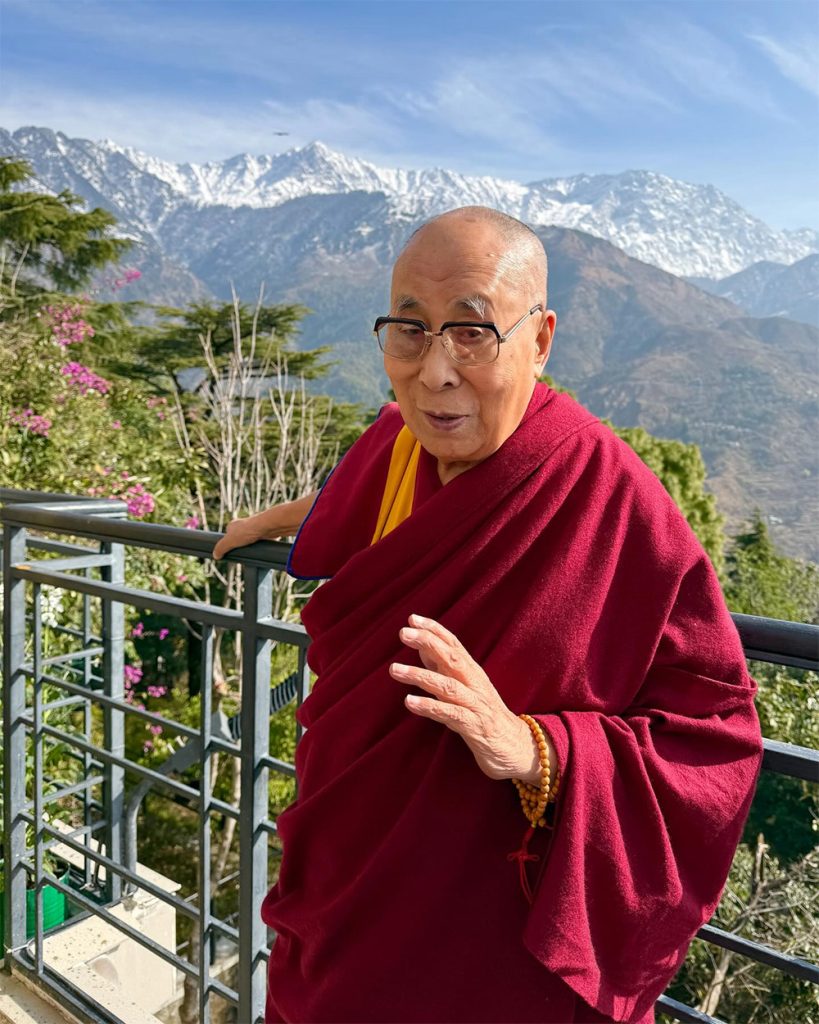
For instance, the track Water throws light on the environmental changes Lama has witnessed since growing up in Tibet, underlining the urgency of protecting natural resources. Another track, Peace, is based on the feeling of compassion, which is essential for not just spiritual wellbeing but for humanity’s sustainable survival. “I receive this recognition with gratitude and humility. I don’t see it as something personal, but as a recognition of our shared universal responsibility,” the Dalai Lama said in a statement, adding, “I firmly believe that peace, compassion, care for our environment, and an understanding of the oneness of humanity are essential for the collective well-being of all eight billion human beings. I am grateful that this Grammy recognition can help spread these messages more widely,” he said.
Indian classical music anchors much of the album as Lama has collaborated with Sarod virtuoso Amjad Ali Khan, and his sons Amaan and Ayaan Ali Bangash. They have worked closely on the compositions, lending both depth and continuity. “As a family, we would like to congratulate His Holiness the Dalai Lama on his Grammy nomination for Best Audio Book, Narration and Storytelling Recording. Our album “Meditation: Reflections of His Holiness the Dalai Lama” is a project close to our hearts. It brings together the spoken wisdom of His Holiness with original music that invites reflection, stillness, and compassion,” wrote Amjad Ali Khan in November last year in a Facebook post on the album’s Grammy nomination.
He added, “Throughout our lives we have been inspired by his (Lama’s) teachings, and this collaboration allowed us to create something that carries his message of peace and hope in a new way. Working with His Holiness was a profound privilege. We are grateful to every artist who contributed their voice, creativity, and spirit to this vision. Together we sought to create a listening experience that offers comfort, clarity, and a sense of connection for all who hear it.”
The album’s win is not a personal triumph, but a powerful way to introduce the Dalai Lama’s teachings and message of kindness amongst the audience.