

The morning light falls softly across a handwoven khadi sari, catching the tiny irregularities in its weave. There is something quietly beautiful about a fabric that does not try to look perfect. On October 2, as India marks Gandhi Jayanti and remembers Mahatma Gandhi, khadi returns to the conversation not merely as a symbol of the freedom movement, but as a textile that has found a place in contemporary Indian wardrobes.
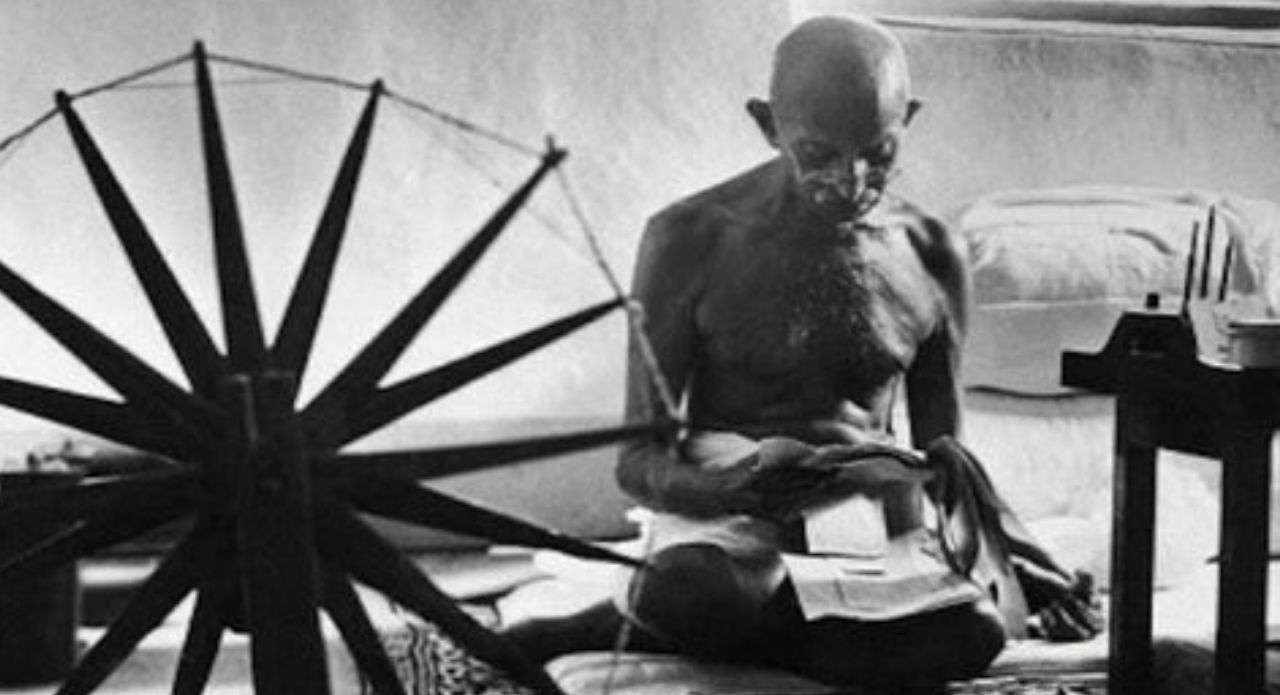
For Gandhi, khadi was never simply about clothing. The handspun and handwoven fabric became closely associated with the Swadeshi movement, self-reliance and resistance to British mill-made textiles. Gandhi promoted the charkha as both a practical means of spinning and a symbol of dignity of labour and economic independence. The fabric’s meaning, therefore, was always larger than fashion.
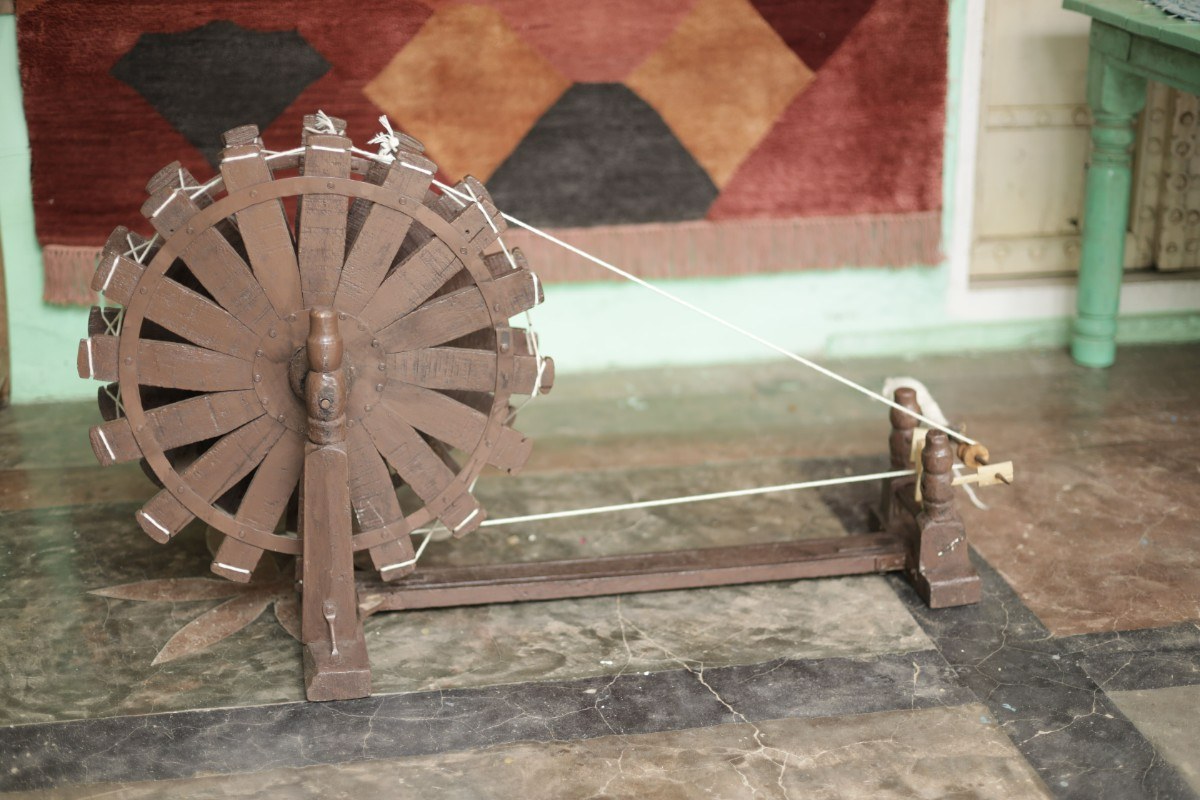
Freedom Translated to Fashion
The history of Khadi fabric is deeply woven into India’s modern history. Under the Khadi and Village Industries Commission (KVIC) definition, khadi is cloth woven on handlooms in India using handspun cotton, silk or wool yarn, or a combination of these. Its handmade nature gives the textile its characteristic texture and subtle irregularities.
Also Read: How Tata Trusts’ Antaran Is Giving Indian Handlooms a Modern Makeover
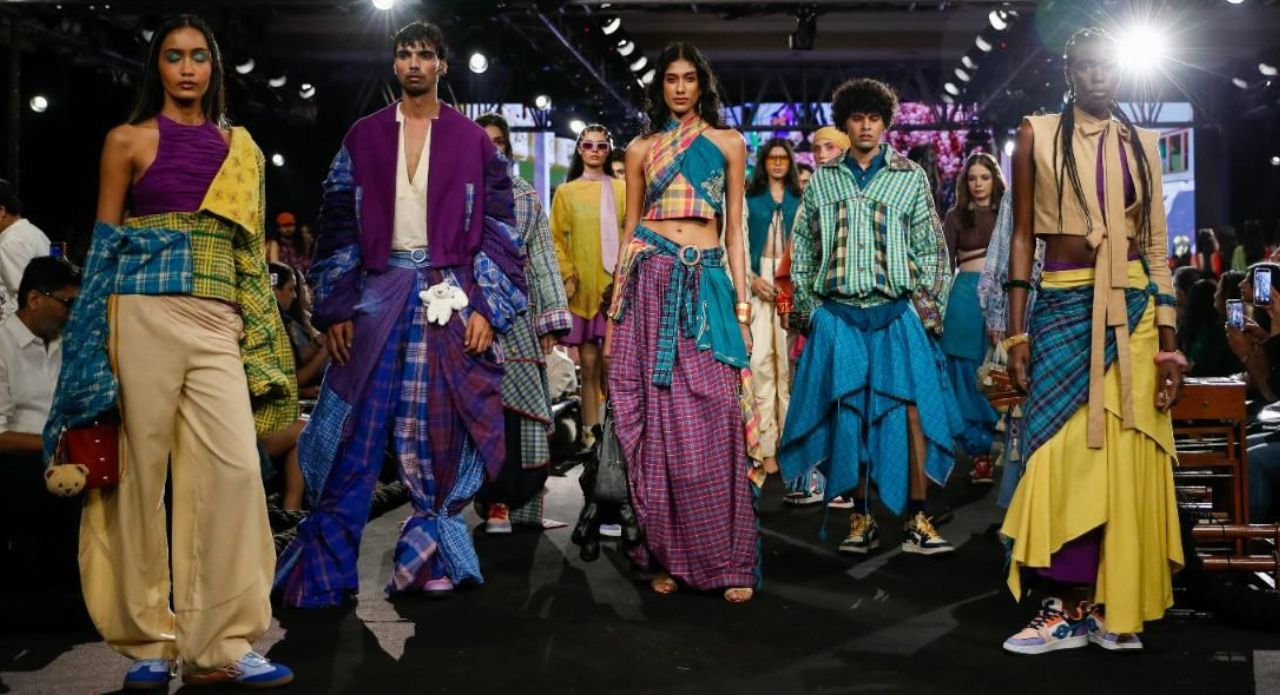
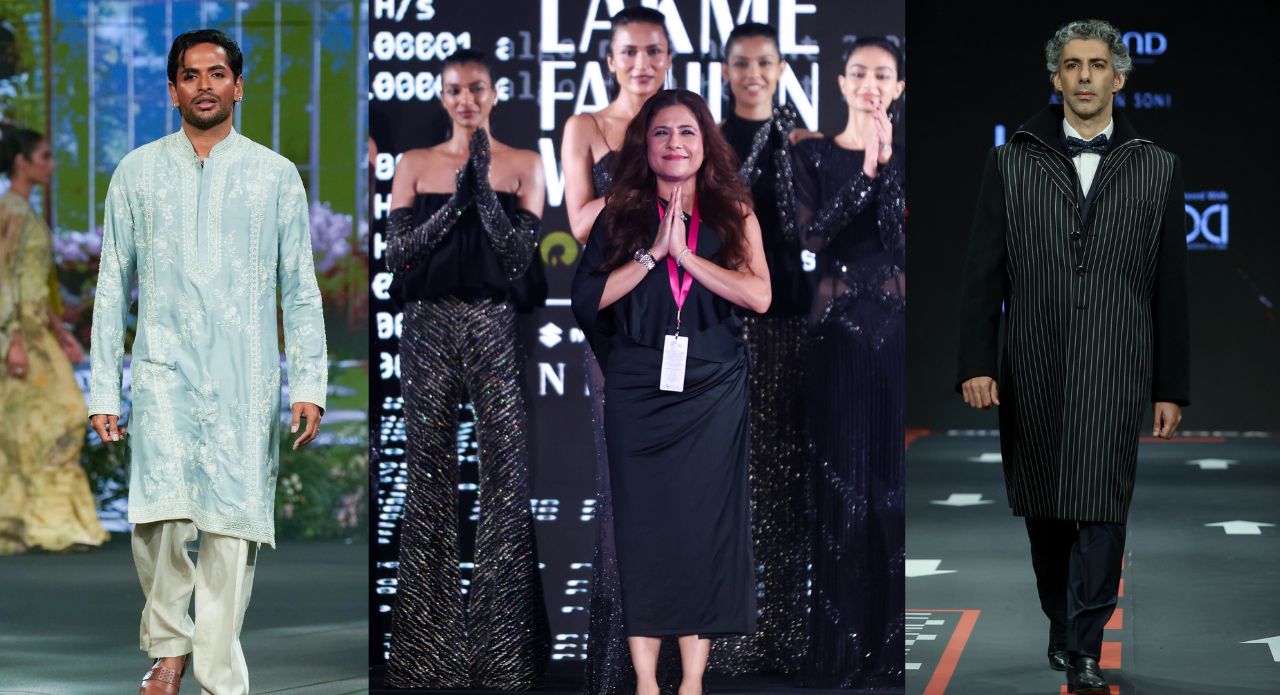
Over time, however, designers began looking beyond khadi’s familiar association with simple kurtas and political wardrobes. Ritu Kumar, Rohit Bal, Abraham & Thakore and Rajesh Pratap Singh have all interpreted khadi through contemporary fashion, while Sabyasachi Mukherjee and Anavila Misra have brought the textile into more elevated wardrobes. Contemporary labels including 11.11, Beej and Maku Textiles have continued to experiment with the material.
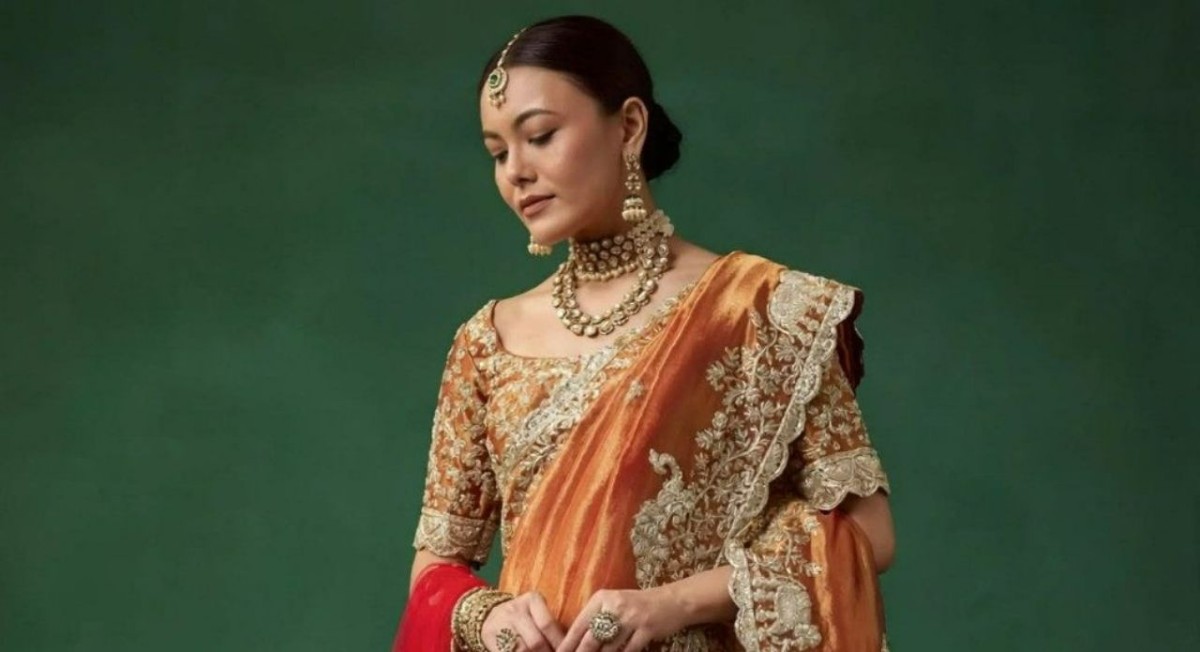
The result is a quieter kind of transformation. Khadi can now appear as a sharply tailored jacket, an embroidered bridal ensemble, a fluid sari or a contemporary separates collection. The fabric remains recognisable, but its context has changed.
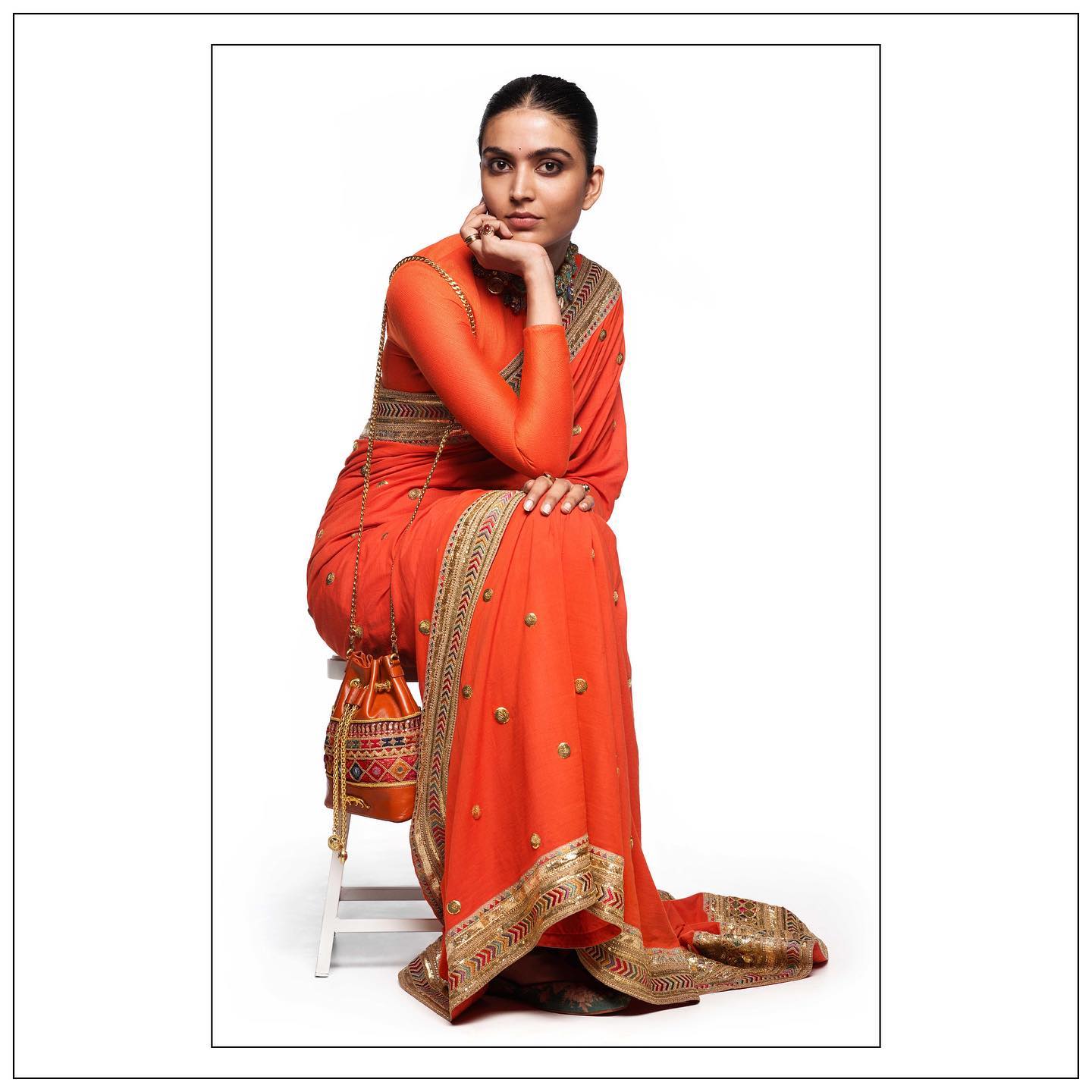
Luxury of Khadi
What makes Khadi in sustainable luxury fashion particularly compelling is that its value does not depend on looking extravagant. Its appeal lies in the human hand behind every metre. Designers have played with colour, embroidery, tailoring, texture and surface treatments to move the fabric comfortably into the language of Indian luxury fashion.
Sabyasachi has explored khadi in bridal and occasion wear, while Anavila has worked extensively with finely woven khadi saris and contemporary silhouettes. Abraham & Thakore have approached it through textile experimentation, and Rajesh Pratap Singh has explored its possibilities through modern tailoring.
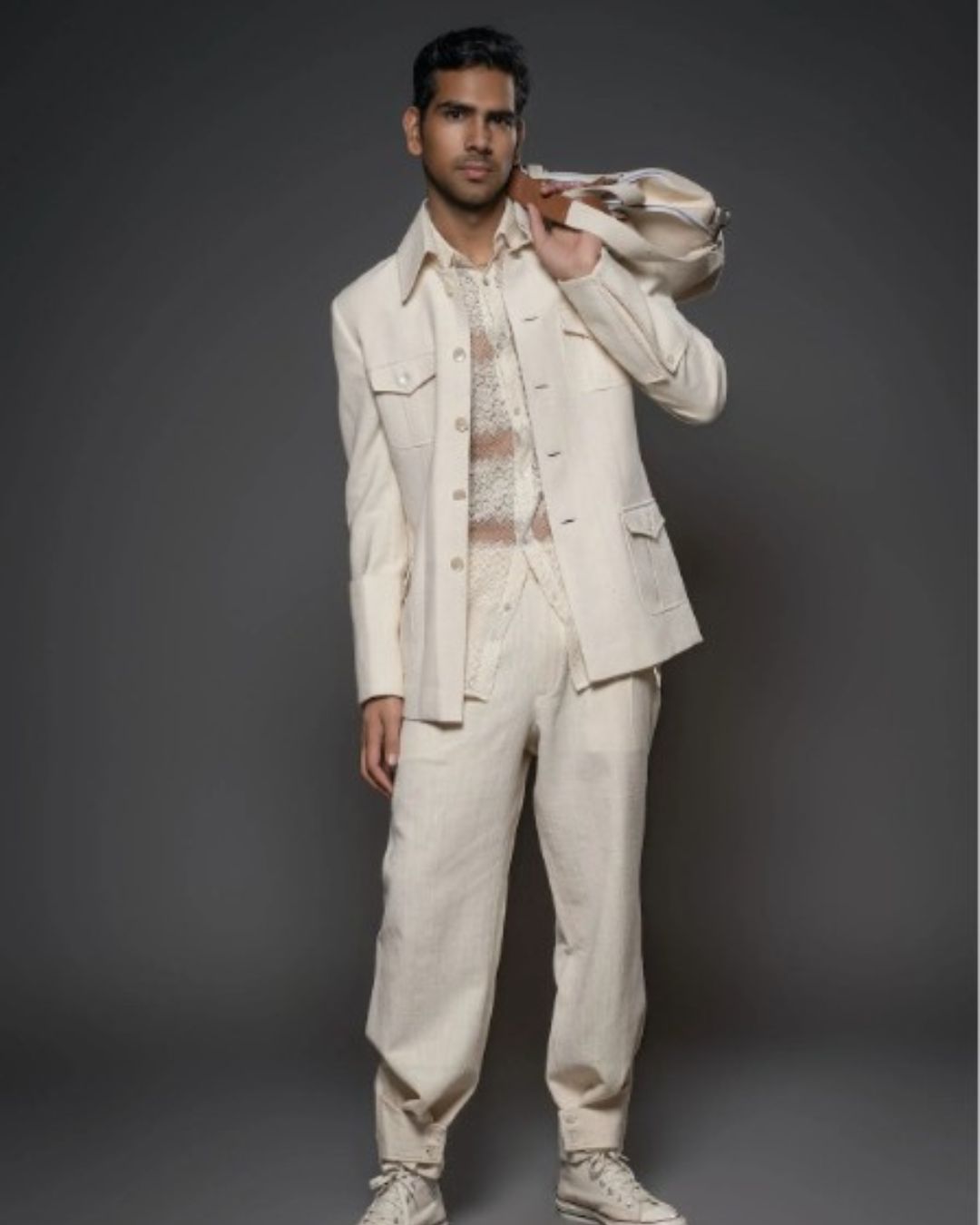
Rohit Bal, too, was among the designers who helped push khadi beyond conventional silhouettes.
That evolution also reflects a broader interest in luxury Indian textiles where craftsmanship, provenance and time spent making the fabric matter as much as the finished garment. Khadi’s handspun, handwoven character gives each piece a sense of individuality that mass-produced textiles cannot quite reproduce.
Also Read: PM Modi’s Independence Day Look Is A Lesson In India’s Textile Luxury
What began as a fabric closely tied to India’s struggle for independence has consequently acquired a new place in the wardrobe. On Gandhi Jayanti, khadi can still be read as a symbol of history and self-reliance, but in the hands of India’s designers, it has also become something more tactile, considered and quietly luxurious.