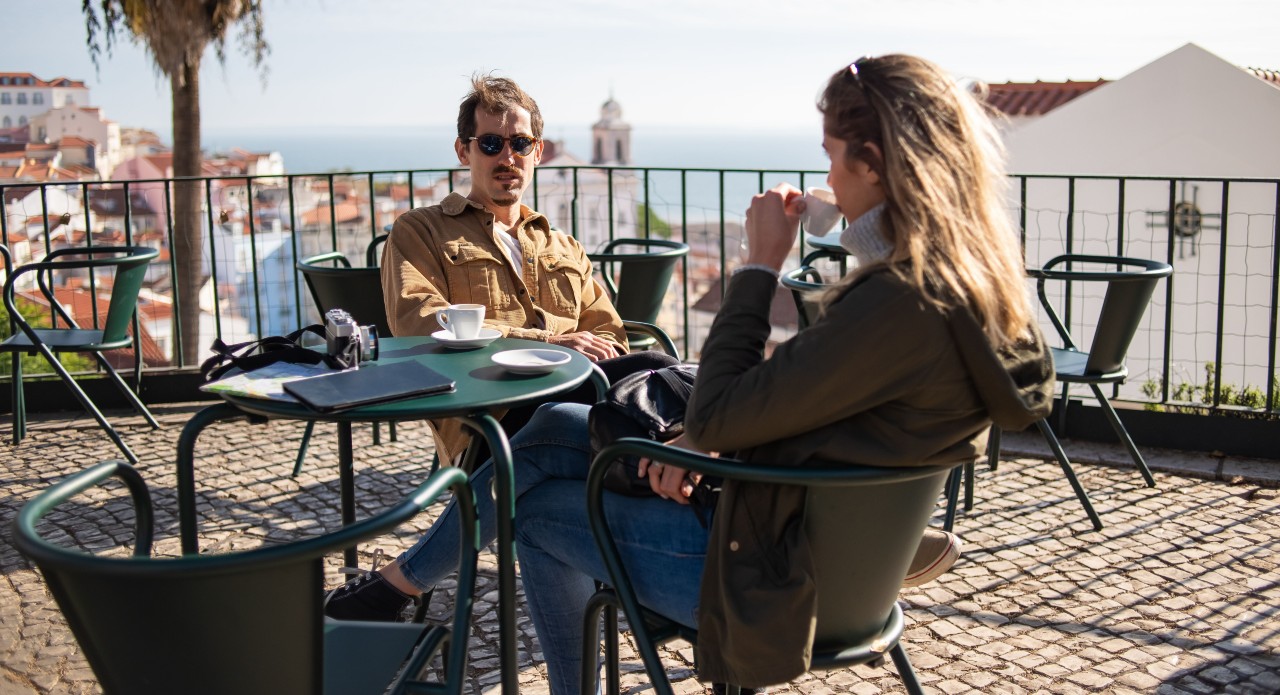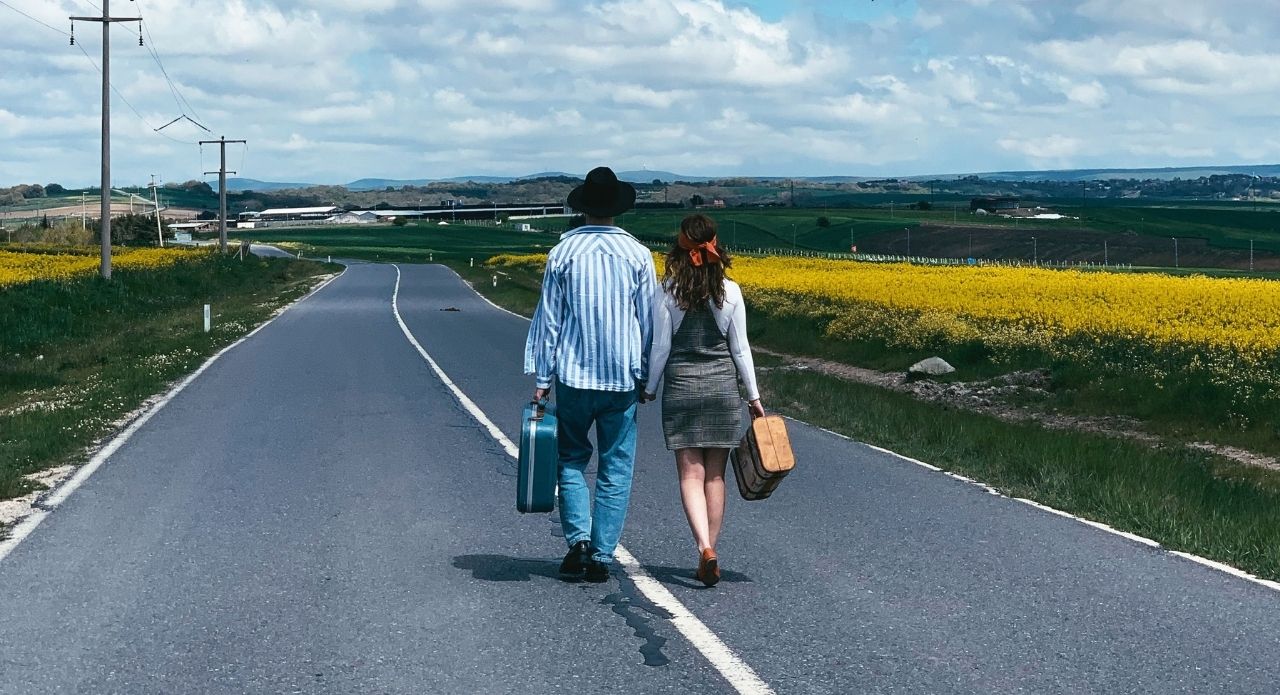


The best trips people take are rarely the ones with a pressure-mounting deadline or a to-do list attached. Nobody wakes up at 3am remembering the seventh city on a ten-day itinerary. What stays with them is the light on a terrace at 6pm, the three-hour lunch nobody rushed, the morning with nothing on the agenda. Those unscheduled moments, not the stamps in a passport or the highlight reel for social media, are what people are now paying handsomely to get more of.
This isn’t just a passing preference, it’s a real shift in what luxury is expected to deliver. Turndown service, a packed concierge itinerary, a room booked out for every hour of the day, that used to be the whole point. Now it’s the opposite. What guests actually want is harder to manufacture: silence, an afternoon that belongs to no one but them, the sense that nothing on the calendar needs their attention. The best properties have quietly stopped selling experiences and started selling the absence of them.
Time as Currency
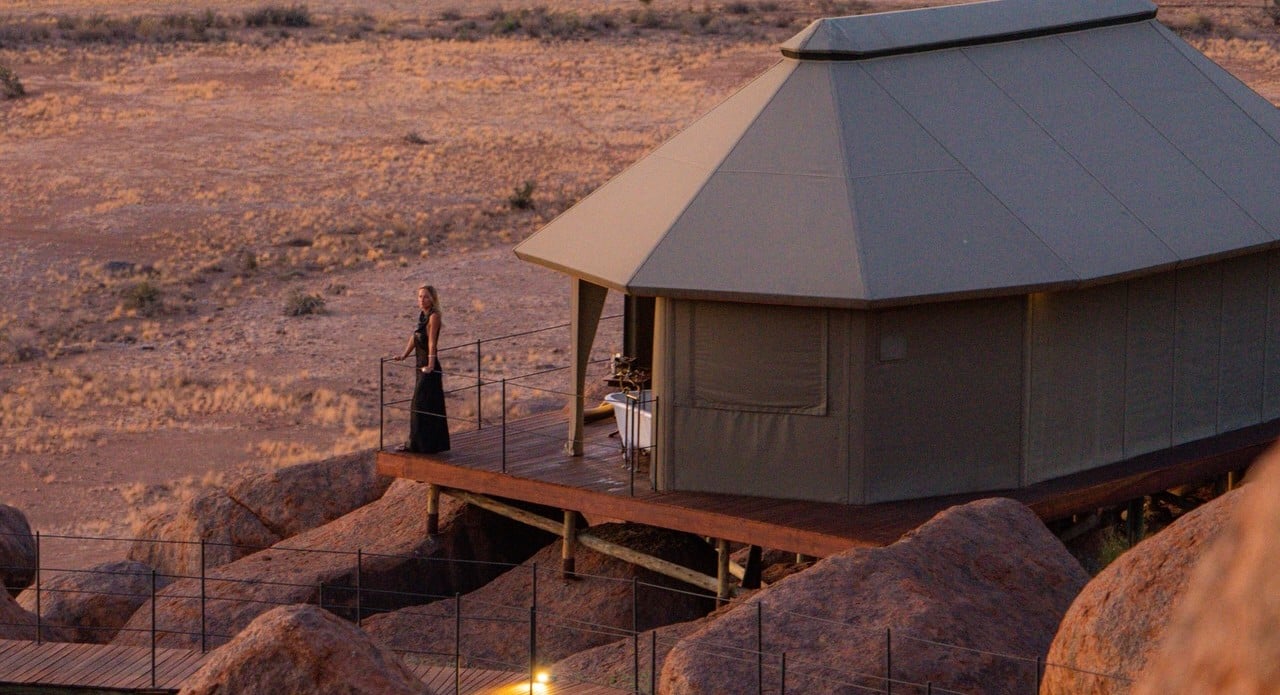
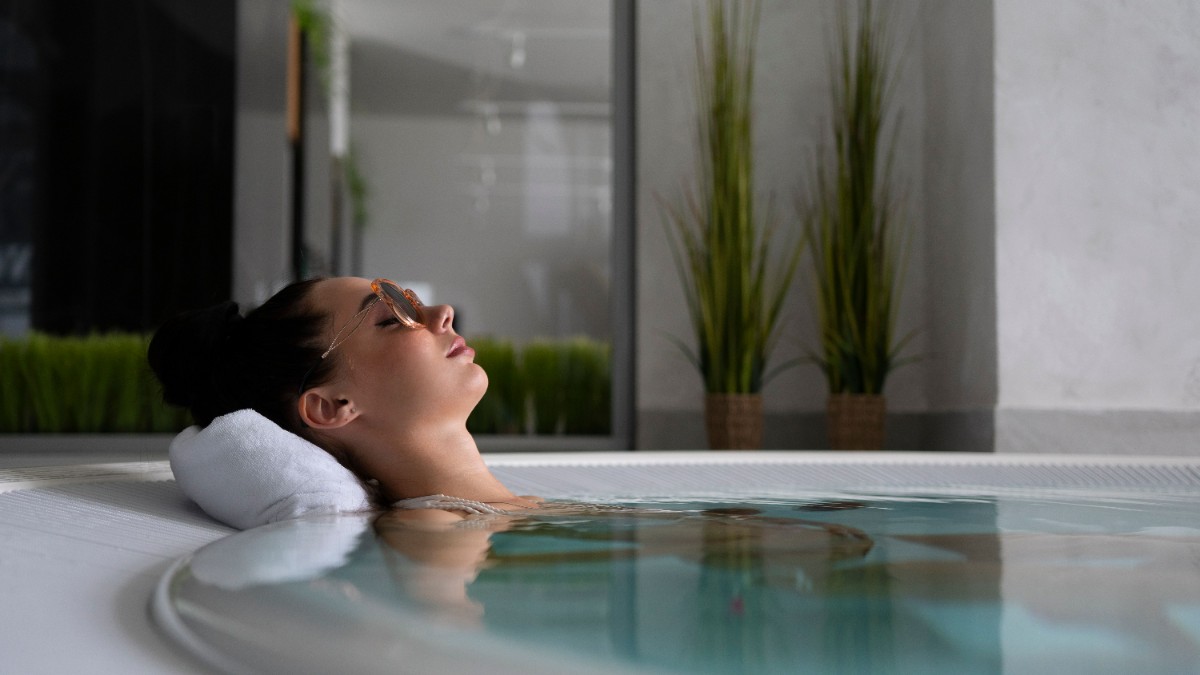
Hotel groups have noticed. Extended-stay suites with kitchens, private gardens, and no turnover pressure are replacing the whirlwind five-city European tour. Restorative retreats built around circadian rhythm resets, forest immersion and unhurried spa rituals are booking out months in advance, often at price points steeper than conventional five-star packages. The premium isn’t for more amenities; it’s for fewer interruptions.
Wellness retreats built for genuine relaxation rather than performative self-improvement sit at the heart of this recalibration. Instead of dawn boot camps and back-to-back treatments, properties are designing single-focus stays: one destination, one intention, weeks rather than days. The itinerary itself has become the indulgence to avoid.
Depth over Distance
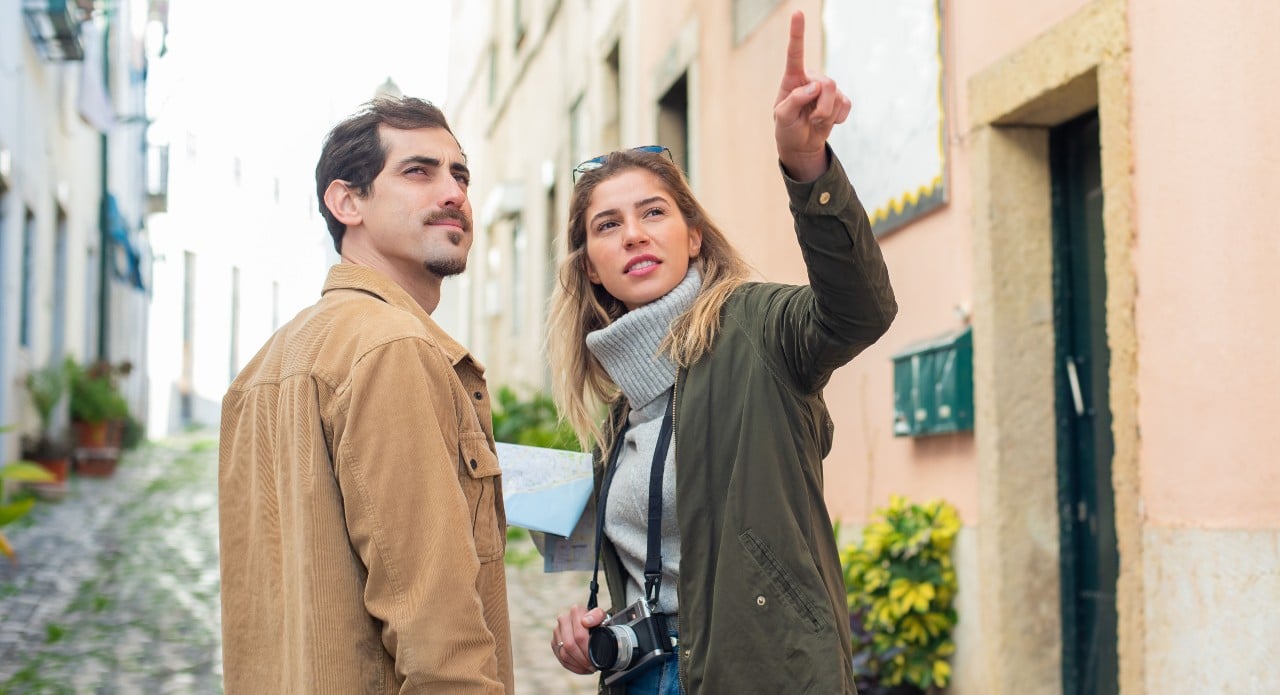
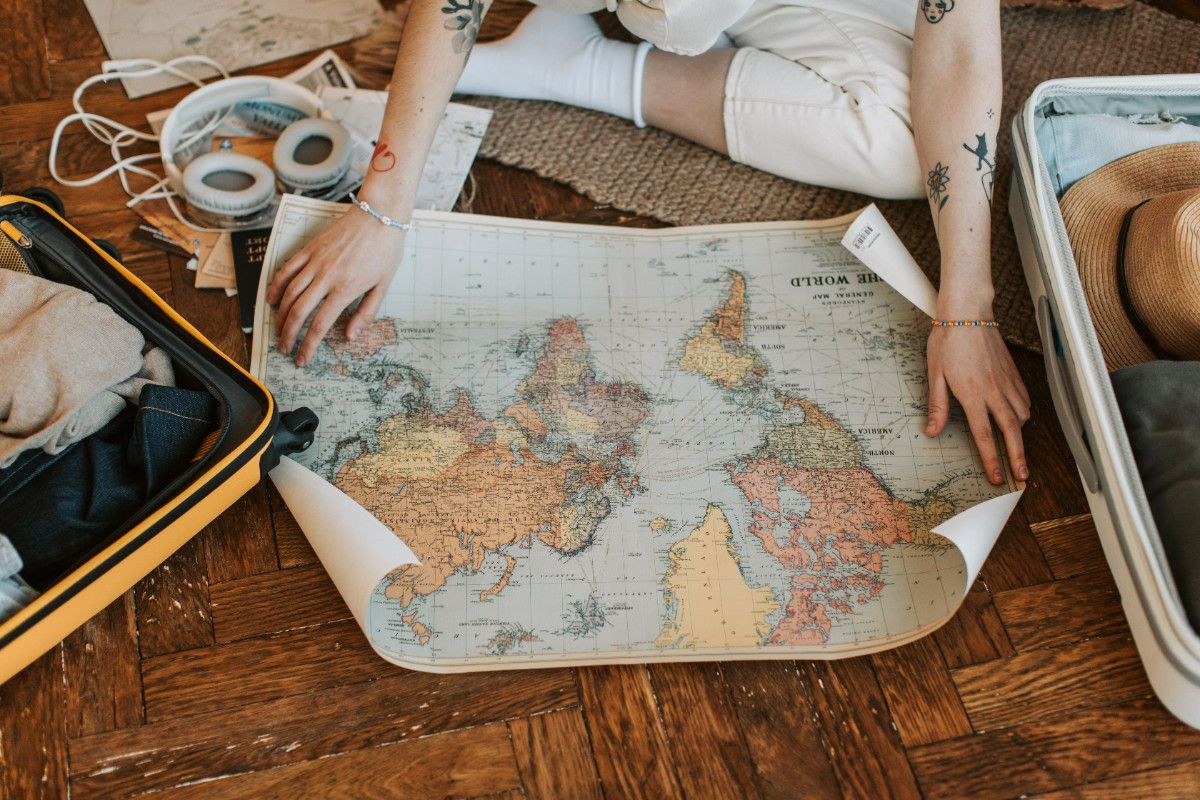
This is where slow travel diverges from its predecessor. Traditional luxury travel prized visibility, such as trophy destinations, exclusive access, the bragging rights of having “seen” a place. Slow travel prizes intimacy instead: returning to a coastal town for the third year running, learning a chef’s name, understanding a landscape’s seasons rather than its highlight reel.
Also Read: Why Nature Is Becoming Luxury Wellness’s Most Valuable Amenity
Industry forecasts for 2026 point to this becoming the dominant current in high-end tourism, with operators redesigning portfolios around longer minimum stays and deliberately empty calendar days. It signals something larger about how affluence is being redefined, not as access to everything, but as permission to want less at once.
Hera are some of the addresses for slow travel in India.
Six Senses Vana, Dehradun
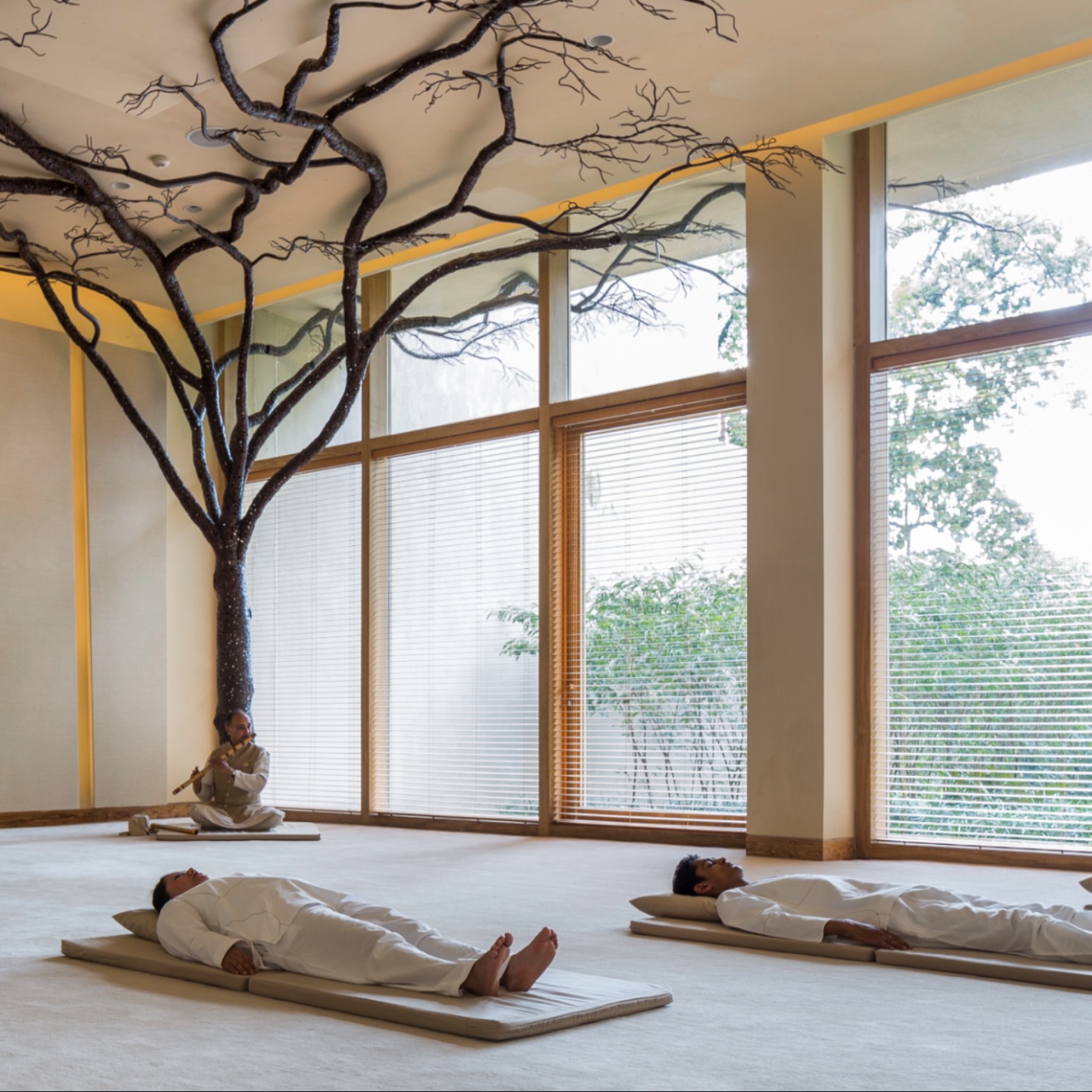
Hidden in 21 acres of protected sal forest at the foothills of the Himalayas, Vana is built entirely around intention-led stays of five to twenty-one nights. Ayurveda, Tibetan medicine, and yoga combine under personalised wellness plans, while phone use is confined to guest rooms, keeping the retreat’s rhythm deliberately unhurried and screen-free.
The Leela Coorg Forest Sanctuary, Karnataka
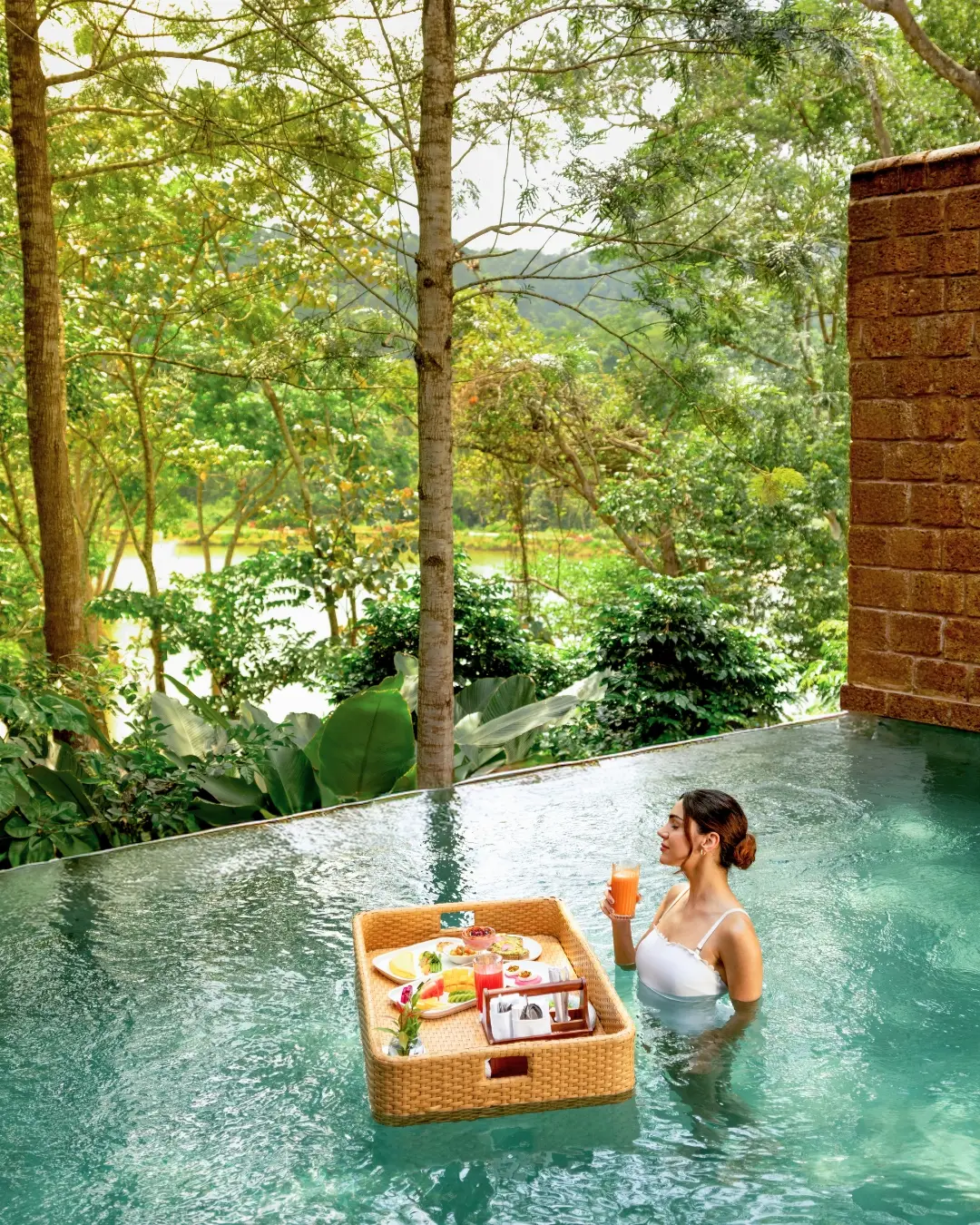
Spread across 76 acres of coffee plantation wrapped around a seven-acre lake in the Western Ghats, the Sanctuary’s “Whispers of the Forest” stay is built for guests who want to move at their own pace. Flexible breakfast timings, guided plantation walks, and forest bathing sessions replace any fixed schedule, with Aujasya wellness cuisine and spa rituals rounding out the reset.
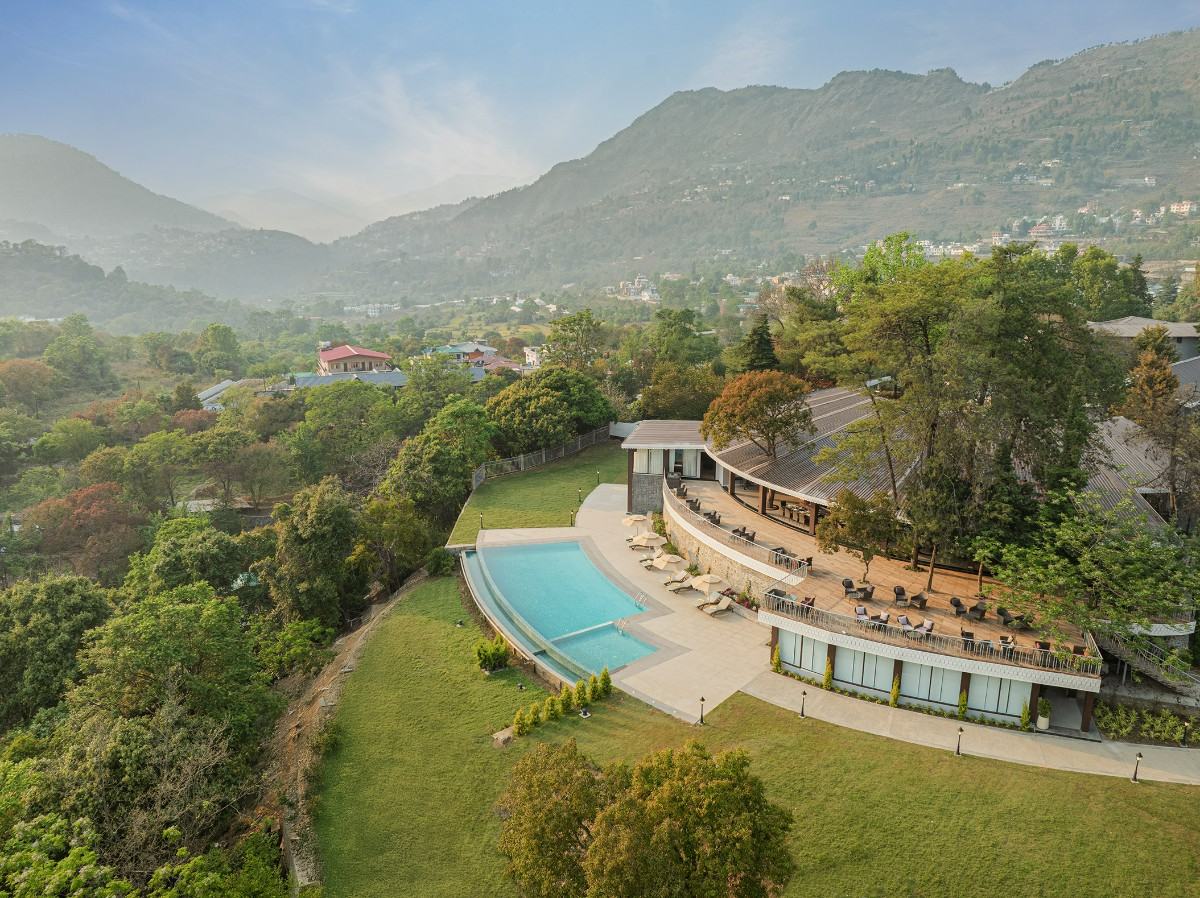
Naukuchia House – IHCL SeleQtions, Uttarakhand
Perched at 4,000 feet amidst oak and pine forests beside Naukuchiatal Lake, the property curates low-impact experiences rooted in nine natural elements. Guided forest bathing, Himalayan singing bowl sessions, and stargazing anchor the stillness, while reflective trails lead to the sacred Ghanta Devi Temple. At Ija, a 20-mile sourcing radius shapes dishes rooted in Kumaoni heritage.
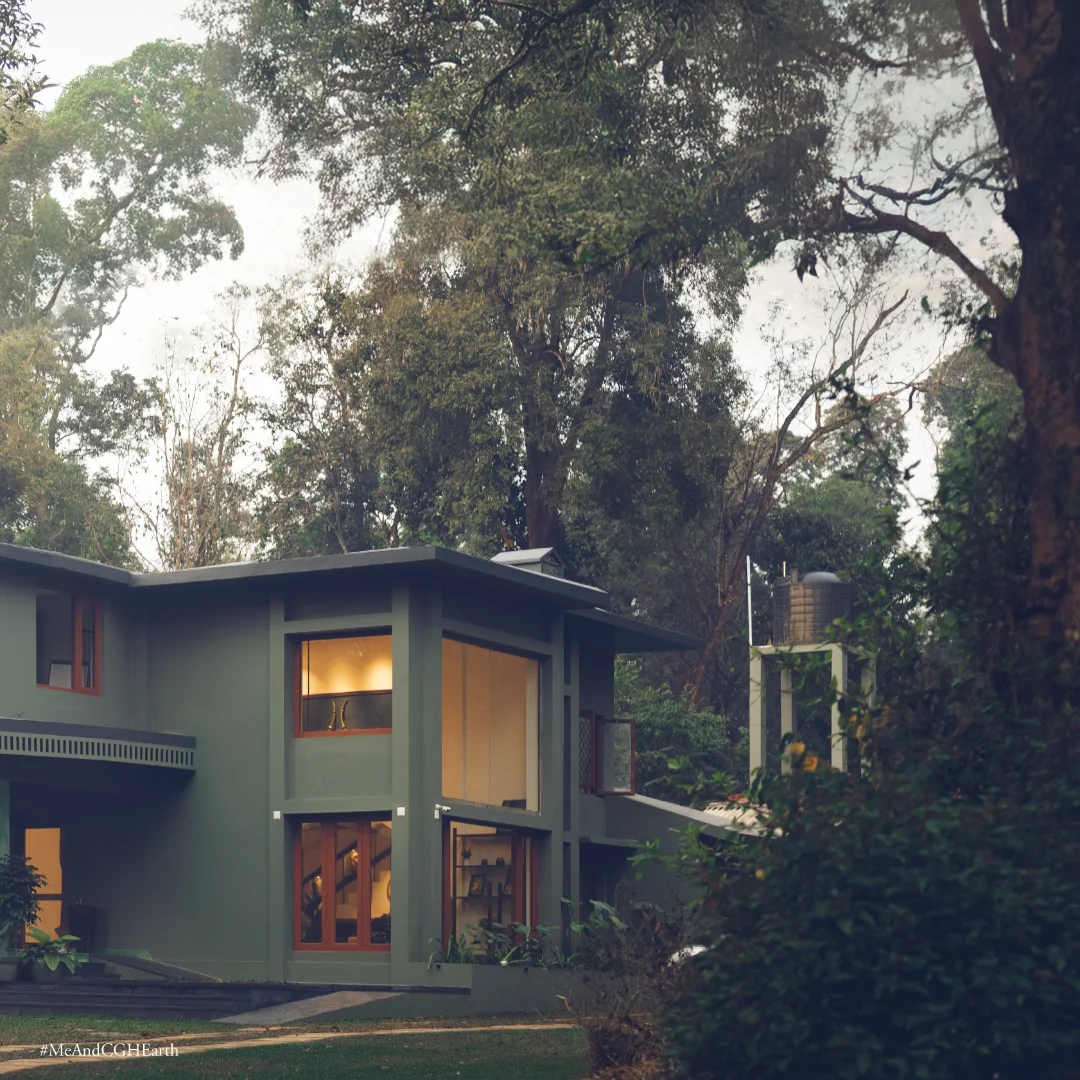
Marari Beach – CGH Earth, Kerala
Set in a coconut grove behind an untouched fishing village on the Alappuzha coast, Marari trades spectacle for continuity, returning guests often find the same boatman, the same cottages, the same kitchen staff. Days unfold around barefoot beach walks, organic Kerala cuisine, and Ayurvedic therapies guided by resident vaidyas, with village life just beyond the garden wall.
Also Read: How Intentional Travel is Redefining Luxury Through Wellness and Cultural Experiences
Travellers who have run out of new places to conquer are discovering that slowness might be the only real novelty left. What luxury now promises isn’t more of the world seen faster, but a smaller corner of it, finally felt.