

There was a time when factories were loud, chaotic places filled with sparks, steel, and a man shouting across the floor while someone else hit a machine with a wrench and hoped for the best. Today, the world’s most advanced factories look nothing like that. They are cleaner, quieter, and far more intimidating because the people have largely stepped aside and the machines have taken over. Robotic arms move with surgical precision, artificial intelligence predicts failures before they happen, and entire production lines operate with such efficiency that human error feels almost prehistoric. These are not simply factories; they are industrial ecosystems where algorithms make decisions, autonomous systems handle logistics, and production never really sleeps. From electric vehicles and semiconductors to smartphones and aerospace-grade components, the most valuable products on earth are now being built inside facilities that feel closer to science fiction than manufacturing. Some can produce a car every few seconds, others create chips so precise they operate at microscopic levels impossible for the human hand. In a world where speed, precision, and scale define success, automation has become the ultimate competitive advantage. Outlook Luxe takes a look at top 5 most automated factories in the world.
Fanuc, Japan
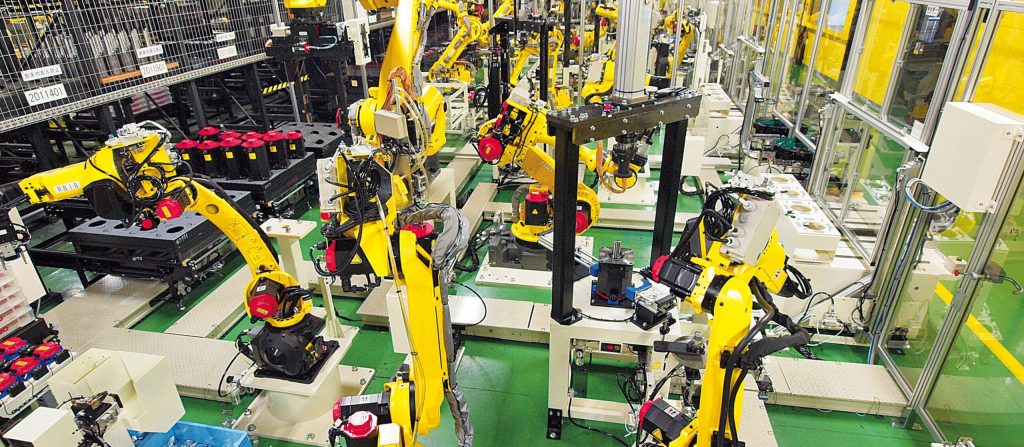
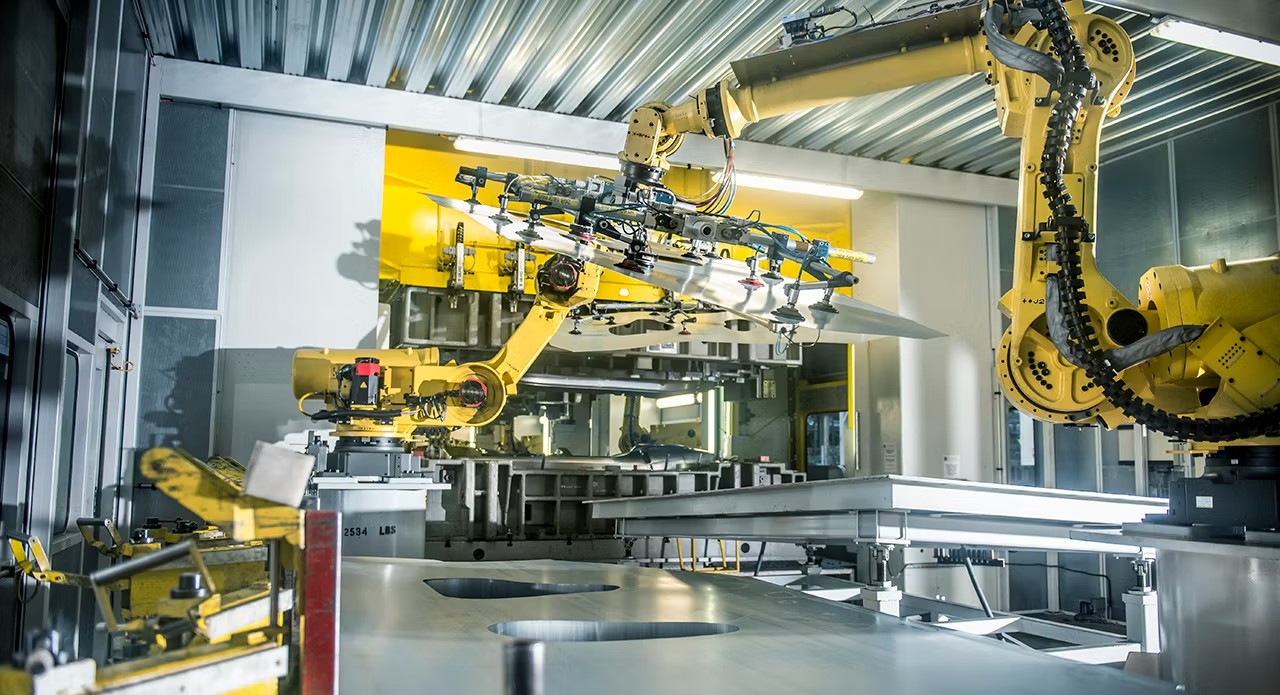
Founded in 1956 as part of Fujitsu before becoming independent in 1972, Fanuc is one of Japan’s greatest industrial success stories and one of the world’s most important names in factory automation. Based near Mount Fuji, the company is famous for building the robots that power other factories, supplying robotic arms, CNC systems, and automation solutions to automotive, electronics, and heavy manufacturing industries worldwide. Its own “lights-out factory” in Oshino is legendary because robots build robots with minimal human intervention, operating for weeks at a time without stopping. Machines assemble servo motors, controllers, and precision components with astonishing consistency and speed. Fanuc does not simply use automation—it manufactures automation itself, making it one of the purest examples of what a fully autonomous industrial future looks like.
Tesla, China
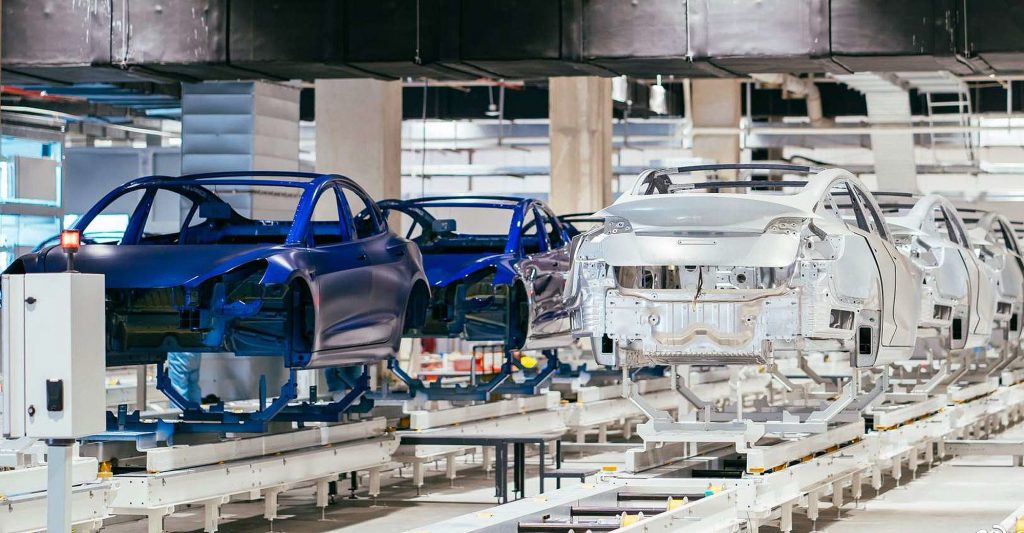
Tesla’s Gigafactory Shanghai is perhaps the most famous symbol of modern automation. Built in record time between 2018 and 2019, it became Tesla’s first wholly owned factory in China and remains one of its most productive facilities globally. Producing the Model 3 and Model Y, the plant has a capacity exceeding 750,000 vehicles annually. Reports suggest automation levels reach around 95 percent, with welding and assembly sections nearing complete robotic operation. A new car can roll off the line roughly every 30 seconds. The factory’s precision, speed, and efficiency have become known as “Tesla speed,” making it one of the most advanced automotive plants in the world and a benchmark for the future of EV manufacturing.
Siemens, Germany
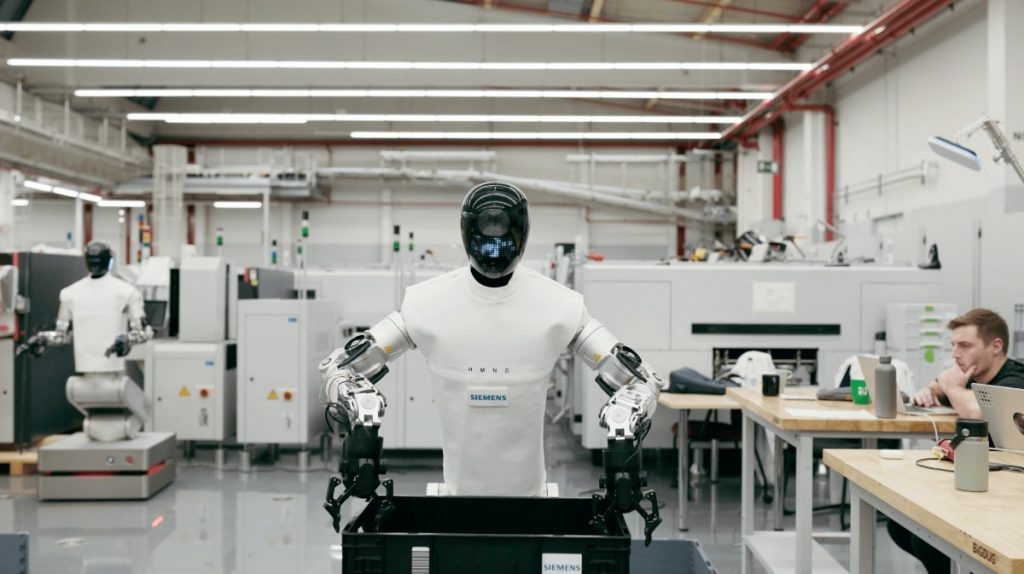
Founded in 1847 in Berlin, Siemens has long been one of the world’s industrial giants, shaping everything from electrification to automation. Its Digital Native Factory concept represents the company’s boldest manufacturing leap yet. Rather than simply automating machines, Siemens created factories where digital twins, AI systems, and adaptive production work together from the very beginning. Every process is first simulated virtually before physical production begins. Its highly advanced facility in Nanjing became a World Economic Forum Lighthouse Factory for precisely this reason. With AI-led efficiency improvements and dramatically reduced production timelines, Siemens has shown that the factory of the future is not just robotic—it is entirely data-driven, predictive, and almost self-thinking in its operational logic.
Also Read: Charging Your Phone to 100% Daily? Here’s What It Does to Battery Health
Samsung Electronics, South Korea
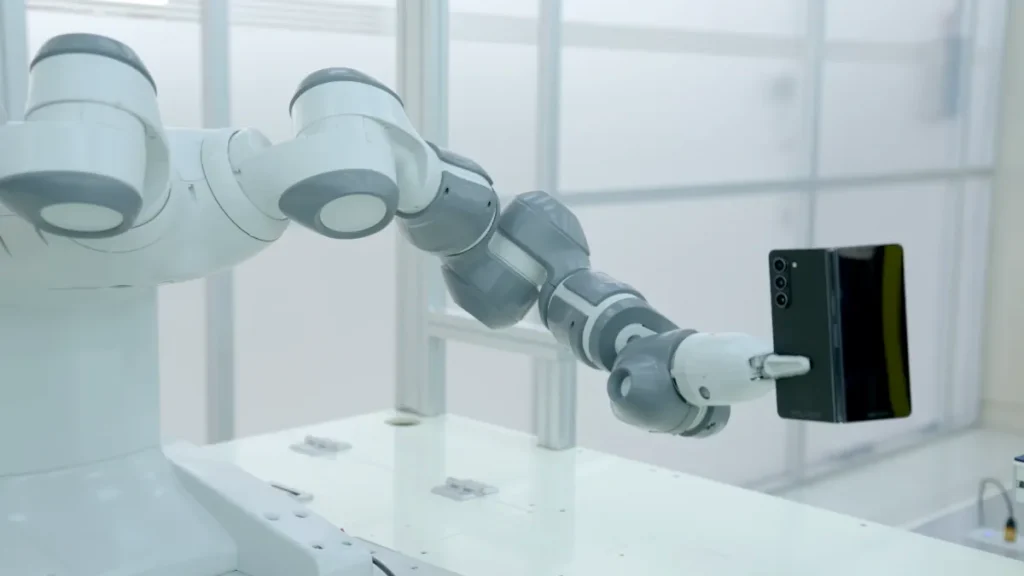
Samsung Electronics is not simply a technology brand; it is a manufacturing empire. Its semiconductor mega plants in South Korea are among the most automated facilities on earth, producing chips with tolerances so small they are almost invisible. Robotics, AI inspection systems, autonomous logistics, and digital twins already dominate production, but Samsung’s ambition goes further. The company has publicly stated its goal of transforming all manufacturing operations into fully AI-driven factories by 2030. This means intelligent production from raw material handling to final shipment. In an industry where microscopic errors cost millions, Samsung’s obsession with precision and automation has made its factories some of the most technologically sophisticated industrial spaces ever built.
Magna International, Canada
Founded in 1957, Magna International quietly became one of the world’s largest automotive suppliers without most people ever noticing. Behind the scenes, Magna builds critical systems for global carmakers across more than 300 factories worldwide. Its “unified factory” strategy focuses on AI-driven production where predictive maintenance, defect detection, autonomous material movement, and robotics work as one seamless network. Rather than relying on one mega-factory, Magna’s strength lies in synchronising automation across an enormous global footprint. The company uses machine learning not only for production efficiency but also for energy optimisation and workplace safety. It is less flashy than Tesla, but arguably just as important in defining how automotive manufacturing will function in the next decade.