

A watch that tells the date sounds like the least remarkable thing in the world, right up until you remember that months refuse to cooperate with a tidy 30-day rhythm, and that February, in particular, seems to exist purely to annoy watchmakers. Building a mechanism that can tell the difference between a 30-day month and a 31-day one, without a human ever touching the crown, is a genuinely difficult engineering problem, and it is one the watch industry has solved in two distinct ways: the annual calendar and the perpetual calendar. Both promise freedom from constant date-correcting. Only one of them actually delivers it indefinitely. Understanding the difference between these two mechanical watch complications is essential for anyone shopping in the upper tiers of horology, where the date window stops being a convenience and starts being a genuine flex of engineering ambition.
How Annual Calendar Watches Work
An annual calendar watch is built to correctly distinguish between 30-day and 31-day months for an entire year, automatically advancing the date without manual correction from March through to the end of February. Where it falls short is the one irregularity it cannot handle: it does not account for February’s short length, so once a year, typically at the end of February or the start of March, the wearer must manually advance the date by a day or two to keep it accurate. This is generally considered a fair trade-off, since it still spares the owner from monthly date-setting, and it makes the complication considerably more affordable and mechanically simpler than its perpetual sibling. Patek Philippe is widely credited with popularising the modern annual calendar, having patented the mechanism in 1996, and the complication has since become a staple across the mid-to-upper tier of Swiss watchmaking, prized for offering genuine convenience without the cost or fragility of a full perpetual mechanism.
Also Read: Decoding The Rolex Crown: What Its Markings Mean
How Perpetual Calendar Watches Work
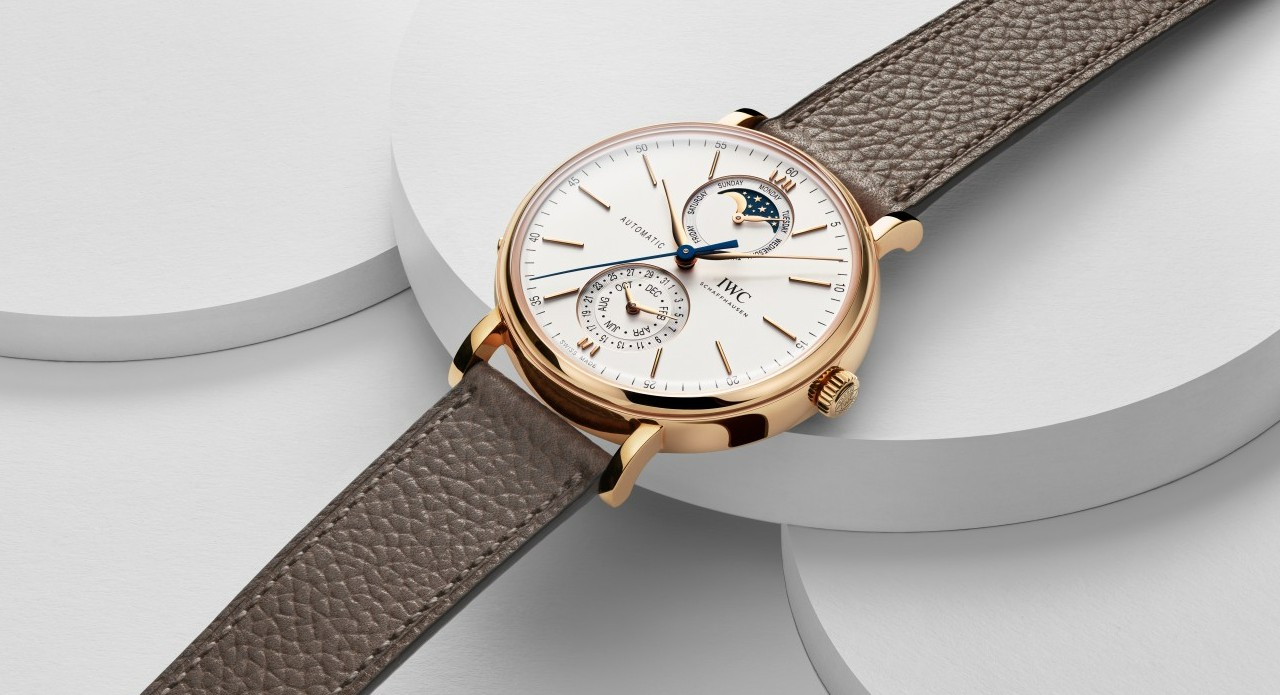
A perpetual calendar watch goes several steps further, correctly accounting for every month’s length, including February, and even recognising leap years, so the date, day and month all advance correctly without any manual intervention for decades at a time. The mechanism achieves this through a mechanical “memory” of the four-year leap cycle, typically built around a stacked series of cams and levers that track where the watch sits within that cycle and adjust February’s length accordingly. Left properly wound and running, a well-built perpetual calendar will not need correcting until the year 2100, the one exception the Gregorian calendar makes to its usual leap-year rule. This is precision engineering at its most theatrical: dozens of additional components, working in total silence, solving a problem most people never consciously notice.
Annual vs Perpetual: The Key Difference
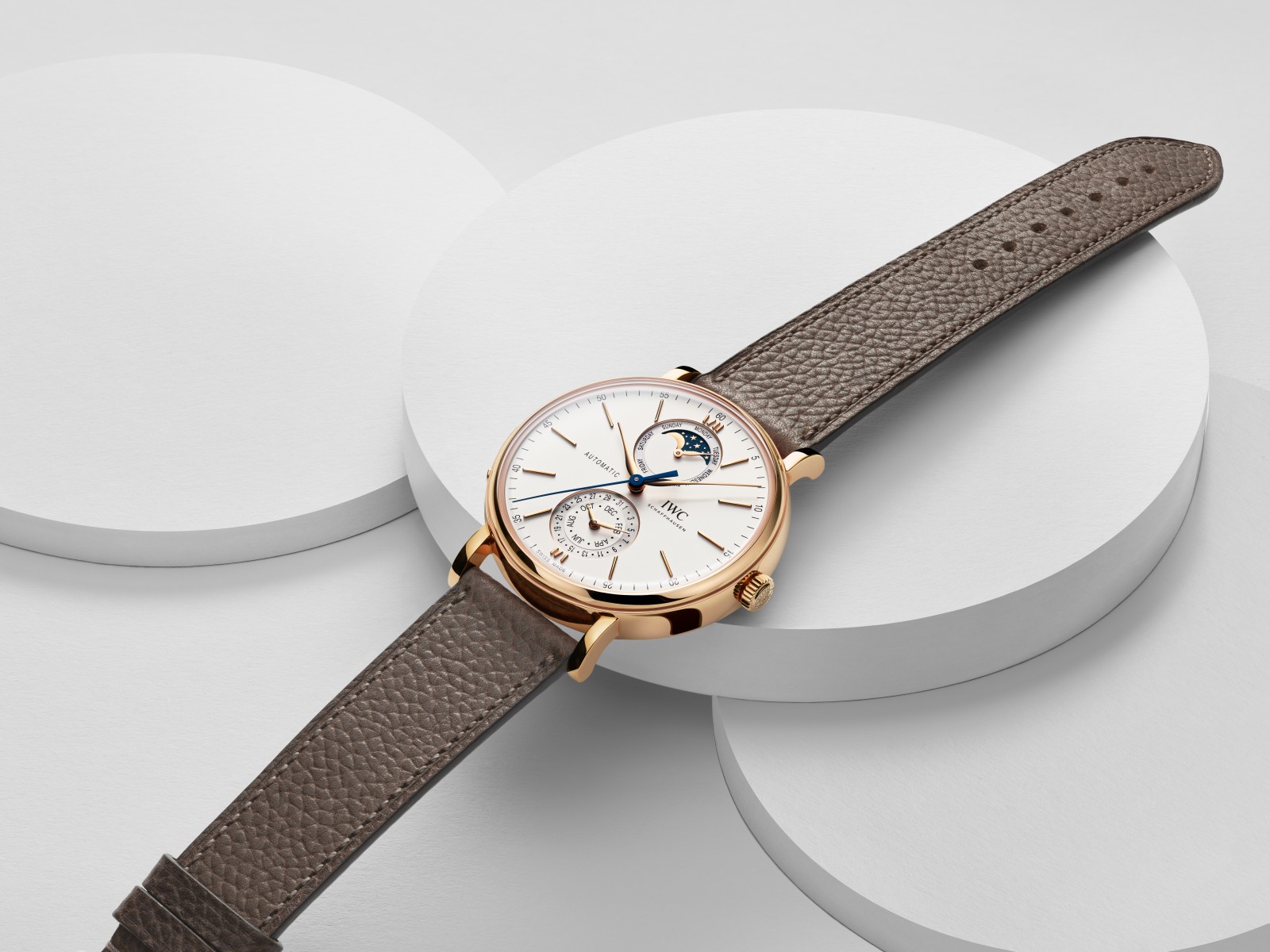
The short version is this. An annual calendar tracks 30 versus 31-day months and needs one correction a year, typically around February. A perpetual calendar tracks the entire leap-year cycle and needs no correction for roughly a century. Neither is objectively superior; the annual calendar offers most of the convenience at a meaningfully lower price and with less mechanical complexity, while the perpetual calendar remains one of horology’s classic complications, prized as much for its engineering pedigree as for the convenience it delivers.
Also Read: GMT vs Dual Time: A Guide To Two-Travel-Time Watch Complications
Top 5 Annual Calendar Watches
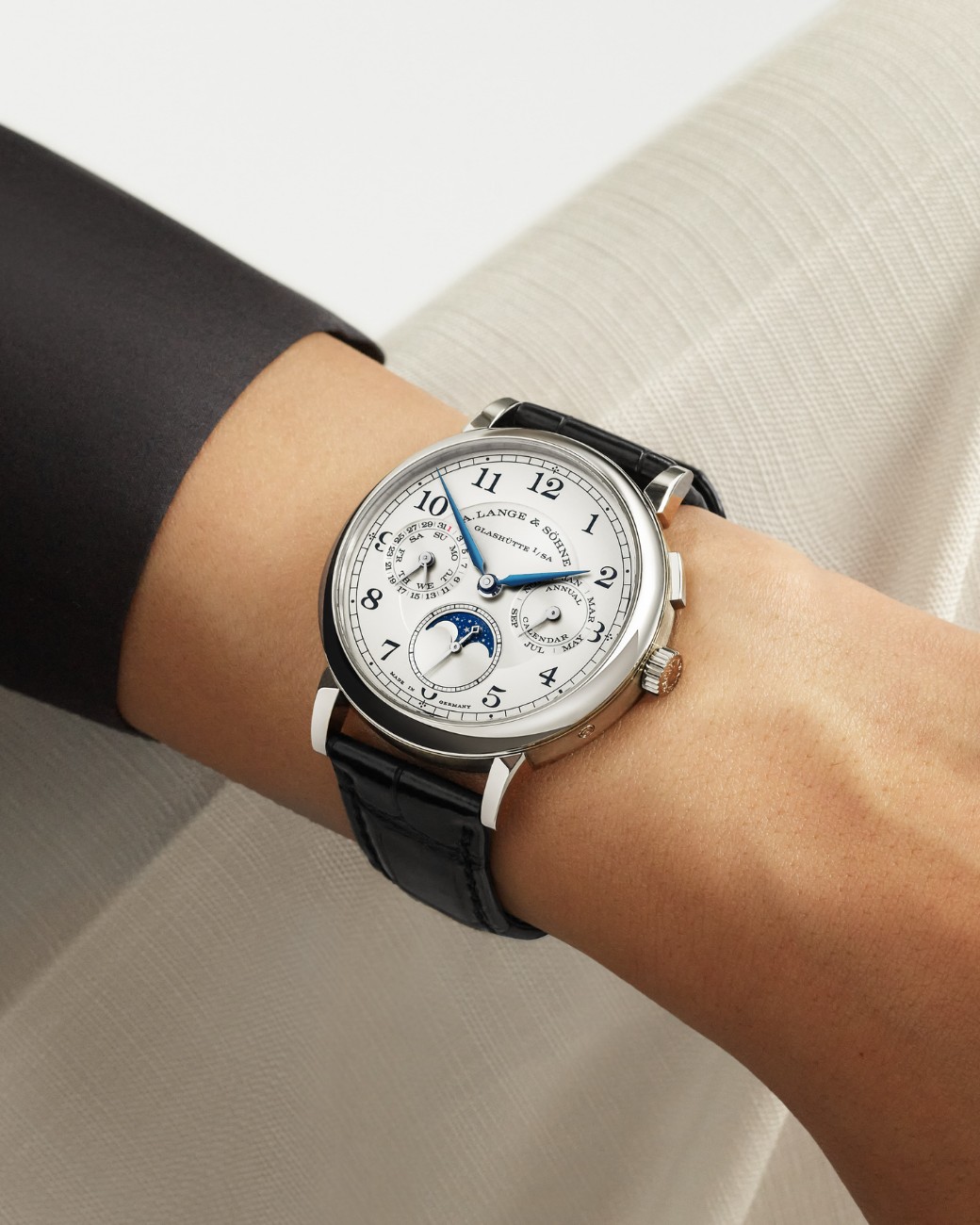
Patek Philippe practically owns this category by right of invention, and its Annual Calendar references remain the benchmark for clean, legible execution. The A. Lange & Söhne 1815 Annual Calendar brings German precision and a distinctive moon-phase display to the format.
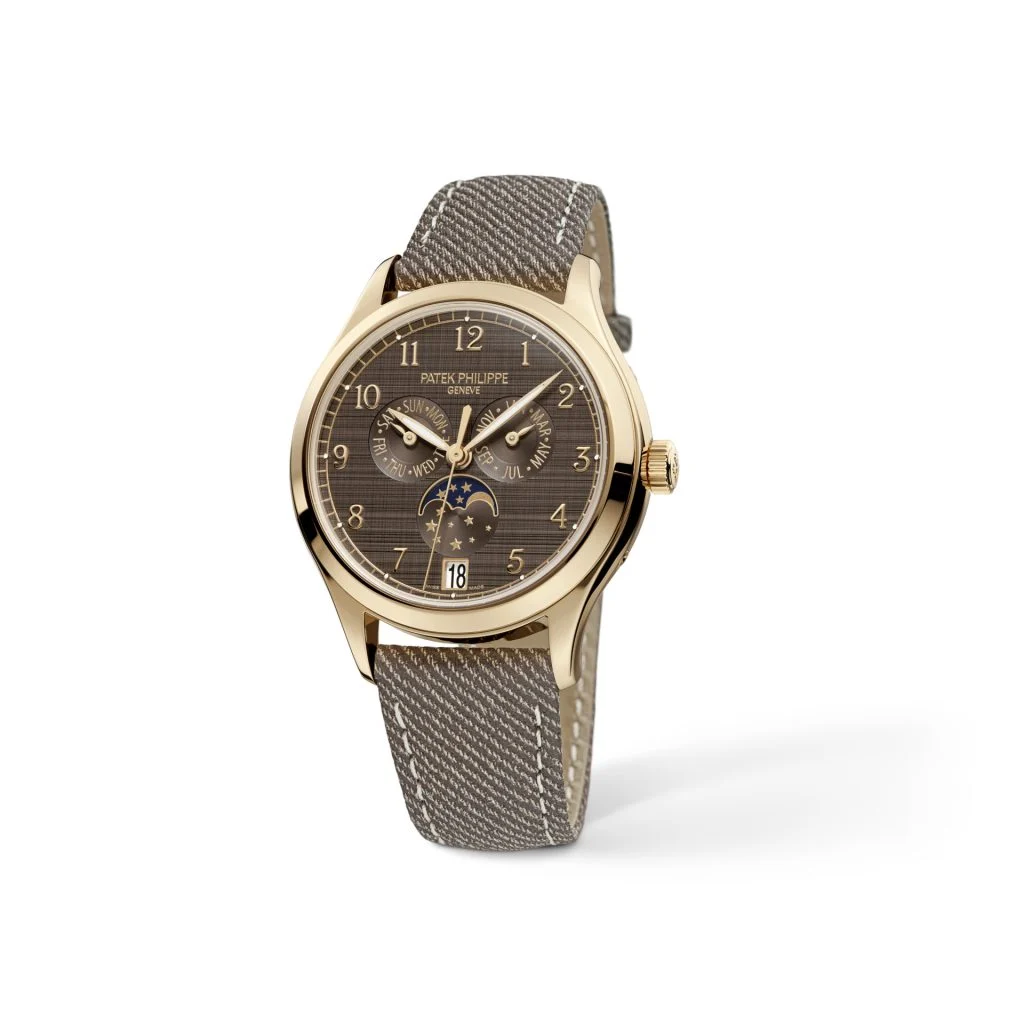
Enter Patek Philippe, the brand that redefined what “useful luxury” could mean. In 1996, the Geneva maison unveiled the Patek Philippe Ref. 5035, the world’s first annual calendar wristwatch. It was an innovation born not from excess, but from elegant pragmatism — a movement that could do 90% of what a perpetual calendar could, but with simpler mechanics and everyday usability.
Top 5 Perpetual Calendar Watches
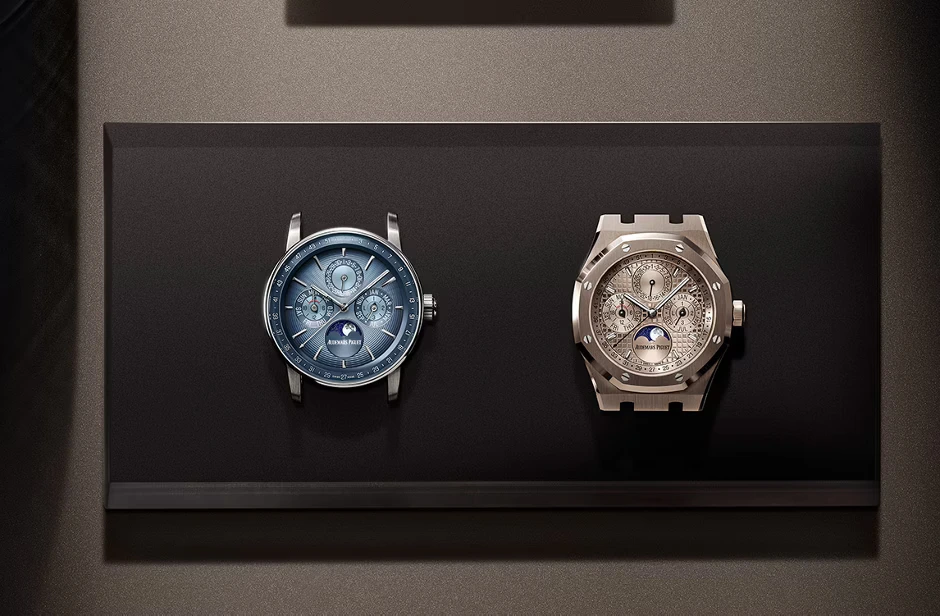
The Audemars Piguet Royal Oak Perpetual Calendar remains one of the most recognisable perpetual calendars in the world, thanks to its iconic case. The Vacheron Constantin Traditionnelle Perpetual Calendar leans into classical, dress-watch presentation. And the Breguet Classique Perpetual Calendar carries the maison’s historic ties to the complication, given Abraham-Louis Breguet’s own pioneering work on calendar mechanisms in the eighteenth century.
Whichever complication you choose, both represent the same essential idea: a small mechanical memory doing the arithmetic the calendar itself refuses to simplify.