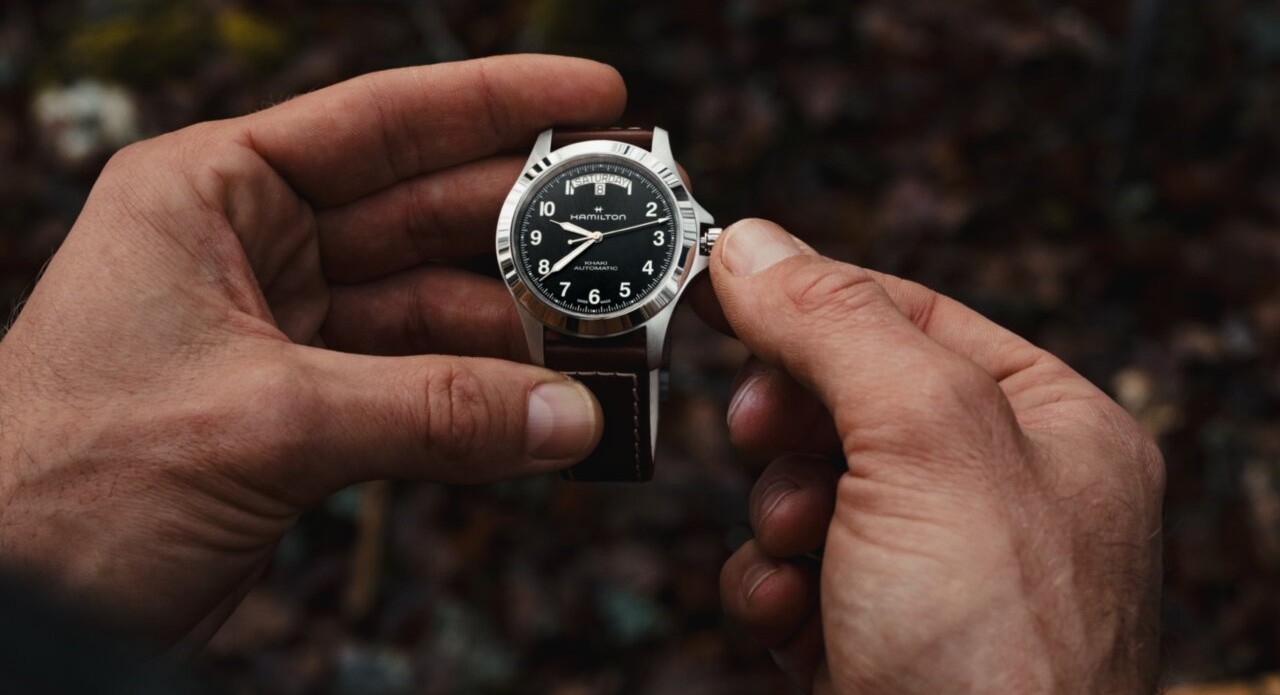


Ask any watch enthusiast to explain the difference between a GMT and a Dual Time watch and you will probably get eleven answers. Both are second time zone watches. Both exist because someone once landed in a new country, glanced at their wrist and wished it could show them what time it was back home. Yet the way each complication displays that second time, and the kind of traveller it suits, differs more than the two names suggest. Understanding that difference is the first step to choosing the right multiple time zone watch, whether you cross continents for work or simply like your mechanical watch complications to earn their keep. Whichever you choose, both complications solve the same problem: keeping you connected to home while you are somewhere else entirely.
How GMT Watches Work

A GMT watch adds a fourth hand to the standard hour, minute and seconds. This extra hand makes one full rotation every 24 hours, half the speed of the hour hand, and points to a 24-hour scale printed on a bezel or a rehaut (the inner ring around the dial). Read against that scale, the hand shows a second time zone, usually your home time, in 24-hour format. It also makes AM and PM unambiguous.
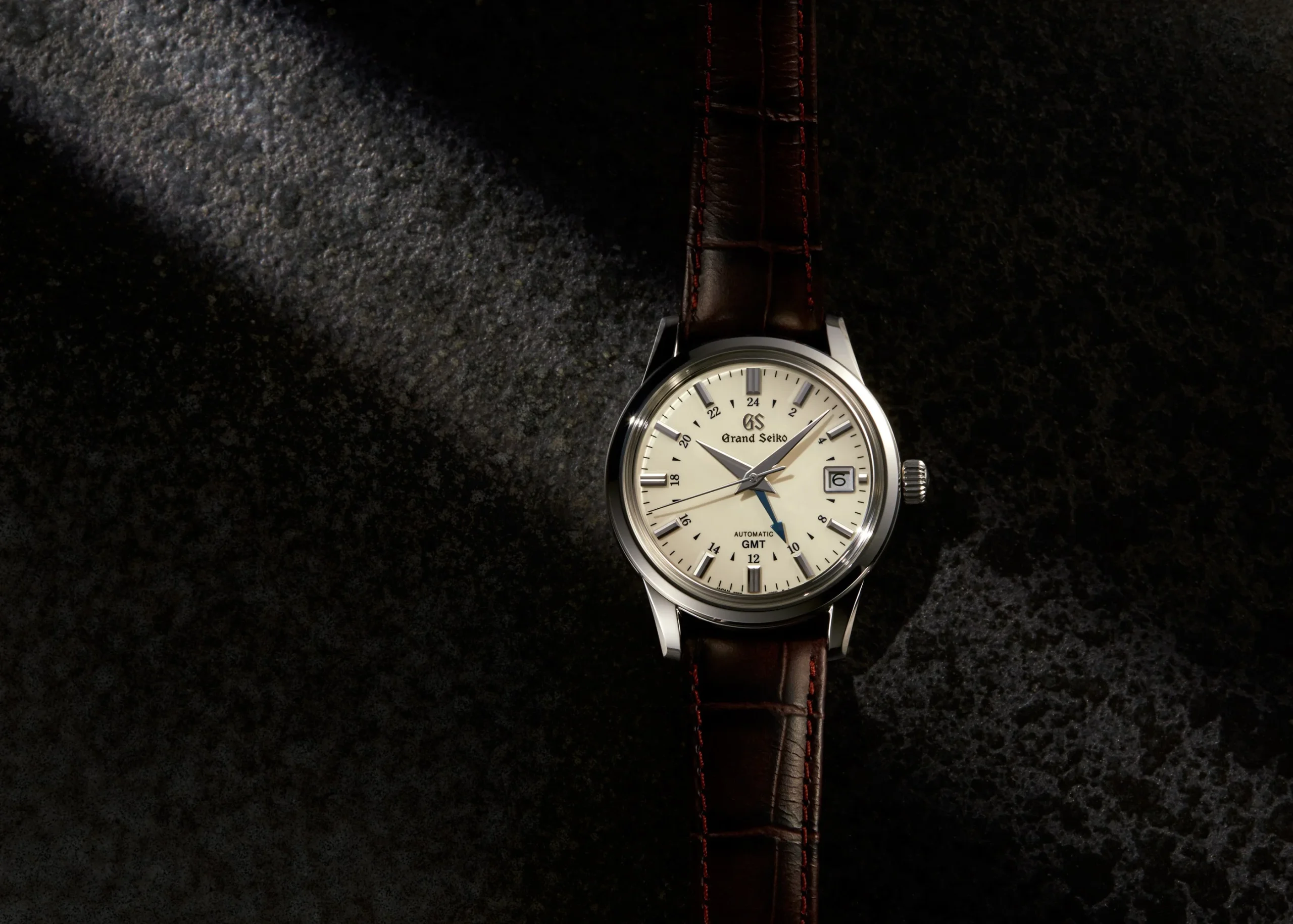
Most modern GMTs are so-called “traveller” or “flyer” GMTs: the hour hand jumps in one-hour steps, so you can reset local time as you cross zones without stopping the movement, while the 24-hour hand keeps home time running. A rotating 24-hour bezel then lets you track a third zone, and some watches have fixed bezels instead, like the Tudor Northflag GMT we covered earlier, which reads the 24-hour scale on its rehaut. The GMT is prized for simplicity: it is robust, readable and easy to set, which is why it has become the default travel watch in sport and tool-watch collections.
Also Read: Jacob & Co. Mahadev Edition: A Closer Look At The Extraordinary Luxury Watch
How Dual Time Watches Work
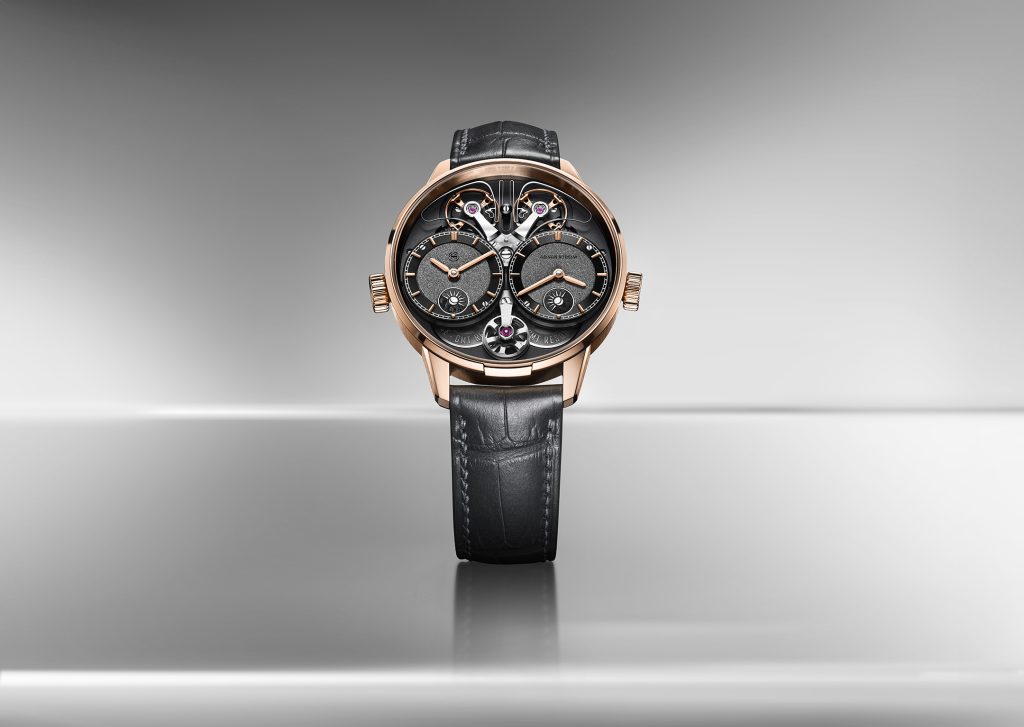
A Dual Time watch shows the second time zone through a separate, dedicated display, typically a second hour hand, a subdial, or a small window, and often reads it in 12-hour format rather than 24. Many models add a day and night indicator, so you know instantly whether it is morning or evening at home, which is a small mercy when you are calling family from another hemisphere.
GMT vs Dual Time: The Key Difference
The short version is this. A GMT reads a second time zone against a 24-hour scale using an extra hand, and is best for glanceable simplicity and adventurous use. A Dual Time reads it through a separate display, and is often more informative and more decorative, with features like day/night indicators. Neither is objectively better; the right choice depends on whether you value a clean sport-watch dial or a richly informative one.
Top 5 GMT Watches
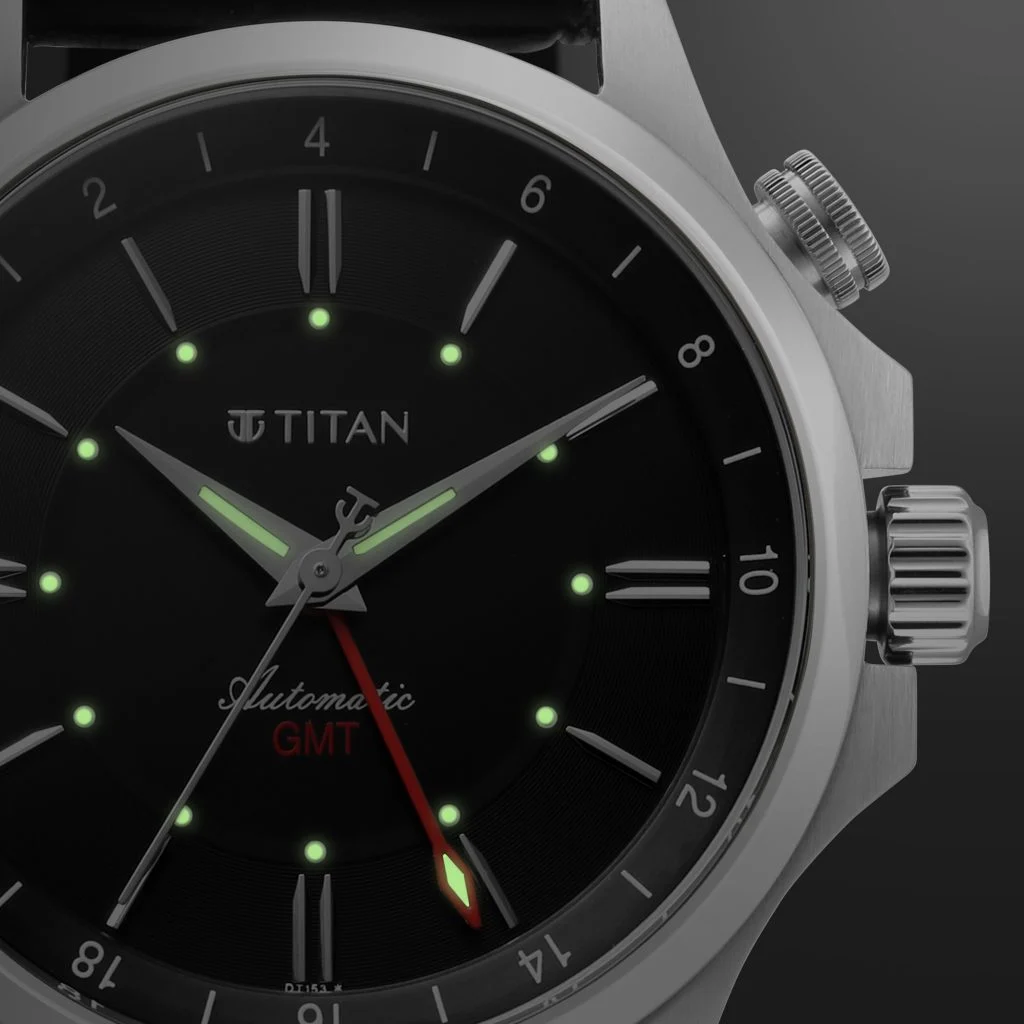
The Rolex GMT-Master II remains the reference point for the category, born from the aviation world and still the benchmark against which every other travel watch is measured. The Tudor Northflag GMT offers a more accessible route into serious watchmaking, with a 40mm steel case, an in-house METAS-certified movement and a 65-hour power reserve. Grand Seiko’s GMT models are known for exceptional finishing and clean, considered design, while the Titan Dualis brings a more attainable option to the list, powered by the in-house Vetra 7A37 calibre with a GMT hand and an internal rotating 24-hour bezel.
Also Read: Breguet Reimagines The Marine 5517 And Marine Chronograph 5527
Top 5 Dual Time Watches
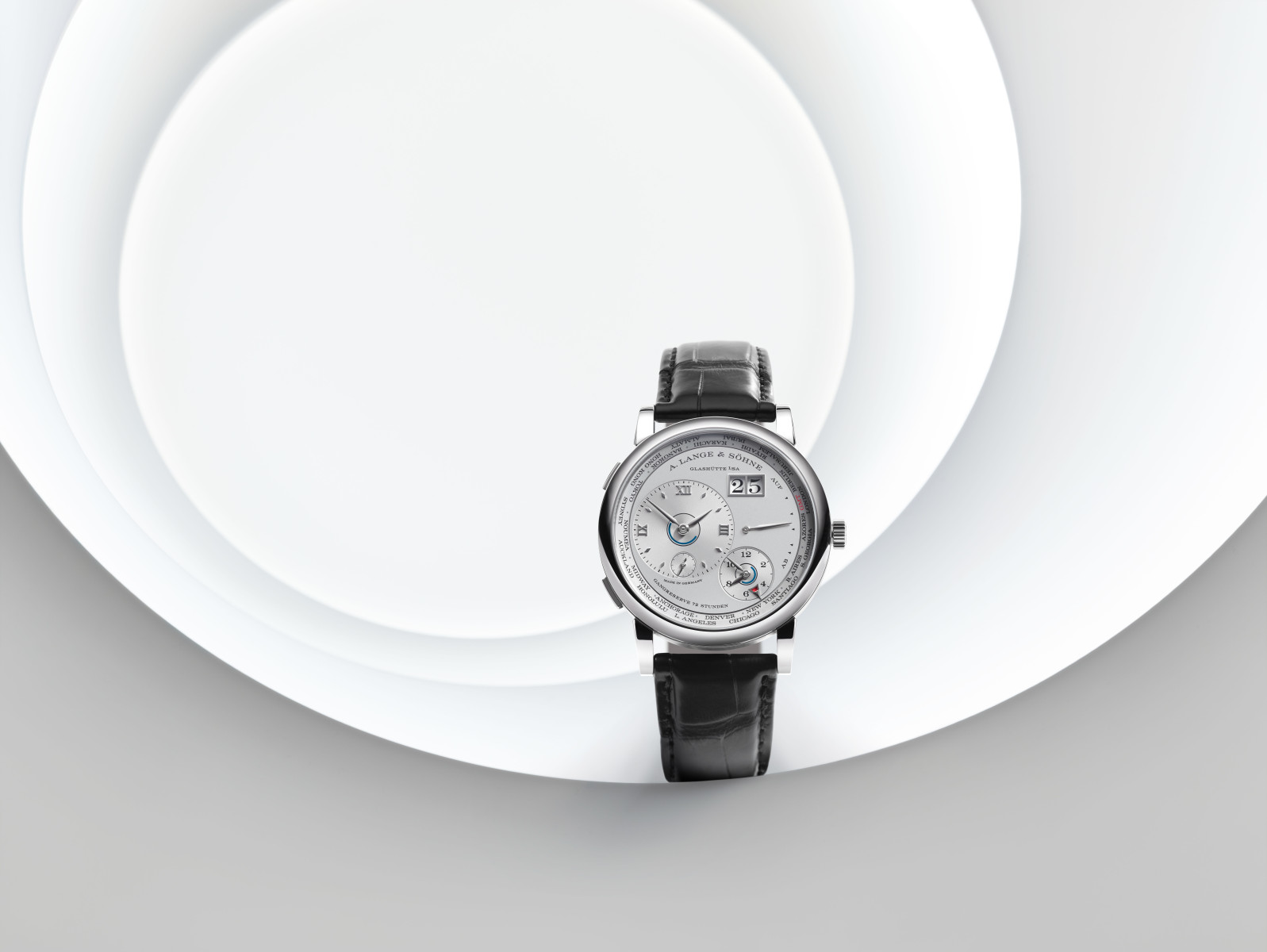
The Vacheron Constantin Overseas Dual Time leads the category as a luxury sports watch with a crown-set second time zone and a day/night indicator at 9 o’clock. The Patek Philippe Aquanaut Travel Time offers a discreet, highly practical complication in a modern sports case, while the A. Lange & Söhne Lange 1 Time Zone pairs the maker’s distinctive dial layout with a city ring for reading the second zone at a glance. The Jaeger-LeCoultre Master Control Geographic is a classic, elegantly balanced travel watch for those who prefer their complications understated, and the Greubel Forsey GMT Balancier Convexe rounds out the list with a rotating globe at the centre of the dial, showing local time, universal time, a second time zone and a day/night distinction in a single, sculptural display.