

Some dials shout. The sector dial, by contrast, organises. Built from concentric rings and clean dividing lines, it turns the face of a watch into a small piece of architecture, one that separates hours from minutes and, often, from seconds, so the eye knows exactly where to look. It has spent most of the last century as a connoisseur’s favourite, and it is now enjoying a well-earned revival. So what is a sector dial? A sector dial is divided into concentric “sectors” that separate the hour, minute and sometimes seconds tracks into distinct zones. Many, though not all, add bisecting vertical and horizontal lines that split the dial into four equal quadrants. The layout typically pairs an outer minute track with an inner chapter ring for the hours, with printed Arabic numerals or baton markers, slim hands, and a small seconds subdial at 6 o’clock. When there are no crosshairs, the centre is usually left clear, carrying only the brand name and perhaps a line of movement information. The dial is also sometimes called a “scientific” or “railroad” dial, a nod to its function and to the railroad minute track that inspired part of its structure.
A Short History
The sector dial first appeared on pocket watches in the early twentieth century. The general consensus places its emergence around 1910, with the style rising to prominence in the 1930s, when Omega and Longines were among its pioneers. It was popular for scientific and high-precision applications, where separating hours, minutes and seconds into concentric rings aided accuracy, and it is often described as a contemporary cousin of the older regulator dial. Some mid-century aviators liked the layout for its clarity, though it was never officially issued by the military.
It also arrived at exactly the right cultural moment. Wristwatches were taking off after the First World War, the Bauhaus movement was born in 1919, and tastes were shifting from the ornate Art Nouveau of the nineteenth century toward industrial, geometric forms, with Bauhaus in Germany and Art Deco in France leading the way. The sector dial sits between the two schools: the concentric circles typical of Deco, combined with the ascetic functionality of the German approach. Crosshairs, which highlight the quarter hours, became a popular symbol of precision, and many sector-dial watches of the era were certified chronometers. The earliest known sector-style wristwatch, according to Christie’s, is a Patek Philippe ref. 421 from 1924, though it lacks some of the features we would now expect. In the 1930s, the design spread widely, partly because many watchmakers shared the same dial makers. Then, as the industry pivoted toward dive watches and racing chronographs in the mid-century, the style faded. It sat largely dormant from the 1960s until the 2000s.
Also Read: GMT vs Dual Time: A Guide To Two-Travel-Time Watch Complications
Why the Design Still Works
The sector dial is a rare case of form complementing function rather than merely following it. The concentric structure lets the eye find hours, minutes and seconds quickly, while the geometry gives the dial a visual rhythm that pulls attention toward the centre. Today, it tends to appear in two contexts: as a faithful reimagining of a specific vintage reference, or as a new watch heavily influenced by vintage aesthetics. It is still something of an underdog, perhaps because the dials are difficult to print well and instantly evoke a very specific era.
Top 5 Watches With Sector Dials
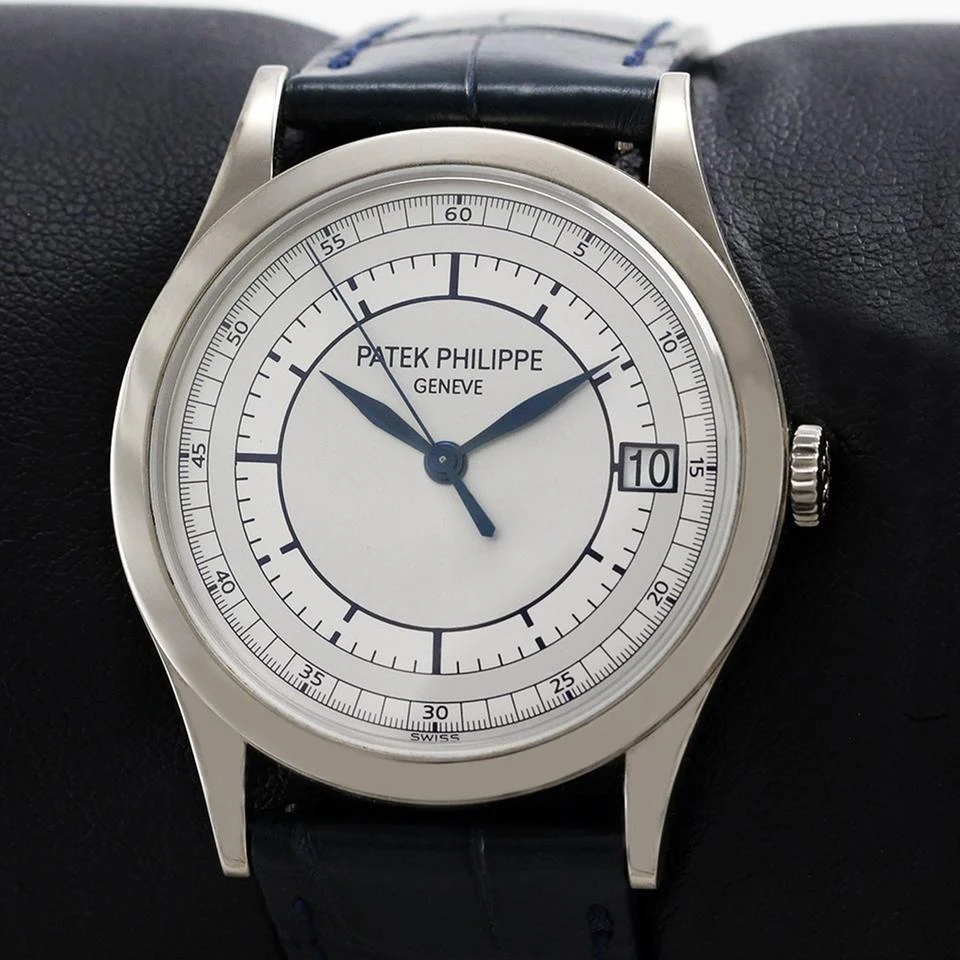
Patek Philippe Calatrava Ref. 5296. The watch that put sector dials back on the map. When Patek added a sector dial to the Calatrava 5296 in 2005, it did so in the classic style, with multiple concentric tracks and a bold inner ring with radiating hour markers.
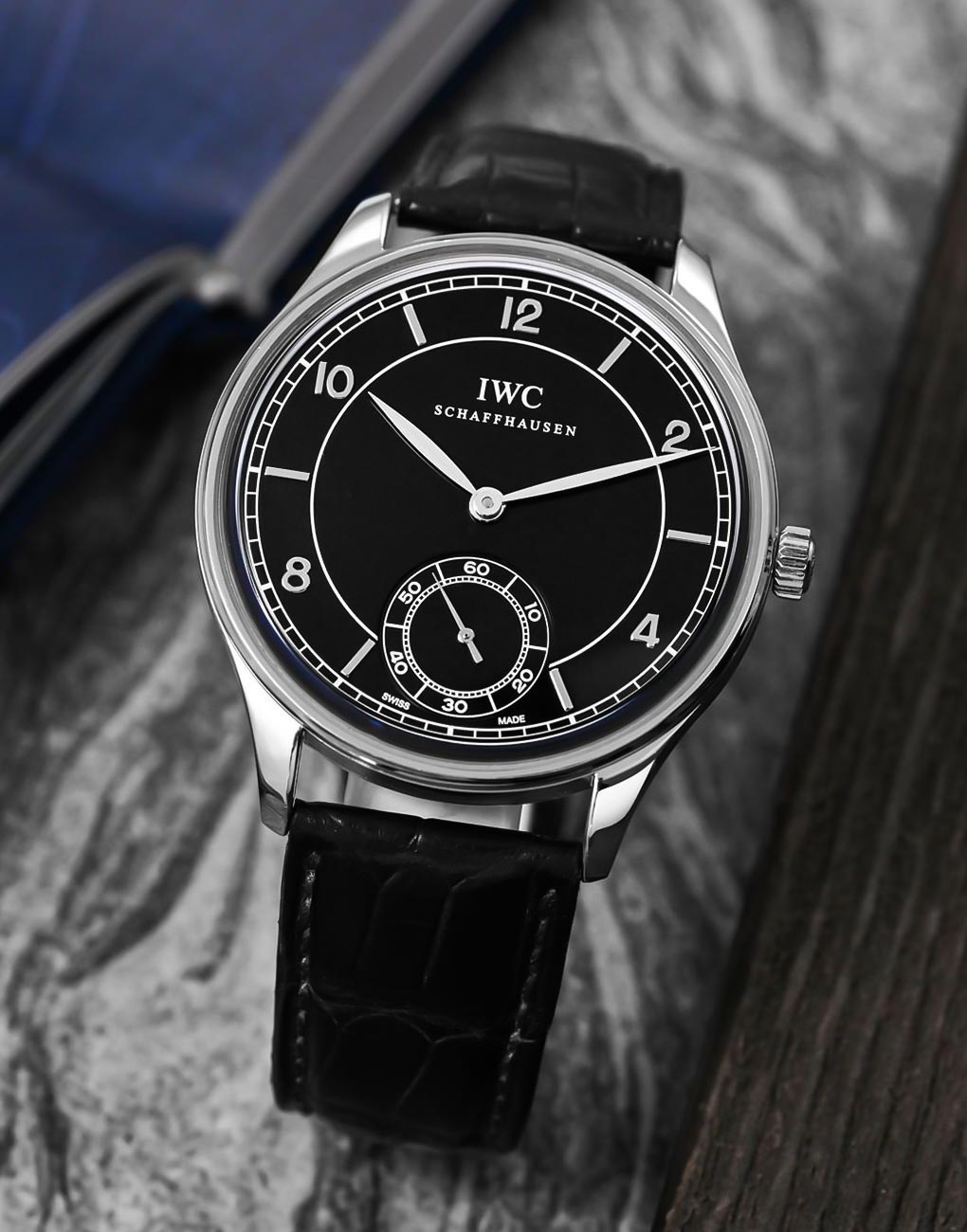
IWC Portugieser (vintage-inspired). Three years after Patek’s revival, IWC added a sector dial to its Portuguese vintage collection. Its 6 o’clock seconds subdial gives it a very different look from the Patek, though both centre and sub-seconds were widely used in the 1930s.
Also Read: Breguet Reimagines The Marine 5517 And Marine Chronograph 5527
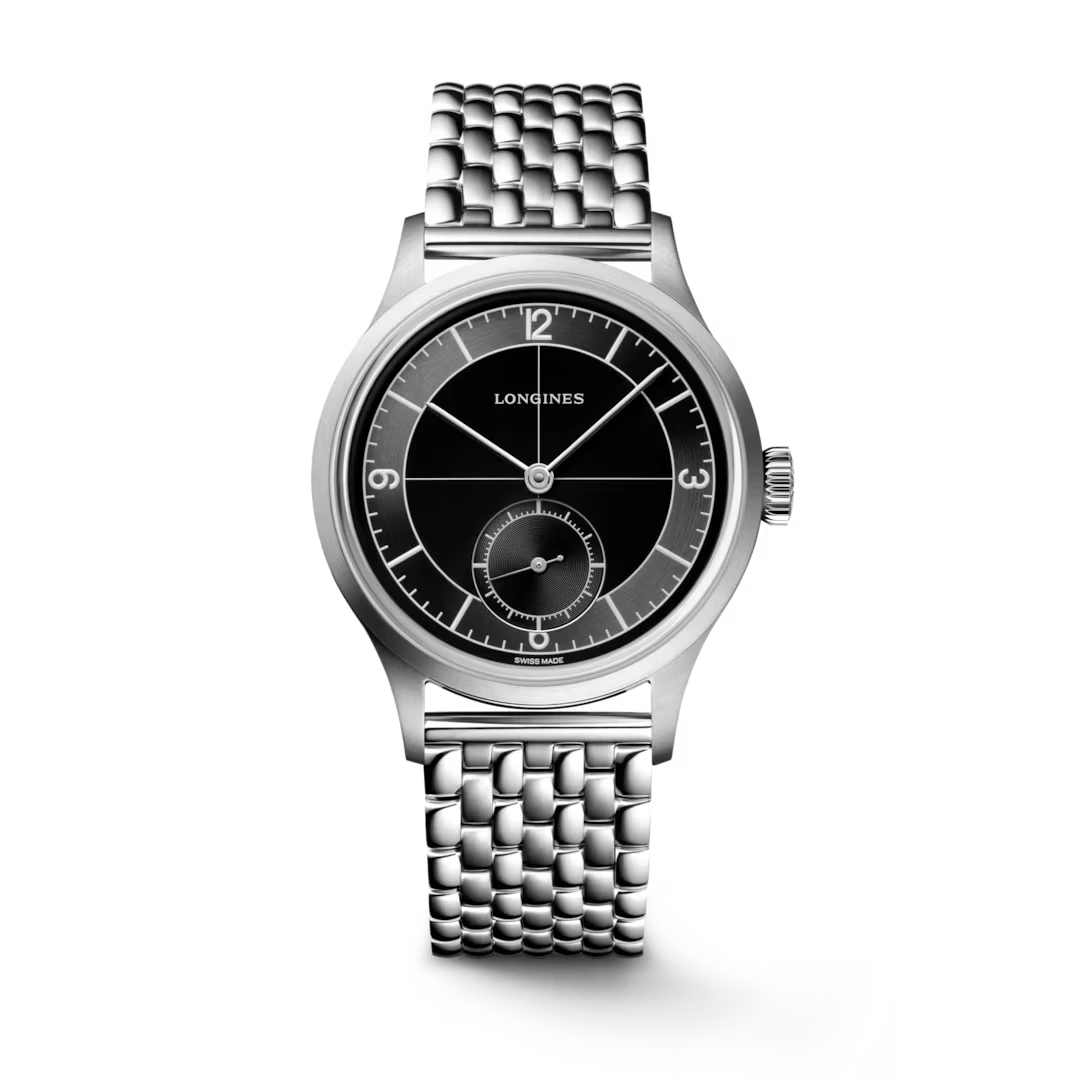
Longines Heritage Classic “Sector.” A modern reissue of a 1934 watch held in the Longines museum, upsized to a 38.5mm case with a stepped design. The dial reproduces the original so faithfully that it even keeps the cut-off 6 numeral.
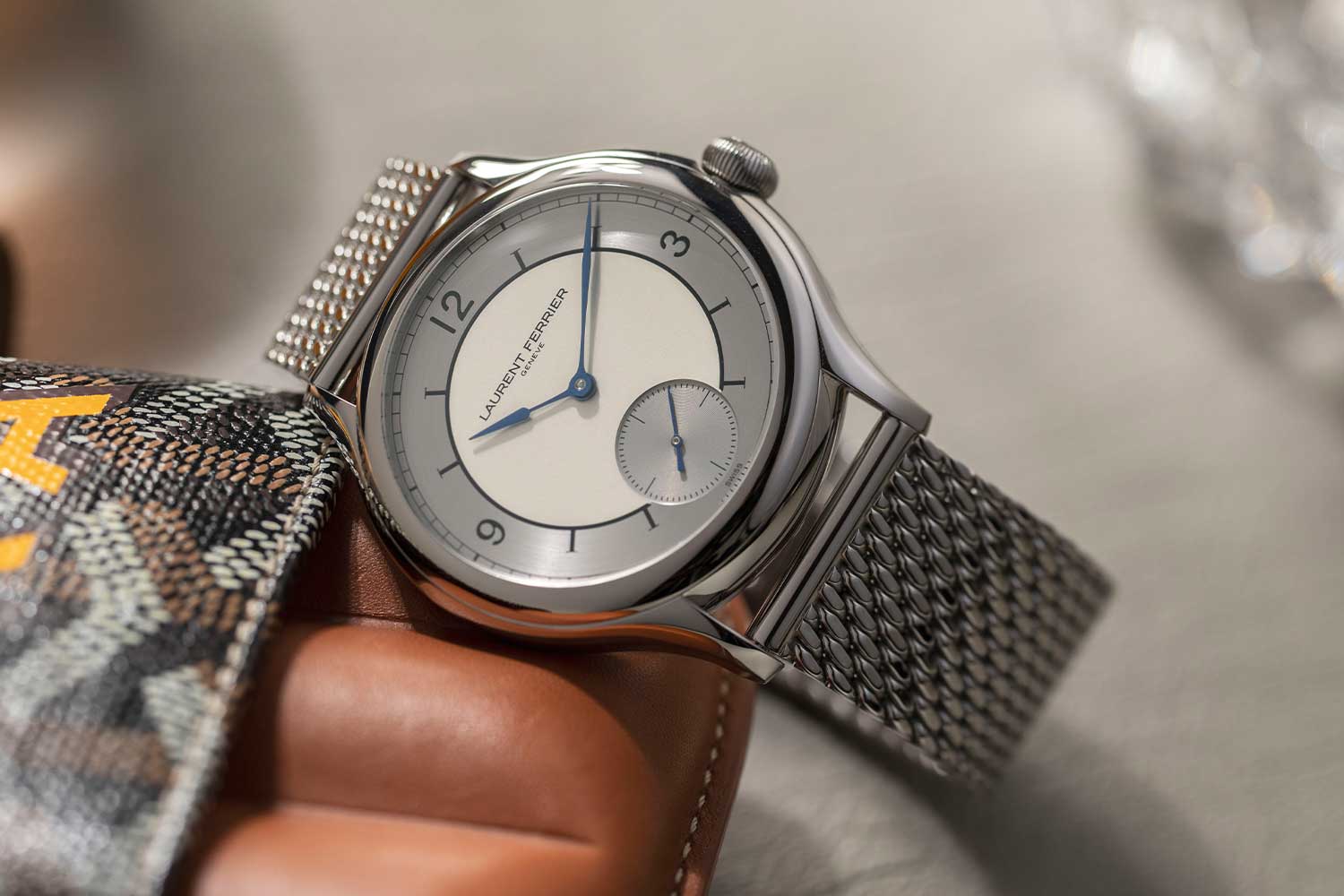
Laurent Ferrier Classic Origin. A pared-back interpretation from the independent watchmaker who spent nearly four decades at Patek Philippe. It has the signature elongated Assegai hands and tapering indices, a titanium case, and the manual-wound LF116.01 movement.
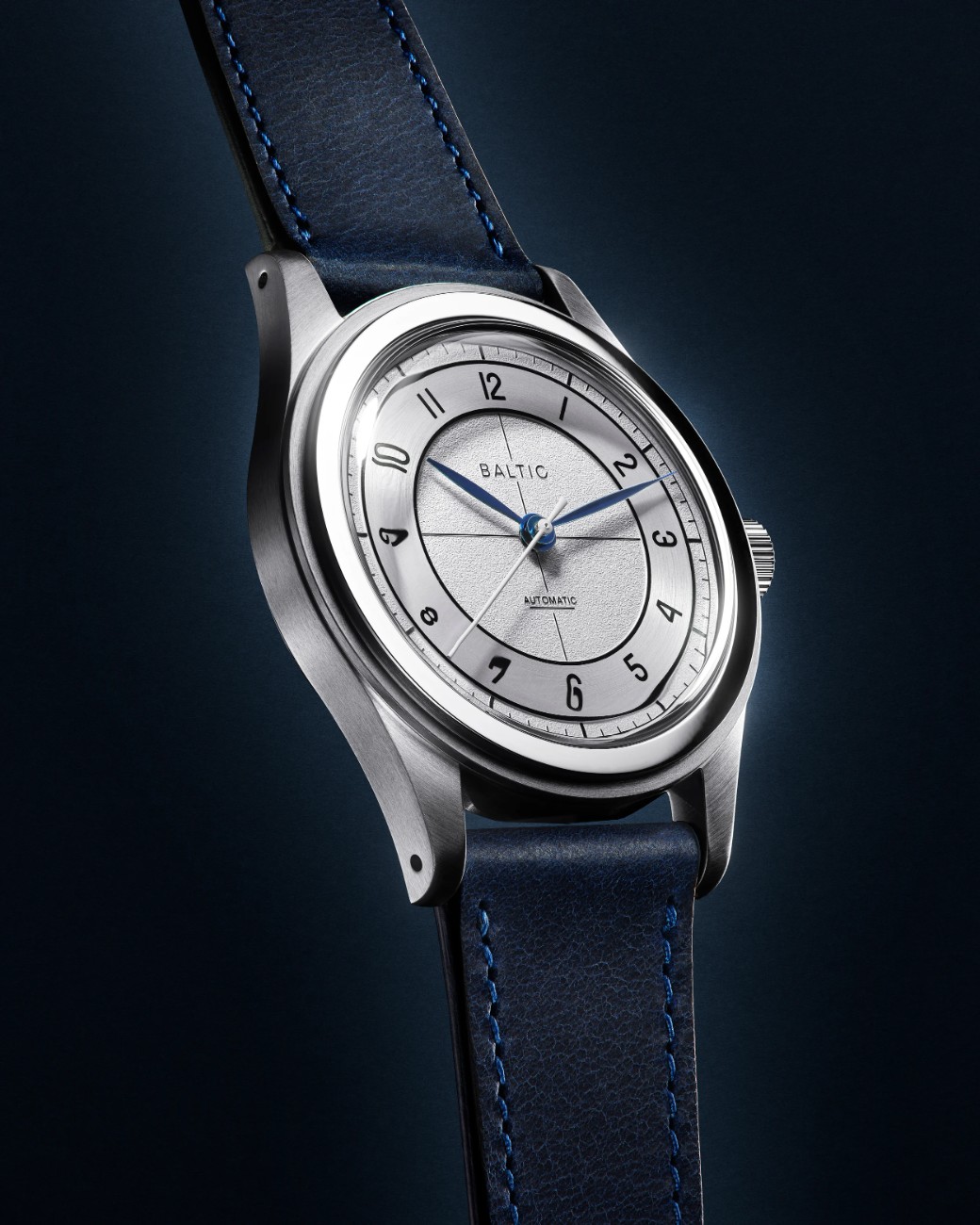
Baltic HMS 002. The value option. This French microbrand’s take on the sector dial has gilt lines and typography, a grained centre and a radial-brushed minute track, in a 38mm steel case, 12mm thick, powered by a Miyota 8-series automatic. Together, they show how far a nearly century-old idea can travel, from a Swiss atelier to a microbrand, without losing its clarity.