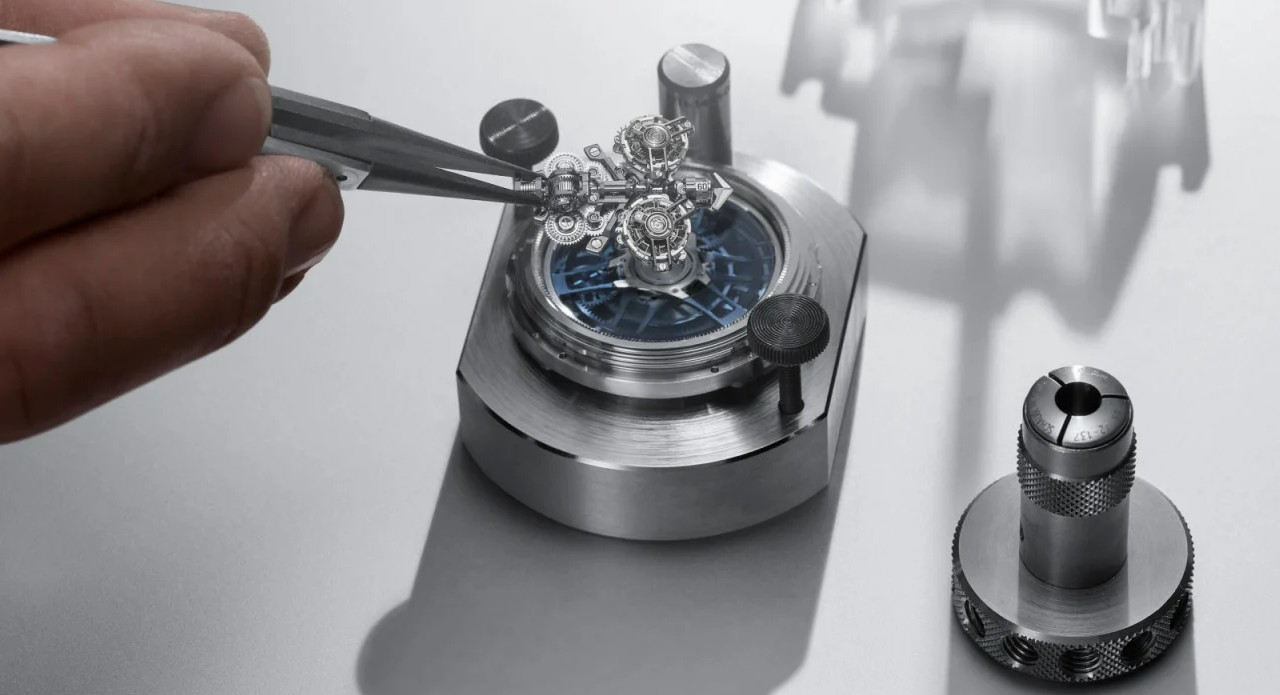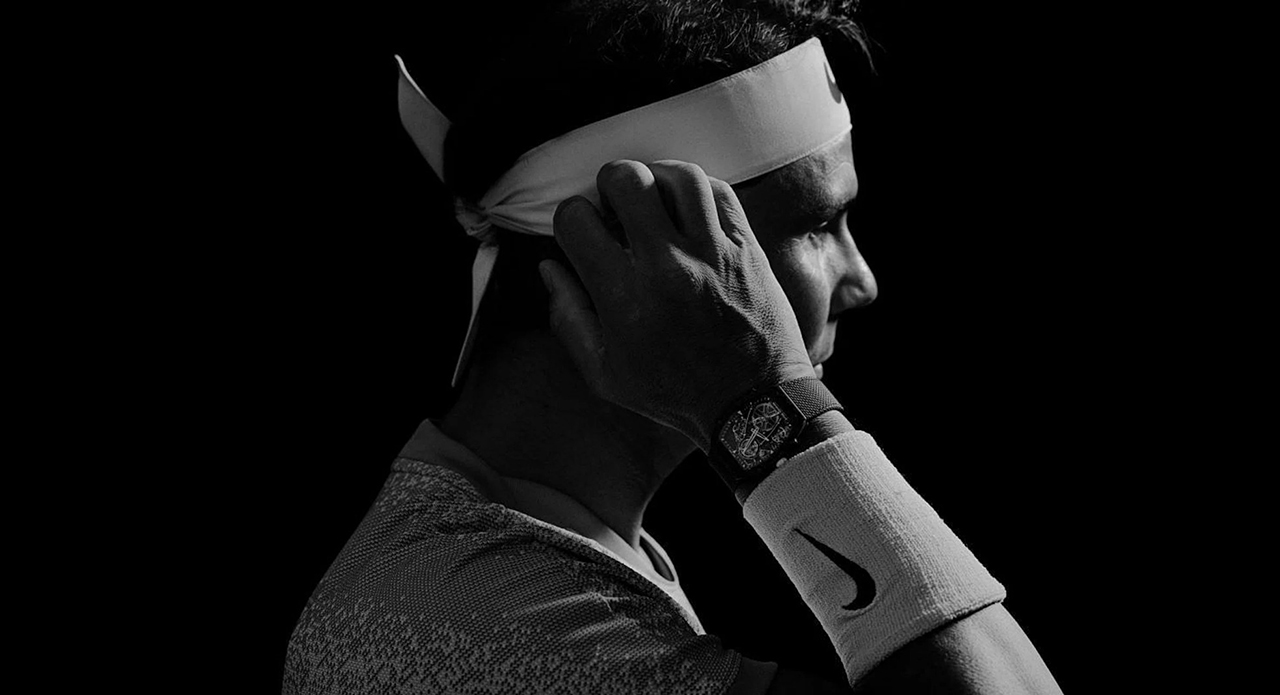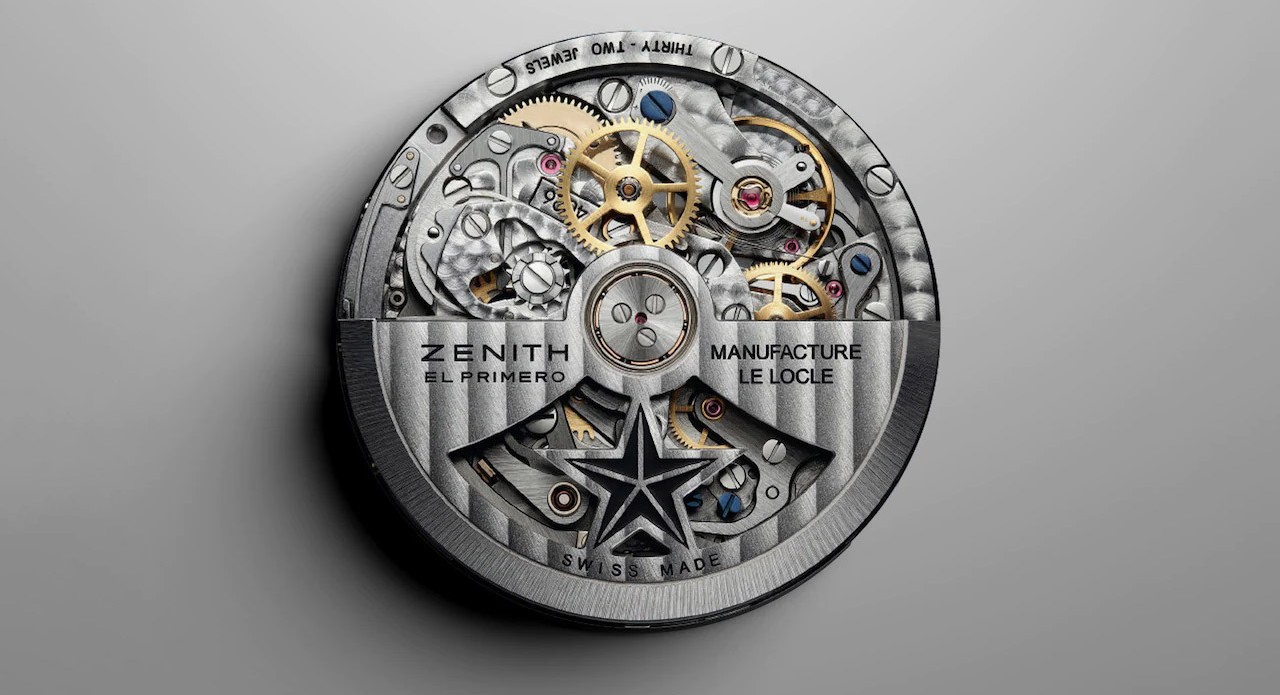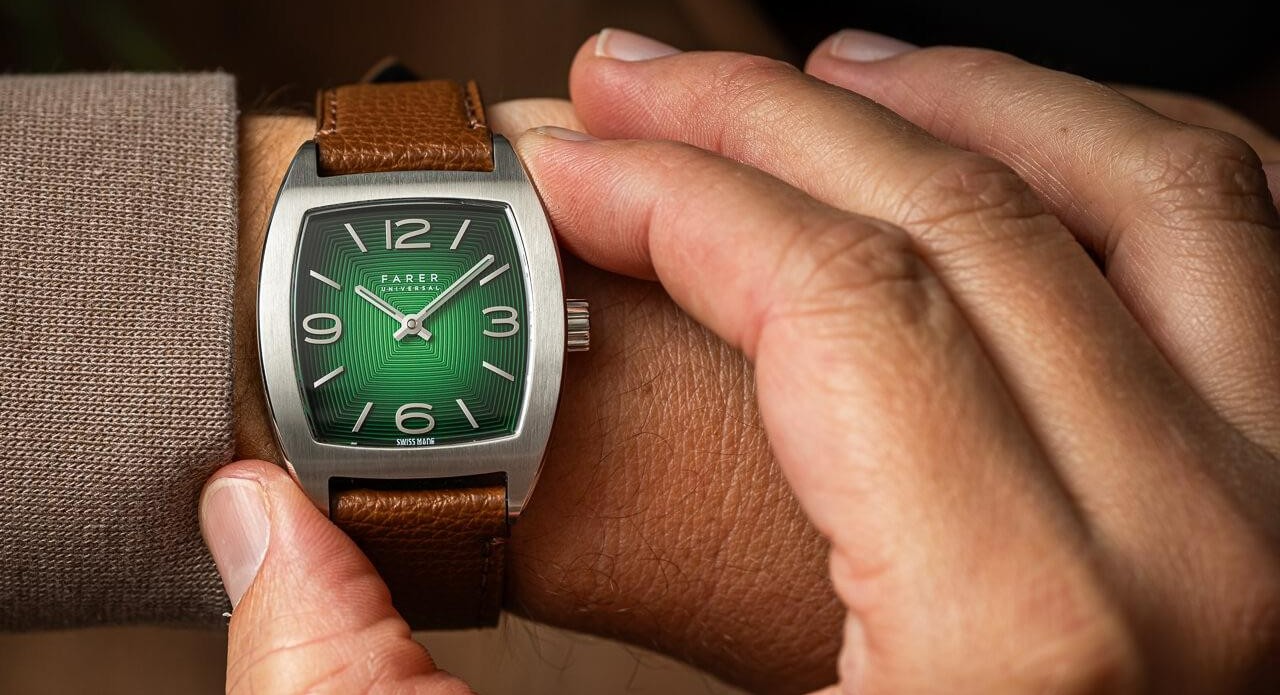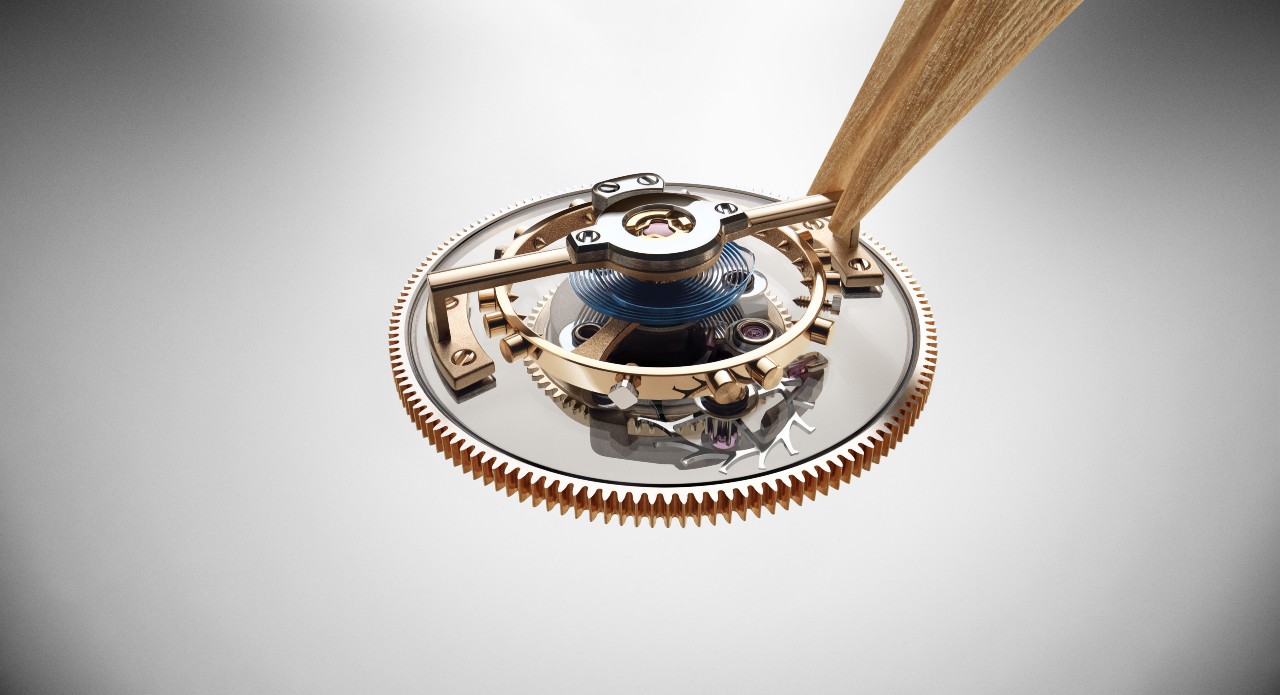


In the theatre of watchmaking, where gears dance and seconds pirouette, the tourbillon is the star that refuses to sit still. It’s a tiny, whirling contraption that looks like pure performance art — hypnotic, audacious, and utterly unnecessary in the best possible way. Conceived more than two centuries ago to outsmart gravity, the tourbillon was the mechanical world’s equivalent of a rebellion against nature itself. Today, it’s no longer a matter of timekeeping accuracy — it’s a declaration of mastery. When you spot that spinning cage on a dial, you’re not just looking at engineering; you’re witnessing a horologist flexing in slow motion.
The irony? In an era when even your phone keeps better time than a multimillion-dollar Swiss masterpiece, the tourbillon endures — not as a tool, but as a statement. It’s a defiant celebration of human obsession, a complication that turns the mundane tick of seconds into kinetic theatre. Every rotation whispers a quiet truth: that perfection in watchmaking was never about practicality — it was about poetry, precision, and the audacity to build something wildly complex just to keep something simple — time — beautifully alive.
The Purpose: Fighting the Pull of Gravity
To understand the tourbillon, you must first understand its nemesis — gravity. In early pocket watches, movements often rested upright in a vest pocket, where gravity’s constant pull distorted the balance wheel’s oscillation and threw off accuracy. A few seconds lost each day might sound trivial now, but in the 18th century, it was an unacceptable flaw in an art form built on precision.
The solution came in the form of a rotating cage that carried the escapement and balance wheel through a continuous spin, usually once per minute. By averaging out the positional errors caused by gravity, this delicate mechanism neutralized its effects. The result? A watch that could defy the laws of physics, one rotation at a time.
The Genius Behind the Whirlwind
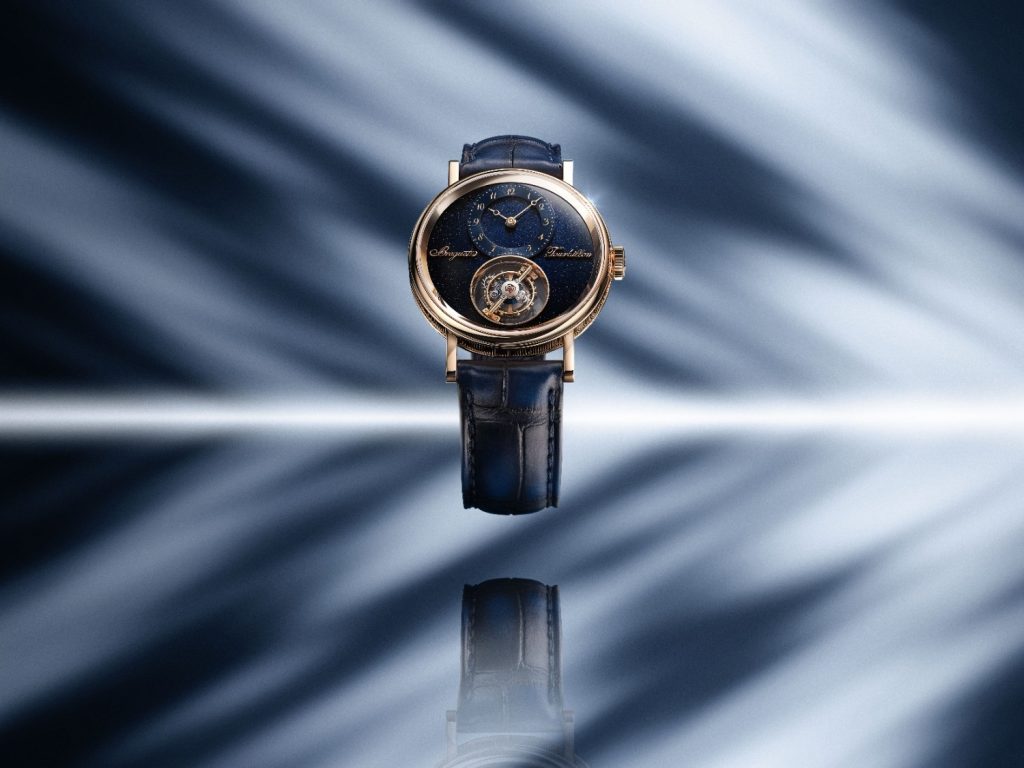
The man behind this micromechanical masterpiece was Abraham-Louis Breguet, the undisputed godfather of modern watchmaking. In 1801, he patented the tourbillon — a feat so advanced it seemed more alchemy than engineering. His creation didn’t just improve precision; it transformed the very philosophy of watchmaking. To craft a tourbillon was to challenge the natural order, to make time itself behave.
Initially, Breguet’s invention lived inside the pockets of Europe’s elite — aristocrats and scholars who prized accuracy as a symbol of intellect and refinement. The tourbillon soon became a status symbol, not because it told better time, but because it proved that the owner understood and could afford the best of human craftsmanship.
From Utility to Art: The Wristwatch Era
When wristwatches became fashionable in the 20th century, the practical need for a tourbillon diminished. The constant movement of the wrist naturally countered gravity’s effects, rendering Breguet’s mechanical solution largely redundant. Yet the tourbillon refused to fade into history. Instead, it evolved from a tool of accuracy into a statement of artistry.
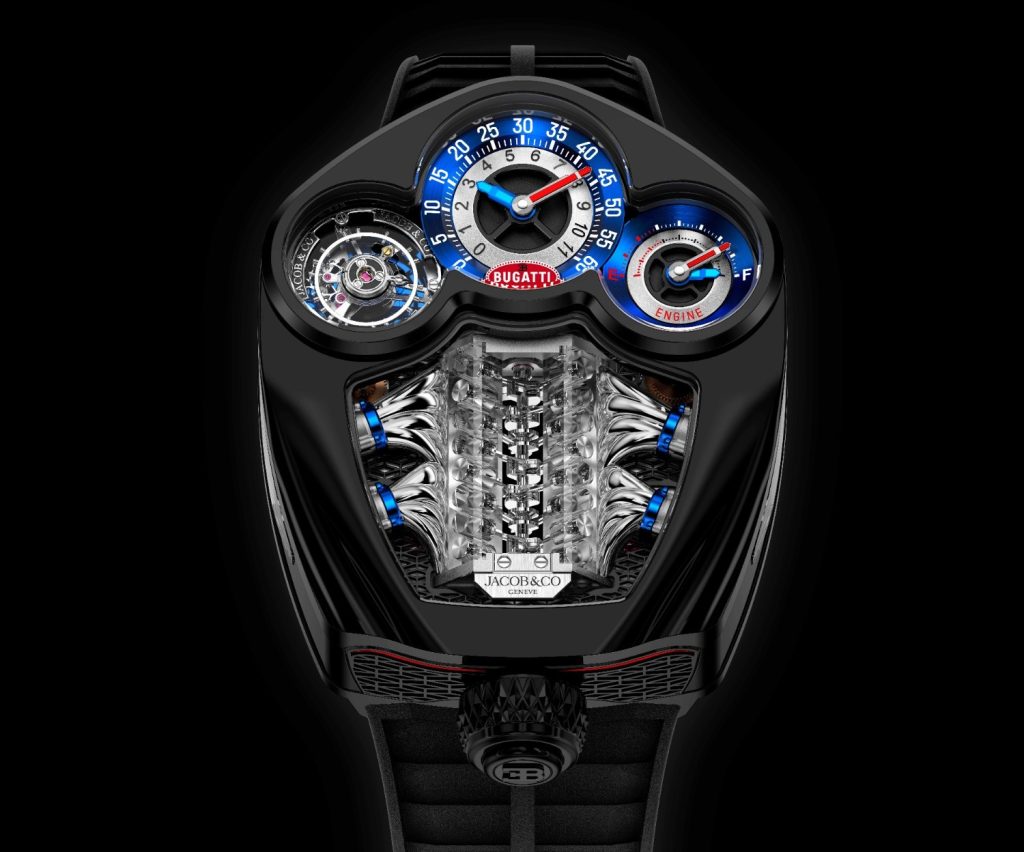
Modern watchmakers embraced it as a canvas for creativity — a way to showcase technical mastery and aesthetic daring. The tourbillon became less about necessity and more about narrative: a poetic spinning reminder of where watchmaking came from and how far it has advanced.
The Evolution: Beyond the Classic Cage
Today’s watchmakers have taken Breguet’s idea and pushed it to spectacular extremes.
Double-Axis Tourbillon
This version, pioneered by Anthony Randall and popularized by Thomas Prescher, rotates on two planes for even greater compensation against gravitational pull.
Triple-Axis Tourbillon
A breathtaking evolution that spins through three dimensions — mesmerizing to watch, nearly impossible to build.
Flying Tourbillon
Introduced by Alfred Helwig in 1920, it dispenses with the upper bridge, leaving the cage suspended in air — elegance meeting illusion.
Gyrotourbillon and Multi-Axis Designs
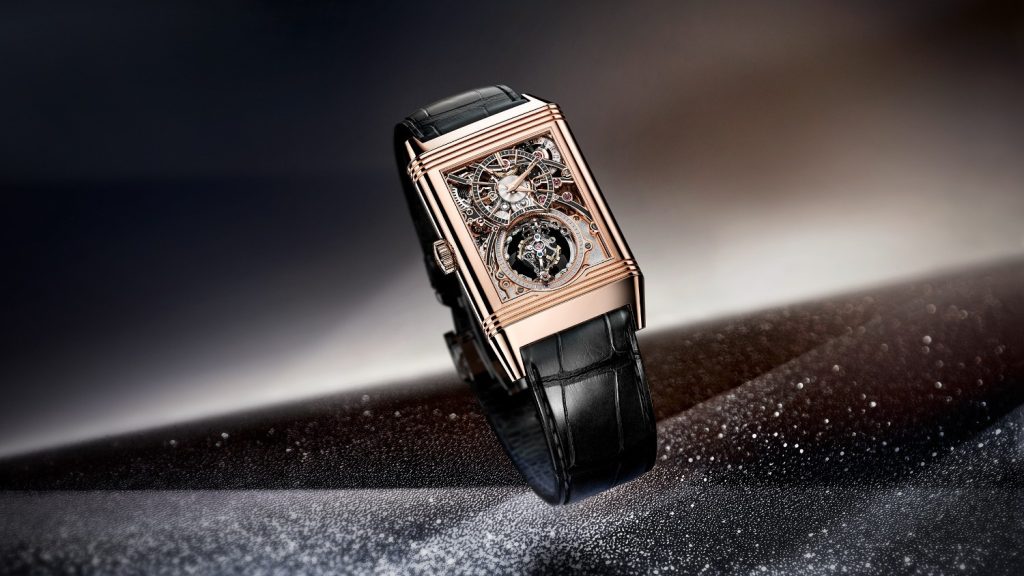
Watchmakers like Jaeger-LeCoultre and Greubel Forsey have elevated the tourbillon to mechanical theatre, creating spherical and multi-cage versions that spin, twist, and twirl like celestial bodies in miniature.
Each of these reinventions turns function into art — a daring choreography of balance wheels and escapements that still leaves collectors breathless.
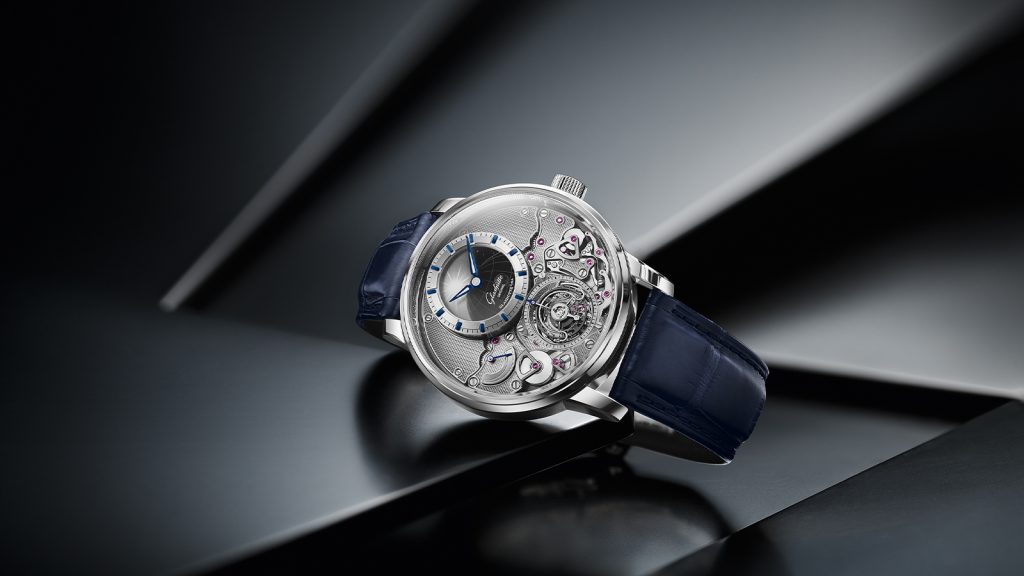
The Tourbillon Today: When Time Becomes Theatre
In the modern world of quartz precision and digital dominance, the tourbillon exists purely for love — love of craft, complexity, and control. It’s no longer about correcting gravity; it’s about celebrating resistance to simplicity. Every whirling cage reminds us that watchmaking isn’t just about telling time — it’s about telling stories through movement.
The tourbillon remains a rebellion, a tiny revolt against the idea that progress must mean practicality. It spins not to serve, but to seduce — proof that even in an age of algorithms, there’s still unmatched beauty in something that moves simply because it can.