

There are watchmakers that build exceptional watches, and then there is Vacheron Constantin, a maison that has been quietly perfecting the art of horology since 1755. While many brands are celebrated for inventing a single groundbreaking complication, Vacheron Constantin has spent more than two and a half centuries refining the entire craft of watchmaking. Its greatest achievements are not always the loudest. Instead, they are hidden in impossibly thin movements, meticulously hand finished bridges, ingenious display mechanisms, and artisanal techniques that only a handful of craftsmen in the world still master. Here are the innovations that continue to define one of Switzerland’s oldest continuously operating watchmakers.
Pantograph Engraving That Elevates Personalisation
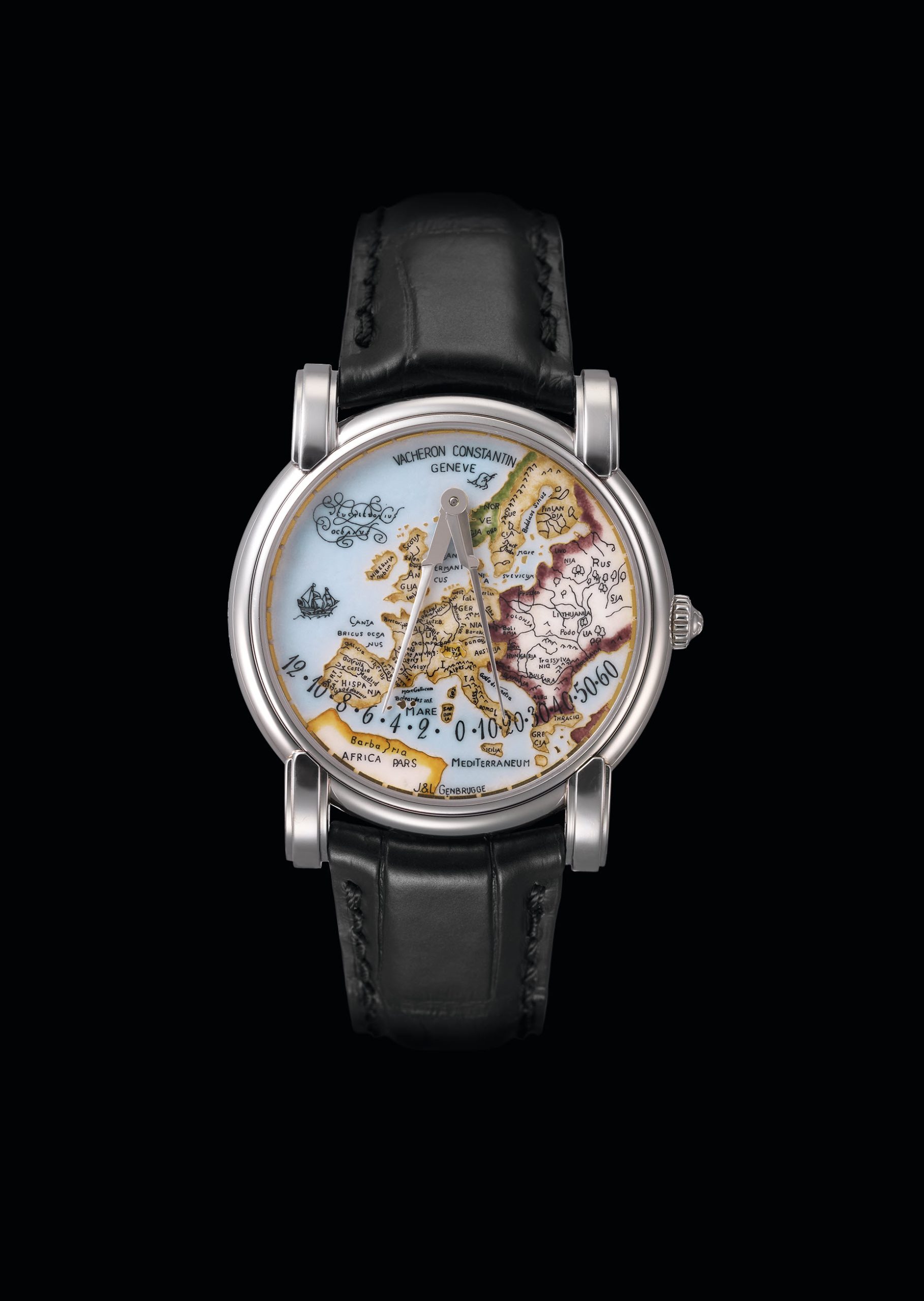
Long before bespoke luxury became fashionable, Vacheron Constantin mastered the art of personalised watchmaking through pantograph engraving. Using a highly precise mechanical engraving system, artisans can faithfully reproduce a customer’s handwriting, signature, family crest, or intricate motifs onto movement bridges, dials, and cases. The technique allows exceptional precision while preserving the warmth and individuality of hand craftsmanship, making every commissioned piece deeply personal without sacrificing technical perfection.
Also Read: Vacheron Constantin Traditionnelle Twin Beat Perpetual Calendar Now Has An Extended Power Reserve
The Art of the Retrograde Display
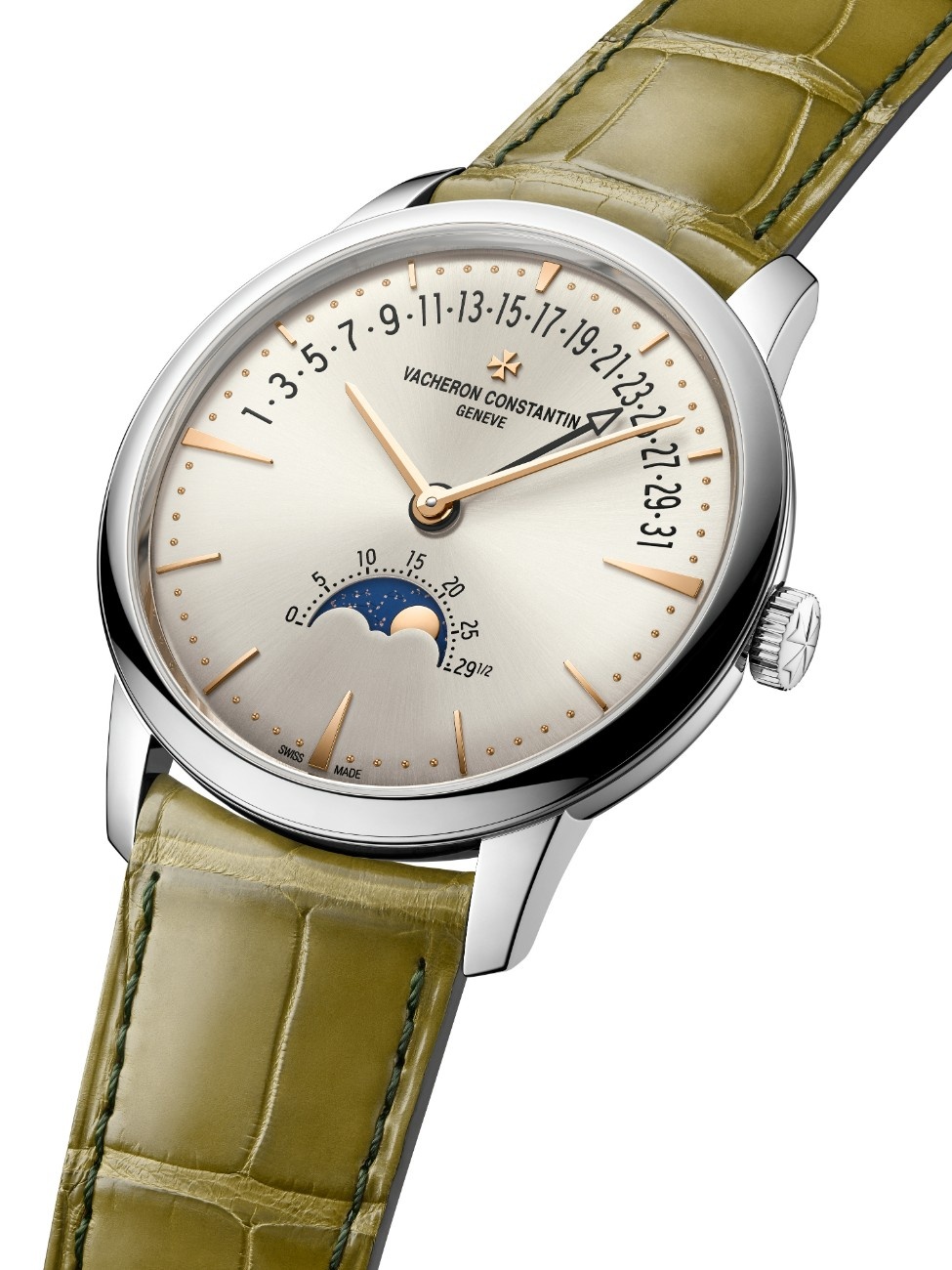
Few complications are as visually captivating as the retrograde display, and Vacheron Constantin has become one of its greatest champions. Instead of completing a full circular rotation, the hand travels along an arc before instantly snapping back to its starting position. Whether displaying the date, day, or power reserve, the mechanism requires extraordinary engineering to ensure perfect precision and durability. From the celebrated Patrimony Retrograde Day Date to the legendary Mercator, the maison has transformed this mechanical solution into one of its unmistakable design signatures.
Also Read: Watches and Wonders 2026: Novelties That Stole The Spotlight From Vacheron Constantin
Masters of Ultra Thin Grand Complications
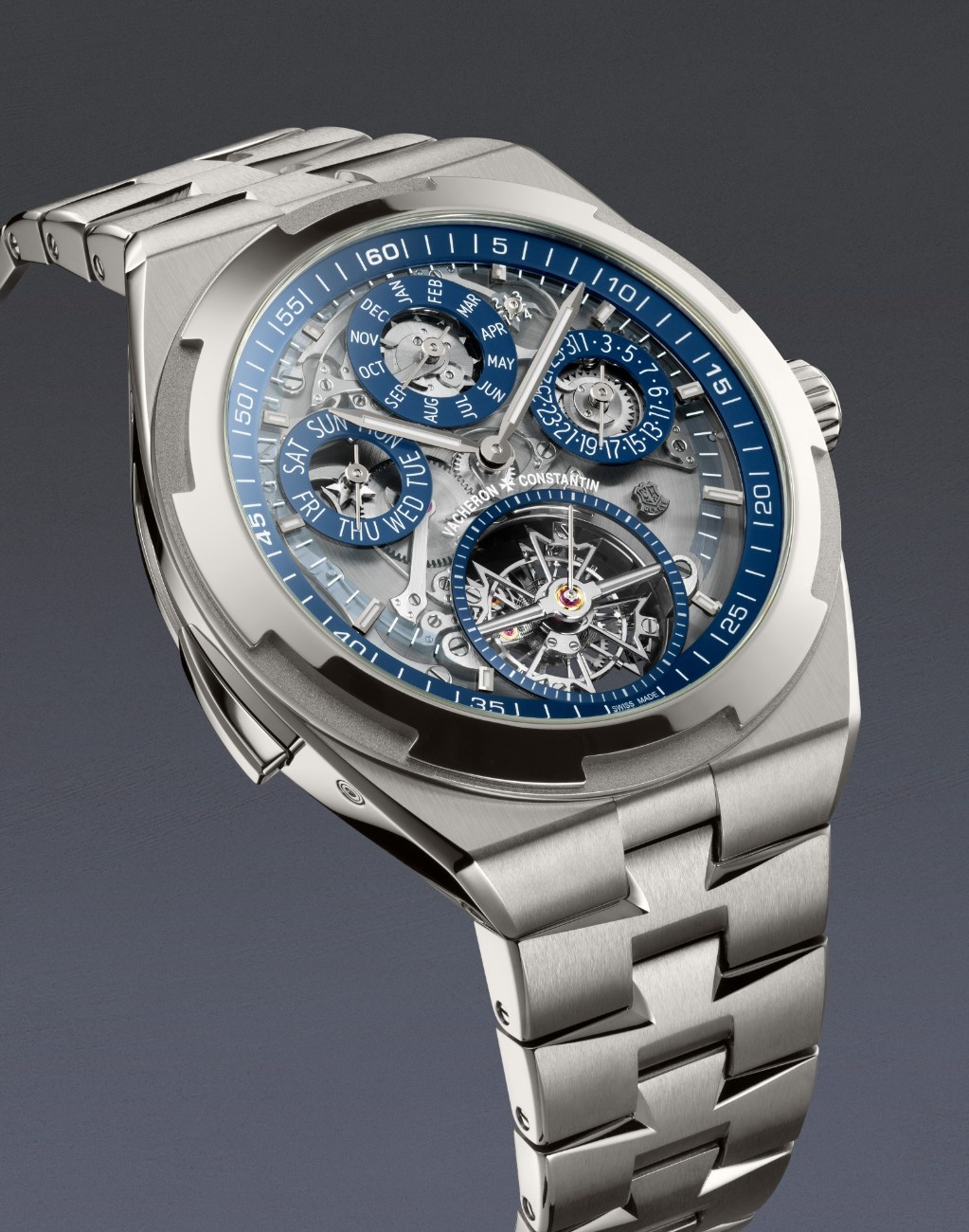
Creating a complicated watch is difficult. Making one exceptionally thin borders on obsession. Vacheron Constantin has repeatedly demonstrated its expertise by producing some of the world’s slimmest perpetual calendars, minute repeaters, tourbillons, and highly complicated calibres. Watches such as the Overseas Perpetual Calendar Ultra Thin and the Historiques Ultra Fine 1968 showcase how the maison balances mechanical complexity with remarkable elegance, proving that high complications need not come at the expense of wearability or refined proportions.
Hand Finishing That Defines Haute Horlogerie
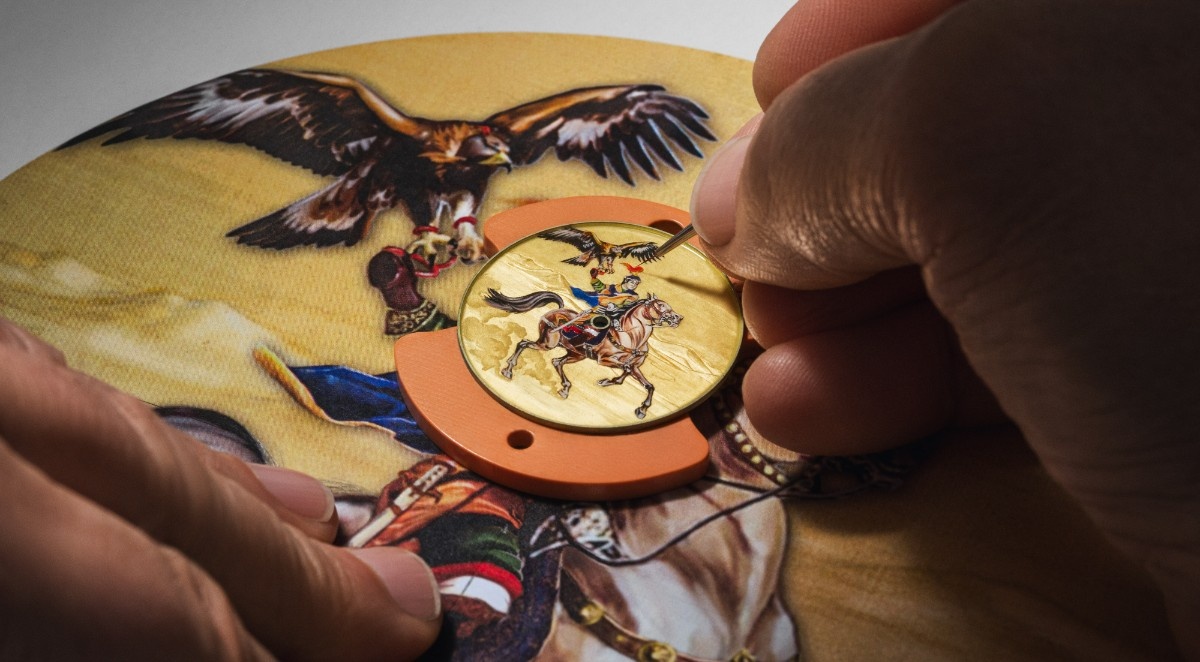
Perhaps Vacheron Constantin’s greatest innovation is not a complication at all, but its relentless commitment to finishing every component by hand. Every bridge is meticulously bevelled through traditional anglage, where each polished edge catches the light with remarkable brilliance. Steel parts receive flawless black polishing that appears black from certain angles and mirror bright from others. Interior angles, among the most difficult details in fine watchmaking, are painstakingly executed entirely by hand, while every bevel, chamfer, and decorative surface reflects hundreds of hours of artisanal labour. These finishing techniques are not merely decorative; they remain among the highest benchmarks of traditional Genevan watchmaking and continue to satisfy the demanding standards of the prestigious Hallmark of Geneva.
For more than 270 years, Vacheron Constantin has shown that true innovation is not always about inventing something entirely new. Often, it lies in refining an idea until it reaches absolute perfection. From sophisticated retrograde mechanisms and impossibly thin grand complications to masterful engraving and finishing techniques that few manufactures can replicate, the maison continues to prove that enduring excellence is built through patience, precision, and an uncompromising devotion to craftsmanship.