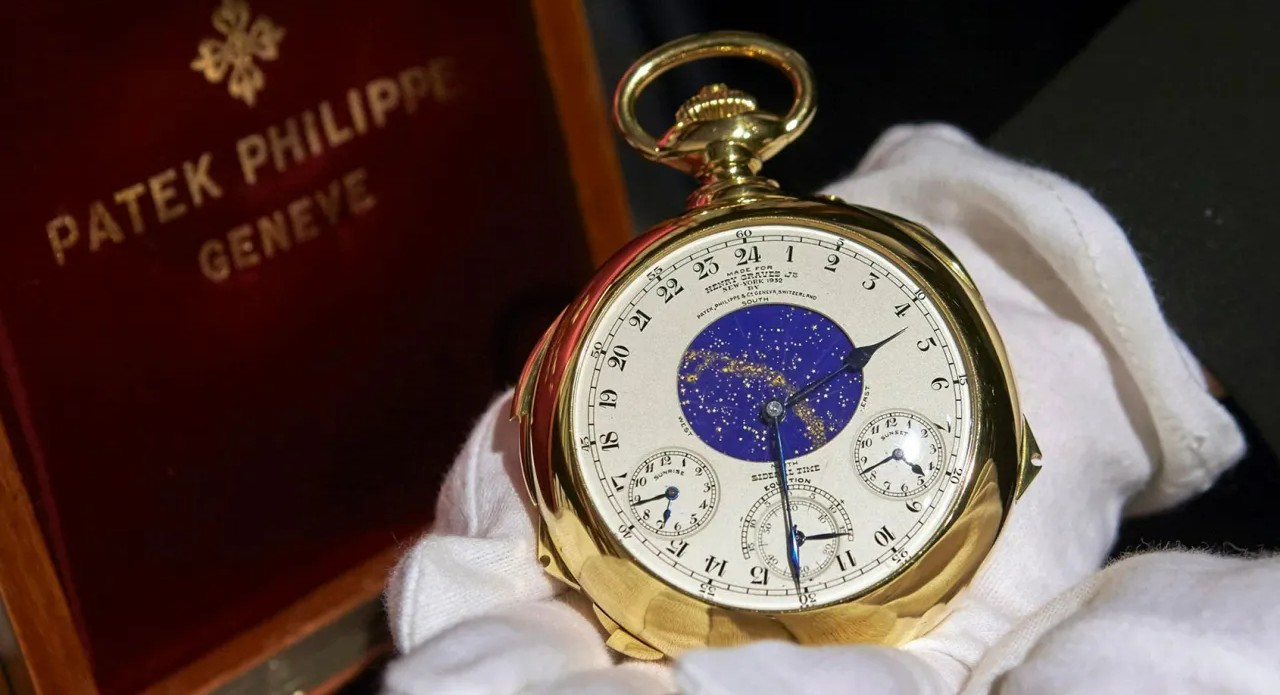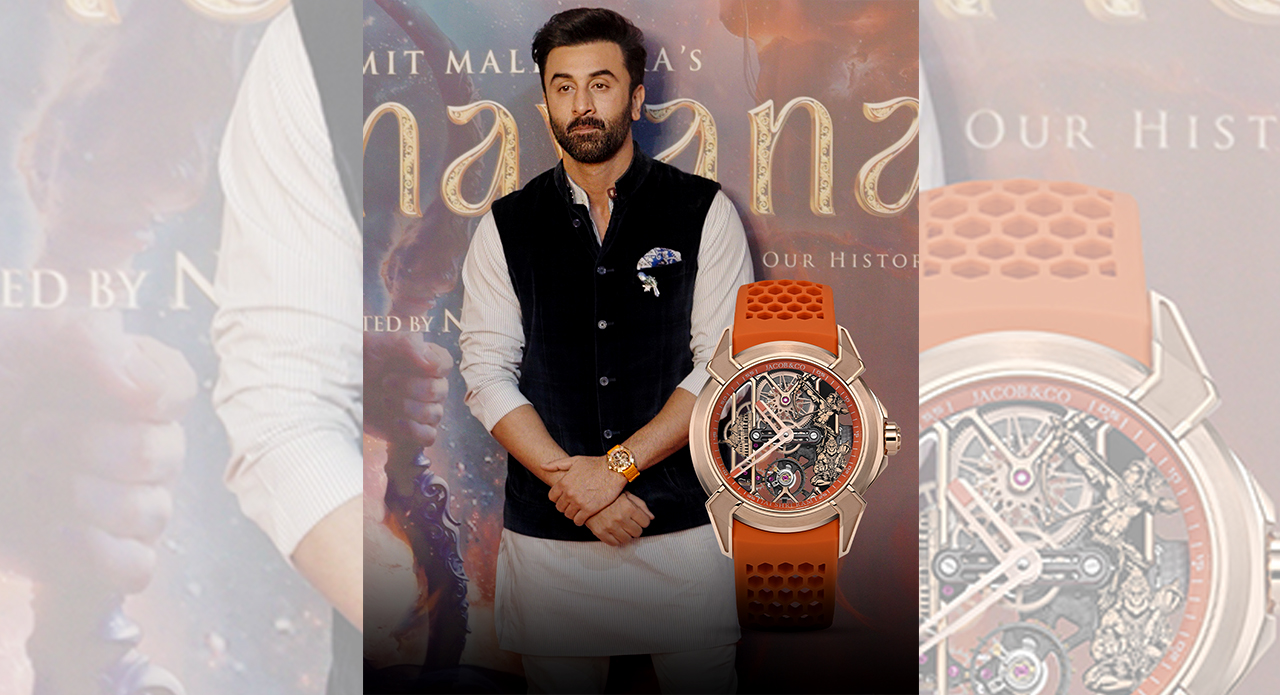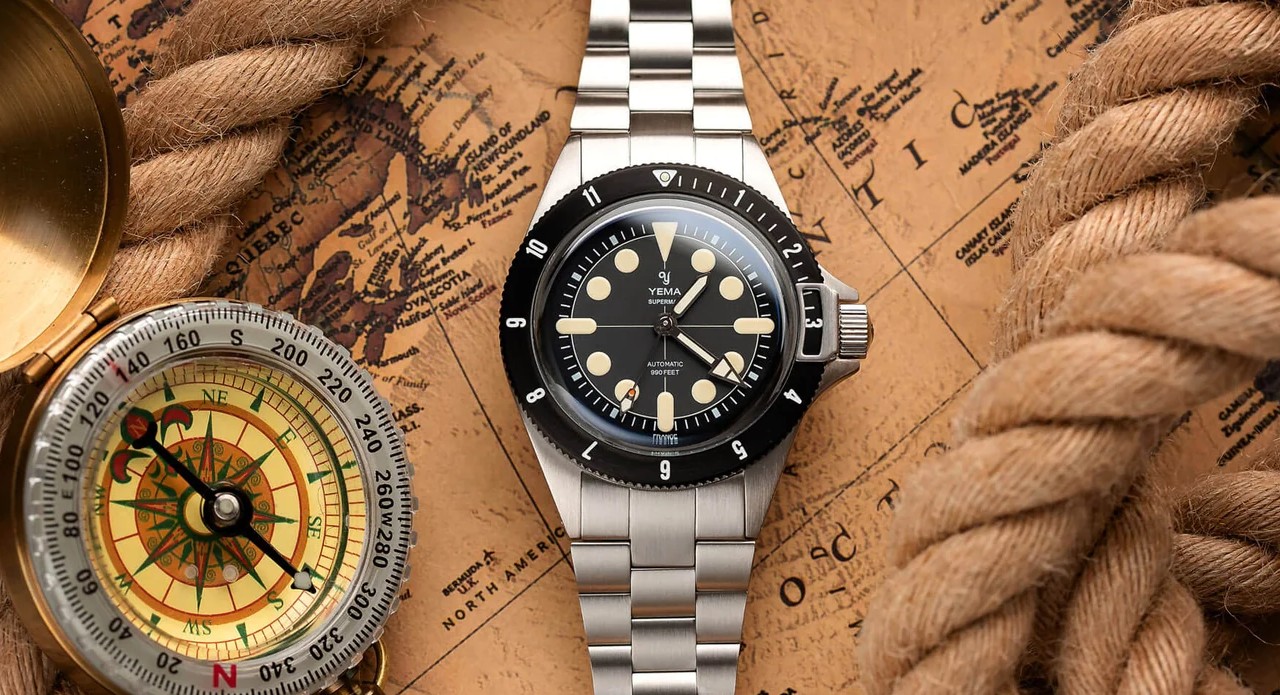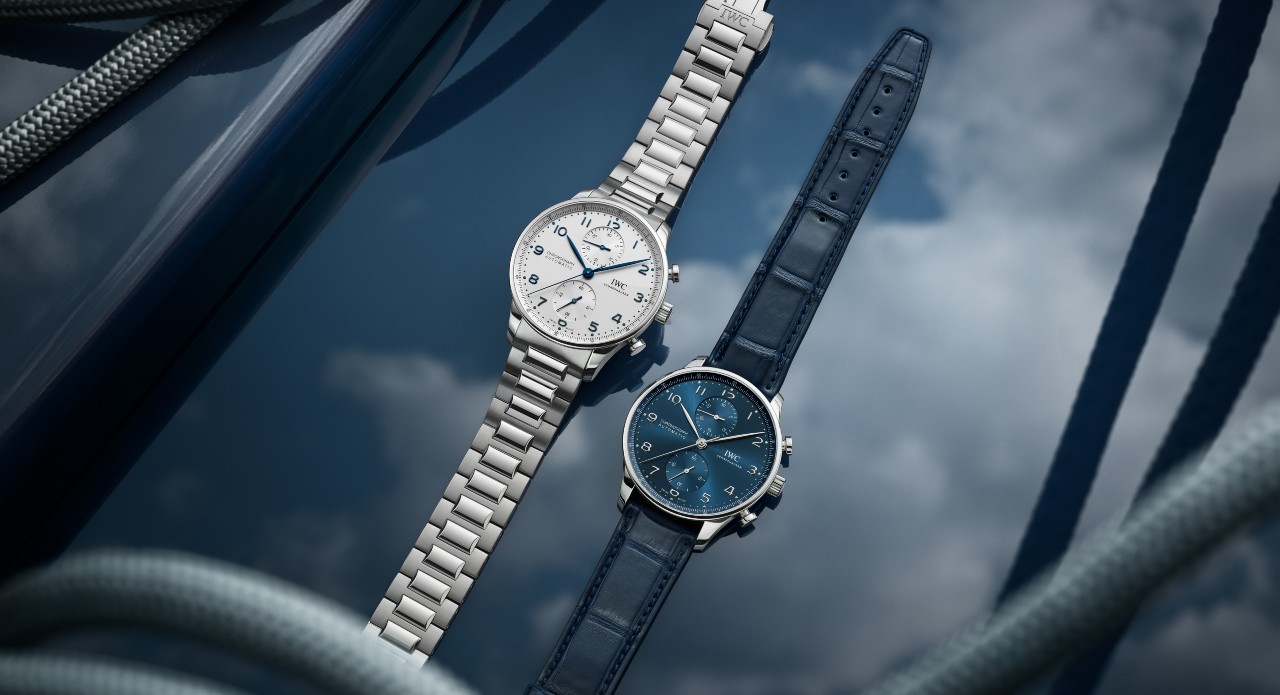


There was a time, long before glossy boutiques and velvet trays, when watchmaking was less about romance and more about survival, and it was in that rather unforgiving era of the seventeenth century that blued steel hands first emerged, not as a flourish of style, but as a brutally practical solution to the menace of rust, achieved by heating steel until it formed a delicate layer of magnetite that shielded it from corrosion, though as is often the case with truly great ideas, function soon collided with beauty, and what began as protection turned into spectacle, because that deep, shimmering blue, somewhere between midnight and madness, looked utterly magnificent against pale enamel dials, and from that moment onward, blued steel hands ceased to be merely useful and became a declaration.
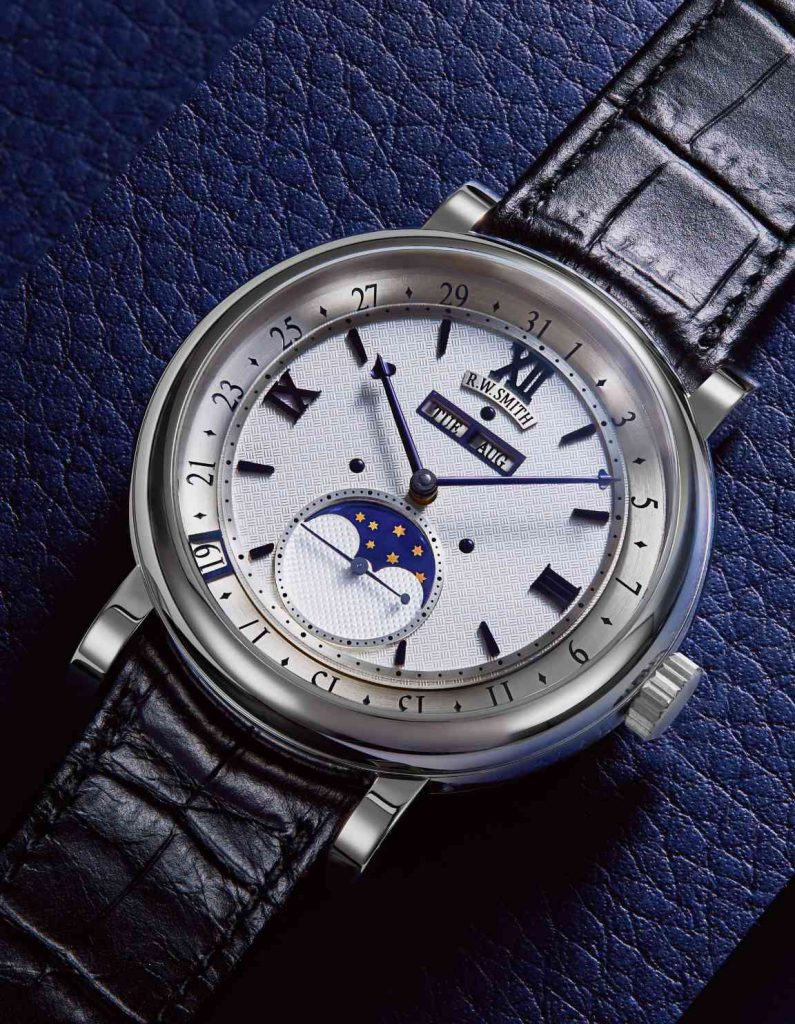
The Art of Fire and Precision
The process itself, however, is anything but simple, requiring a level of control that borders on obsession, as each hand must be polished to perfection before being subjected to heat so precise that even the slightest misjudgment in temperature or timing can turn brilliance into disaster, with shades shifting from pale blue to dark cobalt depending on the exact moment the craftsman decides enough is enough, a decision that cannot be measured by machine but only by experience, instinct, and perhaps a touch of madness, making every successful set of blued hands a quiet triumph of human skill over material unpredictability.
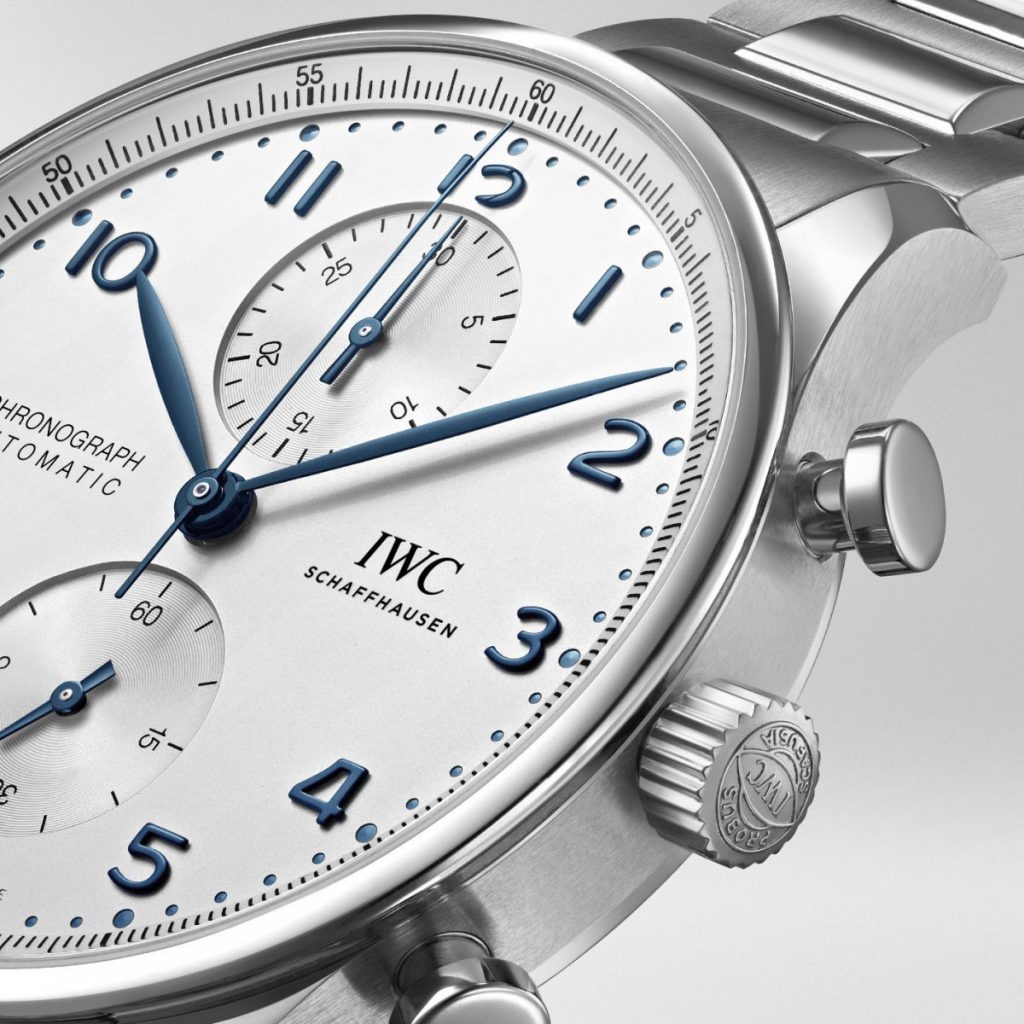
A Mark of True Craftsmanship
This is why blued steel hands are not just components but proof of intent, evidence that a watchmaker has chosen the harder path in pursuit of something finer, because achieving that perfect hue demands patience, discipline, and an uncompromising eye for detail, and in a world increasingly dominated by shortcuts, they stand as a stubborn reminder that excellence is never accidental, but always earned through effort that most will never see.
Also Read: Konstantin Chaykin ThinKing Mystery: All You Need To Know About The World’s Thinnest Watch
The Swiss Standard of Excellence
Nowhere is this philosophy more evident than in the ateliers of Patek Philippe, Vacheron Constantin, and Jaeger-LeCoultre, where tradition is not merely preserved but exercised daily with the kind of quiet confidence that comes from centuries of doing things properly, because in Swiss watchmaking, blued steel hands are more than aesthetic punctuation, they are part of a broader commitment to precision, durability, and timeless design.
Function Meets Poetry
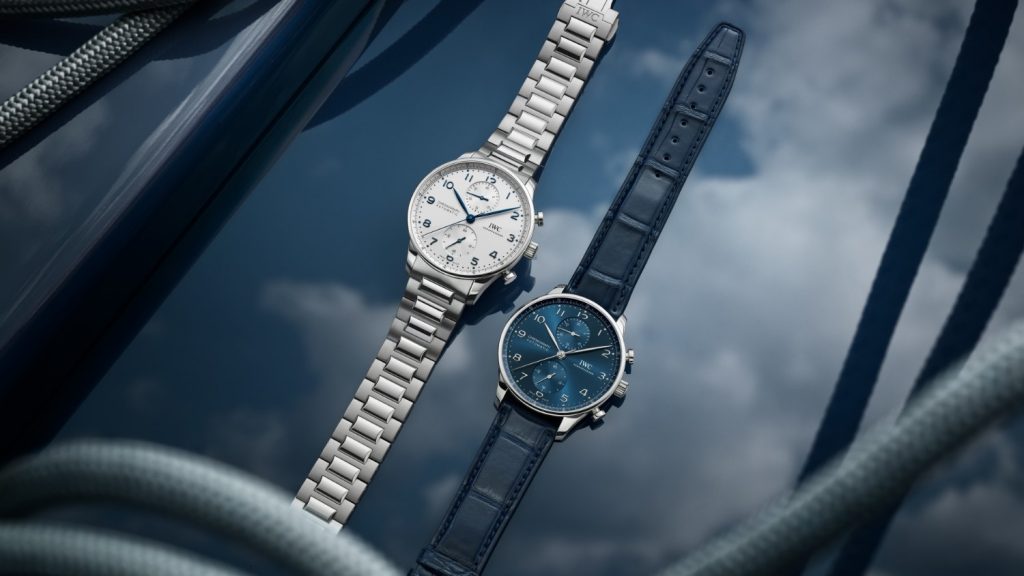
And then there is their role in readability, because beyond their beauty, blued steel hands perform a crucial function, standing in sharp contrast against lighter dials, ensuring that time can be read at a glance even in less than ideal conditions, proving that the finest details in watchmaking are never purely decorative, but always serve a purpose, however subtle it may seem.
The Final Word: Small Detail, Big Statement
And so, what appears at first glance to be a simple flick of colour is in fact a story of fire, metal, and human stubbornness, a reminder that even the smallest elements can carry the greatest weight, because in the world of fine mechanical timepieces, it is often the tiniest, most unassuming detail that whispers the loudest about quality, heritage, and the enduring pursuit of perfection.