A Guide to Medieval Architecture: Prominent Architects, Structures And Styles
Medieval architecture emerged from faith defence and craftsmanship shaping cities through monumental stone structures iconic cathedrals and fortified castles whose influence continues in modern architectural interpretation
Medieval architecture was not built to be admired from a distance while sipping coffee. It was built to survive storms invasions time and the occasional act of divine judgement. These buildings are thick walled heavy and unapologetically serious. Cathedrals climbed toward heaven castles dug into the earth and monasteries quietly organised daily life with monastic discipline. This was architecture created without computers cranes or shortcuts yet it still dominates skylines centuries later. Medieval builders did not design for trends. They designed for eternity.
What Is Medieval Architecture
Medieval architecture refers to the buildings constructed in Europe between the fall of the Roman Empire and the beginning of the Renaissance. Spanning roughly from the fifth to the fifteenth centuries it encompasses a range of styles unified by structural ingenuity and symbolic purpose. Medieval architecture was shaped by religion feudal power and emerging urban life. Buildings were designed to convey strength spirituality and social order using stone timber and hand crafted techniques.
The Historical Context Of Medieval Design
The medieval period was marked by political fragmentation religious authority and constant conflict. Architecture responded to these conditions by prioritising defence and devotion. Castles protected territories cathedrals reinforced faith and monasteries preserved knowledge. Builders developed new techniques such as vaulting buttressing and ribbed ceilings allowing structures to grow taller stronger and more expressive. Architecture became the physical expression of medieval society’s values and fears.
Also Read: Expressionist Architecture Explained: Origins, Characteristics, And Iconic Buildings
Key Characteristics Of Medieval Architecture
Medieval buildings are defined by thick stone walls small windows massive structural elements and symbolic ornamentation. Rounded arches dominate Romanesque architecture while pointed arches ribbed vaults and flying buttresses characterise Gothic design. Interiors emphasise verticality light and acoustics particularly in religious structures. Construction relied on skilled craftsmanship with stone carving sculpture and stained glass playing essential roles.
Prominent Figures Of Medieval Architecture
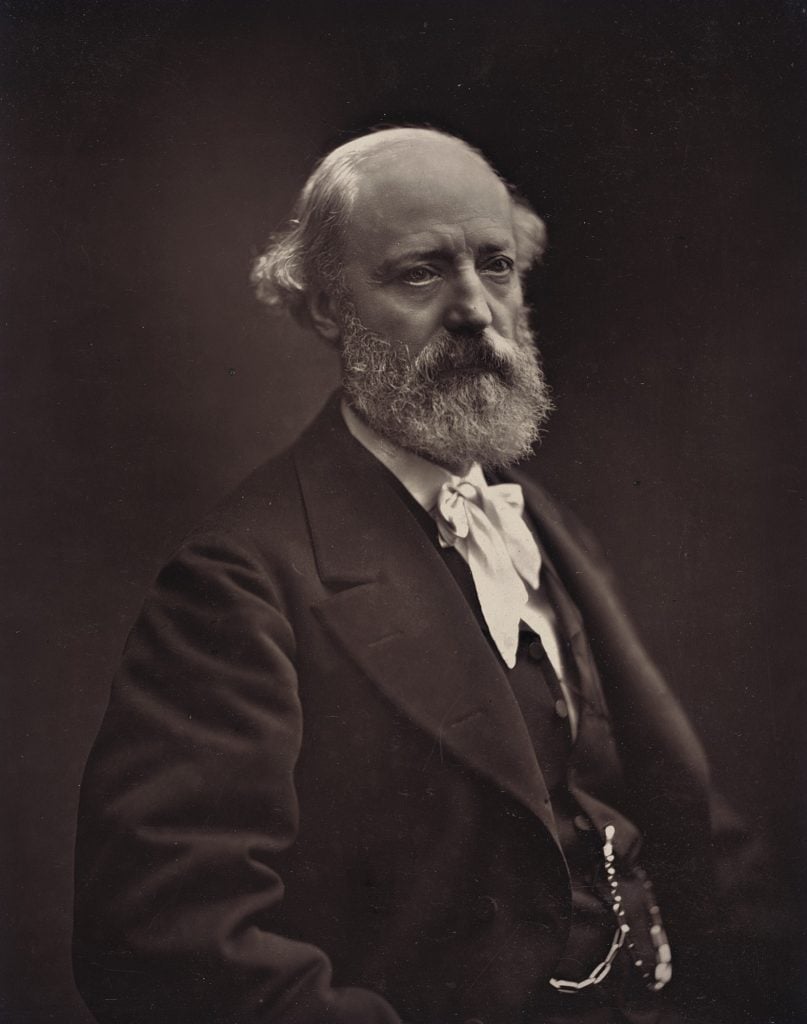
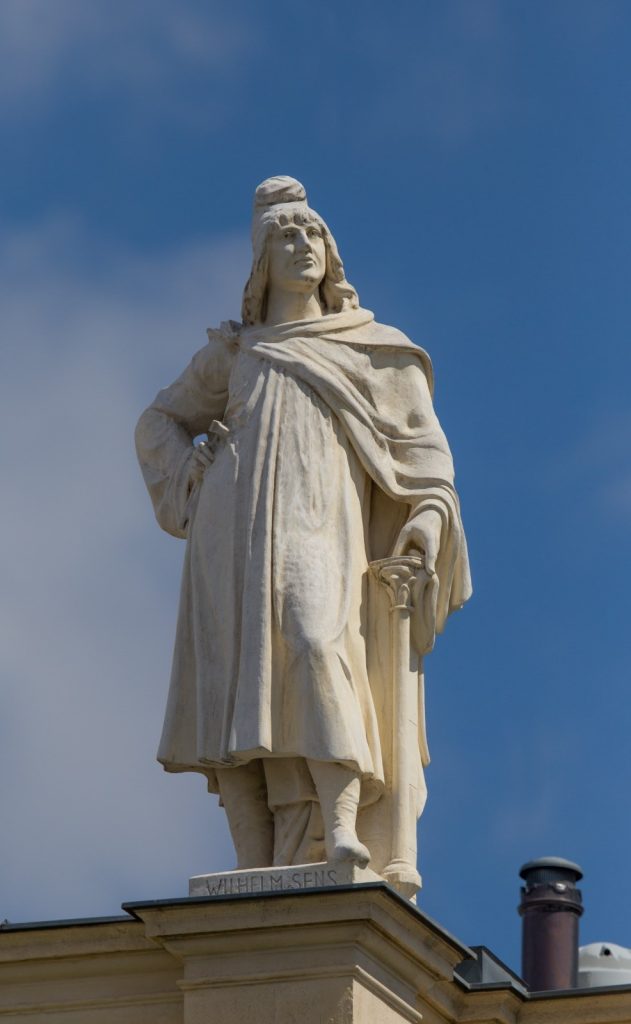
Unlike later periods medieval architecture was often shaped by master builders rather than named architects. Figures such as Abbot Suger played key roles in shaping Gothic architecture through visionary patronage. Master masons like William of Sens and Villard de Honnecourt advanced structural innovation and construction techniques. Their influence was felt through cathedrals and civic buildings across Europe even when their names were rarely recorded.
Medieval Architecture And Urban Life
Medieval architecture shaped the layout of cities through fortified walls narrow streets market squares and civic buildings. Town halls guild halls and bridges became central to daily life. Architecture organised social hierarchy commerce and governance within confined urban spaces. These medieval city patterns continue to influence European urban planning today.
Modern Interpretations Of Medieval Architecture
Modern architects continue to draw inspiration from medieval principles of structure symbolism and material honesty. Gothic revival architecture of the nineteenth century revived pointed arches and vertical emphasis. Contemporary architects reinterpret medieval elements through modern materials creating buildings that emphasise solidity permanence and light. Medieval architecture’s emphasis on craft and meaning resonates strongly in today’s search for authenticity.
Notre Dame Cathedral, Paris, France
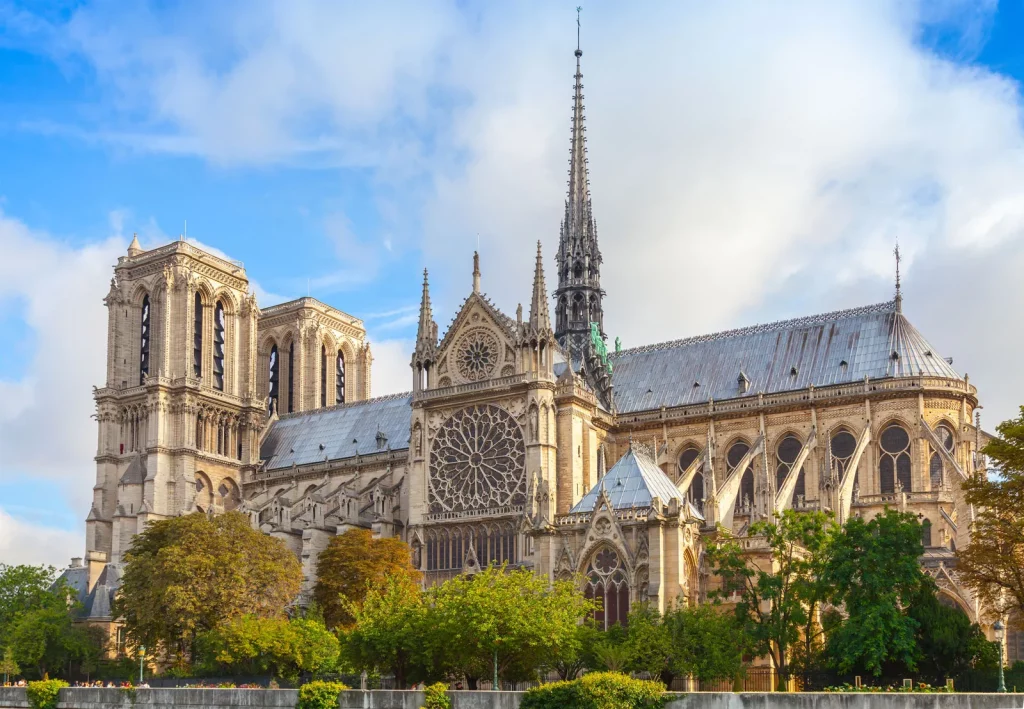
Notre Dame Cathedral stands as one of the greatest achievements of medieval Gothic architecture. Constructed between the twelfth and fourteenth centuries it introduced structural innovations such as flying buttresses that allowed walls to dissolve into light filled stained glass. Beyond its engineering brilliance Notre Dame became a spiritual and civic symbol of Paris embodying the medieval belief that architecture could physically connect earth and heaven. Its scale craftsmanship and symbolism continue to define the Gothic era.
Chartres Cathedral, Chartres, France
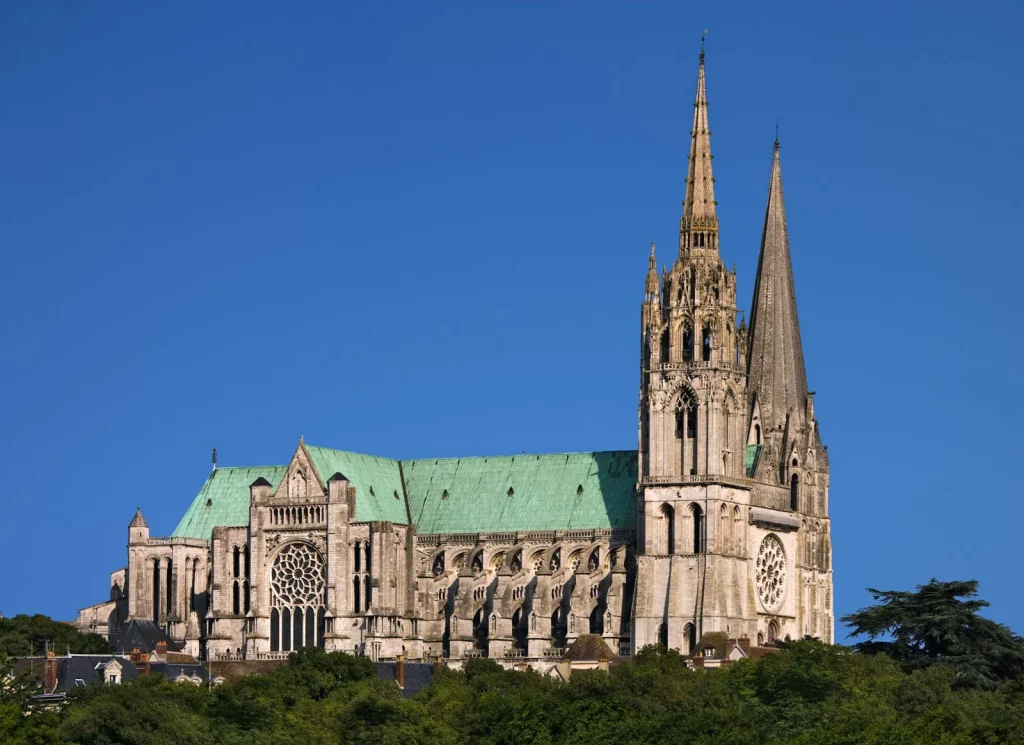
Chartres Cathedral is widely regarded as the most complete and spiritually powerful Gothic cathedral in Europe. Its vast stained glass windows largely intact since the thirteenth century flood the interior with symbolic colour and narrative light. The cathedral demonstrates medieval mastery of proportion structure and storytelling using architecture as a teaching tool for faith. Chartres remains a benchmark for sacred design and medieval craftsmanship.
The Tower Of London, London, England
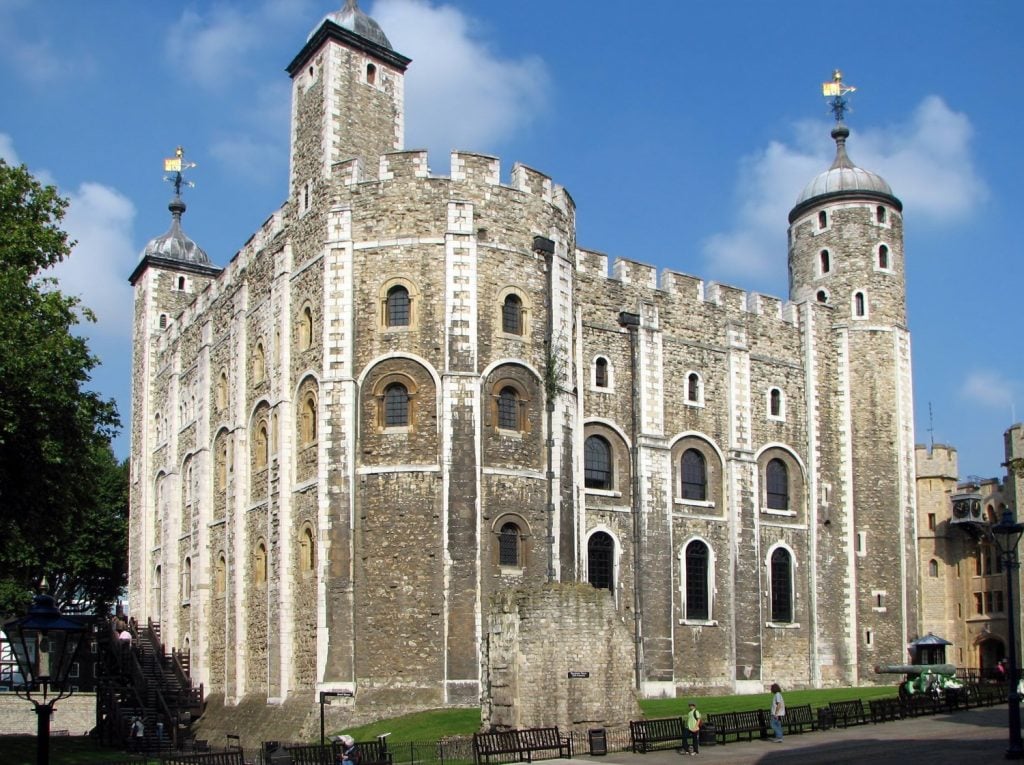
The Tower of London represents medieval architecture built for authority control and survival. Constructed by William the Conqueror in the eleventh century its massive stone walls and defensive planning reflected Norman power over England. Over centuries it functioned as fortress palace prison and treasury. The Tower illustrates how medieval architecture combined military strategy with political symbolism making buildings instruments of governance.
Mont Saint Michel, Normandy, France
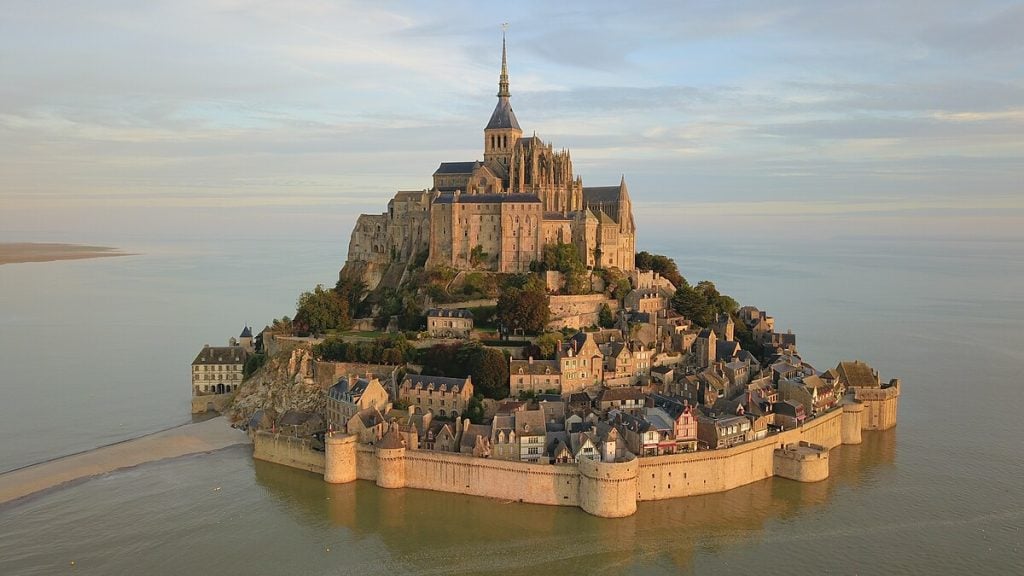
Mont Saint Michel is one of the most dramatic medieval architectural achievements ever constructed. Rising from a tidal island its abbey monastery and fortifications were built over centuries creating a vertical composition that mirrors medieval spiritual hierarchy. Engineering challenges posed by tides terrain and isolation were overcome through ingenuity and persistence. The site stands as a powerful example of how medieval builders adapted architecture to extreme natural conditions.
Cologne Cathedral, Cologne, Germany
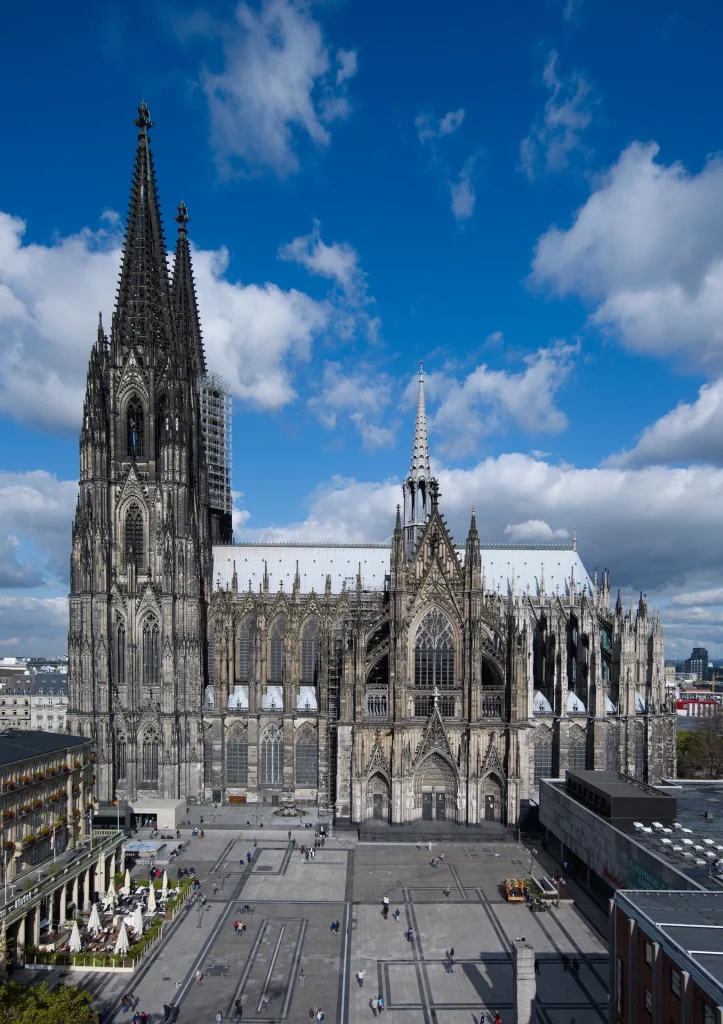
Cologne Cathedral is a monumental expression of medieval ambition and patience. Construction began in the thirteenth century but was completed centuries later following original Gothic plans. Its towering spires ribbed vaults and immense scale represent the medieval pursuit of divine grandeur through architecture. Cologne Cathedral remains one of the largest Gothic churches in Europe and a lasting testament to medieval structural vision.