How Atelier ARS Became One Of Mexico’s Most Influential Architectural Practices
Founded by Alejandro Guerrero and Andrea Soto, Atelier ARS is redefining contemporary Mexican architecture through material honesty, landscape sensitive design, and spaces rooted in local identity
Some architectural practices design buildings. Others shape the way a nation sees itself. Atelier ARS belongs firmly to the latter. Founded in Guadalajara by Alejandro Guerrero and Andrea Soto, the studio has quietly established itself as one of Mexico’s most compelling contemporary voices, producing architecture that is deeply rooted in its landscape without ever becoming nostalgic. Their buildings do not compete with nature or history. Instead, they draw strength from both, allowing volcanic stone, brick, concrete and filtered light to become storytellers in their own right. Every wall, courtyard and threshold feels carefully composed to celebrate the rituals of everyday life while responding honestly to the climate, culture and geography that surround it. Rather than chasing international trends, Atelier ARS demonstrates that architecture achieves its greatest relevance when it grows from the character of its place. In doing so, the practice has redefined what contemporary Mexican architecture can be, proving that timeless design often begins by listening rather than imposing.
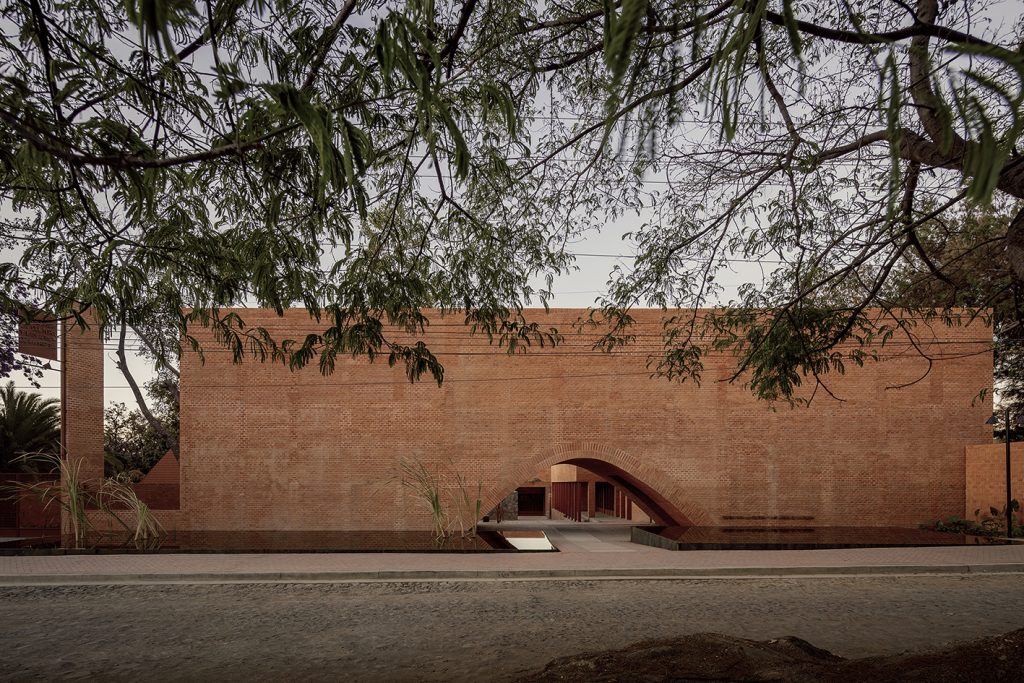
Architecture rooted in the landscape
For Atelier ARS, the landscape is never treated as a backdrop. It becomes an active participant in every project. Their work responds to the geography of Jalisco, where volcanic terrain, expansive horizons and changing light shape both the form and atmosphere of each building. Rather than altering the land, the architects allow their structures to emerge naturally from it, creating an intimate dialogue between architecture and environment. This sensitivity gives their projects an authenticity that feels inseparable from their location.
Also Read: Sculpting With Timber: The Visionaries Behind Extraordinary Wooden Architecture
The Tequila Offices and Warehouse transforms industry into architecture
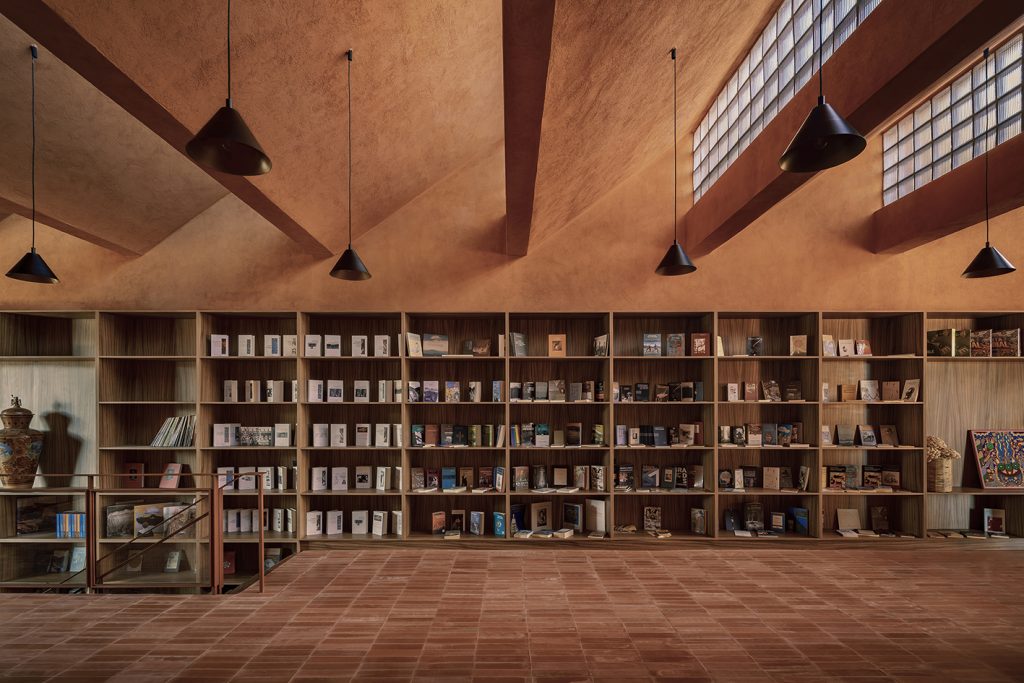
The Tequila Offices and Warehouse in Tepatitlán perfectly illustrates the studio’s philosophy. Embedded within the volcanic landscape, the complex sits low within the terrain, preserving uninterrupted views across the surrounding countryside while minimising its visual impact. Inside, traditional brick vaults, load bearing masonry walls and monumental buttresses coexist with the precise requirements of industrial production. Carefully filtered daylight softens the working environment, transforming an ordinary warehouse into a space that feels almost spiritual, where craftsmanship and manufacturing become part of the architectural experience.
West End House reinterprets Mexican modernism
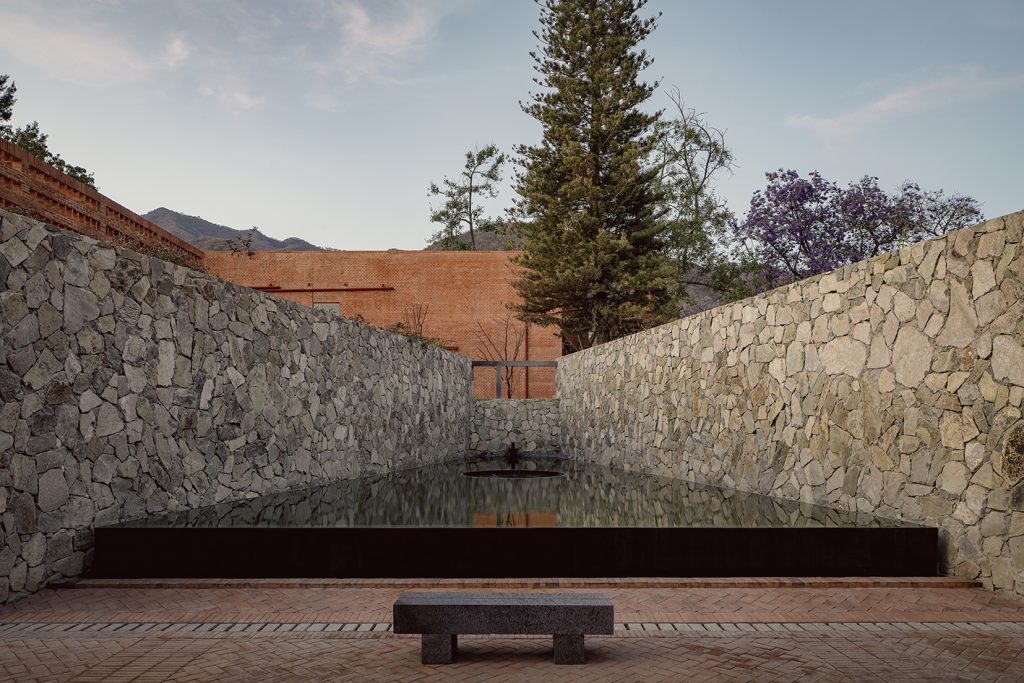
Located in Guadalajara, the West End House celebrates the material language of Mexico’s mid century architecture without resorting to imitation. Terrazzo floors, cement tiles, glass blocks and slender steel framed windows are reimagined through a contemporary lens, creating interiors that feel both familiar and remarkably fresh. Rather than preserving history as a static memory, the house demonstrates how regional traditions can continue evolving while remaining deeply connected to their origins.
Also Read: How Imre Makovecz Used Organic Architecture To Express A Nation’s Identity
Materials become the architecture
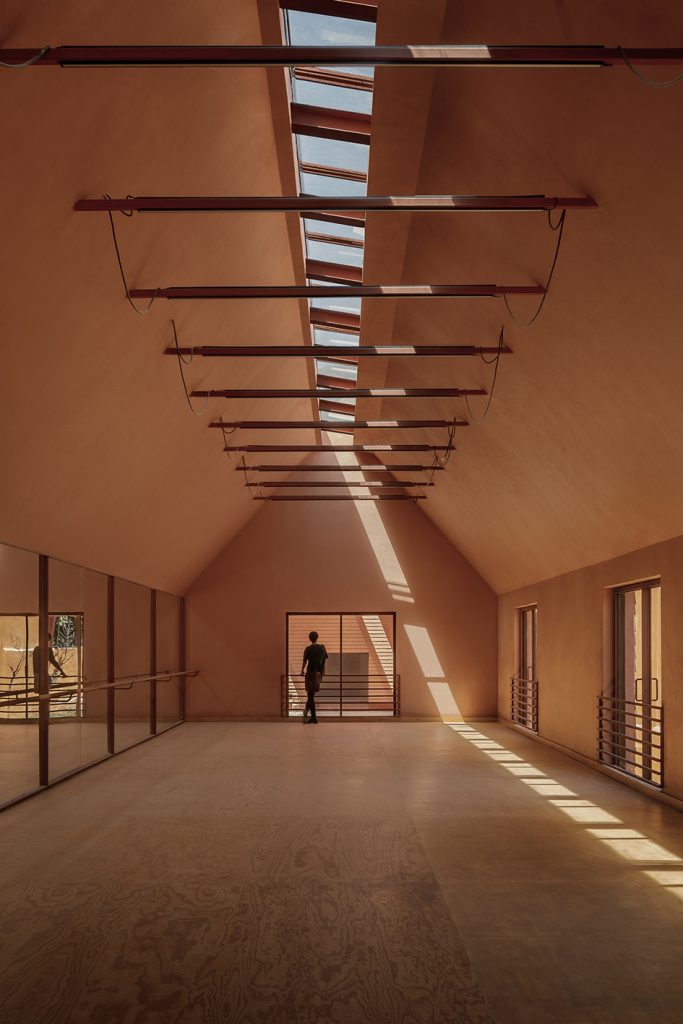
Atelier ARS avoids unnecessary ornamentation, allowing materials to define both structure and atmosphere. Brick, exposed concrete, natural stone and carefully crafted timber are selected for their permanence, texture and honesty rather than decoration. This restrained material palette creates buildings that age gracefully, gaining character through time while maintaining their architectural clarity.
Why Atelier ARS matters today
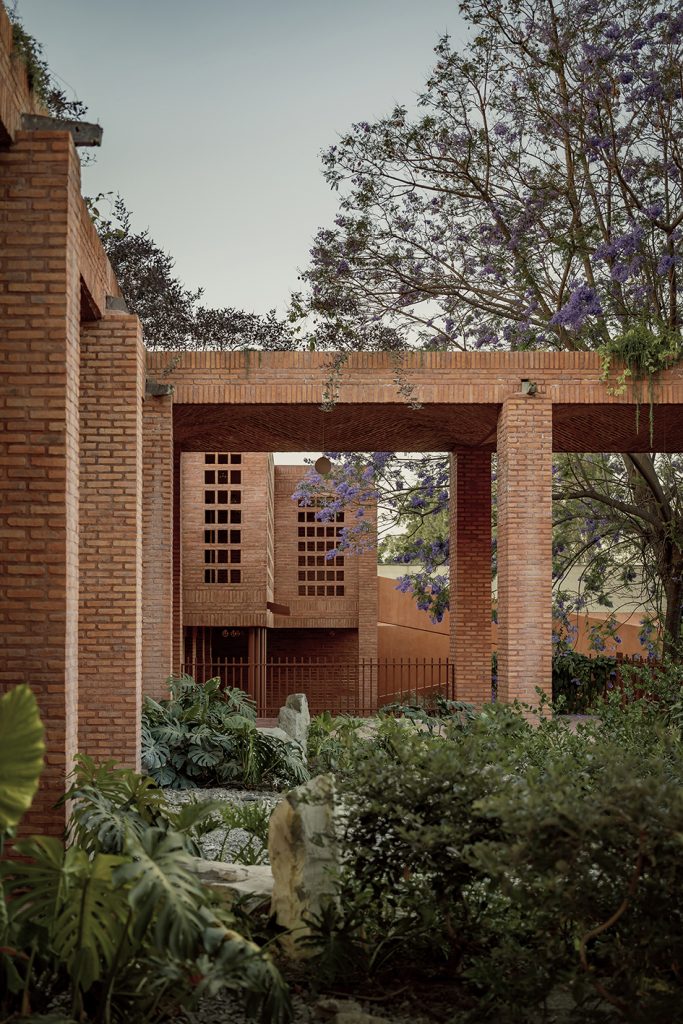
In an era where architecture often pursues spectacle, Atelier ARS reminds us that lasting design emerges from restraint, context and human experience. Their projects celebrate local identity without becoming sentimental, demonstrating that contemporary architecture can remain globally relevant while staying deeply rooted in its cultural landscape. By transforming ordinary materials into extraordinary spaces, Alejandro Guerrero and Andrea Soto have established Atelier ARS as one of Mexico’s most influential architectural practices, proving that architecture is at its most powerful when it enriches everyday life rather than simply occupying it.