Top Architecture in Brazil: TopArchitects The Redefine Brazilian Design
Brazilian architects have over the years placed Brazil at the forefront of 20th century architecture through groundbreaking buildings that continue to inspire the world
Brazil doesn’t really do boring buildings. It never has. While much of the twentieth century was busy constructing neat little boxes in steel and glass, Brazilian architects were drawing curves inspired by mountains, balancing enormous slabs of concrete as though gravity were merely a polite suggestion, and designing museums, homes and civic spaces that felt more like works of art than buildings. The country’s architecture became an extension of its landscape and culture, blending tropical climate, engineering innovation and fearless creativity into structures that remain among the most influential ever built. From modernism and Brutalism to contemporary sustainable design, Brazil has produced some of the greatest architectural minds of the past century. Here are five visionaries whose work continues to shape architecture across the globe.
Oscar Niemeyer
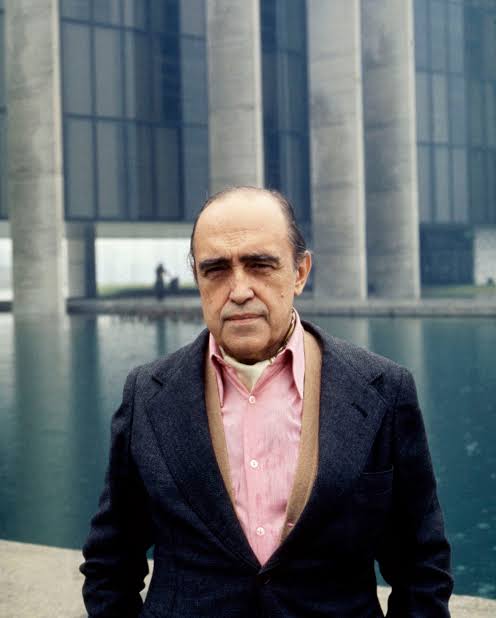
No architect is more closely associated with Brazil than Oscar Niemeyer. Born in Rio de Janeiro in 1907, Niemeyer revolutionised modern architecture by rejecting rigid geometry in favour of flowing curves inspired by Brazil’s mountains, coastline and the human form. Working closely with reinforced concrete, he transformed a traditionally heavy material into structures that appeared almost impossibly light and sculptural.
His most celebrated creation remains Cathedral of Brasília, where sixteen sweeping concrete columns rise dramatically towards the sky, flooding the interior with natural light through stained glass. Equally iconic is the National Congress of Brazil, whose contrasting domes and elegant twin towers have become enduring symbols of Brazil’s capital and one of the defining images of twentieth century modernism.
Also Read: Meet Ana María Gutiérrez, The Colombian Architect Redefining Bamboo Architecture
Lina Bo Bardi

Italian born but proudly Brazilian by choice, Lina Bo Bardi transformed architecture into a deeply human experience. Rather than designing monumental buildings simply to impress, she focused on creating spaces that encouraged interaction, culture and community. Her work seamlessly combined modernist principles with Brazilian craftsmanship, local materials and social inclusivity.
Her masterpiece is undoubtedly the São Paulo Museum of Art, instantly recognisable for its enormous suspended concrete structure that appears to float above the city, creating a generous public plaza beneath. Equally influential is SESC Pompéia, where a former factory was transformed into one of the world’s most celebrated cultural centres, connected by dramatic elevated concrete walkways that have become architectural icons.
Paulo Mendes da Rocha
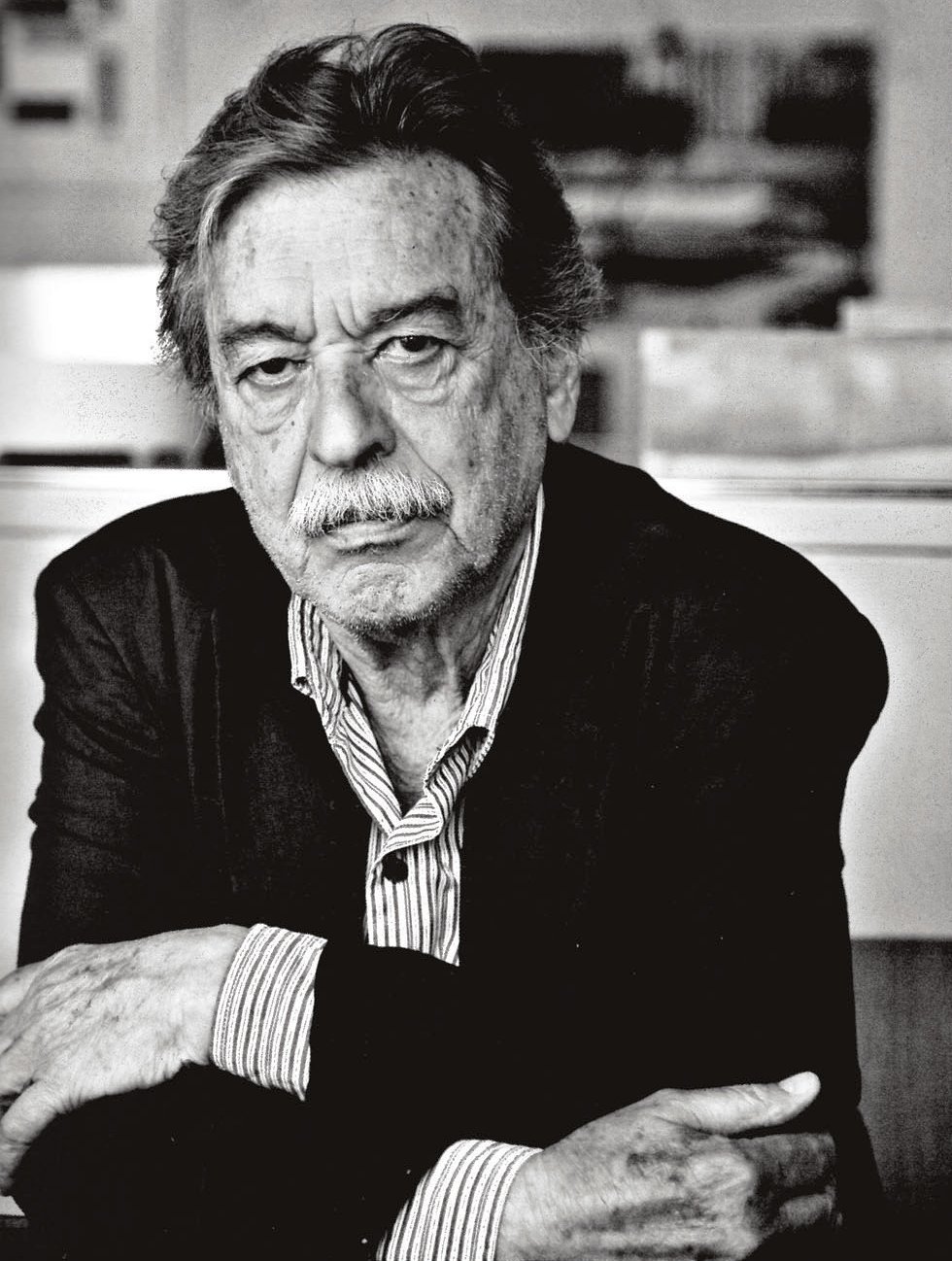
Few architects embraced concrete with greater confidence than Paulo Mendes da Rocha. Born in Vitória in 1928, he became one of the leading figures of Brazilian Brutalism, using exposed concrete not simply as a structural material but as an expressive architectural language. His work consistently demonstrated that monumental buildings could remain deeply connected to public life.
Among his finest works is the Brazilian Sculpture Museum, where an enormous cantilevered concrete beam creates one of the most striking public spaces in Latin America. Another landmark is the Pinacoteca do Estado de São Paulo, whose sensitive restoration and contemporary interventions transformed one of Brazil’s oldest museums into a celebrated example of adaptive architecture.
Also Read: Masters of Steel: Architects Behind the World’s Most Iconic Structures
Marcio Kogan
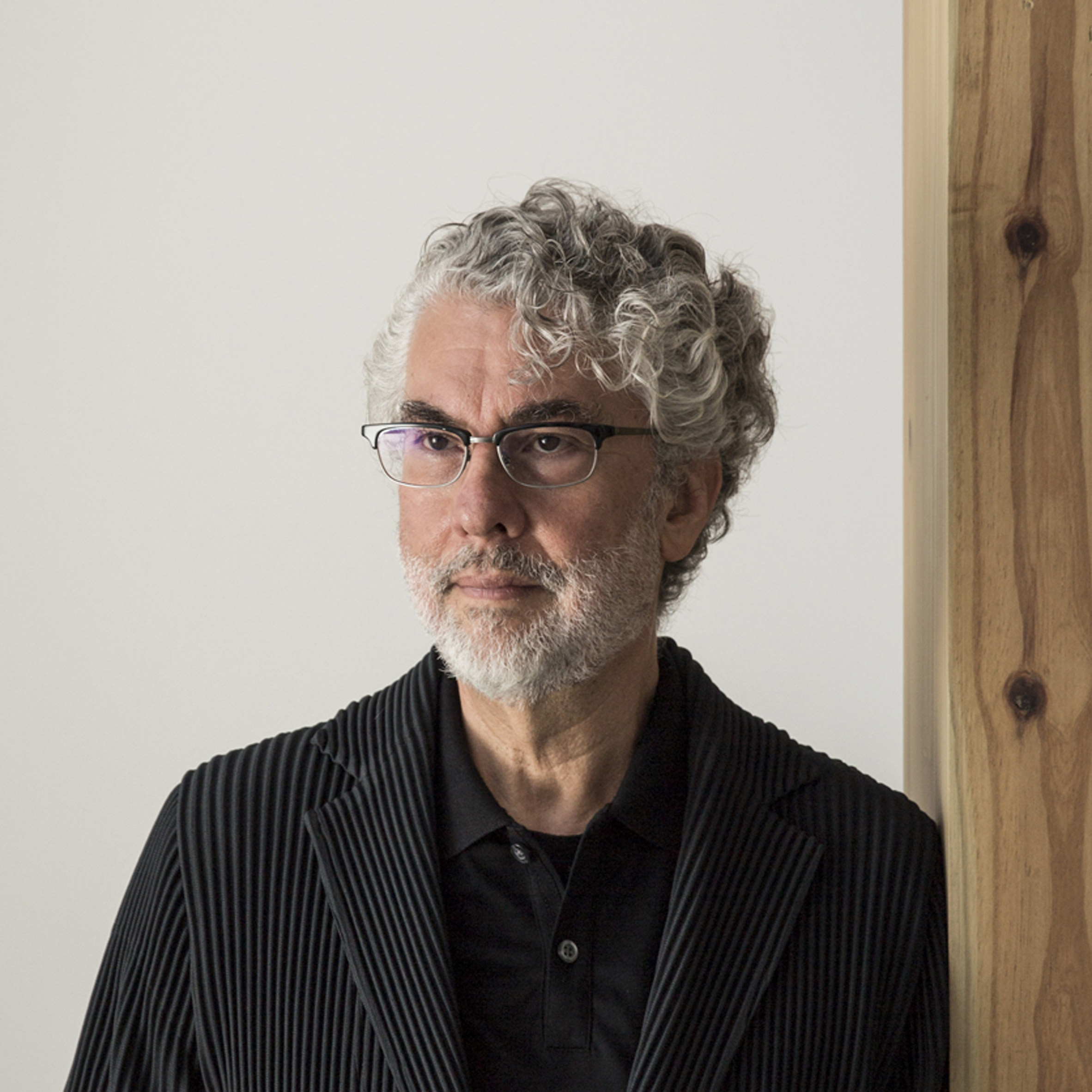
Contemporary Brazilian architecture would be incomplete without Marcio Kogan, founder of Studio MK27. His work blends minimalist design with tropical living, creating luxurious homes that dissolve the boundary between indoors and outdoors. Large sliding glass walls, natural ventilation, warm materials and carefully framed landscapes have become signatures of his architecture.
Among his most acclaimed projects is the Casa Paraty, where monumental concrete volumes appear to float effortlessly above the surrounding Atlantic Forest. Equally celebrated is Casa Toblerone, a striking residence defined by its elongated geometric form and seamless integration with nature, showcasing Kogan’s restrained yet highly sophisticated architectural language.
Isay Weinfeld

If Niemeyer celebrated bold expression, Isay Weinfeld perfected understatement. Renowned for his elegant residences, boutique hotels and cultural buildings, Weinfeld creates architecture through impeccable proportions, refined materials and subtle detailing rather than dramatic gestures. His projects embody contemporary Brazilian luxury at its most sophisticated.
Two of his most recognised works include the Hotel Fasano Boa Vista, where understated architecture blends effortlessly into the surrounding landscape, and the Square Nine Hotel Belgrade, an internationally acclaimed hotel that demonstrates his refined approach beyond Brazil’s borders through warm interiors, exceptional craftsmanship and timeless design. Brazilian architecture has never been about following trends. It has consistently challenged conventions, transforming concrete into sculpture, public buildings into cultural landmarks and homes into seamless extensions of nature.