

Steel has always represented the perfect meeting point between engineering and imagination. Unlike traditional materials that often dictated the limits of architectural form, steel gave designers the freedom to rethink scale, structure and movement. It allowed cities to rise vertically, bridges to stretch across impossible distances and buildings to take shapes that once belonged only to sketches. But the true magic of steel was never just its strength; it was the way visionary architects transformed this industrial material into something expressive, elegant and deeply human.
From the exposed frameworks of modern landmarks to soaring cultural institutions and futuristic skyscrapers, steel became a symbol of progress and possibility. It could appear weightless despite its power, delicate despite its durability and artistic despite its industrial origins. The world’s greatest architects understood that steel was not merely a construction element but a creative language, one that could reveal the relationship between technology, nature and human ambition. These masters used steel to create structures that did not simply occupy cities but changed the way people experienced them.
Norman Foster
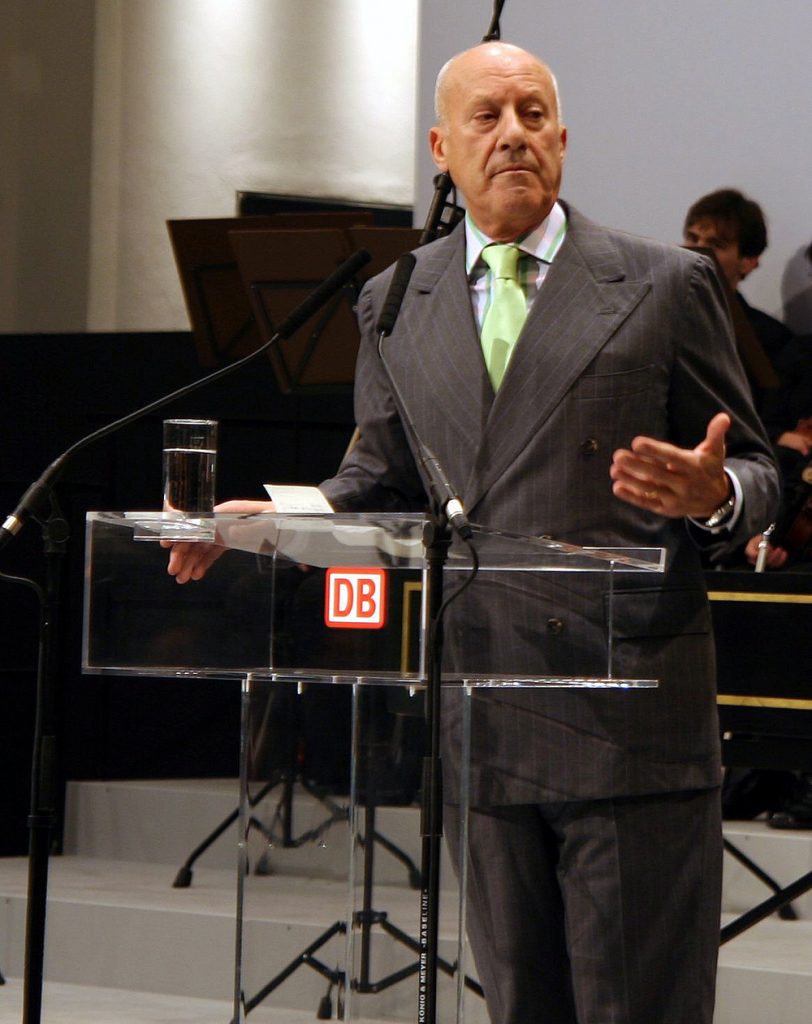
One of the greatest architects to demonstrate how steel can combine technological precision with visual beauty. Through his practice Foster + Partners, Foster has created structures where engineering becomes almost invisible, allowing buildings to appear lighter than their scale suggests. His work, including the 30 St Mary Axe and the Millennium Bridge, shows steel as a material of efficiency, elegance and futuristic design.
Also Read: Top Belgian Architects Who Shaped Modern Architecture
Santiago Calatrava
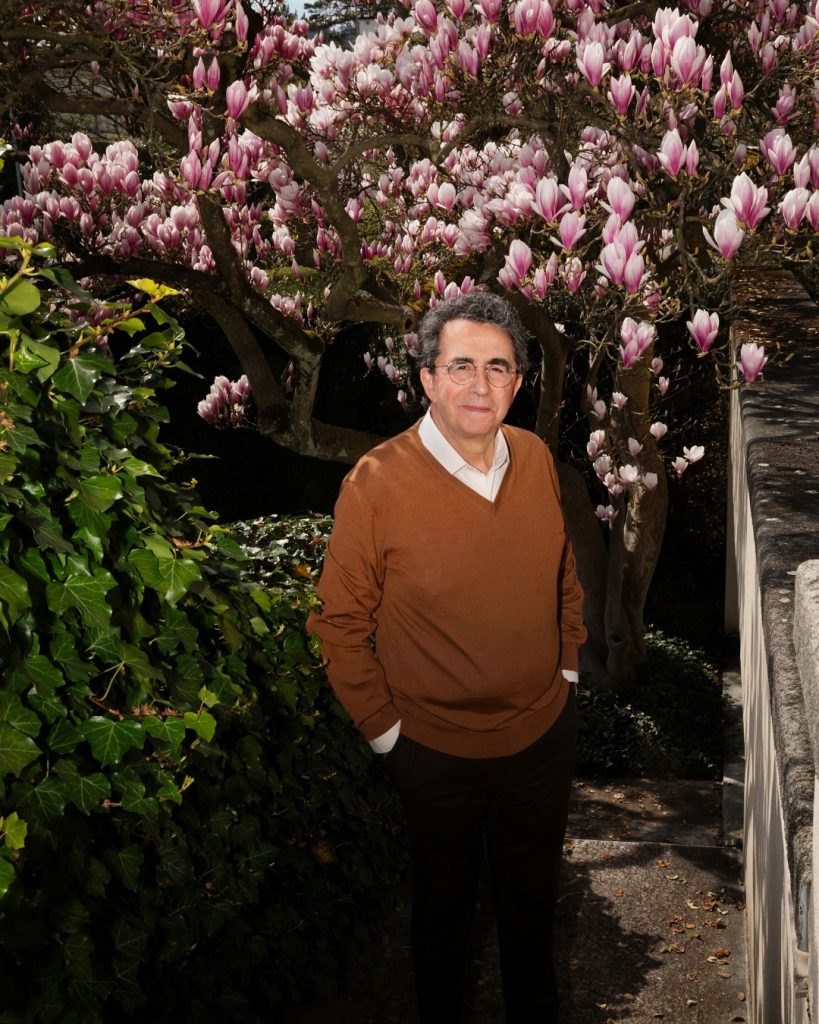
He has one of the most recognisable relationships with steel architecture. A trained engineer and architect, Calatrava uses steel to create structures inspired by nature, anatomy and motion. His buildings often resemble wings, skeletons or organic forms frozen in movement. Projects such as the Milwaukee Art Museum and World Trade Center Transportation Hub demonstrate how steel can become a sculptural language rather than simply a structural system.
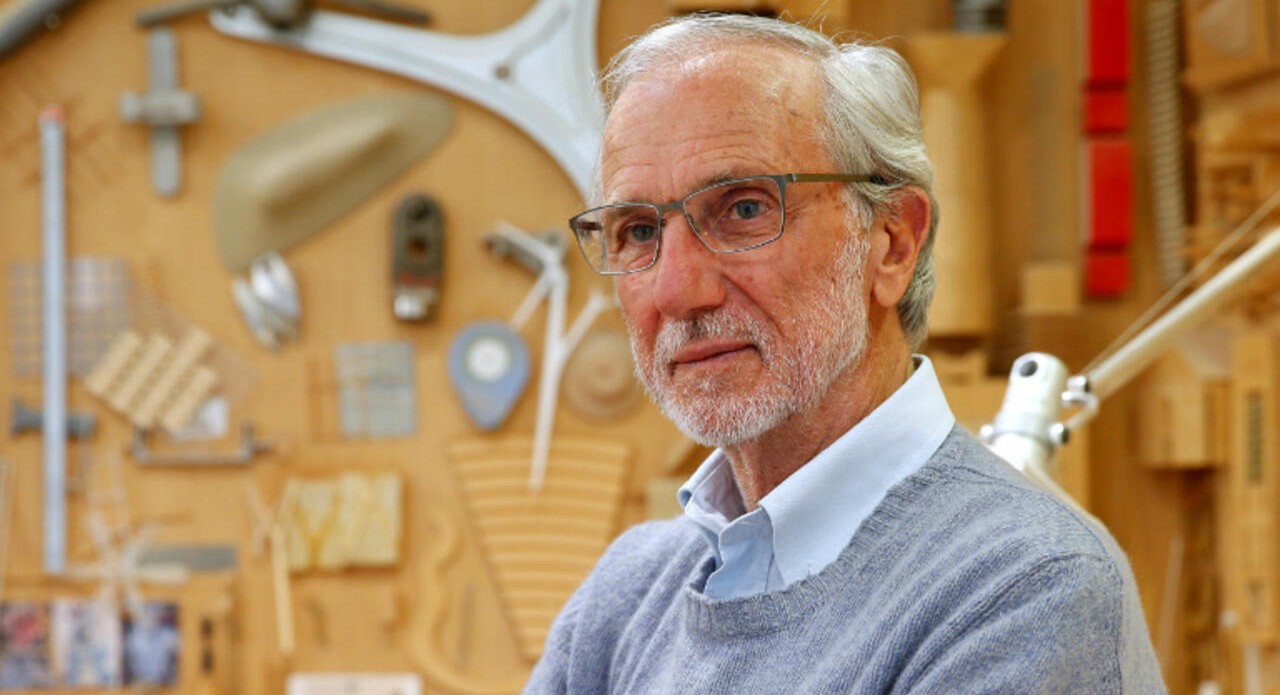
Renzo Piano
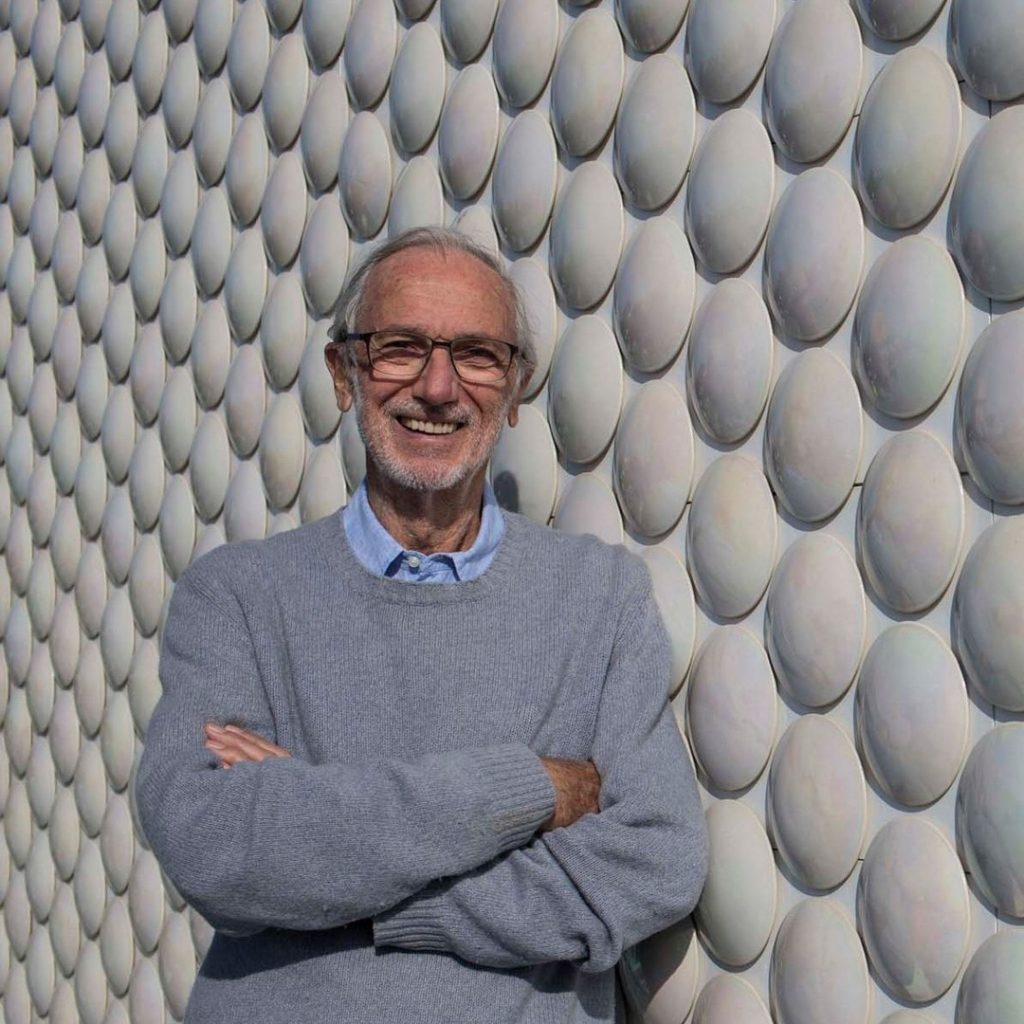
An architect who has spent decades exploring how steel can create architecture that feels open, transparent and human. Rather than using steel only as a symbol of power, Piano often uses it to achieve delicacy and refinement. His buildings combine advanced engineering with a strong sensitivity to light and atmosphere. The Centre Pompidou, designed with Richard Rogers, became a landmark example of exposing structural systems and celebrating the beauty of engineering.
Also Read: Top Sports Centres That Have Become Global Architectural Icons
Richard Rogers
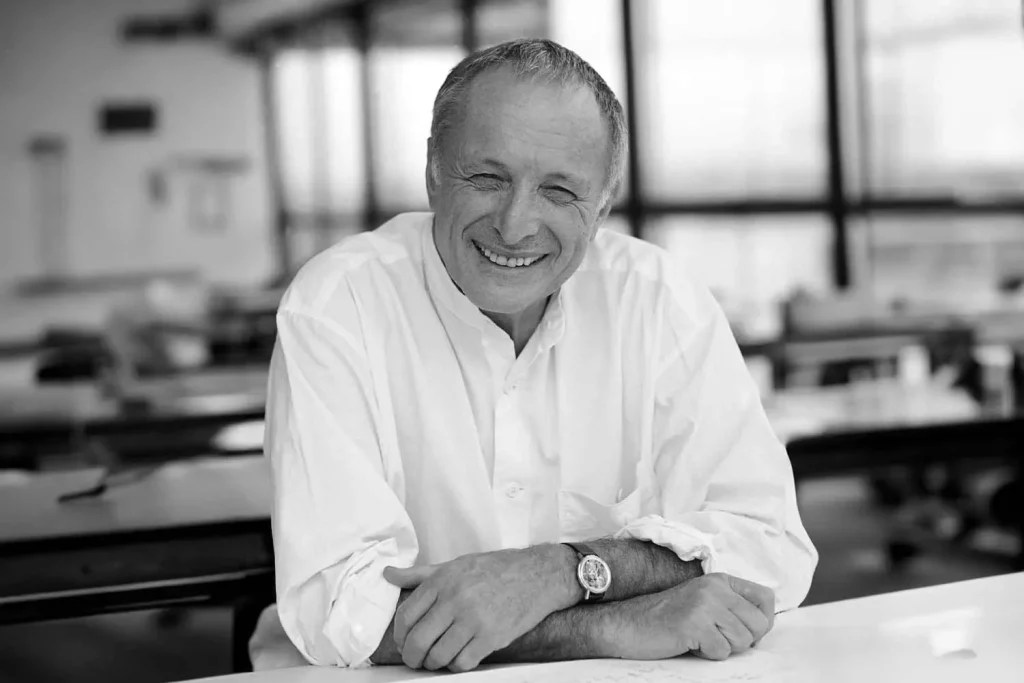
This architect transformed steel architecture by making the structure itself the star of the building. A pioneer of high-tech architecture, Rogers believed that pipes, frames and mechanical systems did not need to be hidden. Instead, they could become part of the visual identity of a building. The Lloyd’s building remains one of his most famous achievements, where steel, technology and transparency combine to create a landmark of modern design.
Bjarke Ingels
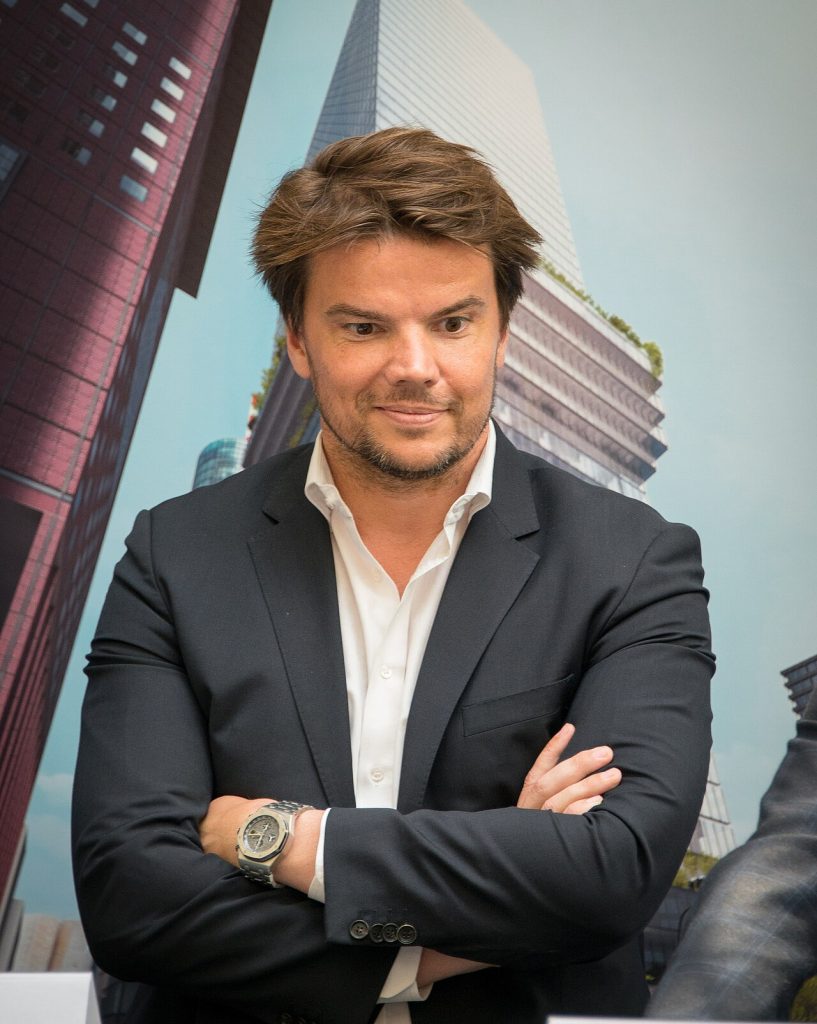
He represents a newer generation of architects using steel to challenge traditional building forms. Through BIG – Bjarke Ingels Group, Ingels combines structural innovation with bold concepts, creating buildings that merge functionality, sustainability and visual impact. His approach treats steel as a tool for creating unexpected relationships between architecture, landscape and everyday life.