

Long before GPS satellites and smartphones told us everything from the phase of the Moon to the position of Mars, watchmakers were already building miniature universes powered entirely by gears, springs and imagination. For centuries, astronomy has inspired horology because both disciplines share the same obsession: measuring time through the movement of celestial bodies. Today, the world’s greatest manufactures continue to push these boundaries, creating watches capable of tracking planets, predicting calendars centuries ahead and recreating the rhythm of the heavens on the wrist. These are five astronomical complications that demonstrate just how close mechanical watchmaking can come to the cosmos.
Moonphase
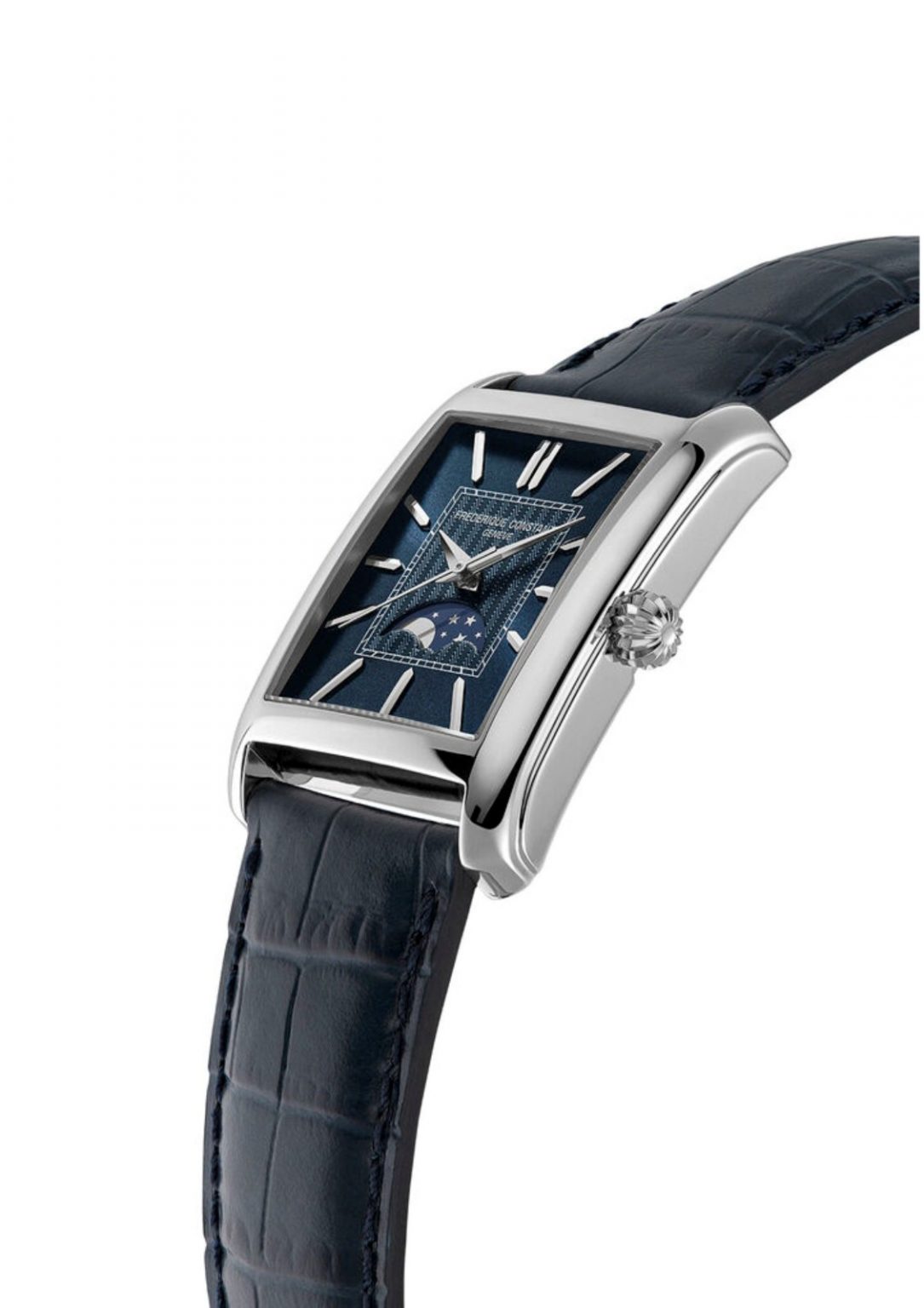
Few complications are as poetic or enduring as the moonphase. Designed to display the waxing and waning of the Moon throughout its 29.5 day lunar cycle, it remains one of the oldest astronomical indications in watchmaking. While traditional moonphase displays require adjustment every two and a half years, modern high precision mechanisms found in watches from A. Lange & Söhne, Patek Philippe and Arnold & Son remain accurate for more than a century before deviating by a single day. Combining romance with remarkable engineering, the moonphase continues to be one of haute horlogerie’s most beloved complications.
Also Read: Interview: Gaurav Mehta Unveils Jaipur Watch Company’s Latest Timepiece Collection
Perpetual Calendar

The perpetual calendar represents one of mechanical watchmaking’s greatest intellectual achievements. Unlike conventional calendars that require correction at the end of shorter months, a perpetual calendar automatically recognises the varying lengths of every month, including leap years occurring every four years. Many are programmed to remain accurate until the year 2100, when the Gregorian calendar omits a leap year. Achieving this entirely through cams, levers and gears makes the perpetual calendar one of the finest demonstrations of mechanical logic ever conceived.
Planetarium
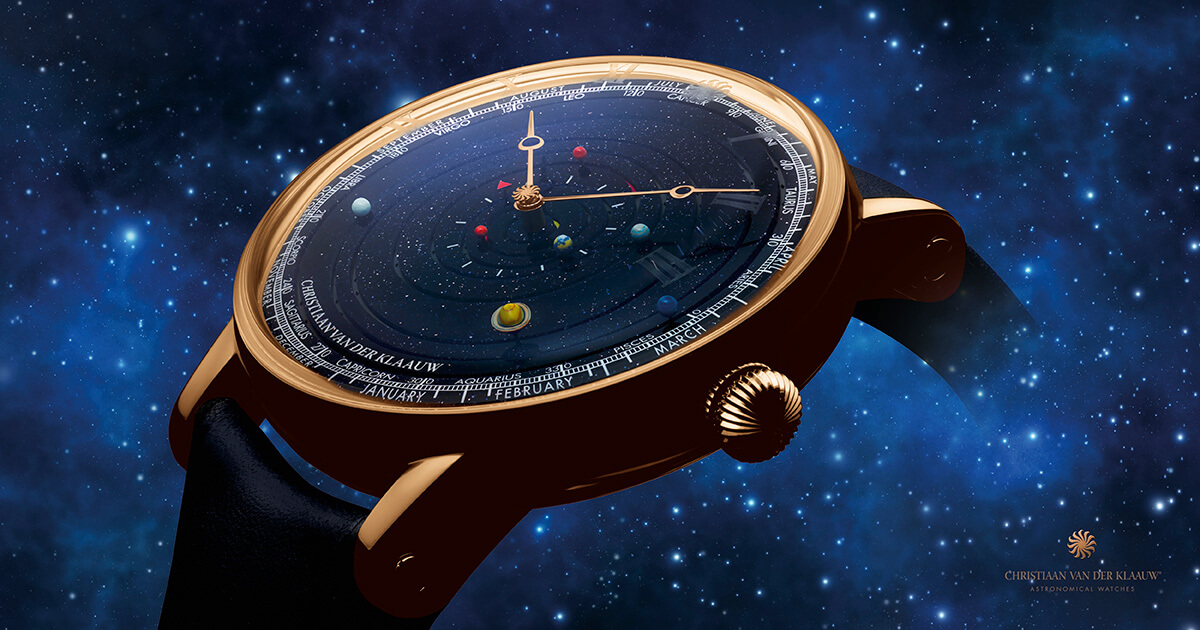
A planetarium complication transforms a watch into a miniature model of the solar system. Using highly complex gear trains, these mechanisms recreate the orbital movement of Earth and neighbouring planets around the Sun while often indicating zodiac constellations, seasons and celestial alignments. Timepieces such as the Van Cleef & Arpels Planetarium and Christiaan van der Klaauw masterpieces demonstrate how astronomical science can become kinetic art, allowing wearers to observe the motion of the heavens through an entirely mechanical display.
Also Read: Top 5 Minute Repeater Watches That Represent The Pinnacle of Watchmaking
Mars Time

As humanity looks increasingly towards interplanetary exploration, some watchmakers have begun designing mechanisms capable of displaying Martian time. A day on Mars lasts approximately 24 hours, 39 minutes and 35 seconds, requiring an entirely different gear ratio from Earth’s 24 hour cycle. By compensating for this longer planetary rotation, these rare complications accurately display local solar time on Mars, highlighting horology’s remarkable ability to adapt mechanical engineering beyond our own planet. Few complications better illustrate watchmaking’s fascination with both science and exploration.
Grand Complications
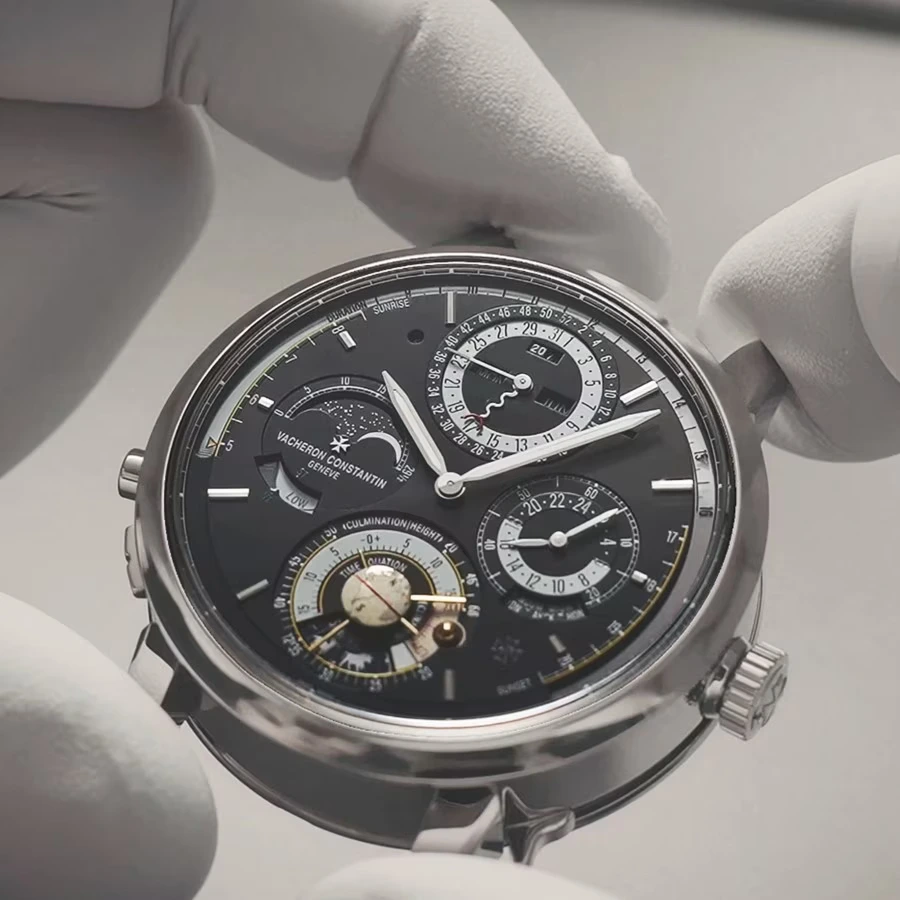
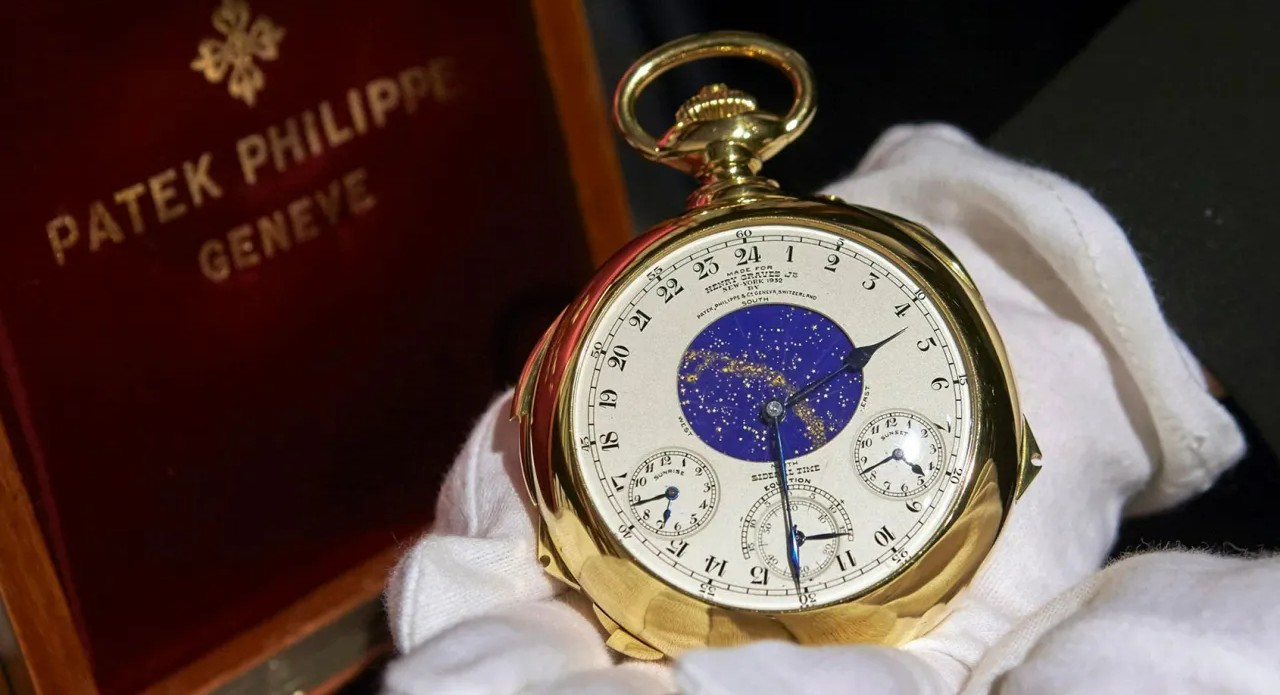
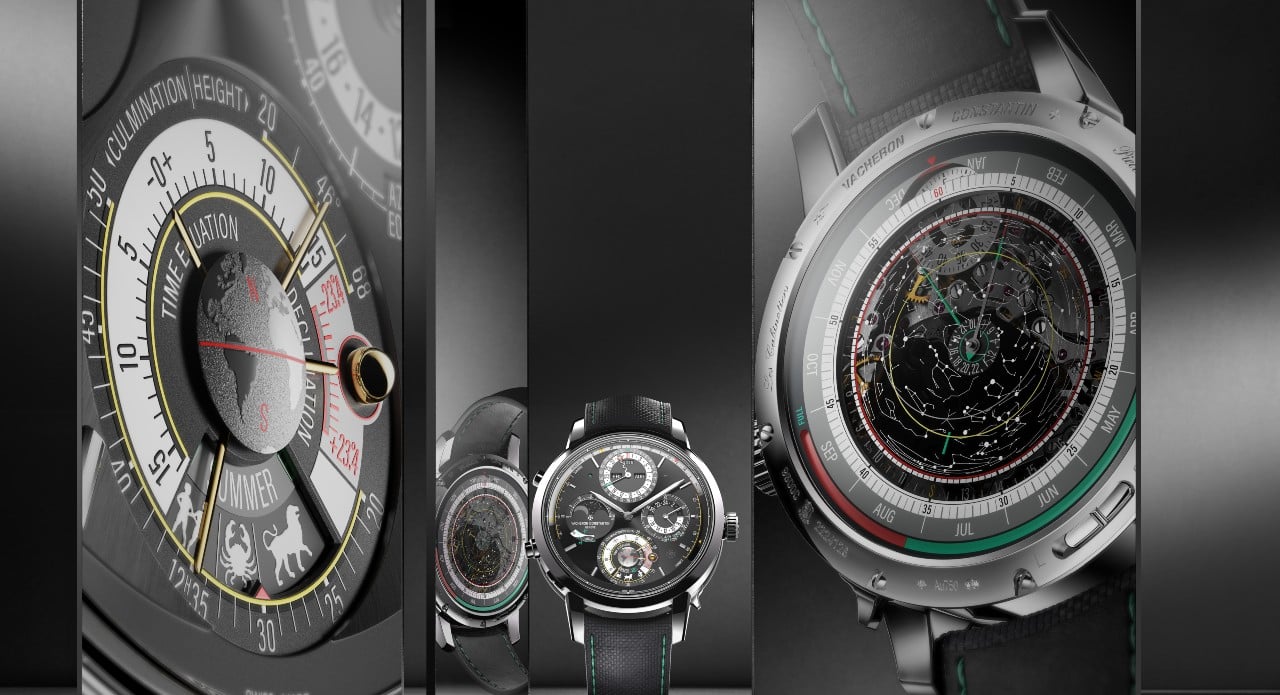
The grand complication represents the highest expression of traditional watchmaking, combining multiple astronomical and mechanical functions into a single movement. These masterpieces often unite perpetual calendars, moonphases, minute repeaters, chronographs, celestial charts, sidereal time displays and even star maps within a single calibre comprising hundreds or even thousands of components. Watches such as the Patek Philippe Grandmaster Chime and Vacheron Constantin Les Cabinotiers demonstrate that the grand complication is not merely about technical difficulty but about creating an entire mechanical universe small enough to wear on the wrist.