

Ask most watch enthusiasts to name a Blancpain and the answer will probably arrive before you have finished the question: Fifty Fathoms. It is, after all, the watch that helped define the modern dive watch and turned Blancpain into a name synonymous with serious tool watches. But tucked away in the brand’s history is another creation that is arguably even more intriguing. Meet the Blancpain Air Command, a rare 1950s aviation chronograph developed around the demanding requirements of military pilots. It has almost everything a vintage watch collector could want: a flyback chronograph, a countdown bezel, a military connection, extremely limited production and, because this is vintage horology we are talking about, a healthy dose of mystery. It is the sort of watch that makes collectors lean closer when they see one, rather than reach for their phones to take a photograph. And while the Fifty Fathoms gets most of the attention, the Air Command remains one of Blancpain’s most fascinating and overlooked chapters.
Built For The Cockpit

The Air Command emerged during an era when mechanical watches were not simply accessories. For military aviators, a chronograph could be an important instrument for timing manoeuvres, calculating distances and managing fuel or navigation. Blancpain designed the Air Command around that world. The watch combined a chronograph with a rotating countdown bezel, giving pilots a surprisingly useful combination of timing functions in one compact instrument. The result was a watch that looked every bit the part. It was purposeful rather than decorative, compact by modern standards and packed with functions that made sense in an aircraft cockpit.
Also Read: A Legacy in Time: The Blancpain Innovations That Changed Horology
The Flyback Advantage

One of the Air Command’s most interesting features is its flyback chronograph. Unlike a conventional chronograph, where the timing function has to be stopped before it can be reset and restarted, a flyback mechanism allows the wearer to reset the chronograph instantly with a single push. The seconds hand flies back to zero and immediately begins timing again. For a pilot needing to time successive manoeuvres or intervals, that could be considerably more practical than stopping, resetting and restarting the chronograph each time. It also makes the Air Command rather more technically interesting than its relatively restrained appearance might suggest.
A Bezel With A Purpose
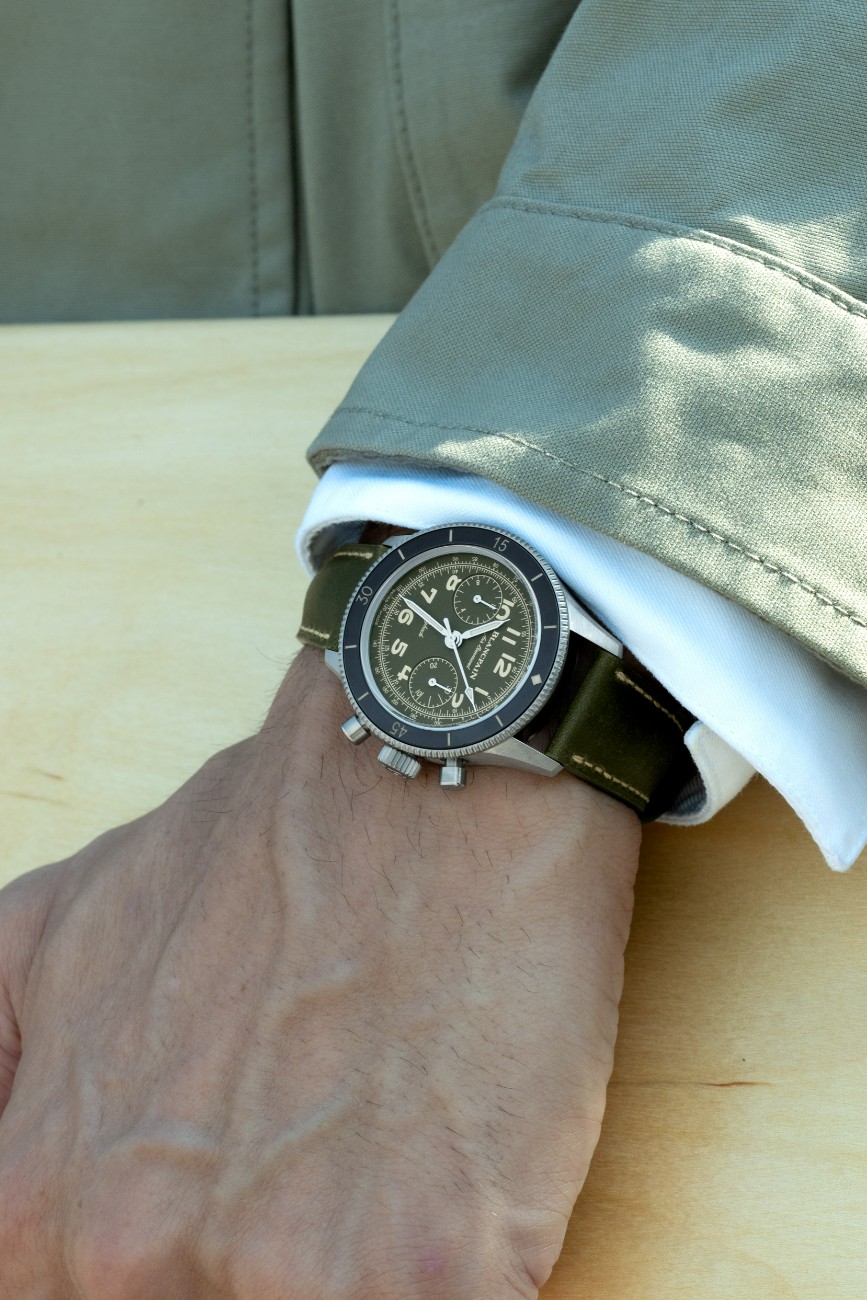
Then there is the countdown bezel, another detail that separates the Air Command from the average vintage chronograph. The rotating bezel could be used alongside the chronograph to help pilots keep track of predetermined intervals. Combined with the flyback function, it gave the watch a distinctly operational character. This was not a watch designed merely to look like an aviation instrument. Its functions were built around the requirements of aviation.
And Then Things Get Mysterious
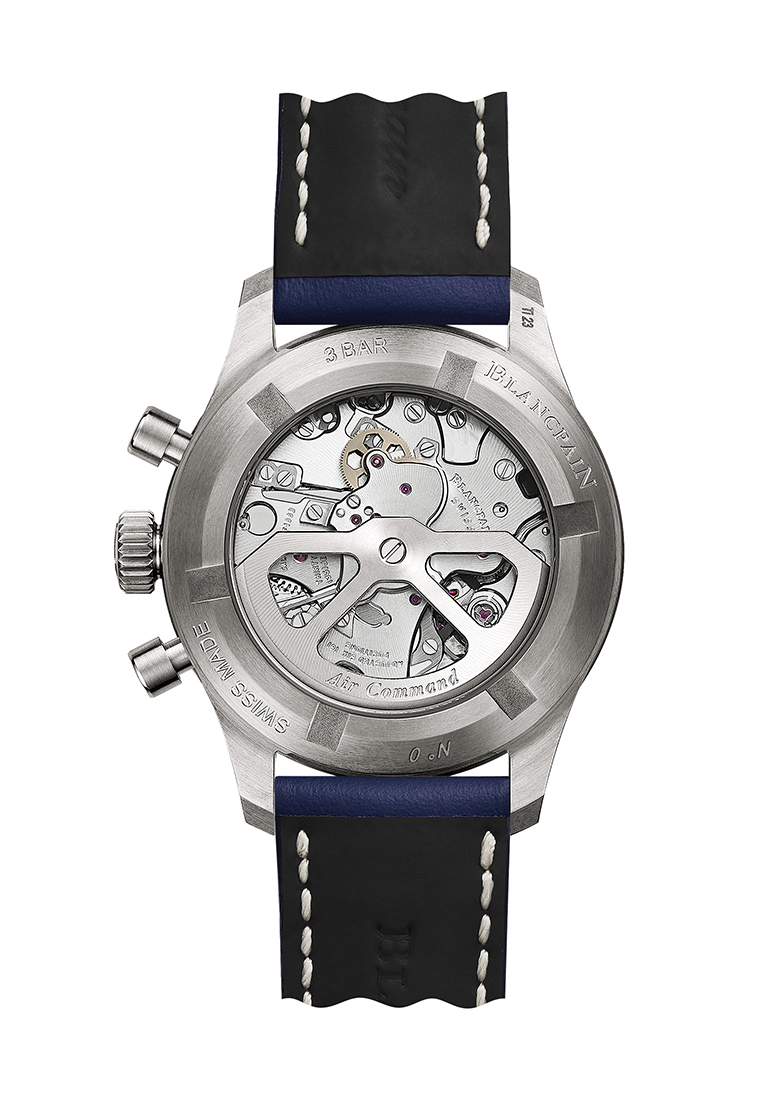
Perhaps the most fascinating part of the Air Command story is how little of it was ever made. The watch was produced in extremely limited numbers during the 1950s, making surviving examples exceptionally scarce today. Its military associations and limited production have also contributed to an aura of mystery surrounding the model and its exact history. For collectors, that uncertainty only adds to the attraction. Vintage watches are rarely just about the mechanism inside the case. They are also about provenance, surviving examples and the stories that have managed to make it through the decades.
The irony is that Blancpain’s better known creation has rather overshadowed it. The Fifty Fathoms became one of the defining dive watches of the twentieth century, establishing an enduring connection between Blancpain and professional underwater exploration. Its history, design and modern successors have understandably made it one of the most recognisable names in luxury sports watches. The Air Command belongs to a completely different world. One was created for the ocean. The other was designed with the sky in mind. And yet both demonstrate the same philosophy: a mechanical watch should first be useful, and only then beautiful.
Why Collectors Should Care
Today, the Air Command is interesting precisely because it does not have the immediate recognition of a Fifty Fathoms. It is the sort of vintage Blancpain that rewards knowledge rather than simply a large bank balance. Its combination of a flyback chronograph, countdown bezel, aviation heritage and extraordinary rarity gives it a compelling place in the history of Swiss watchmaking. For collectors who have already worked their way through the obvious icons, that makes the Air Command particularly appealing.