Who Is Marina Tabassum? The Bangladeshi Architect Redefining Human-Centred Design
From climate responsive homes to spaces built around dignity, Marina Tabassum is transforming architecture by placing people, nature and culture at the centre of design
Architecture has always been a reflection of what a society values. Some buildings chase height, some chase luxury, and some chase attention. But Marina Tabassum’s architecture follows a different path. Her work is not about creating structures that dominate landscapes. It is about creating spaces that understand people, respect nature and restore a sense of dignity to everyday life. In an era where architecture often celebrates glass towers and technological spectacle, the Bangladeshi architect has built a global reputation by proving that simplicity can be powerful. Her buildings respond to climate, culture and communities, showing that the future of architecture may not be about building bigger, but building smarter.
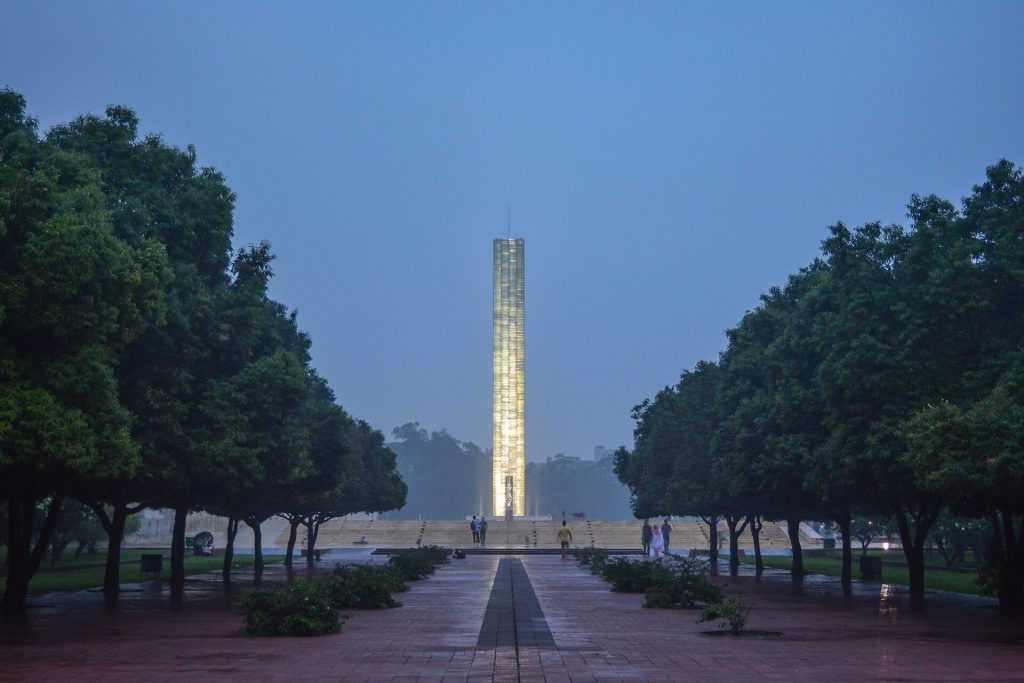
New Language Of Architecture Born From Bangladesh
Growing up in Dhaka, Marina Tabassum witnessed a city shaped by rapid urbanisation, environmental challenges and changing social realities. These experiences influenced her architectural philosophy, where every project begins with its surroundings rather than imposing a foreign identity. Her designs are deeply connected to Bangladesh’s landscape, where rivers, floods, heat and humidity influence daily life. Instead of fighting these conditions, she transforms them into opportunities for thoughtful design. Local materials, traditional techniques and natural ventilation become essential parts of her architecture, creating buildings that belong to their environment rather than existing separately from it.
Also Read: Torres del Parque: The Unique Design, History, And Legacy of Bogotá’s Iconic Towers
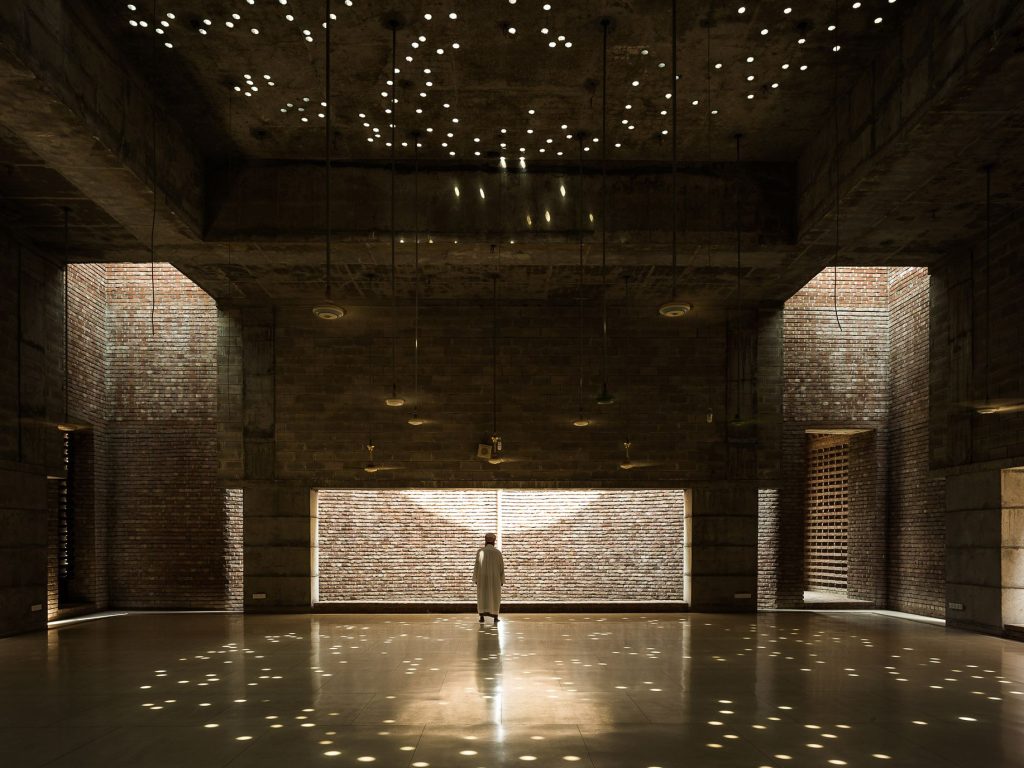
Designing For A Changing Climate
For Marina Tabassum, climate is not a problem to overcome but a reality that architecture must embrace. Her projects often explore passive cooling, natural airflow and sustainable construction methods, reducing dependence on artificial systems. This approach is particularly significant in regions facing rising temperatures and unpredictable weather patterns. Her work highlights an important shift in modern architecture: sustainability is not simply about adding green technology. It is about understanding the land, the materials and the people who will inhabit the space.
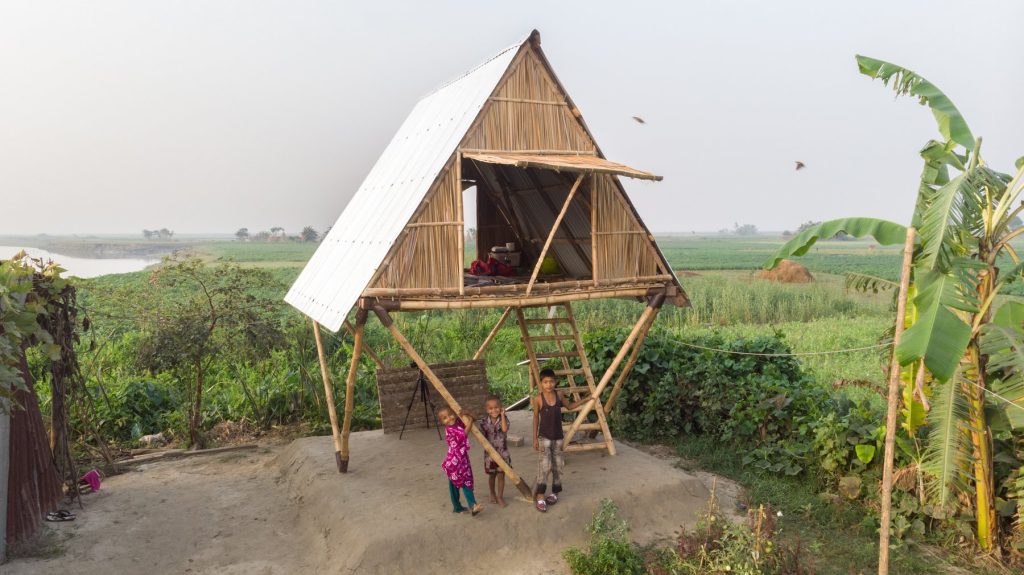
Khudi Bari: Architecture That Moves With People
Among her most innovative ideas is Khudi Bari, a modular housing concept designed for communities affected by flooding and displacement. The project focuses on adaptability. Built with lightweight materials, the homes can be assembled quickly and adjusted to changing conditions. In regions where climate change threatens traditional housing, Khudi Bari offers more than shelter; it offers stability. nThe idea reflects one of Tabassum’s strongest beliefs: architecture should not only create permanent monuments but should also provide solutions for people living with uncertainty.
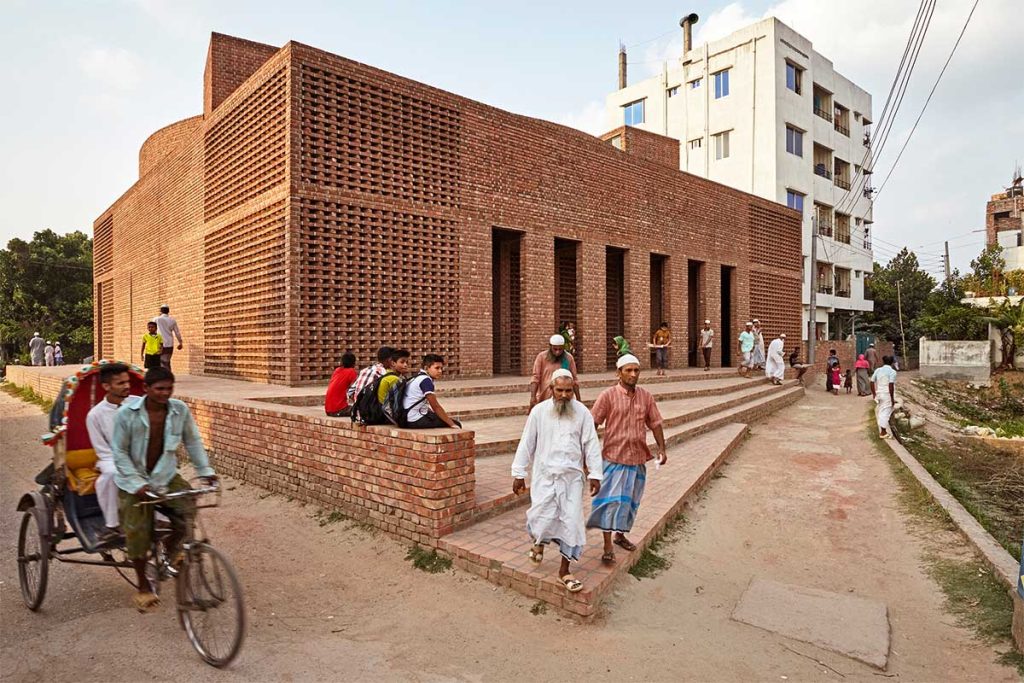
Redefining Luxury Through Purpose
Marina Tabassum’s greatest contribution to architecture is her ability to redefine luxury. Her buildings are not defined by expensive materials or dramatic forms. Their value comes from comfort, sustainability and emotional connection. She has shown that a building can be quiet yet powerful, minimal yet meaningful. Her work proves that the true measure of architecture is not how much attention it demands, but how much dignity it gives. In a rapidly changing world, Marina Tabassum represents a new generation of architects who believe the future is not about conquering nature, but learning how to live alongside it.