Who Is Peter Zumthor? The Architect Who Turned Light Into His Greatest Material
A master of atmosphere, a sculptor of silence and an architect who treats light like a living ingredient, Peter Zumthor has shaped contemporary architecture through emotion rather than spectacle
If most architects are obsessed with drawing buildings that shout, Peter Zumthor prefers to whisper — and somehow he’s the one everyone ends up listening to. Walk into one of his spaces and it’s like stepping into a cathedral built by a monk with a PhD in mood lighting. No flashy curves, no skyscraper egos, no titanium desperately trying to look expensive. Zumthor designs buildings that feel as if they’ve been quietly growing in place for centuries, waiting for you to notice how perfectly the light slides across a wall or how a timber beam smells in winter. It’s the architectural equivalent of a slow-cooked stew winning against molecular gastronomy. The man doesn’t build objects; he builds experiences — and they hit you straight in the soul. Born in Basel, Switzerland, in 1943 and grew up surrounded by craft rather than architectural spectacle. His father was a cabinetmaker, and that early exposure to wood, tools and material honesty became the backbone of Zumthor’s philosophy. He trained as a carpenter before studying design and architecture, shaping an unusual trajectory that valued tactile experience over theoretical detachment. This foundation gave him a reverence for authenticity — materials must feel real, age gracefully and be chosen with the same care a watchmaker selects gears. Today, he continues to work from his studio in Haldenstein, Switzerland, designing buildings known for their materiality and atmosphere.
Also Read: Why Spanish Architect Alberto Campo Baeza Is The Modern Master Of Light, Space, And Silence
Architecture As Emotion Rather Than Object
Zumthor does not chase form; he chases atmosphere. His architecture is defined by an almost monastic belief that buildings should evoke feeling before they impress visually. To him, space is not a shape on paper — it’s an experience that unfolds through sound, texture, temperature and, above all, light. Rather than using light as an afterthought, he treats it as a raw material, letting it shape the mood, narrative and rhythm of each room. His buildings don’t rely on ornamentation or digital theatrics; the poetry comes from sensory precision.
Major Works That Captured His Vision
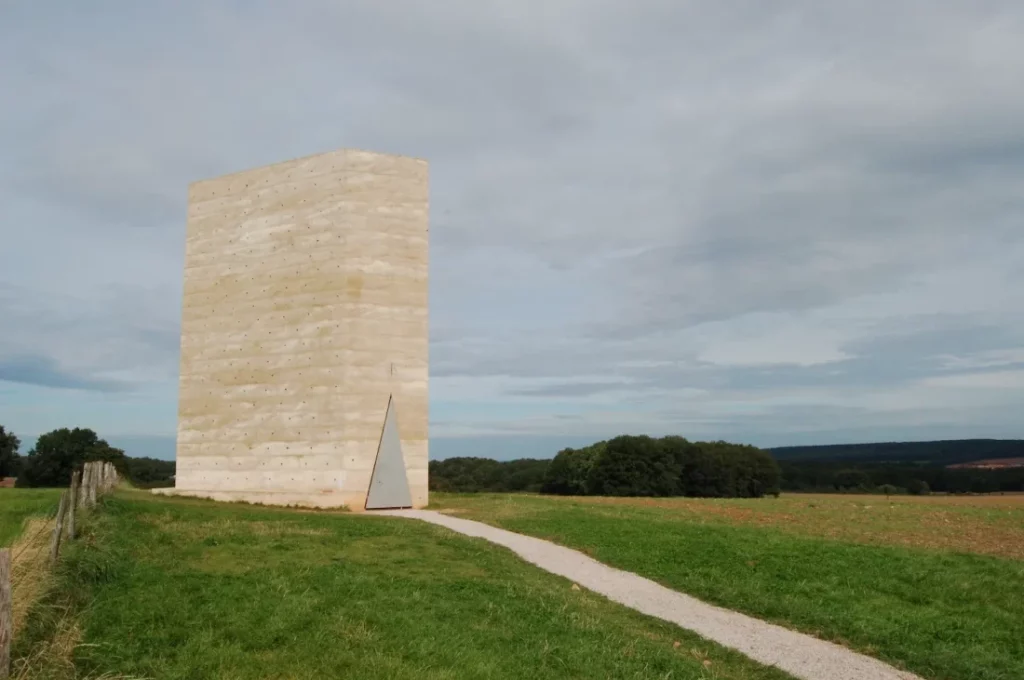
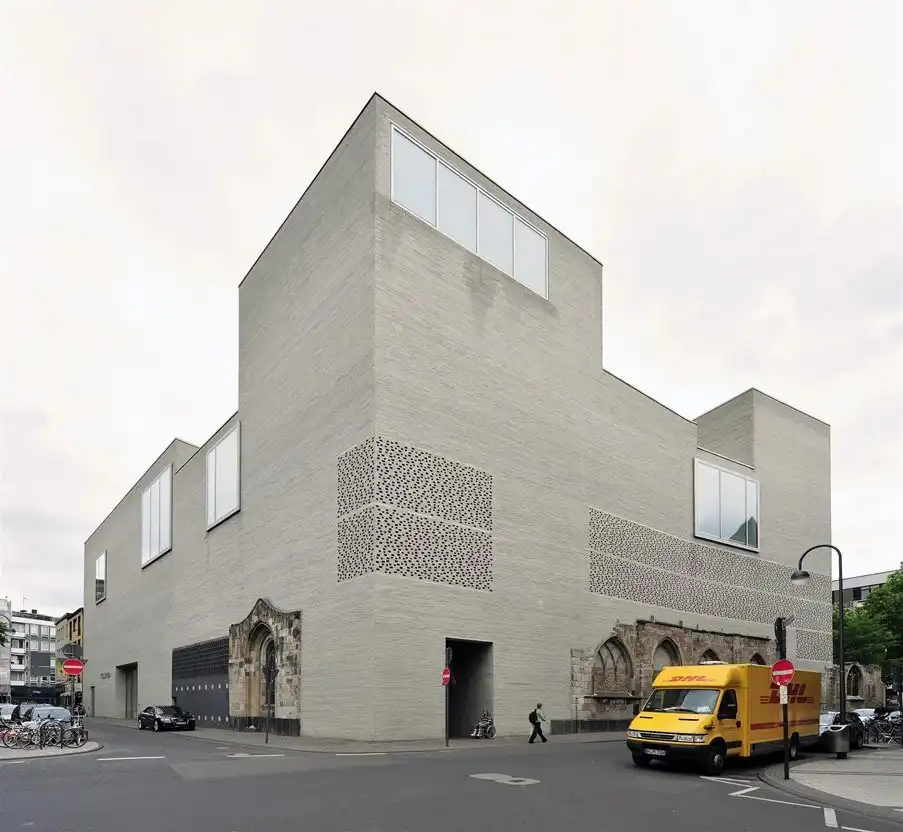
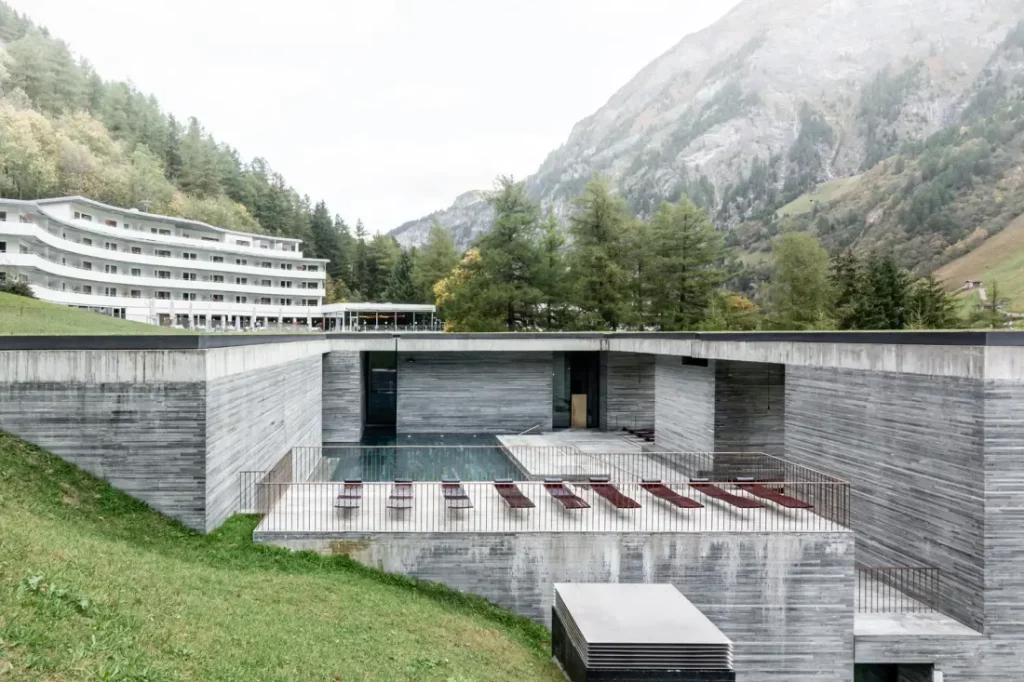
The Therme Vals in Switzerland remains Zumthor’s most celebrated masterpiece — a thermal spa carved from layers of quartzite that feels ancient yet modern, where water, stone and light merge into an almost spiritual experience. The Kolumba Museum in Cologne is a quiet marvel, blending medieval ruins with delicate, perforated brick to create a museum that breathes with the light of a thousand tiny apertures. The Bruder Klaus Field Chapel in Germany distills faith and architecture into a single moment of raw, charred concrete illuminated by a slender vertical opening. Across all his works, the effect is the same: a deep, grounding calm where light becomes both guide and companion.
Also Read: What Is Neoclassical Architecture? Key Characteristics, Influential Figures And Iconic Buildings
Influence On Contemporary Architecture
Though he rarely courts the spotlight, Zumthor’s influence is immense. He shifted the global conversation toward atmospheric architecture, proving that emotional depth can outperform visual drama. His work inspired countless architects to reconsider how buildings connect to sensory memory, landscape and time. In design schools, his projects are studied less for form and more for feeling — an architectural rarity. He has shaped a generation of designers who seek quiet confidence over flamboyance, choosing storytelling through material and light rather than spectacle.