Arvind Kejriwal’s Sheesh Mahal: Inside Its Lavish Interiors, Grand Chandeliers And Marble Flooring
Arvind Kejriwal's former Delhi residence, popularly called Sheesh Mahal, has drawn attention for its elaborate interiors. Take a closer look at its imported marble, statement chandeliers, expensive furnishings and luxury décor
A grand residence often reveals its character through the details that fill its rooms. The choice of stone underfoot, the way light falls from a chandelier and the craftsmanship of its furniture can collectively shape an interior’s personality. Delhi’s 6, Flag Staff Road bungalow, formerly occupied by Arvind Kejriwal during his tenure as Chief Minister, has become a talking point for precisely these details. Popularly dubbed ‘Sheesh Mahal’ by the BJP, the residence is now drawing attention for its elaborate interiors, expensive furnishings and an assortment of high-end installations.
The property, which served as Kejriwal’s official residence between 2015 and October 2024, recently opened its doors to the media on November 27, 2026, offering a glimpse into the spaces that have remained at the centre of a political controversy.
Reflection of Grandeur
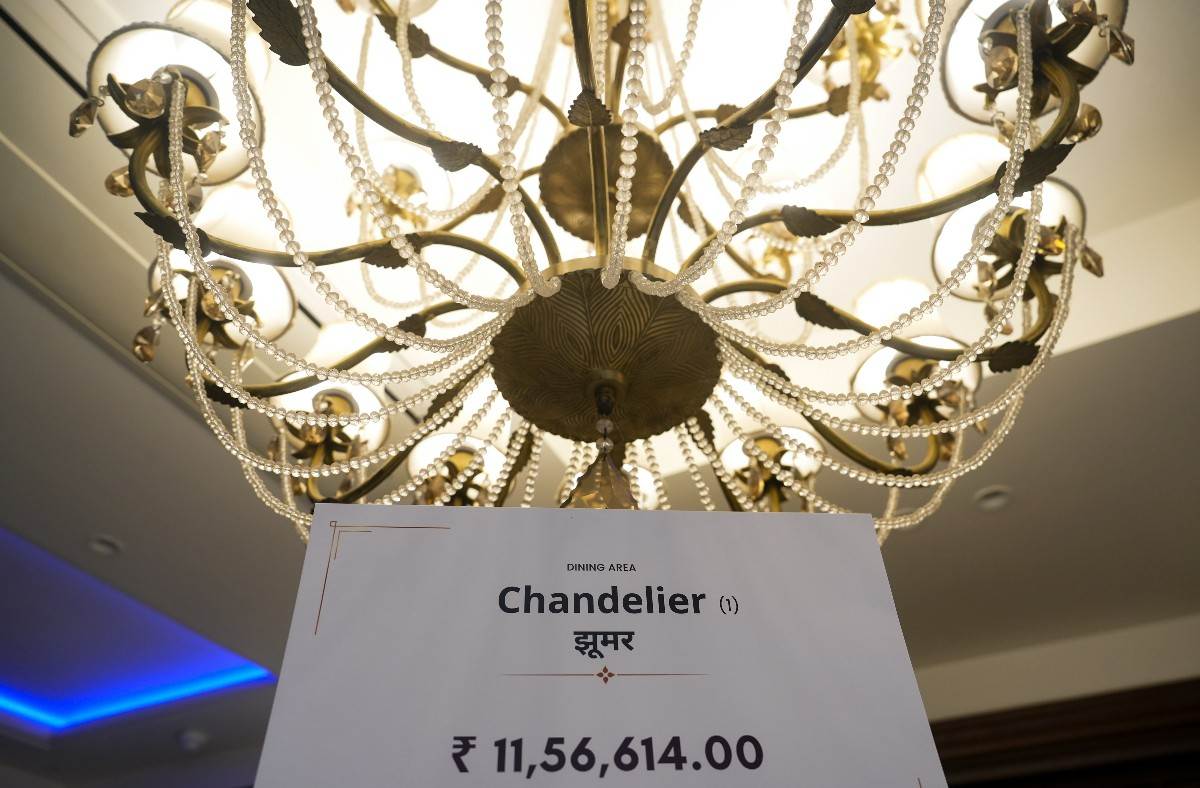
One of the most striking elements of the residence is its lighting. Chandeliers, reportedly valued at around Rs 11.56 lakh apiece according to the expenditure displayed during the media walkthrough, add a dramatic dimension to the interiors. Their presence reflects how statement lighting can transform an otherwise understated room into a more elaborate setting.
Homeowners looking to introduce a similar sense of occasion can explore the Flos 2097/30 Chandelier, an iconic Italian lighting design featuring multiple arms and exposed bulbs. Another option is the Baccarat Zenith Chandelier, which brings together crystal craftsmanship and traditional chandelier design. Both are recognisable luxury pieces for interiors where lighting is intended to be a focal point.
Marble and Materiality
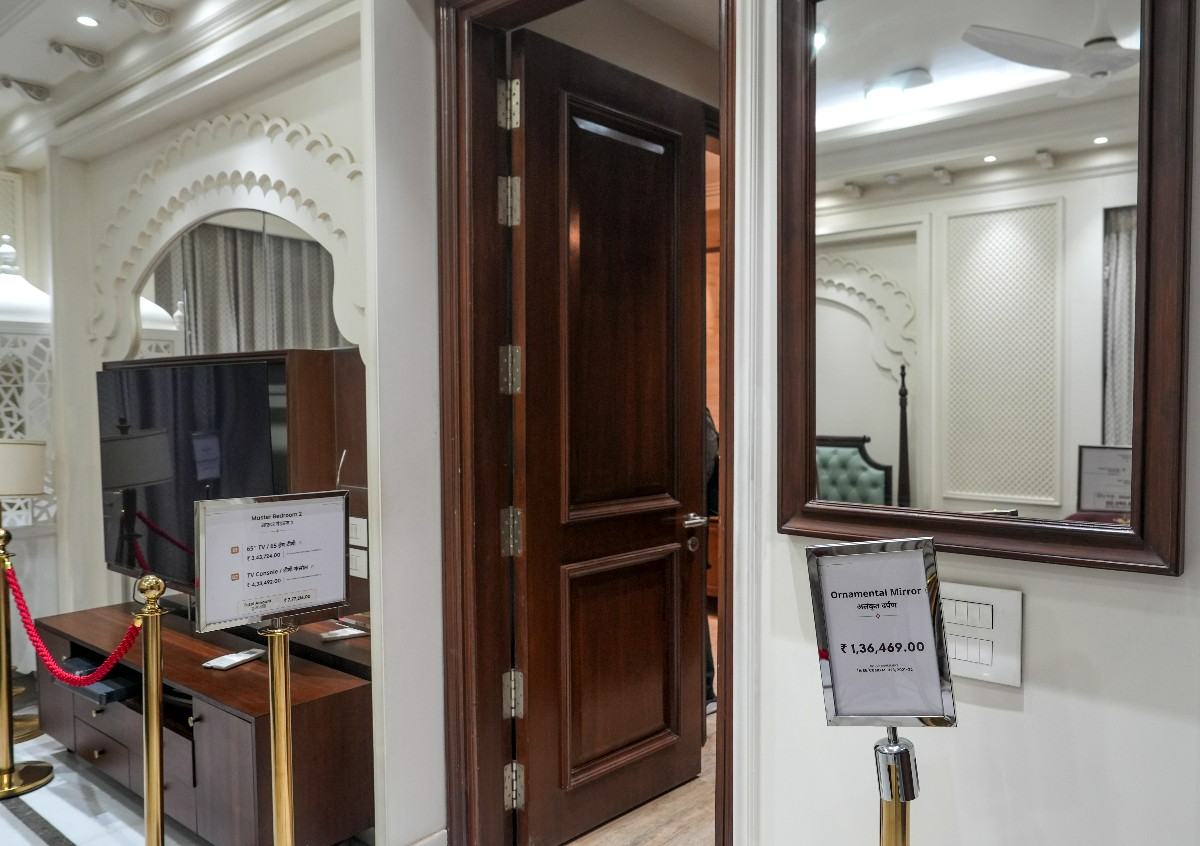
Stonework also forms an important part of the residence’s visual identity. Reports on the renovation have highlighted the use of imported marble, including Vietnamese marble, alongside other premium materials. Marble flooring and wall finishes can lend a space a seamless, polished appearance, particularly when paired with carefully selected furniture and lighting.
Also Read: Inside The Louis Vuitton Family Home: The French Roots Of A Luxury Empire
The appeal of natural stone lies in its individuality. Subtle veining, distinctive patterns and variations in finish ensure that no two slabs look exactly alike. Homeowners seeking a more accessible way to introduce this aesthetic could consider a marble-topped coffee table or a sculptural stone console rather than committing to extensive flooring.
Details That Stand Out
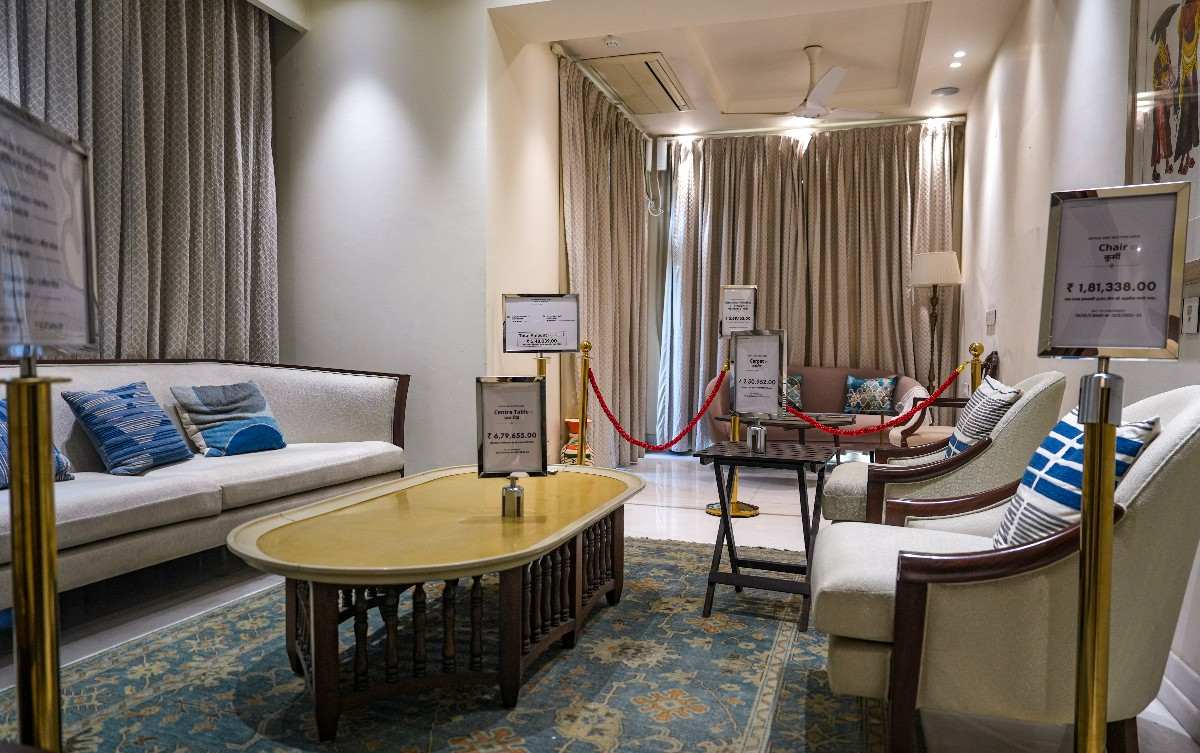
The furnishings offer another glimpse into the property’s elaborate design vocabulary. The media walkthrough highlighted a two-seater sofa reportedly priced at Rs 5.47 lakh, round side tables listed at Rs 10 lakh and a console unit valued at approximately Rs 3.34 lakh. Automated curtains and smart lighting systems further contribute to the residence’s contemporary character.
Also Read: Sculptural Chandeliers as Functional Art: Transforming Interiors with Artistic Lighting
A carefully chosen statement piece can bring a similar sense of refinement into a home. The Baccarat Harcourt 1841 Vase, known for its distinctive crystal silhouette, is one collectible worth considering. Its sculptural form makes it suitable for a console, dining table or display cabinet.
A Residence Under Scrutiny
The interiors, however, cannot be separated from the controversy surrounding the renovation. A Comptroller and Auditor General report, tabled in the Delhi Assembly in March 2026, pegged the expenditure at Rs 33.66 crore against an initial estimate of Rs 7.91 crore. The report flagged cost escalation and procedural irregularities, while the Aam Aadmi Party rejected the allegations as politically motivated.

Sheesh Mahal therefore presents two contrasting ways of looking at residential luxury. One is through the materials, furnishings and design choices that shape a home. The other concerns the expenditure and accountability behind creating such a space. Together, they make this residence an unusually revealing study of luxury residential interiors in the capital.