Beauty Guide: How To Protect Your Hair And Skin During Holi
Holi colours can be harsh on skin and hair due to harmful chemicals. Here’s your expert-led guide to Holi skincare and haircare to ensure you enjoy the festival without unwanted health issues
The festival of colours rejoices people and fills the air with happiness, along with refreshing bonds between family and friends. The vibe is unforgettable, but one must also not forget the harshness of Holi colours on the skin and hair. Undoubtedly, colours are synonymous with joy, but chemical-based colours may potentially cause allergies, burn patches, and diseases, which may result in trauma and a scattered approach towards public appearance.
How Holi Colours Can Turn Harmful?
Holi colours, especially cheaper or non-regulated ones, may contain harmful industrial chemicals like Lead Oxide (black colour), Mercury Sulphate (red), Chromium Iodide (green), and Copper Sulphate (green/blue). These chemicals affect the body more than air pollution. Apart from skin irritation, allergies, rashes, eye and scalp irritation, and acne breakouts, long-term exposure may affect the kidneys and nervous system. In some cases, they can worsen eczema or psoriasis, and people with sensitive skin are more prone to reactions.
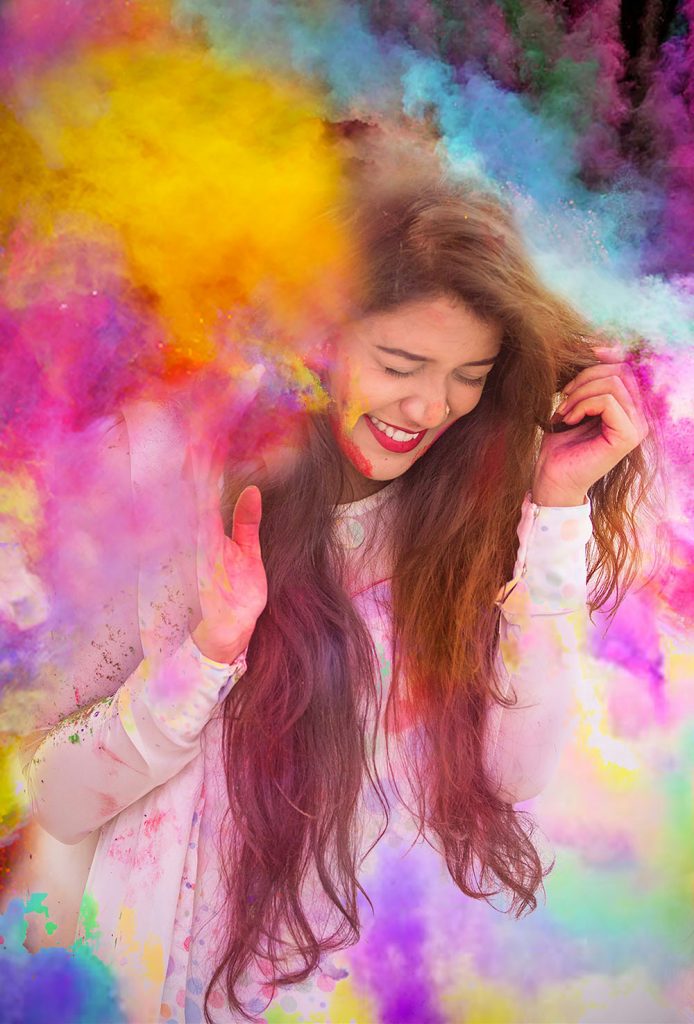
Moreover, hair and scalp are among the sensitive parts of our body, and these chemical-based colours can cause extreme dryness, dandruff-like flaking, scalp itching, and temporary hair fall. What worsens the situation is that, despite the open fact that these colours are harmful, they are easily available in the market. Industrial chemicals aren’t meant for children, but for local vendors, children are the prime target buyers for their hazardous stuff.
Also Read: Five New Treatments One Should Know About In 2026
Holi Skincare
In our country, guidelines and policies always remain at stake, but your body shouldn’t be. So, what’s the solution? The answer is being extra conscious and adopting basic hygiene, which can very much protect you from unwanted situations. Following some common practices before and after playing Holi can work as a protective shield for your skin and hair. Before going for the colourful entertainment, apply coconut or almond oil on the face, neck, arms, and legs.
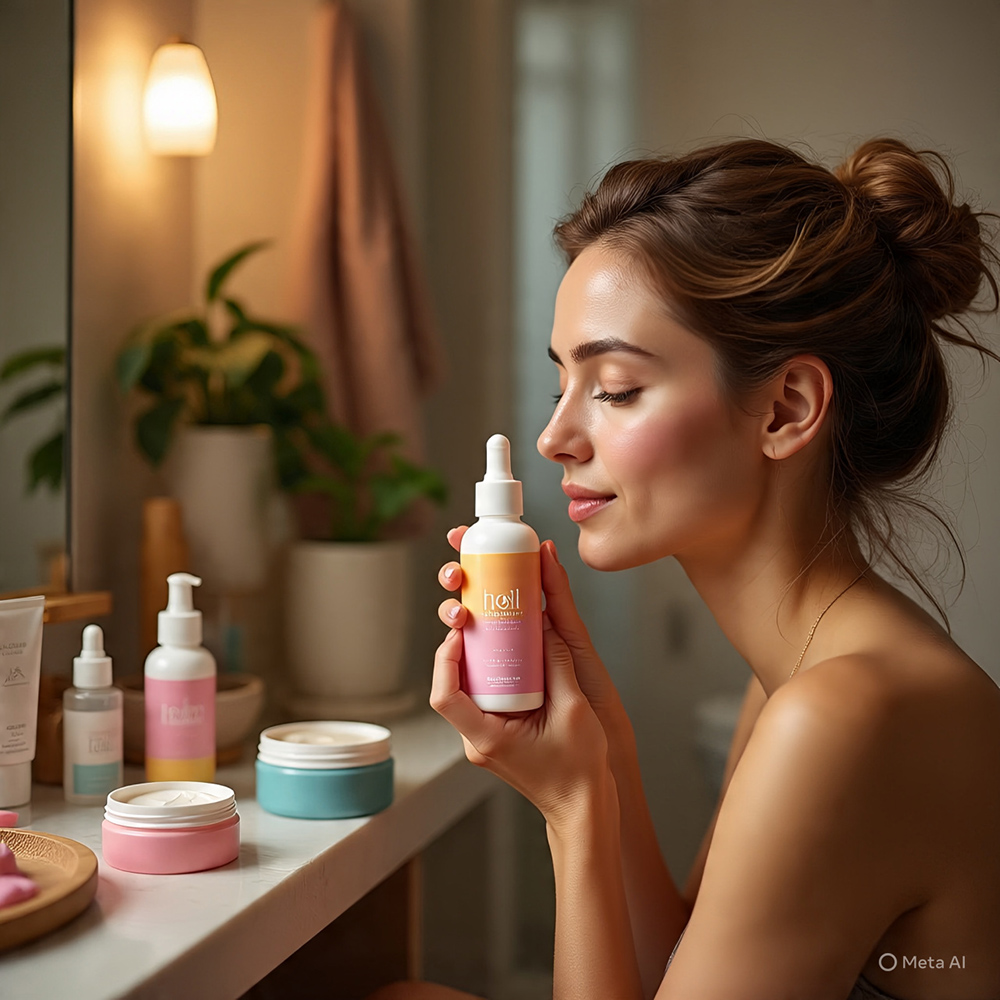
This creates a protective layer so colours don’t penetrate deeply. Use a thick moisturiser and sunscreen to prevent dryness and sun damage. Apply lip balm for safer lips and use transparent nail polish to avoid staining. Wearing sunglasses is also effective in protecting the eyes. Apart from these, full-sleeve clothes and full pants are a quick, easy escape.
Holi Haircare
After ensuring skin protection, simultaneously take care of your hair and scalp. Apply a layer of coconut or mustard oil thoroughly on the hair and scalp, massage into the scalp and length to prevent colours from sticking. Make a braid or bun to reduce exposure, or wear a cap or scarf to cover hair.
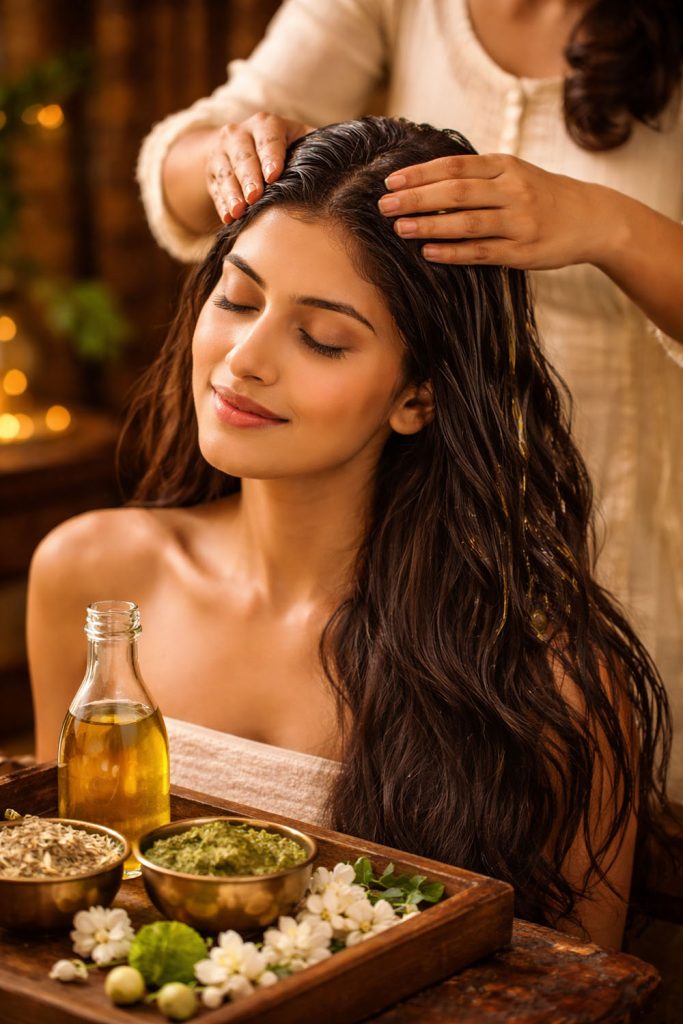
These can be simple tricks to tackle the situation before playing with colours, and for more effective results, follow-up practices such as rinsing with plain water first, using mild soap or shampoo, avoiding harsh scrubbing, and applying moisturiser immediately. Apply deep conditioner to the hair and let it air-dry.
How to buy clean beauty products?
The journey doesn’t end here. For pre- and post-safeguard measures, products like shampoo, moisturiser, oils, etc., must be chosen carefully. They must be dermatologist-tested, hypoallergenic, non-comedogenic, and free from parabens, sulfates, and alcohol. While looking for moisturisers, ensure they contain oil properties from coconut, almond, jojoba, olive, or shea butter. Products with aloe vera, green tea extracts, Vitamin E, and B5 are also recommended. The above tips and tricks can be helpful, but in extreme situations, one must not delay in contacting a doctor because nobody knows what may turn more dangerous.
Remember! Fun is a must, but safety comes first.
Author Bio: Dr. Garima Tyagi is a Dermatologist at SENS Clinic.