Why Breathwork Is the New Luxury Wellness Ritual for High Performers
Breathwork is redefining luxury wellness by offering a simple yet powerful way to reduce stress, improve mental clarity and create moments of calm amid demanding daily routines
The alarm rings before sunrise. Your first instinct is to reach for the phone. Overnight emails wait for replies, messages demand attention and the day’s to-do list is already growing before breakfast. Some rush to the office, while others begin preparing meals, getting children ready for school or caring for ageing parents. The hours disappear into meetings, errands, deadlines, appointments and endless notifications before the evening quietly arrives. Dinner is served, conversations take place and the next day’s plans begin taking shape. Somewhere between caring for work, home and everyone around you, one simple question often goes unanswered, when was the last time you truly paused to breathe?
That overlooked pause is becoming one of luxury wellness’ most meaningful rituals. Breathwork, once associated mainly with yoga studios and meditation retreats, is finding its place in the daily routines of professionals, entrepreneurs, homemakers and caregivers alike. Requiring little more than a few intentional minutes, it offers a simple way to slow the mind, release tension and restore a sense of balance without stepping away from everyday responsibilities.
Finding Quiet Within
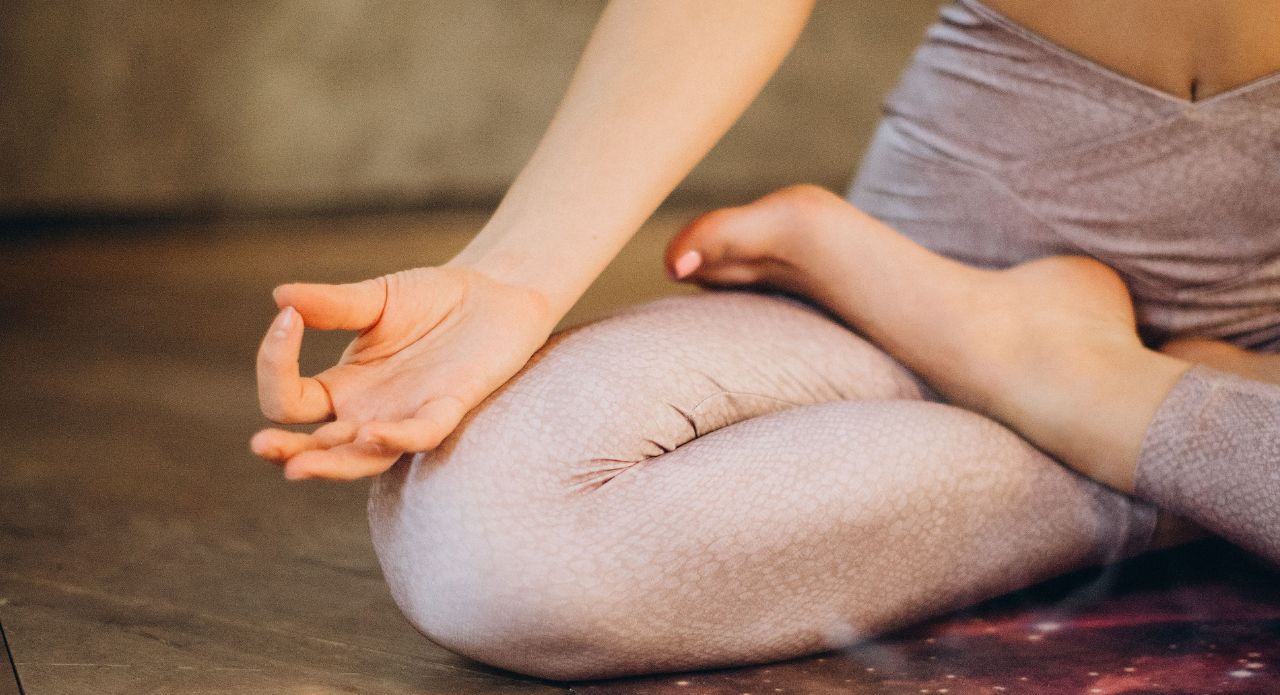
Modern life rarely allows the mind to slow down. Professionals juggle presentations, deadlines and endless notifications, while homemakers and caregivers move from one responsibility to another with barely a moment to themselves. That shared sense of constant motion is quietly shaping one of luxury wellness’ fastest-growing movements. Breathwork, once associated mainly with yoga studios and meditation retreats, is finding its place in everyday routines because it offers something increasingly difficult to find: a genuine pause.
Also Read: A Luxe Wellness Break That Takes You Back To Your Roots
The appeal lies in its simplicity. Unlike elaborate wellness programmes, breathwork requires no specialised equipment or dedicated space. A few intentional minutes of breathing exercises can help calm the nervous system, making it easier to step away from the rush, even if only briefly. Regular practice supports breathwork for stress relief by activating the body’s relaxation response, easing mental fatigue and encouraging greater emotional balance.
Luxury wellness destinations have also embraced this shift. Guided breathwork sessions now sit alongside spa therapies, meditation and sound healing, reflecting a growing understanding that true indulgence is as much about inner calm as physical comfort.
Everyday Calm Redefined
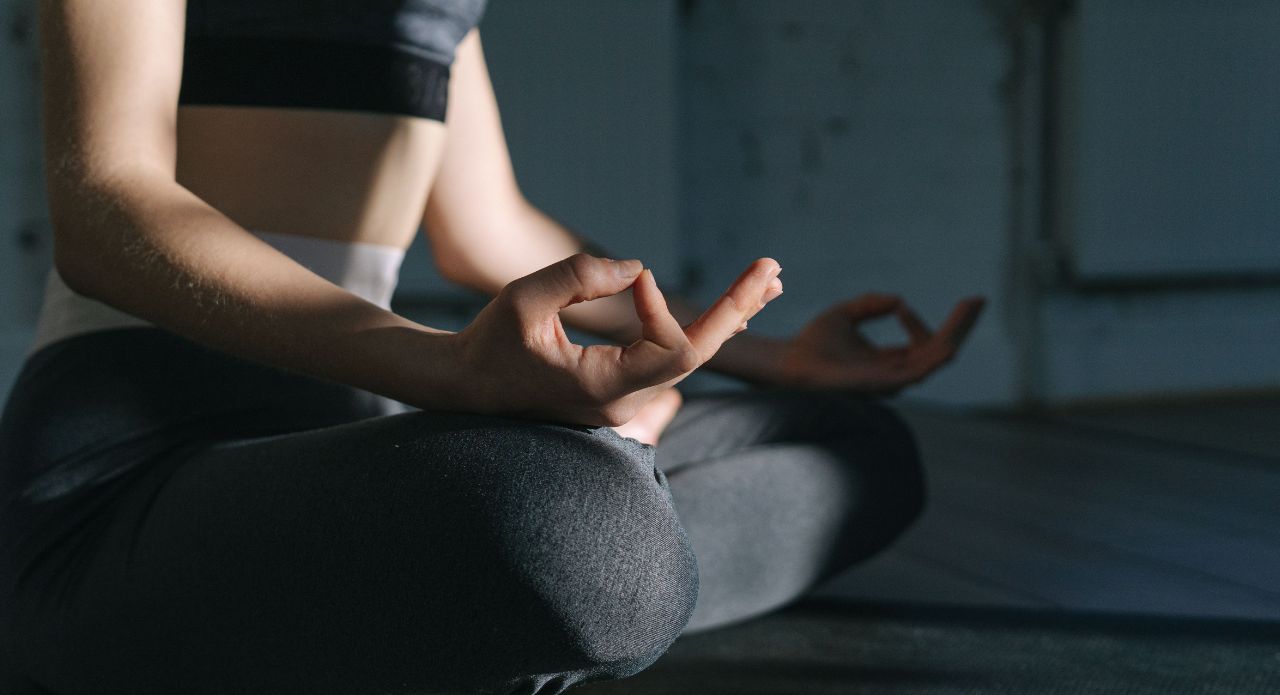
Intentional breathing is becoming a meaningful part of modern self-care because it fits naturally into busy schedules. Breathwork for anxiety and stress can be practised before an important meeting, while waiting in the school pick-up line, during a lunch break or just before bedtime. Small moments of stillness often have the greatest impact when practised consistently.
Different breathwork techniques for relaxation serve different purposes. Box breathing is often practised to improve focus during high-pressure situations, diaphragmatic breathing encourages slower, deeper breaths that ease physical tension, while alternate nostril breathing helps create a greater sense of balance and mental clarity. Some guided sessions also incorporate rhythmic breathing patterns designed to promote emotional release and deeper relaxation.
Also Read: ‘Our Bodies Want To Talk’: Anu Bajaj On Opening India’s First Woman-only Wellness Club Evolve
Wellness has become one of life’s greatest indulgences, with time, mental clarity and emotional balance now valued as highly as exceptional craftsmanship or fine hospitality. Breathwork for mental wellness reflects this shift, offering a simple practice that supports healthier, more mindful living.
Life rarely slows down on its own, making intentional moments of stillness more valuable than ever. Breathwork reminds us that restoring energy does not always require an expensive retreat or an elaborate wellness programme. Sometimes, the greatest reset begins with one deep, mindful breath.
Everyday Calm Redefined
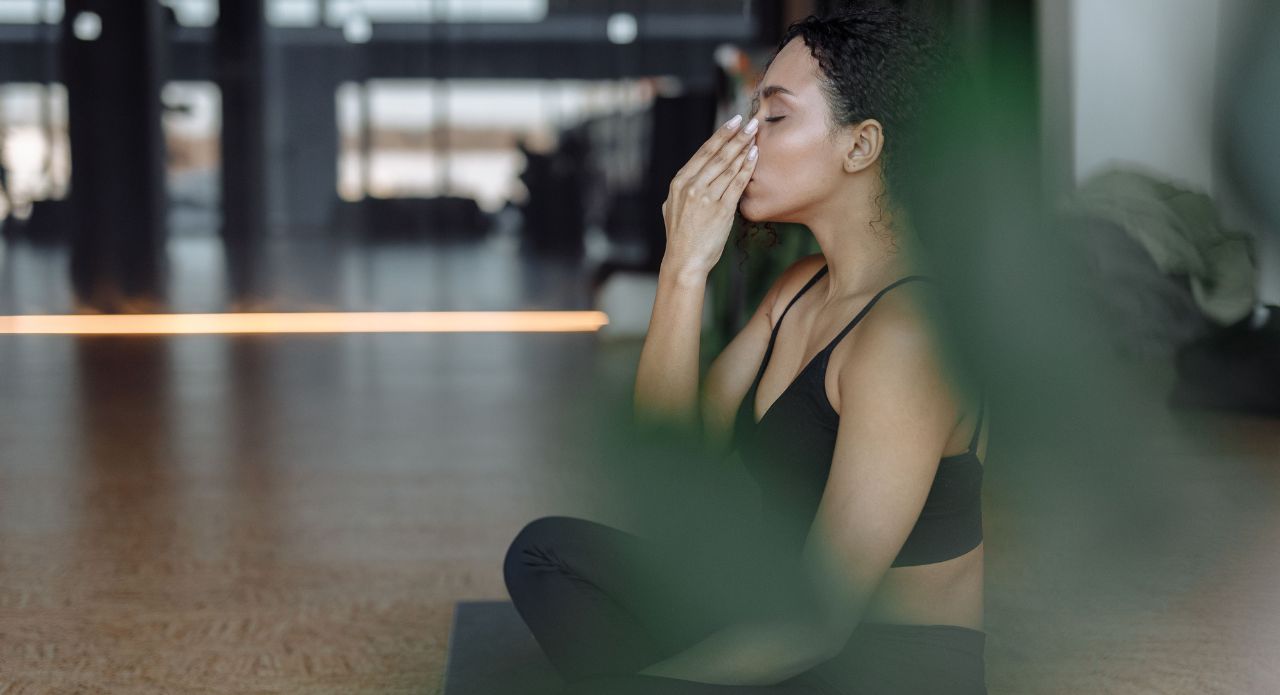
Intentional breathing is becoming a meaningful part of modern self-care because it fits naturally into busy schedules. Breathwork for anxiety and stress can be practised before an important meeting, while waiting in the school pick-up line, during a lunch break or just before bedtime. Small moments of stillness often have the greatest impact when practised consistently.
Different breathwork techniques for relaxation serve different purposes. Box breathing is often practised to improve focus during high-pressure situations, diaphragmatic breathing encourages slower, deeper breaths that ease physical tension, while alternate nostril breathing helps create a greater sense of balance and mental clarity. Some guided sessions also incorporate rhythmic breathing patterns designed to promote emotional release and deeper relaxation.
Wellness has become one of life’s greatest indulgences, with time, mental clarity and emotional balance now valued as highly as exceptional craftsmanship or fine hospitality. Breathwork for mental wellness reflects this shift, offering a simple practice that supports healthier, more mindful living.
Life rarely slows down on its own, making intentional moments of stillness more valuable than ever. Breathwork reminds us that restoring energy does not always require an expensive retreat or an elaborate wellness programme. Sometimes, the greatest reset begins with one deep, mindful breath.