

Today, wellness travel often comes wrapped in familiar promises of digital detoxes, sunrise yoga sessions, farm-to-table dining, and carefully curated routines designed to help guests switch off. Yet few places transcend these surface-level offerings to deliver a sense of genuine grounding and renewal that lingers long after the journey ends. Pune’s Swastik Wellbeing was one such experience.
Close to the City, Yet a World Apart
After an overnight train journey to Maharashtra’s cultural capital, my husband and I drove along the Pune-Bangalore highway as the city slowly dissolved into rolling hills, quiet backwaters and stretches of untouched landscape. Nearly ninety minutes later, we arrived at Swastik Wellbeing – a sprawling wellbeing sanctuary nestled within Peacock Valley beside the Khadakwasla waters and spread across almost 7,000 acres of natural terrain. What immediately struck us was how accessible it all felt. Despite being within comfortable driving distance from both Pune and Mumbai, the retreat felt entirely removed from the hubbub of urban life.
Rituals Over Reception
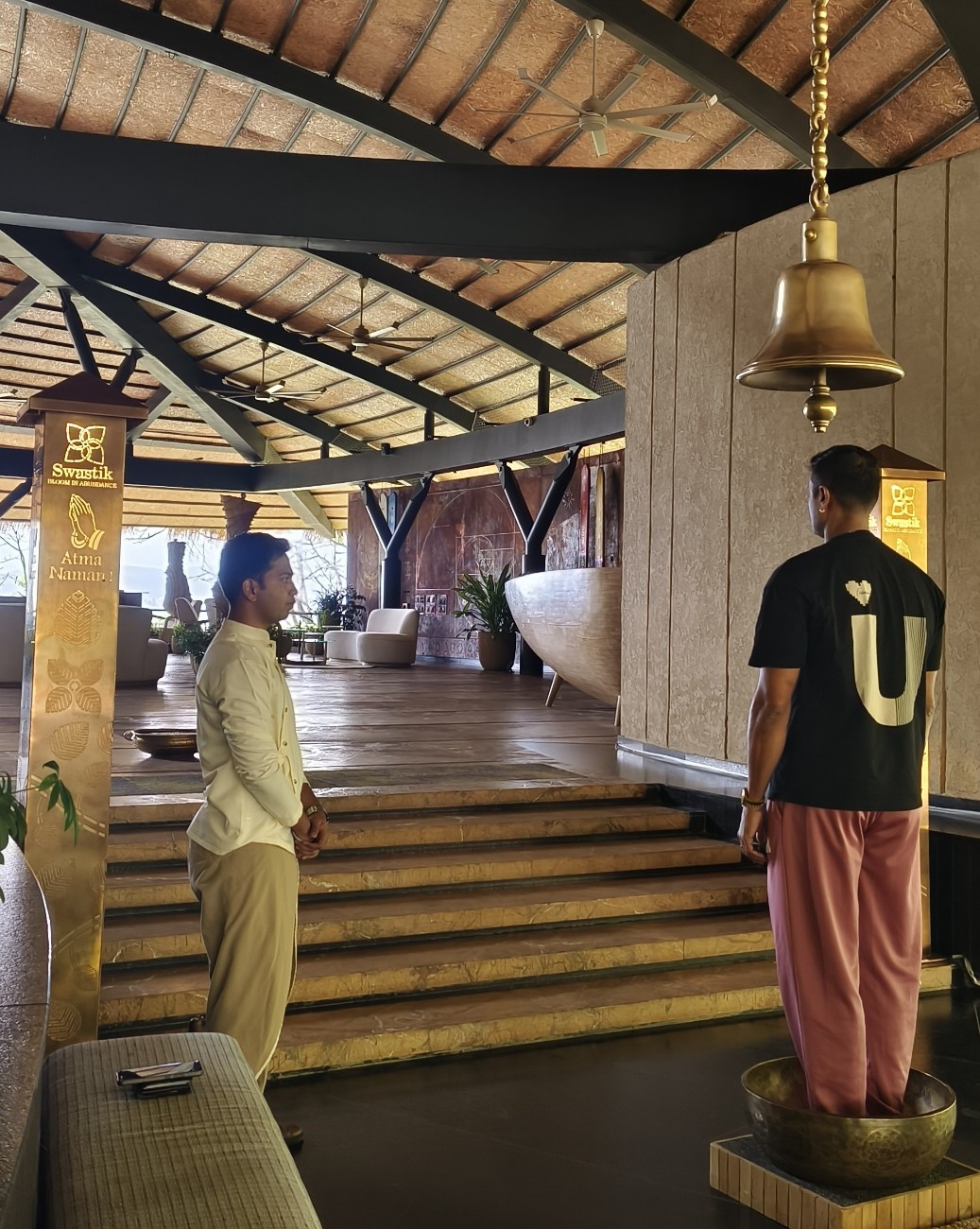
The shift began almost immediately. Instead of a conventional check-in desk and welcome drink, we were ushered into an aura-cleansing ritual. Standing inside a large healing bowl while deep gong vibrations resonated through the body, we could almost feel the fatigue of travel quietly melt away. There were chants, gangajal blessings, vermillion tilaks and protective bracelets; rituals that may have felt performative elsewhere but here revealed warmth and emotional depth.
During an introductory walkthrough, Guest Experience Manager, Aditya Shivare introduced us to the resort’s five-dimensional wellness philosophy centred around health, wealth, love, bliss and spirituality. Here, Ayurveda, naturopathy and physiotherapy coexist alongside yoga, meditation and alternative healing practices, creating an experience that feels holistic rather than rigidly prescriptive.
At Swastik Wellbeing, even the language feels intentional; a distinct lexicon that transforms everyday interactions into expressions of its core values. ‘Hello’ becomes Atmanaman meaning ‘my divine soul greets yours’ while guests are referred to as ‘seekers’, subtly transforming the atmosphere from one of hospitality to mindful participation. As we sipped refreshing lemon-ginger water and nibbled on miniature date energy bars in the naturally lit reception hall, our gaze drifted across the shimmering Khadakwasla waters and the Sahyadri hills beyond. In that moment, we knew we were ready for three-days of purposeful pause.
Also Read: FIFA World Cup 2026: Brand USA Launches Travel Planning Hub For Global Fans
Living Inside a Guha
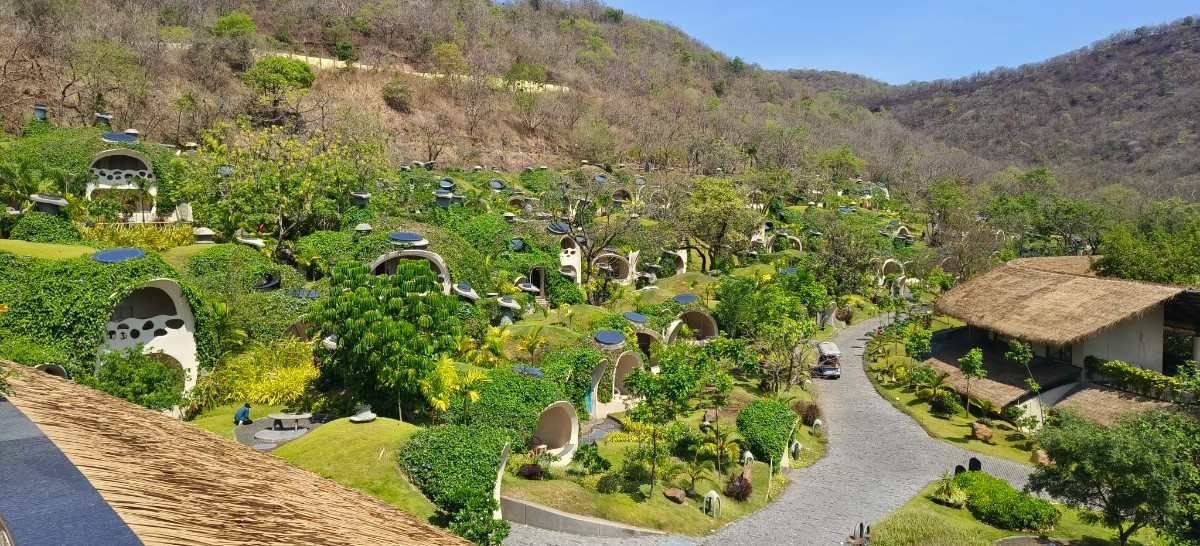
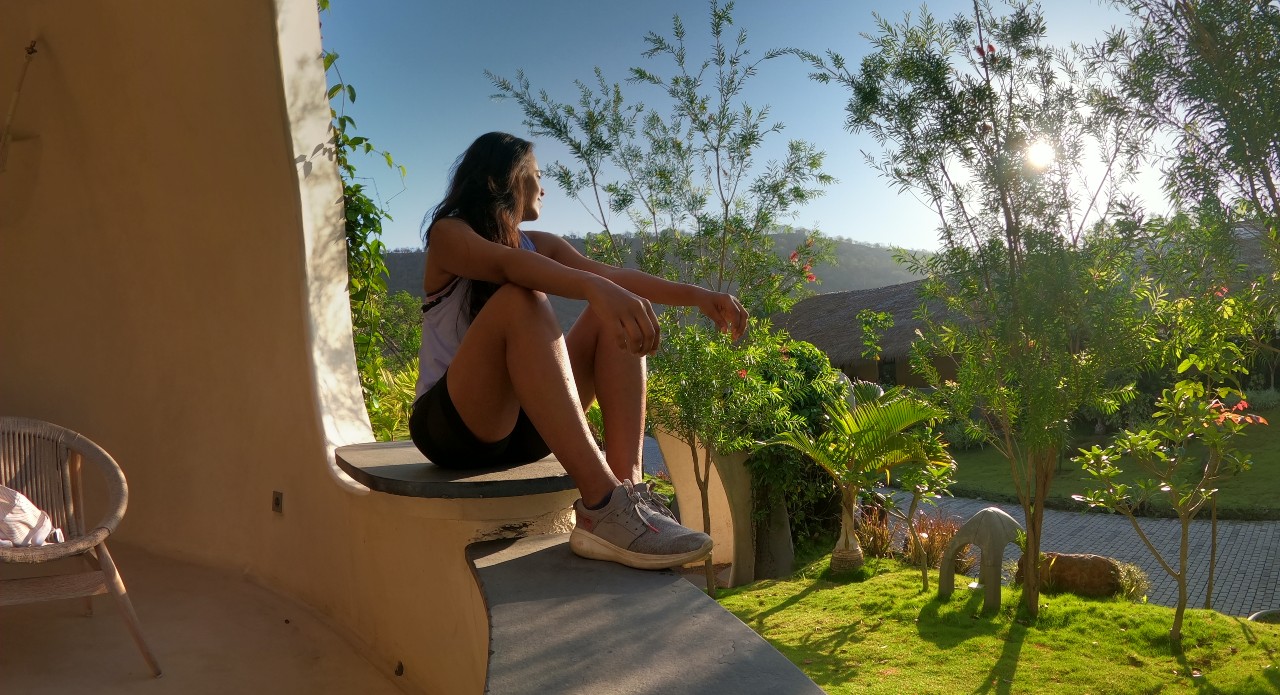
The property unfolds through a series of distinct vihars inspired by the five natural elements: earth, water, fire, air and space. Conceived by TAO Architecture, the retreat is immersive without being excessive, allowing the surrounding landscape and elemental design to take centre stage. We checked into Sukh Vihar, the earth-inspired enclave that houses signature guhas or Hobbiton-inspired, cave-like cottages built seamlessly into the hillside beneath green mounds.
The staff explained that each guha was intentionally designed to evoke the safety and comfort of a mother’s womb. Our Guha, named Guladaudee, opened onto a private sit-out framed by blue skies and dense foliage. Mornings quickly settled into a comforting routine: sipping coffee on the swing, listening to birdsong and enjoying the luxury of having nowhere urgent to be.
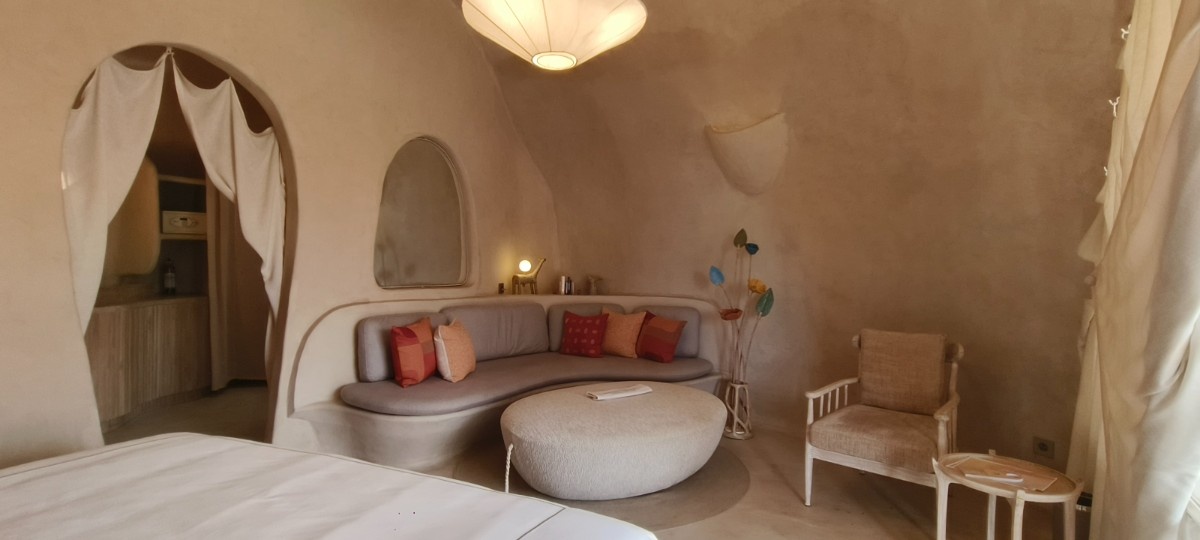
Inside, the design immediately softened our senses. There were no sharp corners or rigid lines; only curved walls, flowing layouts, earthy textures and warm rust-toned accents. Curtains replaced doors, allowing light and air to move gently through the space. Small touches like handwritten gratitude notes and Forest Essentials amenities enhanced the sense of thoughtful hospitality that permeated every aspect of the stay.
One of the guha’s most striking features was its chimney-like ceiling turret, which filtered natural light into the room while passively cooling the interiors. Even during the day, the space remained airy and naturally temperate. What surprised us most was how much we wanted to stay inside. Unlike most stays where the room simply acts as a base between activities, the Guha itself became part of the healing experience. We lingered longer over books, afternoon naps and stretches of comfortable silence.
Healing Through Design
Soon after settling in, we changed into soft beige kurta-pyjama sets arranged by the retreat, an attire usually reserved for guests on longer wellness programmes. To my surprise, it felt incredibly freeing, eliminating the need to think about clothing altogether. No outfit planning, no pressure to look vacation-ready. In a world consumed by aesthetics and constant presentation, this tiny detail meant a lot.
Of course, guests can call for a buggy to navigate the expansive property, but we preferred to explore it on foot. As we wandered, we noticed that across the retreat, existing trees have been left untouched and woven into the architecture. Courtyards created natural microclimates, while winding pathways and meditative gardens reinforced the retreat’s philosophy of healing through coexistence with nature.
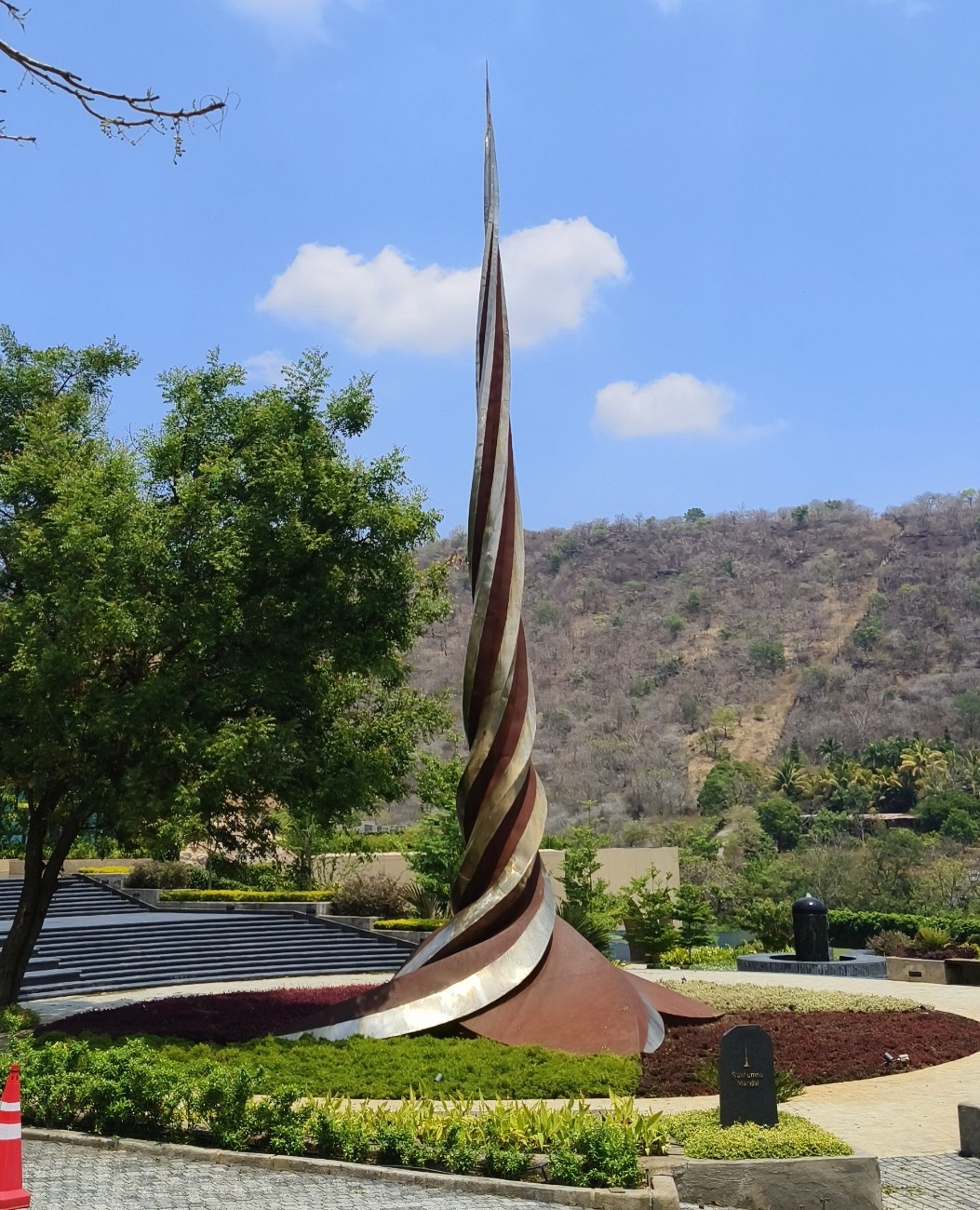
Reflexology paths, and striking art installations blended effortlessly into the landscape. One of the most impressive was the towering Sushumna Sthambh sculpture, inspired by the body’s energy centres and a symbolic axis of balance, alignment, and inner ascent. Nearby, the Anant Mandal reflexology path invited us to walk barefoot across textured stones while alternating between warm and cold water, a surprisingly invigorating ritual believed to stimulate circulation and organ function.
A Personalised Path to Wellbeing

At Anand Vihar, the retreat’s central hub, inspired by the element of fire, we sat down with a resident doctor for an in-depth conversation. Rather than focusing solely on physical symptoms, the consultation explored sleep patterns, stress levels, emotional well-being, and everyday lifestyle habits. Based on these discussions, each guest receives a personalised Dinacharya, which is a curated schedule of therapies, movement sessions and healing rituals.
Food that Nourishes the Soul
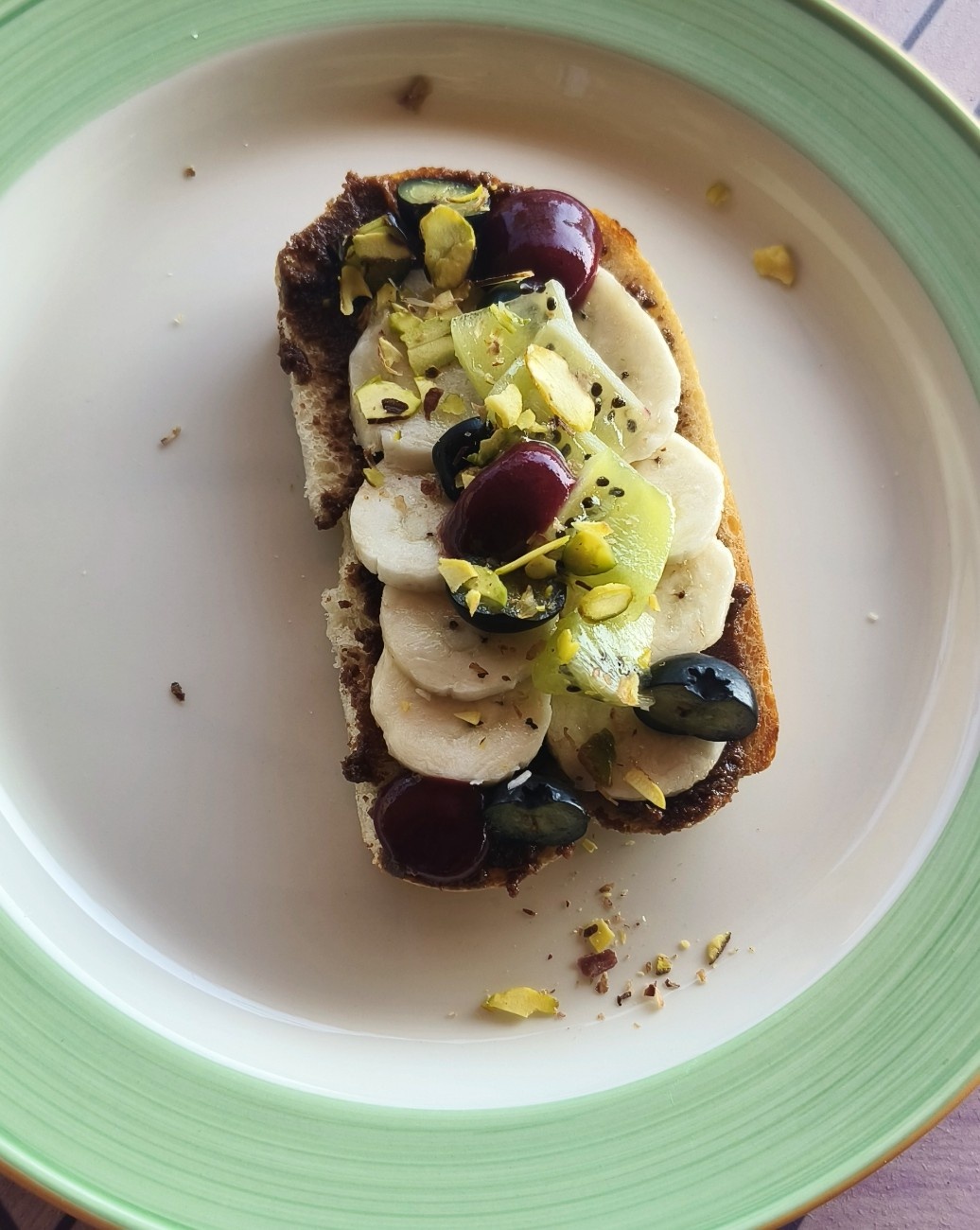
The retreat’s dining spaces, Rasa and Sama, serve menus rooted in Ayurvedic and Naturopathic principles. Before every five-course meal, one must pause briefly for prayer. It is a small gesture, but one that subtly shifts the experience from consumption to gratitude. Breakfast quickly became our favourite meal of the day: papaya smoothies, fresh fruit platters, cinnamon rolls, millet waffles, pesarattu and misal pav enjoyed beside still waters and rustling trees.
Led by Chef Arvind Joshi, the culinary programme challenges every stereotype associated with wellness food. The meals were vibrant, flavourful and deeply satisfying. Over several days, we sampled healthy teas and concoctions, raw mango salads, moong dal shorba, home-baked nachos with salsa, vegetable galouti, tofu rolls stuffed with fragrant rice, millet stews and beautifully plated Indian thalis. Desserts ranged from black rice kheer and tomato halwa to a delicate coconut-lemon cheesecake that somehow felt indulgent without heaviness.
Ingredients are seasonal, preservative-free and carefully sourced. Refined sugar is replaced with jaggery and honey, while healthy fats like A2 ghee and cold-pressed oils are used mindfully. The portions may have looked modest at first, especially to my husband, a sportsperson with a hearty appetite, but they proved surprisingly satisfying, leaving us content without feeling overly full.
Salt Cave, Sound Healing and In-Bed Massages
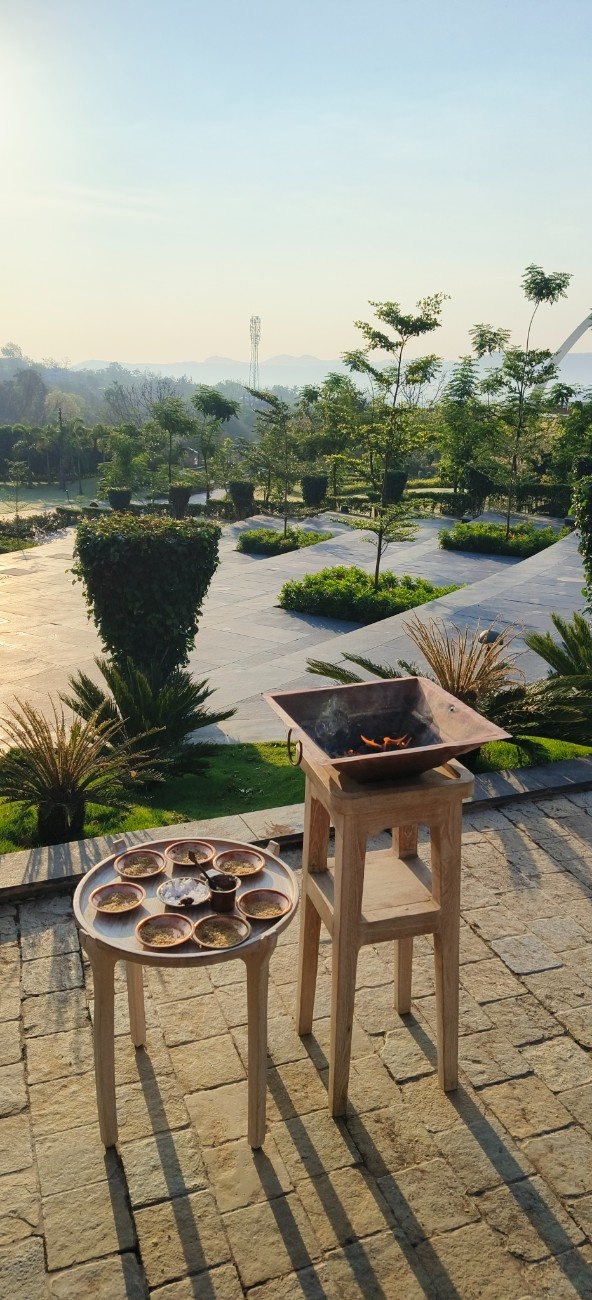
Over the next few days, our routines gradually settled into a gentler rhythm. Mornings began with yoga at sunrise, followed by the traditional Agnihotra fire ritual, where grains are offered to the fire in reverence to the rising sun. The practice set a calm and mindful tone for the rest of the day. One of the most educational aspects of the programme was the post-breakfast philosophy session with a spiritual guru. Far from being formal lectures, these conversations encouraged reflection on everyday living.
At Ayu Vihar, inspired by the element of air, healing therapies took centre stage. The space houses Ayurvedic treatment rooms, naturopathy centres, hydrotherapy facilities and hot-and-cold immersion pools. While the Abhyanga massage was deeply relaxing, one of the experiences we found most memorable was the retreat’s salt cave therapy. Reclining inside the softly lit cave while microscopic salt particles circulated through the air, we spent nearly an hour reading, napping and simply breathing. Equally soothing was the tea lounge nearby, where freshly brewed herbal infusions became a comforting ritual before and after treatments.
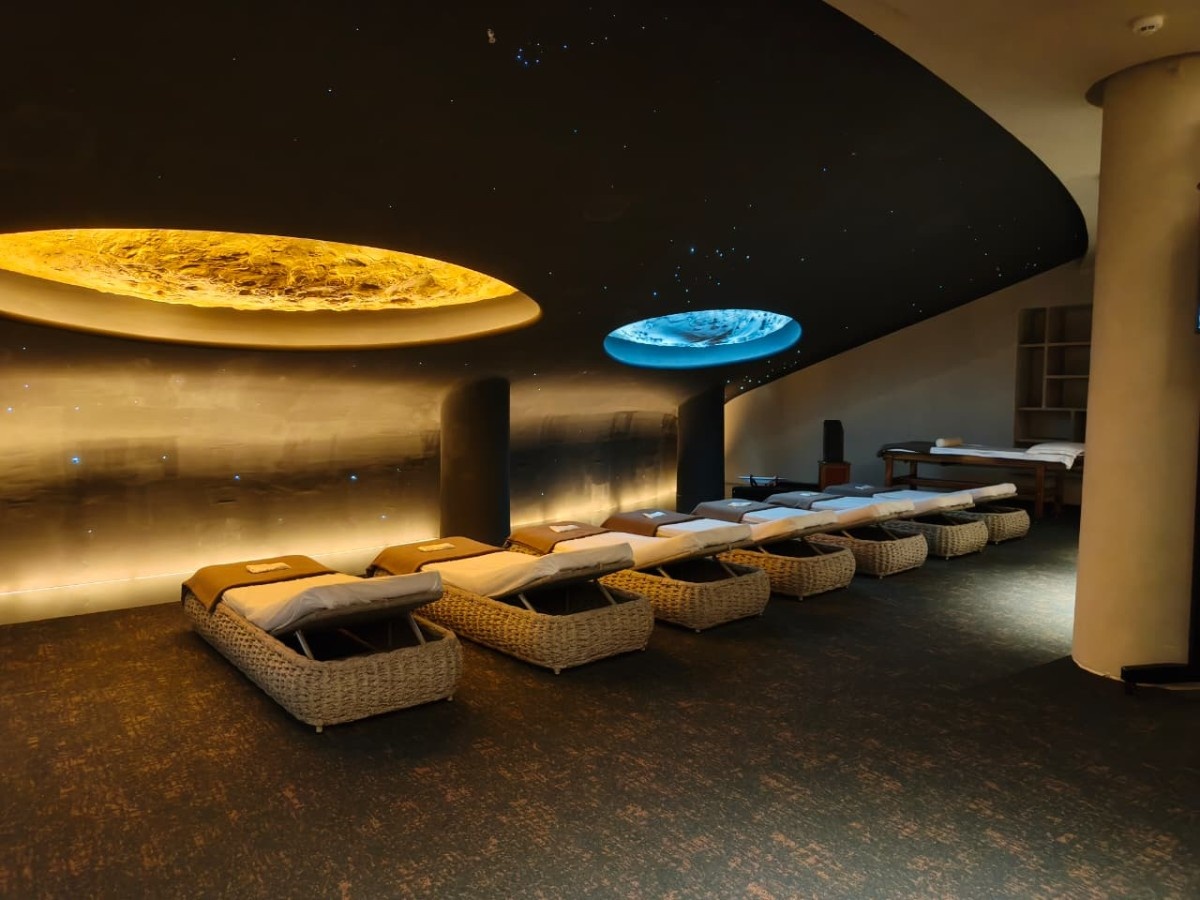
Among other standout experiences for us was the Sonorium, a sound healing space inspired by celestial themes of stars, moons and cosmic frequencies. Lying inside with our eyes closed while vibrations moved through the body felt transportive. The experience drifted between sounds of forests, oceans and meditative frequencies, creating a rare sense of sensory stillness.
Evenings often ended at Dhyan Vihar, home to the Dhyan Mandir, a vast column-free meditation hall rising nearly 72 ft high. Bathed in soft natural light filtering through translucent fabric ceilings, the space felt almost weightless. Without corners or visual distractions, the circular structure created a profound sense of openness.
Surrounding the meditation hall is the Nakshatra Van, a zodiac-inspired garden featuring trees associated with different astrological signs. Guests are encouraged to connect with their designated trees through simple rituals such as reading beneath their shade or watering them. As a Taurean, I found myself instinctively drawn to the jamun and cluster fig trees linked to my sign.
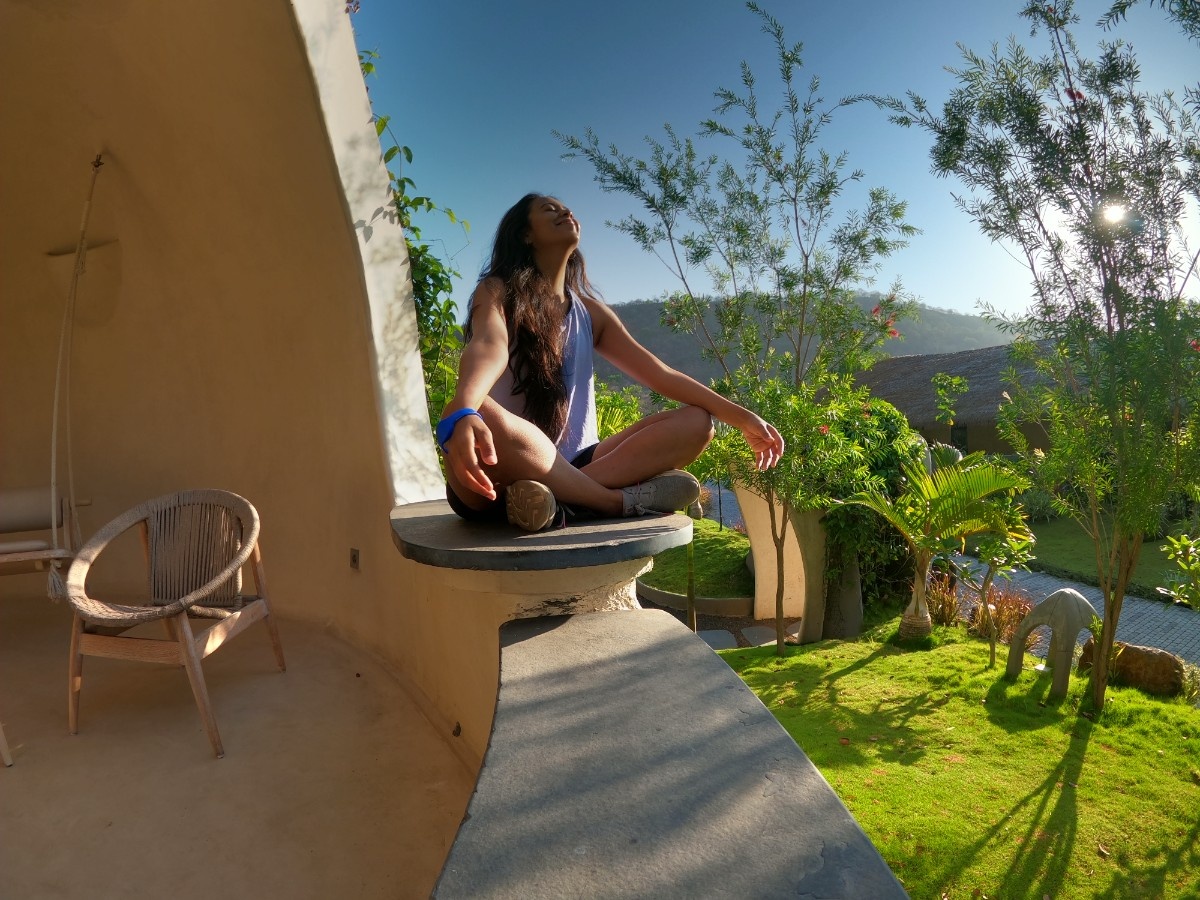
We particularly looked forward to bedtime as that’s when therapists arrived at our Guha for a gentle foot massage performed right in bed. Aromatherapy oils filled the room while slow movements eased the body into rest. Once finished, they tucked us in almost childlike fashion, a surprisingly tender end to a day. It was the kind of comfort one grows accustomed to quickly. Here, wellness isn’t packaged as a trend. Instead, it is rooted in ancient Indian rituals, simplicity and a quiet return to self.
Programmes at Swastik Wellbeing Sanctuary in Pune’s Peacock Valley start at approximately Rs. 60,000 per day. A minimum three-night stay is required, with packages typically including wellness consultations with resident doctors, accommodation, meals, group yoga sessions, sound healing, philosophy sessions, personalised therapies and a range of other wellbeing experiences.