Dia Mirza’s Organic Sari Shows Why Sustainable Fashion Is the Future
Dia Mirza’s organic shibori sari puts sustainable Indian fashion in the spotlight, showing how traditional craft, nature-inspired motifs and contemporary styling can come together without losing the drama of occasionwear
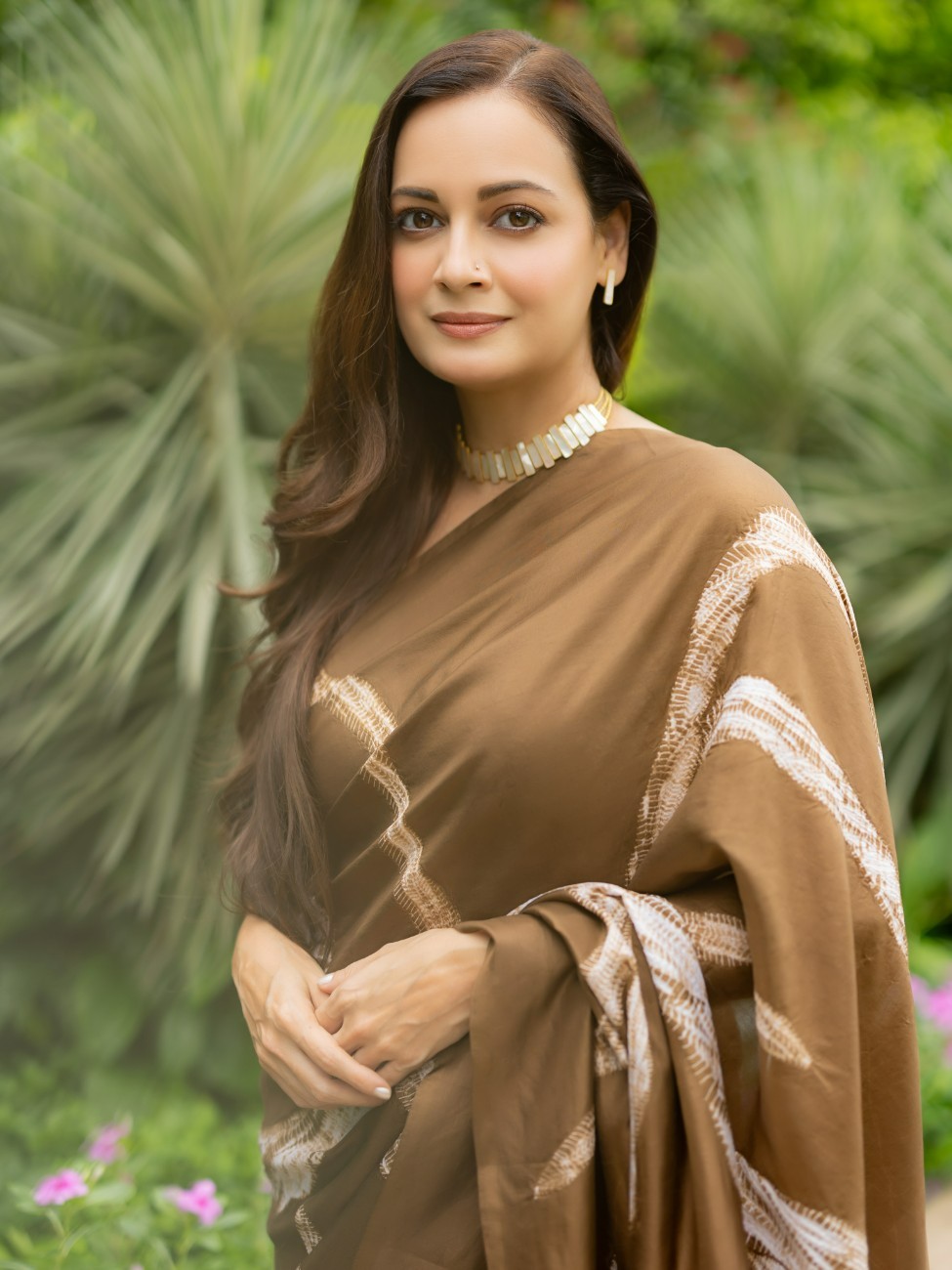
Dia Mirza’s latest look is proving that sustainable style can be just as striking as it is meaningful. In her most recent public appearance through a post on Instagram, the actor and environmental advocate stepped out in an organic sari crafted using shibori, a centuries old resist dyeing technique. The look set off conversations about what the future of Indian fashion could look like.
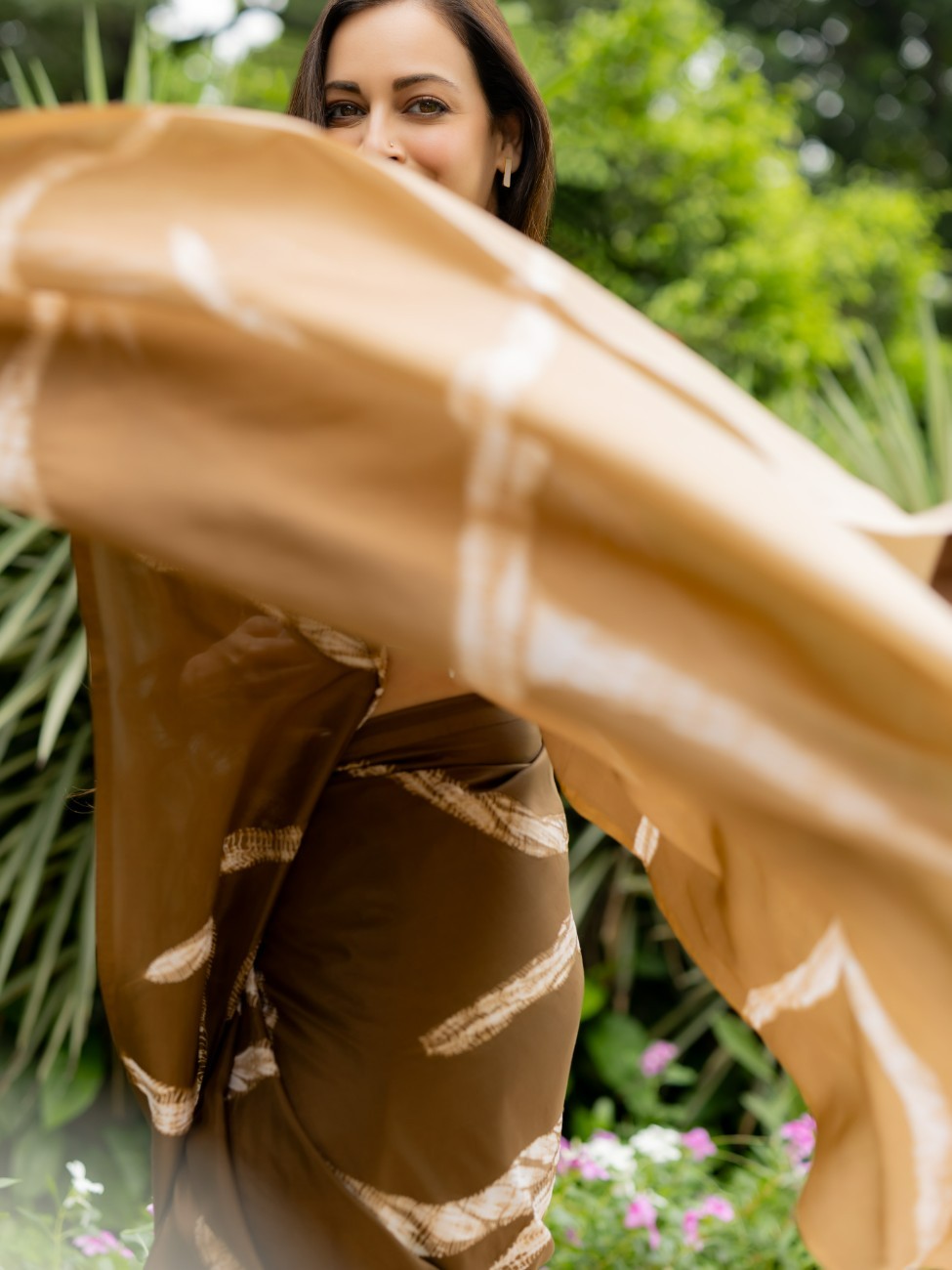
The sari draws its inspiration from an unlikely source: the intricate structure of roots. Its organic, fluid patterning mirrors how root systems spread beneath soil, branching in ways that feel entirely natural. Shibori techniques rely on hand tying, folding, and dyeing fabric using natural pigments, not mass produced synthetic processes.
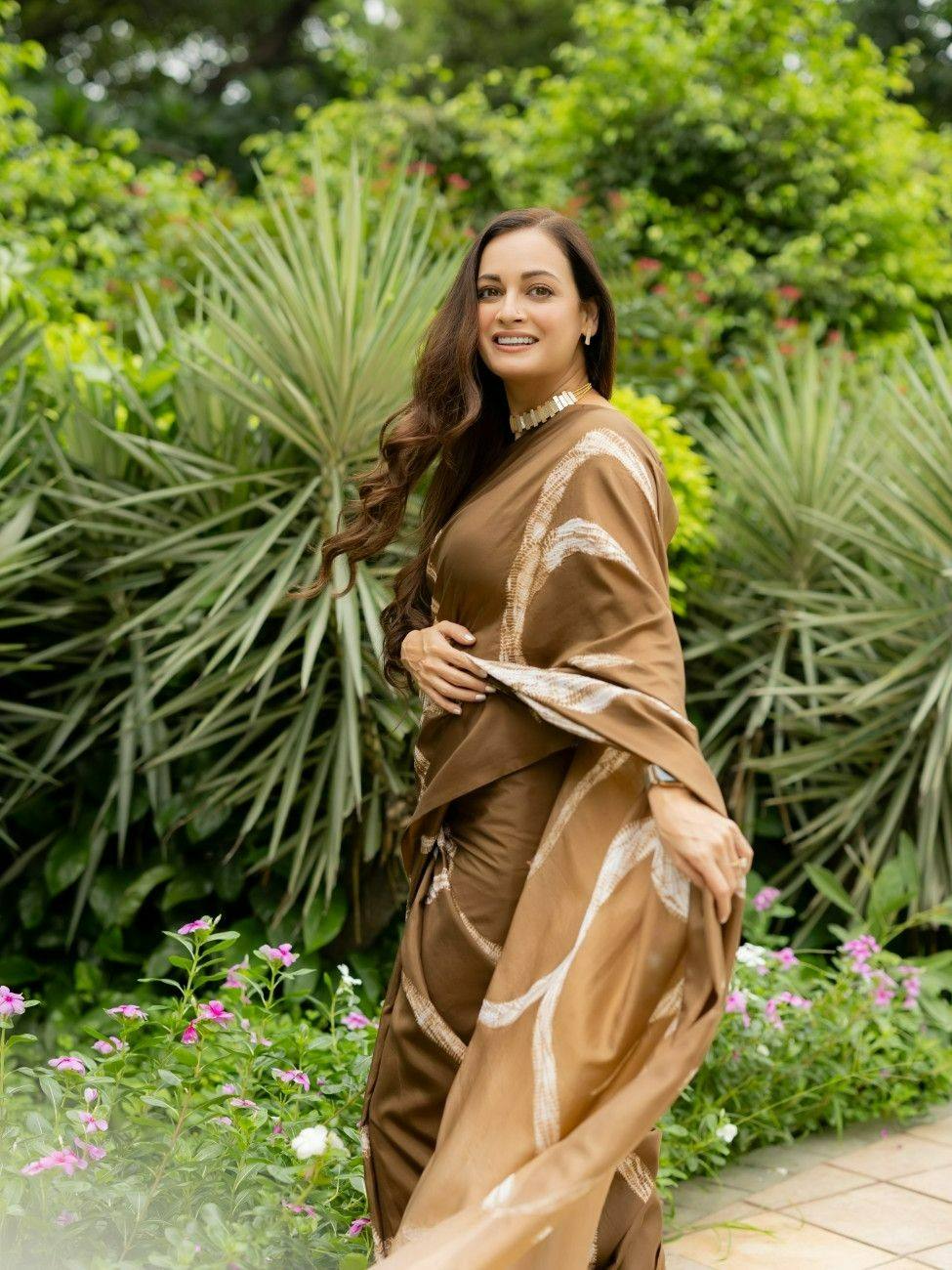
Mirza’s work as a UN Environment Goodwill Ambassador adds weight to these choices. When she wears organic fabric clothing on a public platform, it reads less like styling and more like an extension of her values.
When Organic Means Opulent
Sustainable fashion is often mistaken for a budget-friendly category, but craft-led Indian labels can command some of the highest price points in the industry, putting Dia Mirza’s choice firmly within the luxury conversation.
Also Read: Bandhani: The Ancient Indian Craft Reclaiming Its Place in Global Luxury
Shibori pieces with a similar appeal include the Anamika Khanna Black Shibori Saree Set, priced at Rs 52,930 (approx.), which comes custom-made with a matching lycra blouse. The Karigar and Co. Purple Embroidered Draped Saree Set costs around Rs 45,180 and features a pre-draped silhouette with intricate embroidery. The Punit Balana Blue Printed Pre-Draped Saree Set is priced at approximately Rs 34,650 and combines a satin silk base with shibori print and mirror work. Meanwhile, the Resham Yellow Shibori Silk Saree costs around Rs 25,750 and is crafted from tussar silk with handcrafted Nui Shibori work.
The Craft Runs Deeper
Shibori is often mistaken for bandhani but the two differ in technique and finish. While bandhani is known for its tight, dotted patterns, shibori creates softer, more painterly effects. Dia Mirza’s nature-inspired interpretation shows how traditional craft can be reimagined through a distinctly Indian lens.
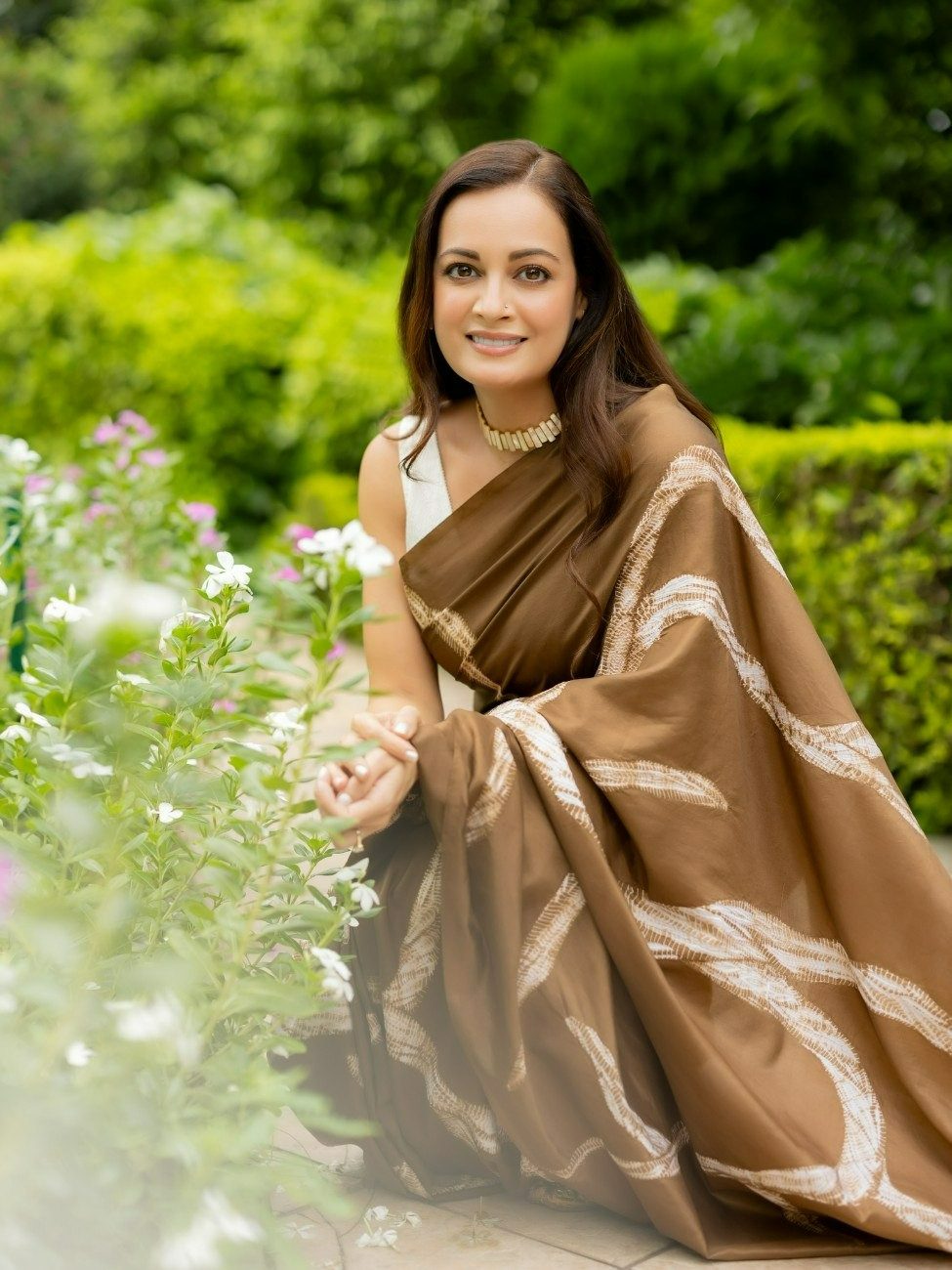
As sustainable fashion moves beyond designer circles, choices like Mirza’s make a stronger case for organic fabrics and low-impact craft without compromising on the drama of Indian occasionwear.
Also Read: Sustainable Luxury Fashion: Can Exclusivity and Ethics Coexist in Modern Collections?
If more celebrities embrace the approach, natural dyes, handlooms and mindful production could become an increasingly visible part of Indian fashion.