Paris Men’s Fashion Week SS27: Dior Homme, Kenzo, 3.Paradis and Jeanne Friot Set the Tone
Paris Men’s Fashion Week SS27 continued on June 24 with standout presentations from Dior Homme, Kenzo and Jeanne Friot, reflecting a season shaped by relaxed silhouettes, cultural storytelling and evolving menswear codes in Paris
Paris Men’s Fashion Week Spring/Summer 2027 began on June 24 in Paris amid a strong European heatwave. The city mirrored the season showcased on the runway. However, discussions went beyond just the rising temperatures. Designers in the French capital seemed more aware of a changing world. They responded with collections focused on ease, movement, and practicality while still embracing creativity. The day highlighted fashion’s connection to modern realities, featuring lighter silhouettes, relaxed tailoring, and fluid styling as common themes throughout the schedule.
At the same time, the day strengthened Paris’ role as the global center of luxury menswear. It brought together some of the industry’s most influential brands and a new group of independent designers. While their styles differed greatly, many collections focused on rethinking traditional menswear standards through a more personal and emotional perspective. Instead of just relying on showmanship, designers used clothing to examine identity, cultural memory, and modern lifestyles. This created a season that feels less about trends and more about how men want to dress, move and live today.
Also Read: Paris Men’s Fashion Week SS27 Opens with a New Vision of Luxury
Dior Homme, Kenzo and the Reinvention of Menswear Codes in Paris
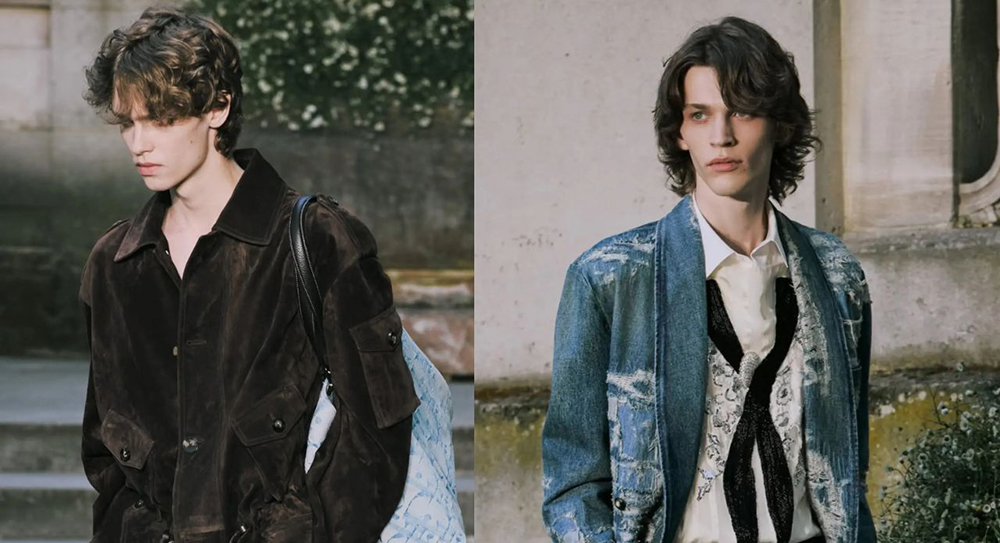
At Dior Homme, Jonathan Anderson redefined tailoring with a relaxed feel that matched the season’s warmth. He softened formal shapes and brought a more casual touch to the house’s usually structured style. The show focused on contrast, mixing historic references with a looser, modern vibe that felt connected to daily life in Paris.
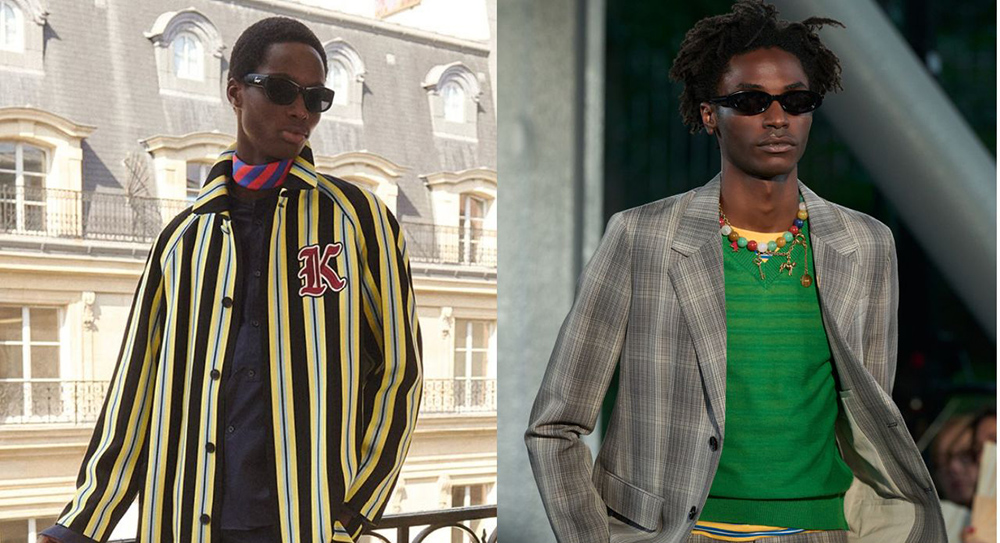
Kenzo brought a more expressive energy, layering colour, movement and cross-cultural references into silhouettes that felt optimistic and fluid. Louis Vuitton and Saint Laurent reinforced the spectrum of Parisian menswear through opposing registers, with Louis Vuitton emphasising global street influence and spectacle-driven presentation, while Saint Laurent refined minimalism through sharp cuts and controlled elegance.
Front rows filled with global celebrities underscored the commercial and cultural weight of these shows, turning runway moments into wider media events that extended beyond fashion circles.
Emerging Labels and the Emotional Language of Paris Menswear
Independent voices added texture to the day’s narrative. 3.Paradis presented a reflective approach to streetwear, using symbolic graphics and layered construction to explore ideas of faith, identity and personal transformation. Jeanne Friot continued her politically conscious design language, presenting gender-fluid silhouettes and sculptural tailoring that challenged traditional menswear codes while retaining wearability.
Also Read: From Prada to Armani: Key Takeaways from Milan Men’s Fashion Week SS27
Across these shows, a shared thread emerged. Paris Mens Fashion Week SS27 on June 24 suggested a season shaped by contradiction, where precision tailoring meets emotional looseness and cultural symbolism. Labels are no longer defined only by aesthetics but by how they respond to climate, identity and social dialogue. The result is a menswear landscape in Paris that feels increasingly plural, where established houses and emerging designers contribute equally to the evolving vocabulary of modern menswear.