When Should You Wear A Black Bow Or White Bow? Complete Style Guide
Black bow ties and white bow ties may look like small pieces of fabric, but in menswear, they separate elegance from embarrassment. Knowing when to wear each is not fashion trivia, it is social survival
There are few things in life more dangerous than a dress code written in two words; ‘Black Tie’. It sounds harmless enough, doesn’t it? Yet it has caused more panic among grown men than tax returns and wedding speeches combined. And just when you think you have understood it, along comes its terrifying aristocratic cousin: ‘White Tie’, which sounds less like an outfit and more like something requiring royal permission.
This is where chaos begins. Someone arrives in a long necktie. Someone else wears a white bow tie to a black tie dinner and looks like they have wandered out of a Viennese orchestra. Another brave soul chooses a velvet fashion bow from Instagram and is quietly never invited back. The truth is simple: black bow ties and white bow ties are not interchangeable. They are rules. Ancient, stubborn, wonderfully specific rules. And in formalwear, rules exist because mistakes live forever in photographs.
The Black Bow Tie: Evening Elegance Done Properly
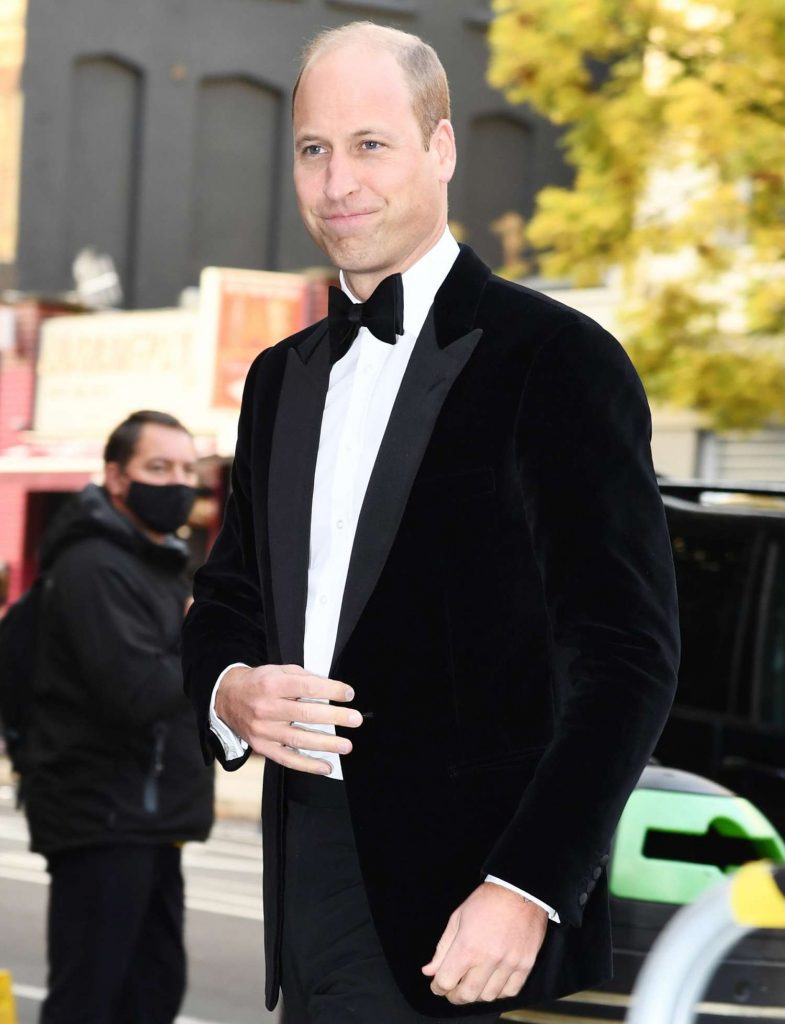
The black bow tie belongs to Black Tie dress code. This means tuxedos, dinner jackets, evening weddings, award ceremonies, formal receptions, and those glamorous events where someone inevitably says “lovely to see you” while holding a glass of champagne they did not pay for. The classic black bow tie is worn with a black tuxedo or midnight blue dinner jacket, paired with a crisp white dress shirt, usually with a pleated or marcella front, and polished patent leather shoes that should reflect light like a mirror. It is formal, yes, but it still allows room for personality.
You can wear an ivory dinner jacket in warmer climates, velvet slippers if you are feeling dangerously confident, or a grosgrain lapel if you understand tailoring. But the bow tie remains black. Always. Because the black bow tie is not there to shout. It is there to complete the architecture of the outfit. It is punctuation. Invisible when correct, unforgettable when wrong.
Also Read: Collectors Are Returning To Small Case Watches For Vintage Appeal
The White Bow Tie: Formality at Its Highest Level
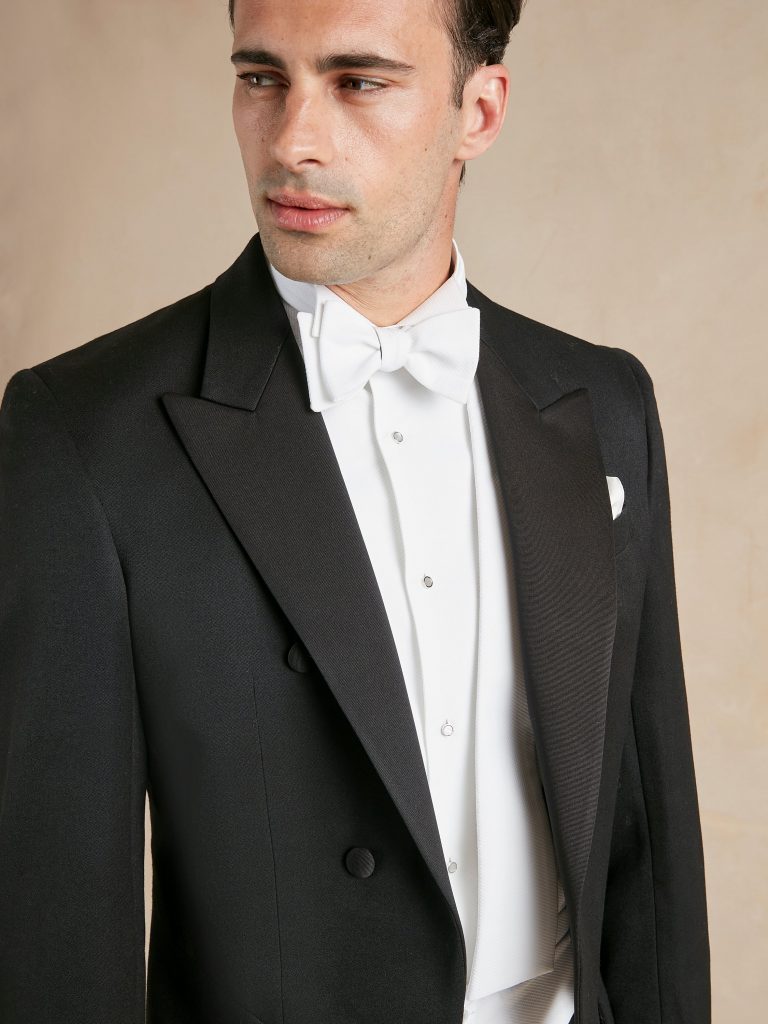
White bow tie belongs to White Tie. And White Tie is not simply “very formal.” It is the absolute summit of menswear formality. This is for state banquets, royal receptions, diplomatic dinners, Nobel Prize ceremonies, grand opera openings, and events where the chandeliers probably have their own family history. A white bow tie is worn with a black tailcoat, matching high-waisted trousers with silk braid, a stiff white marcella waistcoat, a wing-collar shirt, and a hand-tied white bow tie made of marcella cotton. Not satin, not silk. Certainly not anything pre-tied from the internet. White Tie is not about personal style. It is about respecting tradition. You are not dressing to stand out. You are dressing because history has politely informed you that this is how civilisation behaves. If you arrive underdressed, you do not look rebellious. You look lost.
The Mistakes Men Make
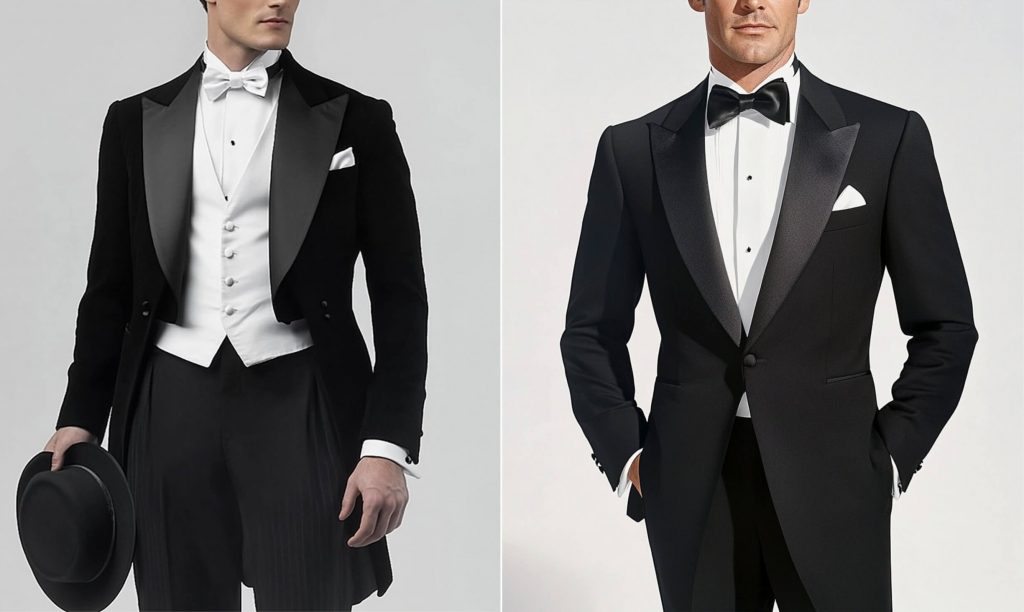
The first mistake is confusing Black Tie and White Tie because both happen to contain the word “tie,” which is like confusing a yacht with a submarine because both float. A white bow tie with a tuxedo is wrong. A black bow tie with tails is wrong. A regular necktie at either event is the social equivalent of bringing flip-flops to a coronation. The second mistake is wearing a pre-tied bow. Yes, it is convenient. So is instant coffee. But when the occasion matters, the effort should too. A self-tied bow has slight asymmetry, a bit of character, and charm. A pre-tied one looks like it was fitted by airport security. The third mistake is treating bow ties like novelty accessories. No oversized fashion bows. No sequins. No festive velvet Christmas experiments unless your surname is Liberace. Classic exists for a reason.
How to Know Which One to Wear
The easiest answer is this: read the invitation. If it says Black Tie, wear a black bow tie with a tuxedo. If it says White Tie, wear a white bow tie with tails. If it says Formal and you are unsure, it is usually safer to lean toward Black Tie than invent your own interpretation involving loafers and misplaced optimism. And if someone says “creative black tie,” prepare for confusion, but still begin with a black bow tie and basic dignity. Because style is not about being noticed first. It is about never being remembered for the wrong reason.
The bow tie may be small, but it carries enormous meaning. Black says elegance. White says ceremony.
Both say you understand that clothes are sometimes more than clothes—they are respect, ritual, and the quiet language of knowing where you are and what the moment requires. And in a world where people wear trainers to weddings and believe hoodies count as tailoring, that matters. So wear the right bow. Tie it properly. Stand up straight. And for one evening at least, try to look like civilisation still has a fighting chance.