How Chef Deni Koswara’s Journey Led Him To House Of Ming
A closer look at Chef Deni Koswara's Indonesian residency at House of Ming, where every course reflects tradition, craftsmanship and the stories behind the cuisine
Indonesian cuisine presents one of the most vibrant and colourful cuisines in the world painting a unique blend of rich, aromatic, umami, mild flavours on your tastebuds. What lies at the heart of the Indonesian cuisine are five major flavours, spiced but not hot, spicy and hot, sweet, sour and strong. These flavour preferences have their roots in Indonesian history as the country was once known as the ‘spice islands’ and was a major source of cloves and nutmeg. What makes it more interesting is that the country was also a prominent stop on the spice trade route and as such, spicy chillies from South America and curry blends from India added another dimension to the existing base.
The cuisine draws on a rich variety of ingredients, including tropical fruits like coconut, banana, mango, rambutan and durian; vegetables such as eggplant, spinach, cabbage and chilli peppers; staples including rice, noodles, cassava and sago; proteins like chicken, seafood and tempeh; coconut and palm oils; aromatic spices such as galangal, ginger, turmeric, coriander, cumin and cloves; herbs including lemongrass, pandan and kaffir lime leaves; and signature condiments like sambal, kecap manis (sweet soy sauce) and peanut sauce.
Giving a glimpse of the Indonesian cuisine, Chef Deni Koswara has come to Delhi for a limited-time culinary residency at House of Ming, Taj Mahal, New Delhi which is ongoing from July 9 and will continue till 16. Visiting for an experience especially after being tied up with work that gives you less space to sit still and relish eating suddenly felt less like an outing and more like an opportunity to experience the cuisine through one of its finest ambassadors.
Rendezvous to Reality
Born in Indonesia, Chef Koswara had his rendezvous with the kitchen at a very tender age as he grew up watching his grandmother cook over charcoal. Observing cooking of meal from such close quarters helped him absorb the flavours and rhythms of Southeast Asian home cooking long before he ever set foot in a professional kitchen.
Few years later Chef Deni took on his career at Jumeirah Emirates Towers in Dubai in 2005, this initial spark and affinity to kitchen helped him craft a two-decade career of his own by commanding some of the most demanding dining rooms in the world.
Also Read: Cap Karoso: Indonesia’s Most Elegant Island Escape
From the Jumeirah Emirates Towers in Dubai, his first posting straight out of hotel school in Bandung to Nobu at the Four Seasons Doha, pre-opening kitchens in Bali and Saudi Arabia, and now Mumbai, Chef Deni has shaped some of the most celebrated Asian dining destinations in luxury hospitality.
This pursuit of excellence has earned Chef Deni international recognition, with his restaurants receiving accolades including TripAdvisor’s ‘Best Japanese Restaurant’ in 2020, the World Luxury Restaurant Awards’, ‘Asian Fusion Cuisine Award’ and the 2023 Haute Grandeur Award. Today, he brings that globally recognised expertise to his role as Master Chef of Nonya at Taj The Trees, Mumbai, and to his exclusive culinary residency at House of Ming, Taj Mahal, New Delhi.
Presentations at House of Ming
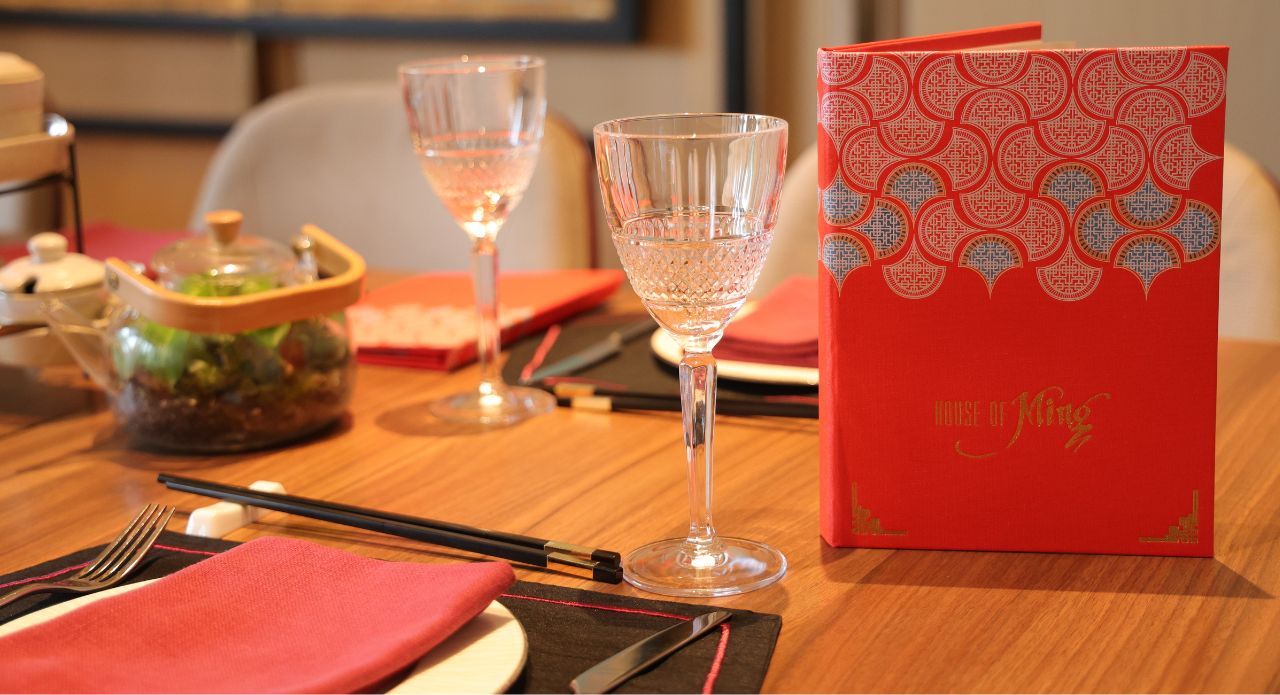
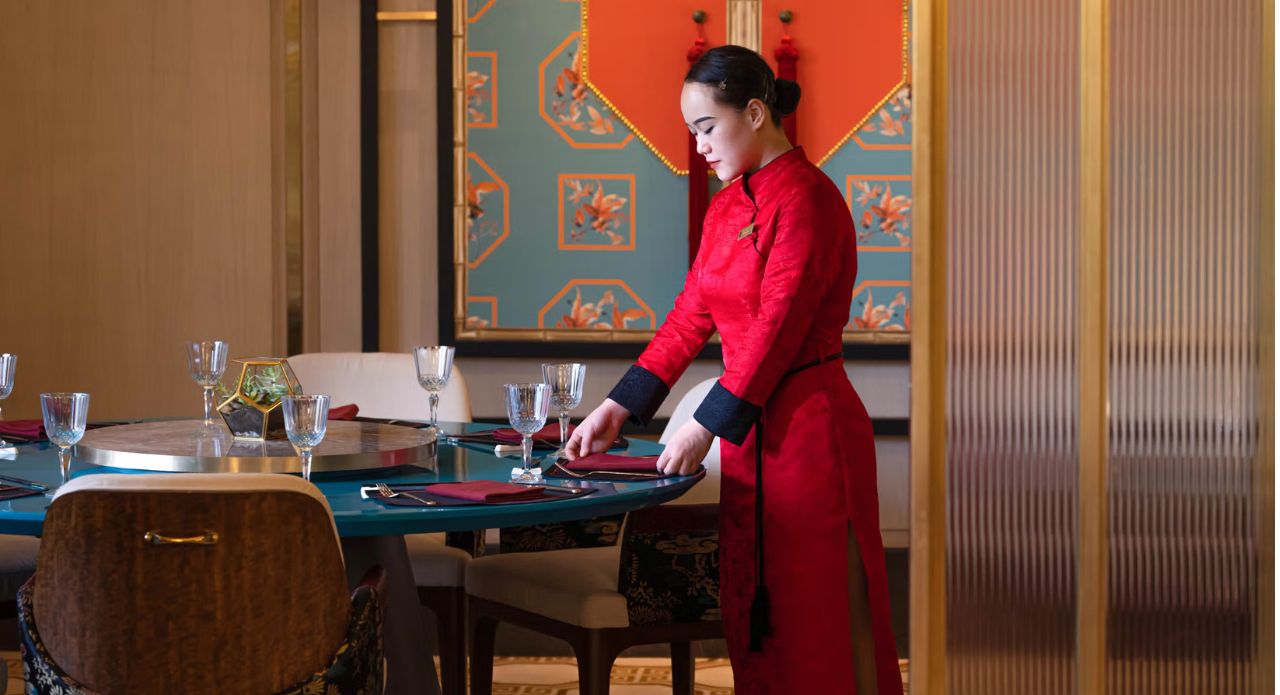
It had rained relentlessly on the day of my meeting with Chef Deni and his creations. By the time I took a seat at the House of Ming, it had stopped raining and I could see rain washed flowers and plants bordering the other side of the window softly swinging following the direction of the wind. On the inside, an Asian instrumental music filled the room amplifying the mood of the setting where I sat along with fellow diners.
The lunch began with a refresher called Wasabi Mule presented in a bamboo glass. Combining wasabi, lime, shiso, ginger ale and ice cubes, the drink was gentle on the palate and has antibacterial properties used to cleanse the palate before beginning the meal. In addition this drink also helps in preparing the gut and increasing appetite.
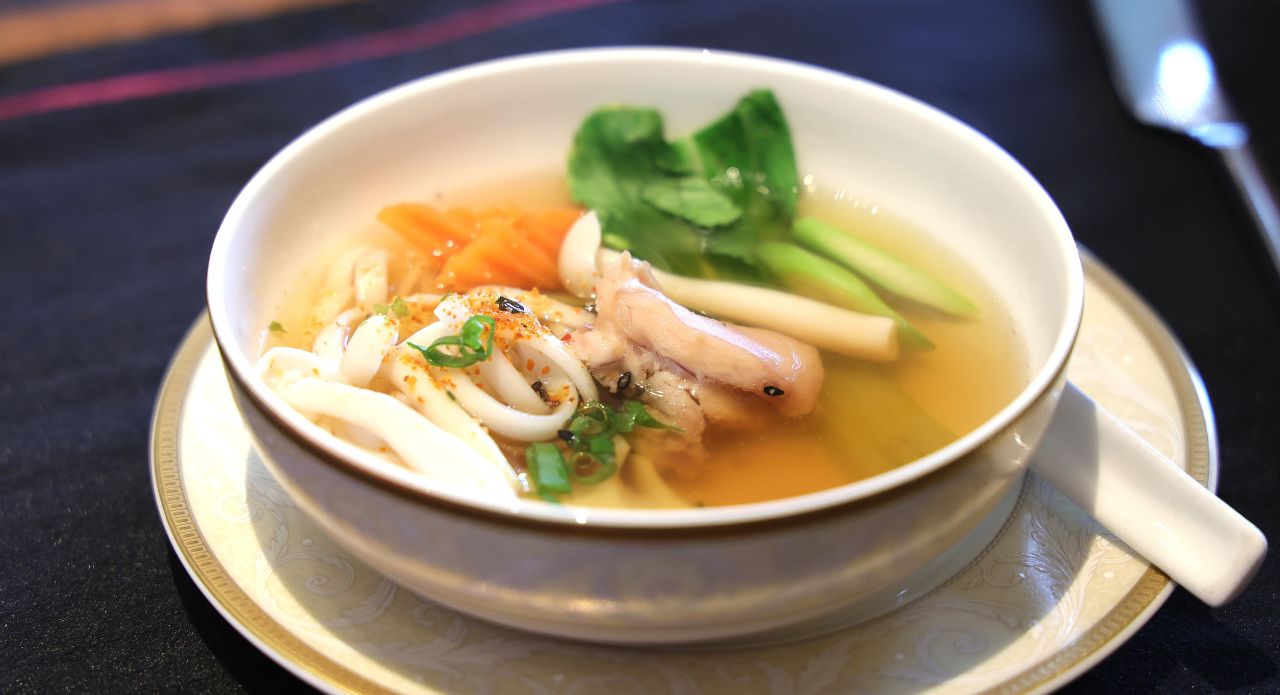
Next came the Shoyu Ramen, shoyu broth embracing char-sue chicken, onsen egg, pok choi, shimeji mushrooms, was a light soup that build a bridge to the avocado tartare salad that followed next.
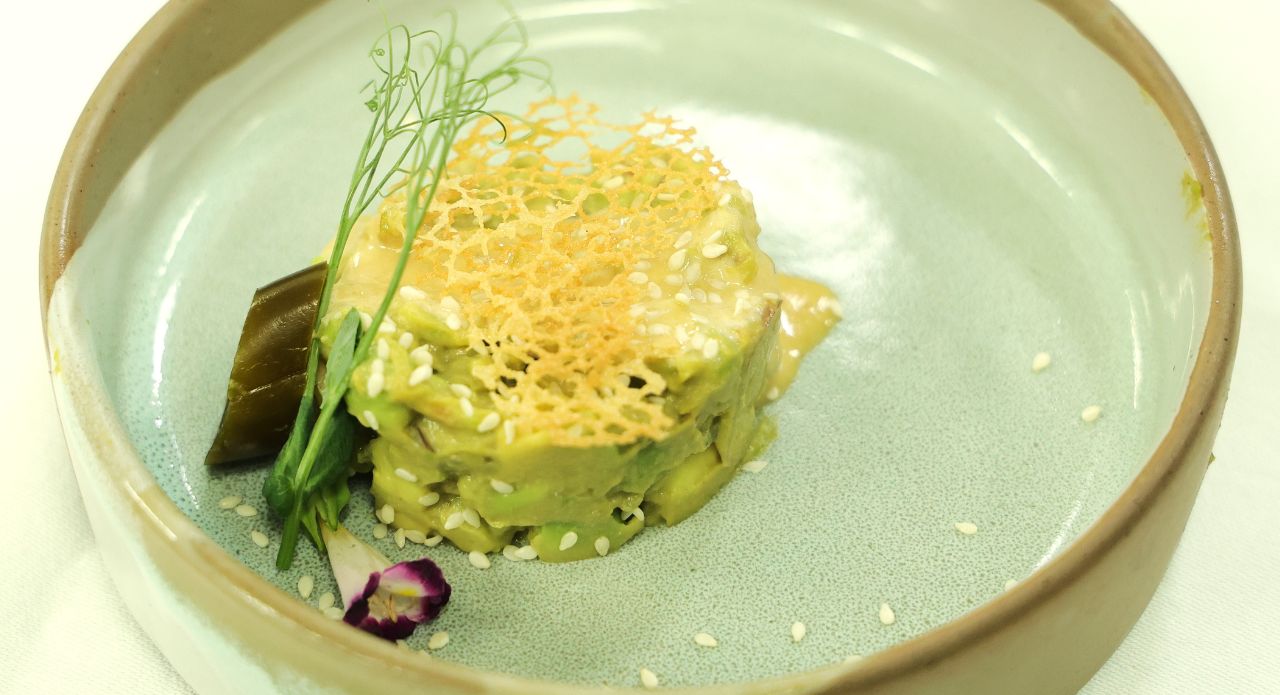
The salad contained sesame dressing, red onion, jalapenos and the non-vegetarian bit included crab in addition to the usual ingredients. I opted for the vegetarian salad, which combined crisp greens with sesame dressing, red onion and jalapeños. The light, nutty dressing tied the ingredients together, allowing the freshness of the vegetables to take centre stage.
For appetiser, I got to eat Nonya Karaage, something that Chef Deni holds closer to his heart. The crispy chicken thigh, shichimi, balsamic teriyaki did not have the ordinary dry texture but it was juicy, crispy chicken with a hint of light creaminess which definitely makes for a unique combination.
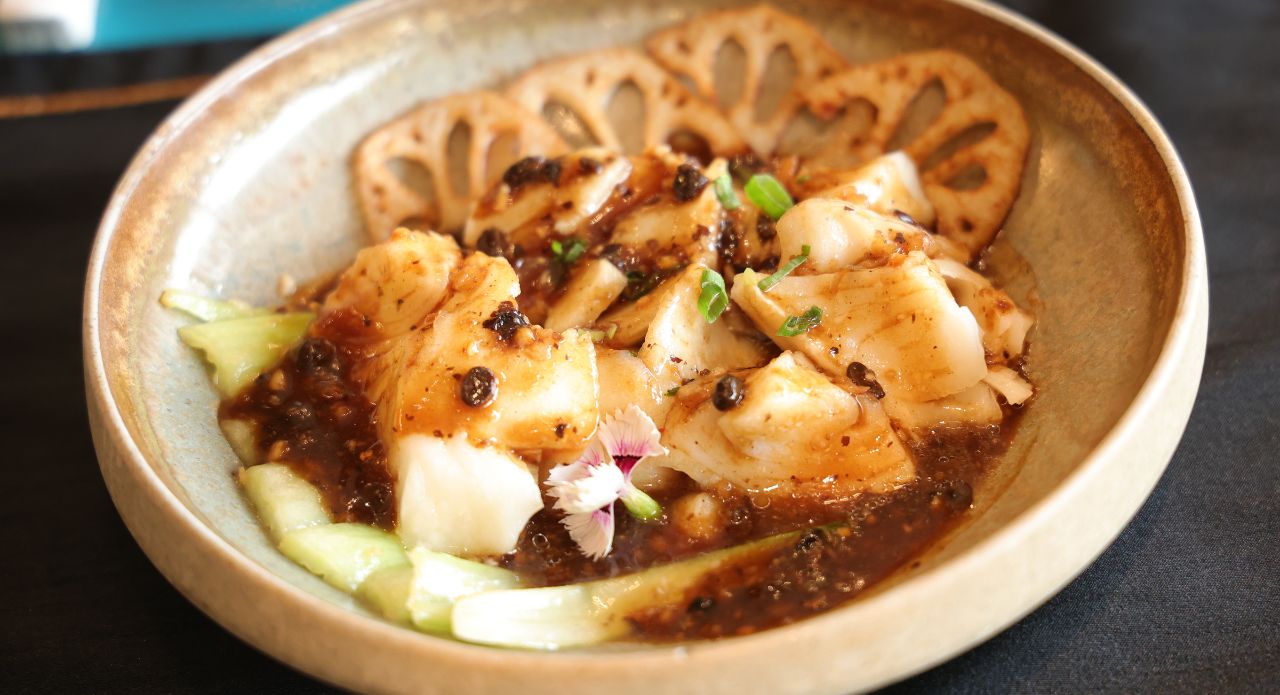
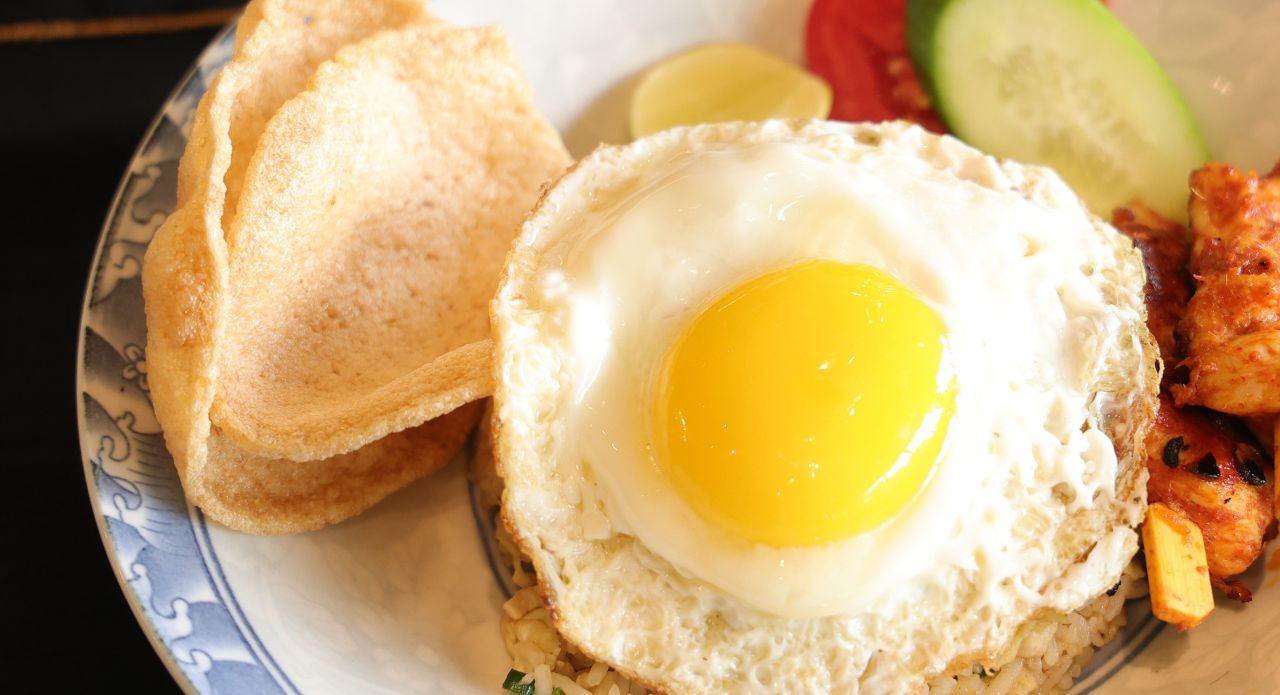
For mains, I got three separate mains served one after another. The first being steamed Chilean Seabass, while Tempeh Orek was presented as the second main and Nasi Goreng was served as the third main. The Chilean seabass arrived with a delicate black bean sauce, chilli and lemon, while the Tempeh Orek paired stir-fried tempeh with sweet soy, white asparagus and basil leaf. The meal concluded with Chef Deni’s take on Nasi Goreng, combining fragrant fried rice with chicken or satay and a refreshing pickle salad, bringing together familiar Indonesian flavours in a comforting finale.
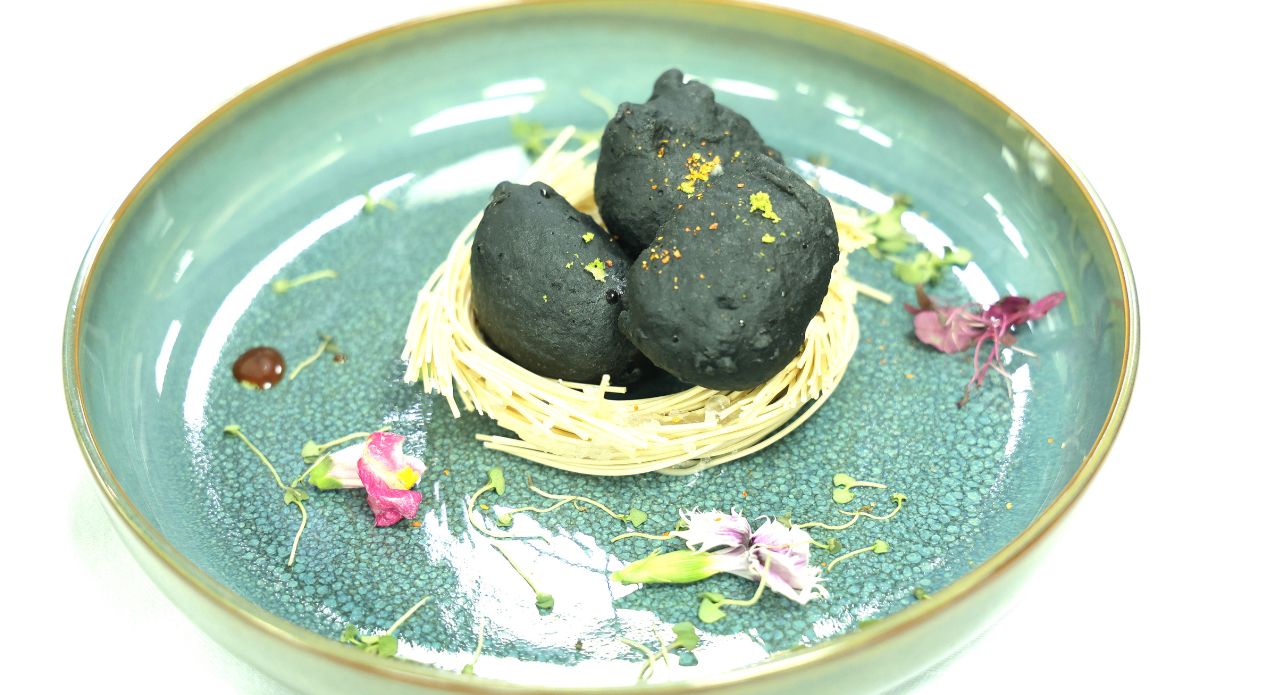
Adding raspberry to the cheesecake, the Basque Yuzu Cheesecake combining matcha baque cheesecake, yuzu jelly came covered by a edible potato starch paper inside a black flatbase dessert bowl which was burnt eventually to reveal the underlying dessert—the soft, creamy, citrusy filling topped with tangy yuzu curd and garnished by a petal of sweet William and a raspberry.
At the end of the 8-course meal, it felt like I have been through a journey through the food that Indonesia stands for, which is probably the part of what Chef Deni stands for when he says that he loves cooking that “tell a story”.
Cooking With Purpose
The meal had offered more than a sequence of well-executed dishes; it was a glimpse into the culinary philosophy that Chef Deni has spent over two decades refining. Once lunch concluded, we settled into conversation, where the chef spoke about accolades and more about memories, people and purpose.
Although his career has taken him from Dubai and Doha to Bali, Saudi Arabia and now Mumbai, Chef Deni remains anchored to the earliest lessons he learnt at home.
His first classroom was not a professional kitchen but the family hearth, where he watched his grandmother prepare meals over charcoal. Those aromas, he explained, continue to influence the way he cooks today. “I saw my grandmother cooking over charcoal… the aroma, the grilling, the steam inside the banana leaf. That is still implemented in my kitchen,” he said. While modern luxury hotels understandably replace charcoal with safer equipment, he continues to recreate those familiar flavours using contemporary techniques without compromising the essence of the dish.
That respect for memory is equally visible in the dishes he creates. Rather than treating recipes as static traditions, Chef Deni approaches each plate as a narrative. “I love cooking that tells a story,” he remarked, explaining that every menu begins with an idea rooted in his own experiences while paying equal respect to the culture of the place where it is served. His signature Nonya Karaage, for instance, is not merely fried chicken but a dish inspired by his personal journey, interpreted through local ingredients and refined for contemporary diners.
Working across multiple countries has also shaped his understanding of authenticity. Instead of importing every ingredient, Chef Deni believes luxury lies in adapting thoughtfully to local produce while preserving the soul of Indonesian cooking. Menus for residencies such as this one are developed around ingredients available in India, incorporating sustainable local produce wherever possible. The objective, he explained, is not to imitate Indonesia ingredient for ingredient, but to recreate its character in a way that feels honest.
Also Read: Mandapa, a Ritz Carlton Reserve in Bali ‘Where Luxury Meets The Lungs Of Ancient Nature’
India, too, has expanded his perspective. Moving to Mumbai introduced him to new dietary preferences and expectations, particularly the demand for vegetarian options. Rather than viewing this as a limitation, he saw it as an opportunity to learn and educate. “We need to educate our guests,” he said, adding that introducing authentic Indonesian flavours often begins by gently encouraging diners to step outside familiar tastes while remaining sensitive to individual preferences. That philosophy became apparent even in the opening Wasabi Mule, where the ingredient’s reputation for sharp heat gave way to a surprisingly balanced and refreshing drink.
For Chef Deni, building an award-winning restaurant extends well beyond the food itself. The success of a luxury dining destination, he believes, depends upon shared knowledge, rigorous training and consistency. Every member of the team must understand not only how a dish is prepared, but also the story, presentation and service behind it. “The final focus is consistency,” he observed, a principle that has underpinned kitchens across continents.
Hosting the residency at House of Ming carries a special significance for him. Beyond presenting Indonesian flavours to Delhi, he sees it as an exchange between two respected culinary institutions. “We learn from both sides,” he said, describing the collaboration as an opportunity to share techniques, ideas and traditions while introducing guests to authentic Indonesian cuisine through a carefully curated, limited-time experience.
By the end of our conversation, it became evident that Chef Deni’s greatest ingredient is neither spice nor technique, but memory. Every plate serves as a quiet reminder that food has the power to preserve childhood, celebrate culture and create new stories, one meal at a time.