One Dish, Many Stories: How Pizza Traveled The World And Took A Thousand Forms
Pizza has travelled from a humble street food to a global symbol of comfort and creativity, where a simple flatbread once seen as ordinary now stands as a delicious declaration of culture, identity and culinary imagination
If there is any food that has transcended the weight of its ingredients to become an emotion, it is pizza. What began as a modest meal sold by Naples street vendors to labourers, fishermen and dock workers now unites cities and continents, subjects and celebrities, fine diners and midnight snackers. There is an intimacy to pizza that few dishes can replicate—the ritual of folding a slice, the string of mozzarella stretching like a promise, the sound of crisp dough breaking beneath eager teeth. Pizza is democratic, nostalgic, hedonistic and social. It embodies childhood memories, first dates, heartbreak recoveries and celebrations. It is the food that somehow always feels right.
Born In Naples, Raised By The World
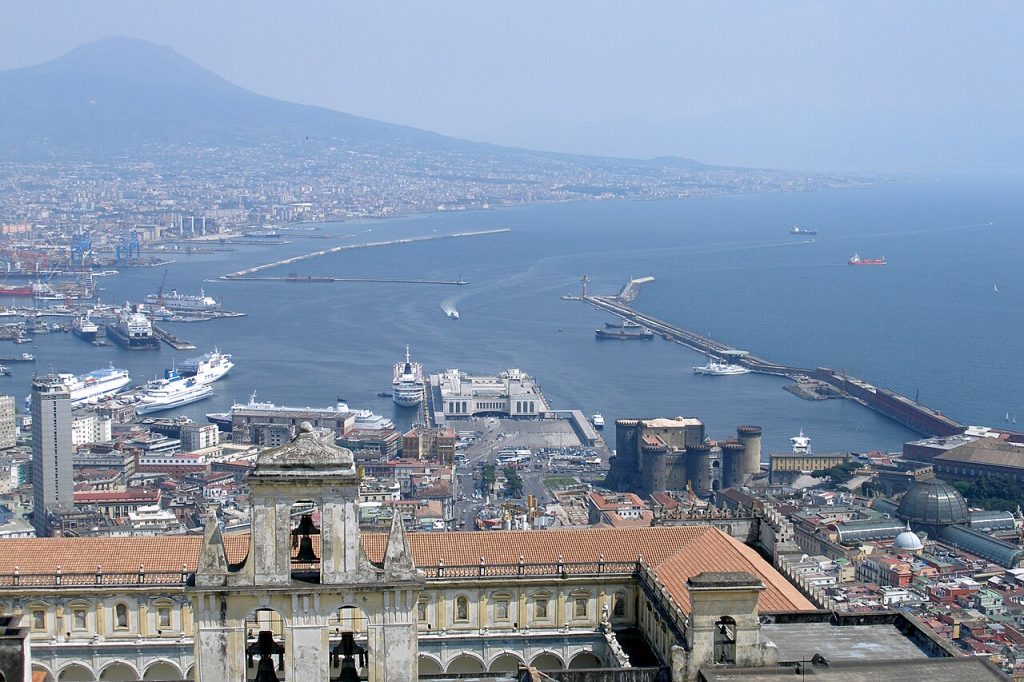
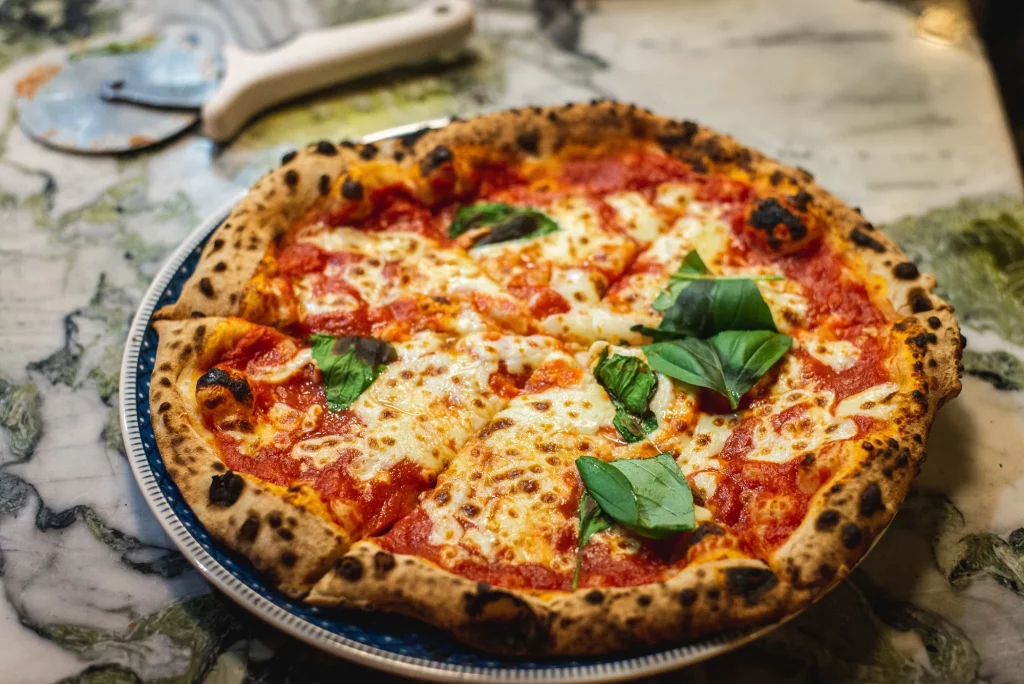
Pizza’s beginnings sit in the bustling, sun-soaked streets of Naples, Italy. In the eighteenth century, the city’s poor invented the dish by topping flat bread with tomatoes brought from the Americas, long before the world decided tomatoes were edible. When Queen Margherita of Savoy visited Naples in 1889, she was served a pizza created in her honour: a circle coloured by basil, mozzarella and tomato—reflecting the Italian flag. It was simple, patriotic and unforgettable, and that pizza would spread across Italy and beyond. When Italians migrated to America, they carried the recipe in their pockets and, unknowingly, ignited a culinary revolution. New York streets took it in, moulded it, redefined it and stamped it with their swagger. From that moment, pizza was no longer Italian—it was universal.
Modern Interpretation: Culinary Playground Of The 21st Century
Today, pizza occupies a space few dishes ever reach. It has become the canvas every chef wants to paint on. Think sourdough crusts blistered in wood-fired ovens; kimchi and pork belly pizzas rewriting Asian flavour rules; truffle oil slices turning New York bars into luxury tasting rooms; vegan mozzarella challenging dairy dogma; and the Roman pizza al taglio redefining how we snack. Pizza has become a vocabulary of identity: Neapolitan for the purists, Detroit for the adventurers, New York for the pace-setters and Chicago deep-dish for unapologetic indulgence. The global palate has allowed pizza to evolve beyond its birthplace without erasing its roots—each version carries a trace of Naples.
Where To Get The Best Pizza Today
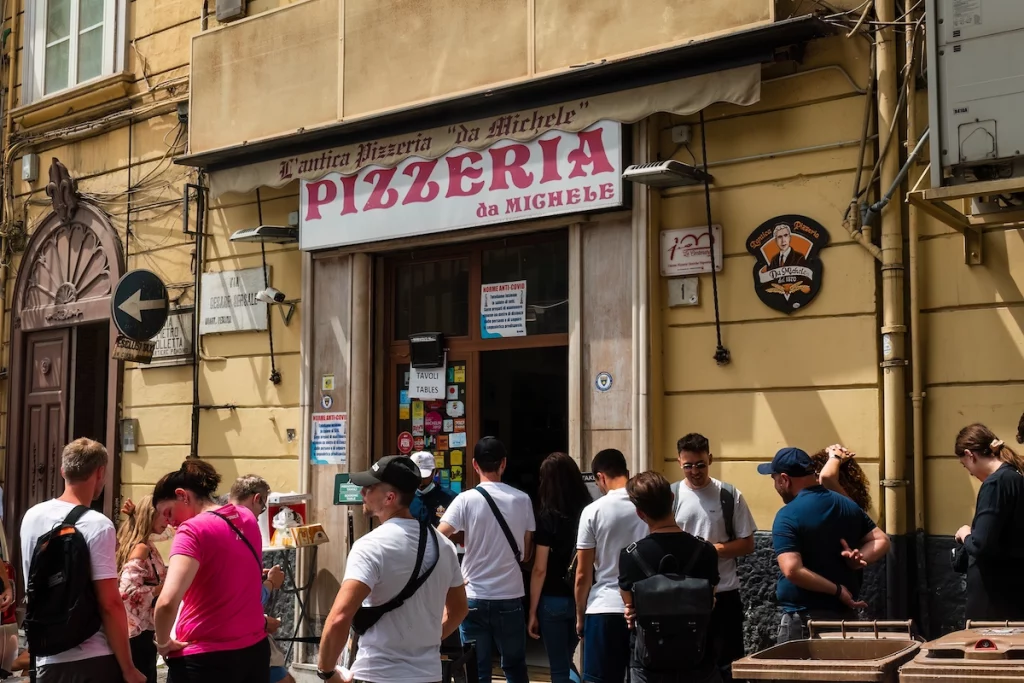
Finding the perfect pizza has become a modern treasure hunt, from Naples’ Antica Pizzeria da Michele—where the line splits around the street—to New York’s Joe’s, where locals swear by the crisp fold. In Chicago, the deep-dish scene changes perspectives one heavy slice at a time, while Tokyo’s Savoy proves that Japanese precision can elevate Italian tradition. Food capitals like London, Melbourne and Sao Paulo now hold their own in the global pizza conversation, pushing technique, fermentation and regional toppings into thrilling territory. The quest is not simply about flavour; it is about discovering how each city interprets the same dish through its cultural lens.
A Dish With Endless Meaning
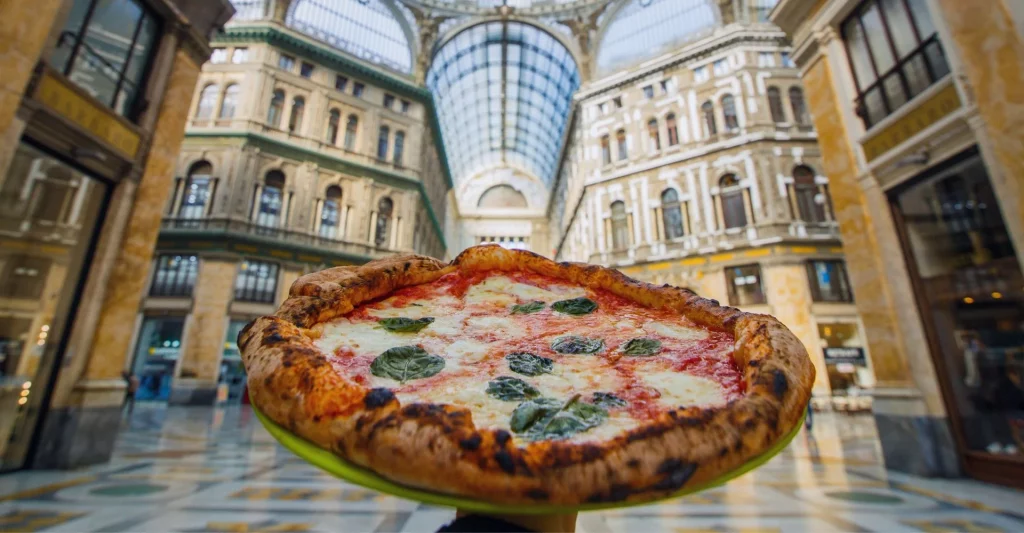
Pizza is more than dough and toppings; it is an edible archive of human migration, invention, nostalgia and rebellion. It has survived wars, crossed oceans, absorbed cultures and transformed cities. In every slice lies a story about who we are, who we were and who we wish to be around a table. Pizza does not judge or demand—it welcomes, comforts and invites conversation. And like the greatest dishes of the world, pizza’s magic is not that it has changed, but that it changes us.