What Makes Patna’s Bihar Museum One Of The World’s Top 10 Museums?
Patna's Bihar Museum has secured the ninth position in the World's 100 Best Museums 2026 list, ranking ahead of The Met and the Louvre. Designed by Fumihiko Maki, the institution brings together remarkable archaeological collections, regional art and Bihar's rich cultural heritage
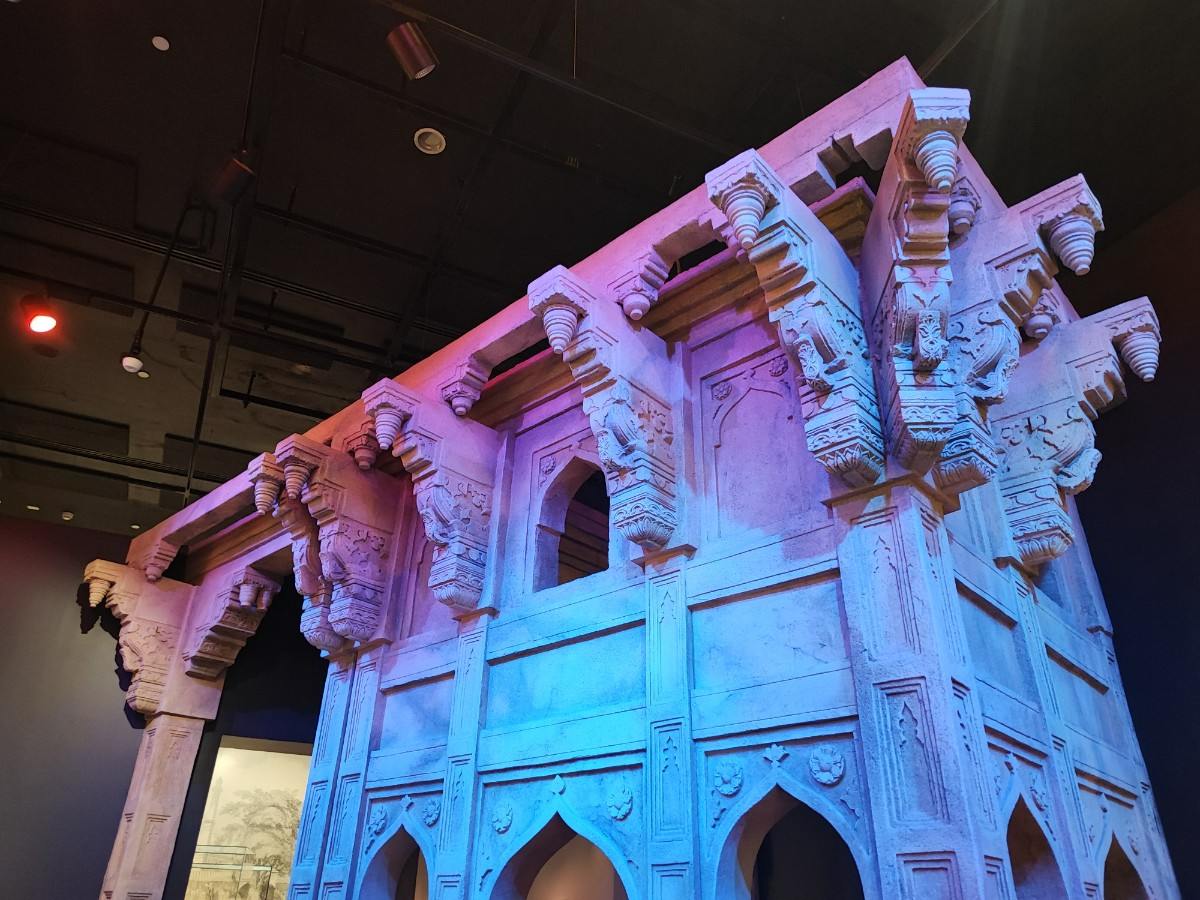
Patna has earned a place on the global cultural map with the Bihar Museum securing the ninth position in Worth a Journey’s World’s 100 Best Museums 2026 list. The institution has ranked ahead of internationally recognised landmarks, including the Metropolitan Museum of Art in New York, popularly known as The Met, and the Louvre in Paris.
The achievement makes Bihar Museum the highest-ranked institution in Asia and the only Indian museum featured in this year’s list. Mexico City’s Museo Nacional de Antropología leads the ranking, followed by Madrid’s Museo del Prado and Denmark’s Louisiana Museum of Modern Art. Bihar’s entry into the top 10 places the state in an international conversation about museums that offer visitors distinctive cultural experiences.
A Place on Global Map
The ranking, published by Munich-based travel guide Worth a Journey, draws on visitor reviews, data analysis and on-site assessments. Its selection considers museums across different countries, recognising institutions that offer engaging experiences through their collections, presentation and overall visitor appeal.
Also Read: Five Indian Art Traditions That Made Peacock Iconic
Bihar Museum’s position is particularly interesting because the institution is relatively young compared with many of its international counterparts. Inaugurated in 2015, it was established to provide a larger space for preserving and presenting the state’s extensive collection of historical artefacts. Several objects previously housed at the Patna Museum were subsequently transferred to the new institution.
Architecture By Fumihiko Maki
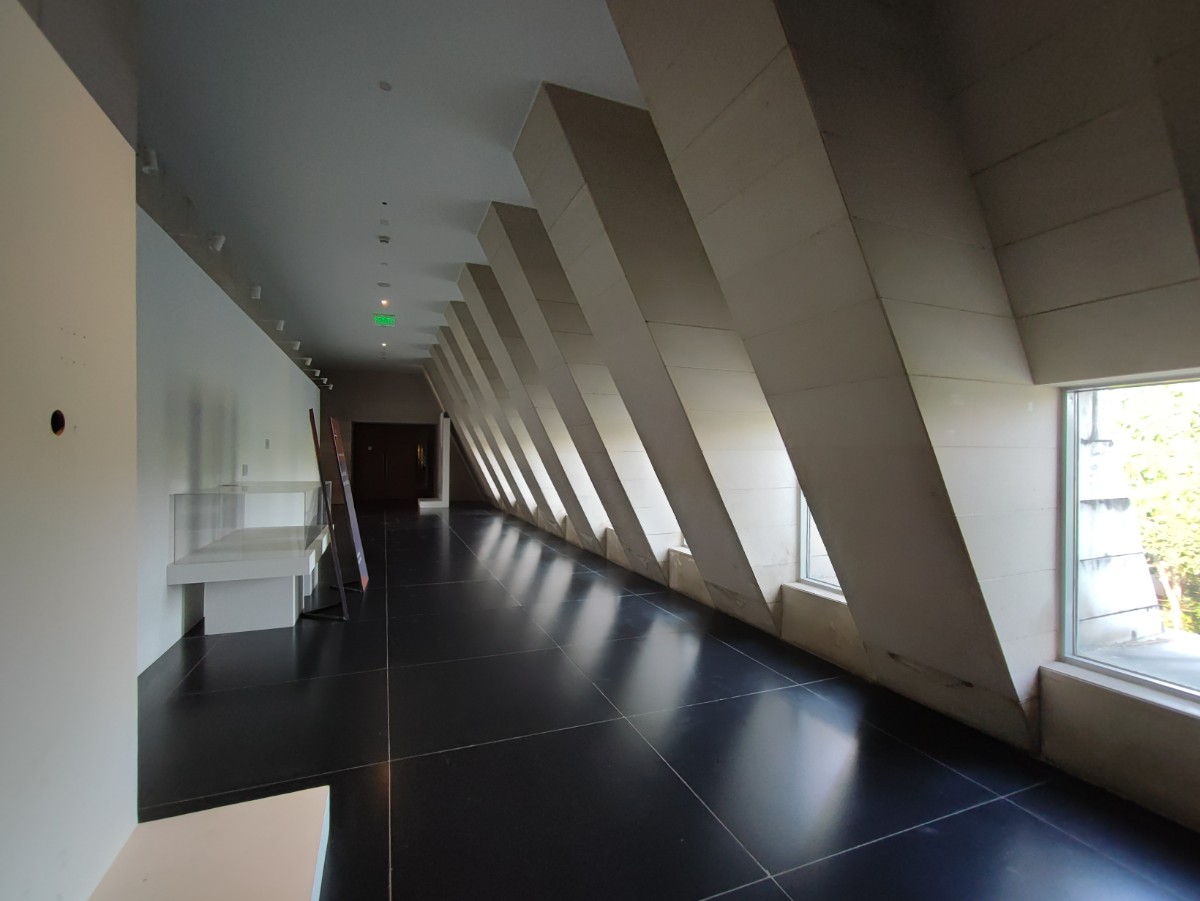
Spread across more than 13 acres on Bailey Road, the museum is an architectural landmark in its own right. Its design was developed by Japanese architect Fumihiko Maki, a recipient of the Pritzker Architecture Prize, in collaboration with Mumbai-based Opolis Architects.
The layout comprises interconnected buildings, landscaped courtyards and expansive gallery spaces. Its contemporary aesthetic incorporates natural materials and open areas, creating an environment that encourages visitors to move between different exhibition spaces. The architectural approach gives the institution a distinct identity without competing with the historical objects displayed inside.
Treasures of Bihar’s Past
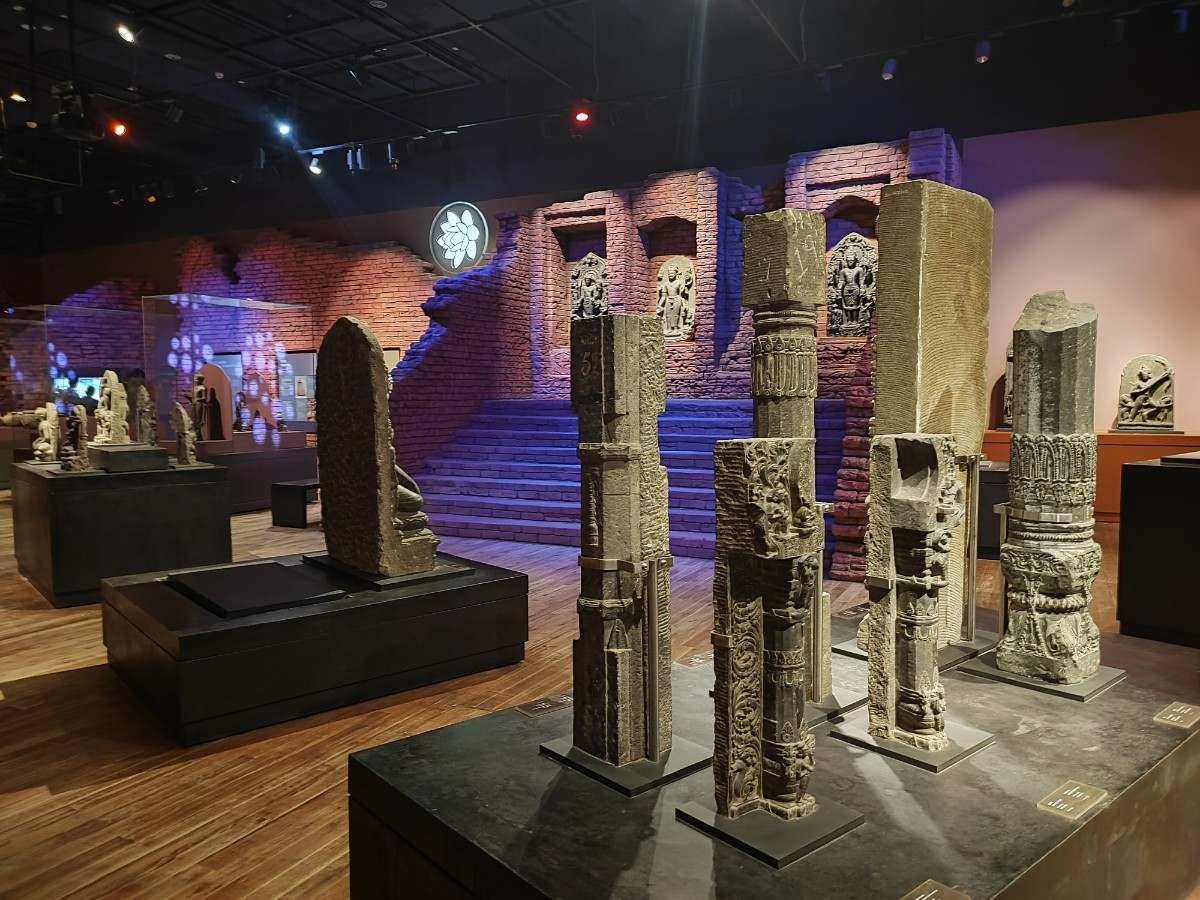
The Bihar Museum collections trace the region’s history through sculptures, archaeological discoveries, coins, manuscripts and traditional artworks. Its galleries cover periods extending from ancient civilisations to 1764, offering insight into the dynasties, religious traditions and artistic practices that shaped the region.
One of its most celebrated exhibits is the Didarganj Yakshi, a Mauryan-era sandstone sculpture discovered near Patna in 1917. Its remarkably polished surface makes it an important example of ancient Indian craftsmanship. Another significant object is the Birth of the Buddha sculpture from the Kushan period, alongside bronze figures associated with the Pala dynasty discovered at Kurkihar.
The institution also highlights Bihar’s folk-art traditions and regional cultural practices through dedicated displays. These exhibitions provide a different perspective on the state’s creative heritage beyond its better-known archaeological contributions.
More Than a Museum
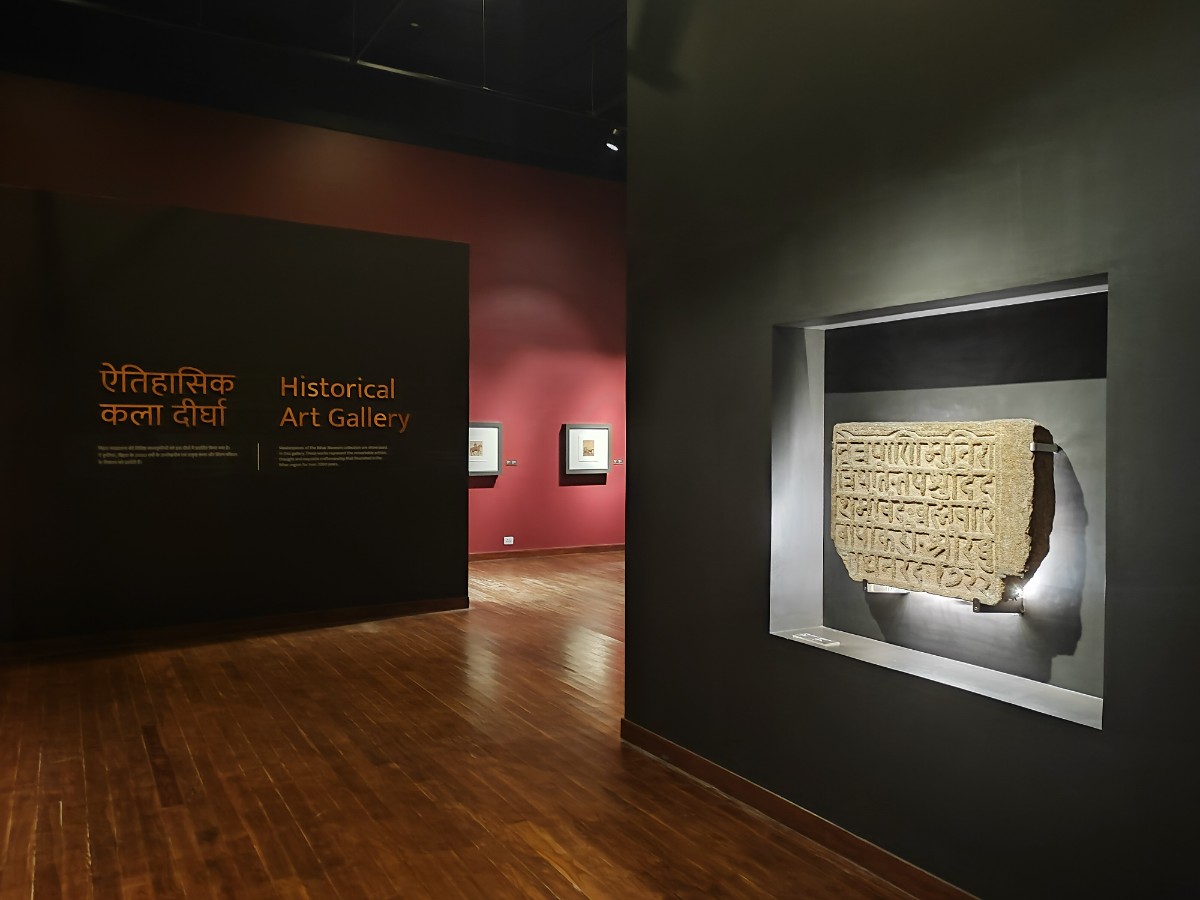
Bihar Museum also incorporates facilities designed to make a visit engaging for different age groups. Its Children’s Gallery features interactive exhibits exploring subjects such as science, wildlife, culture and traditional art. A museum restaurant serving Bihari cuisine adds a regional culinary dimension to the experience.
Also Read: Bold Indian Flavours Sans Drama: Chef Manish Mehrotra Returns To The Pass With Nisaba
The ninth-place ranking gives international visibility to an institution that brings together archaeology, visual art and contemporary architecture. It also offers travellers an opportunity to explore Patna through its cultural institutions, adding another dimension to the city’s historical attractions.