Why Formula 1 Drivers Move to Monaco: Tax Benefits, Lifestyle And More
From unrivalled privacy to superyachts, waterfront penthouses and a racing culture woven into everyday life, Monaco remains the ultimate address for Formula 1’s biggest stars
Just days ago, the 2026 Monaco Grand Prix reminded the world why this tiny principality remains the spiritual home of Formula 1. Nineteen year old Mercedes sensation Kimi Antonelli stormed to victory on the streets of Monte Carlo, becoming the youngest winner in the race’s history after a chaotic afternoon filled with safety cars, red flags and relentless pressure. Yet while the headlines focused on Antonelli’s triumph, another question lingered in the background. Why do so many Formula 1 drivers choose to live here? Why, out of all the glamorous cities on earth, do champions, rookies and racing millionaires keep buying apartments overlooking the same harbour? The answer is rather simple. Monaco is not just where Formula 1 races. Monaco is where Formula 1 lives.
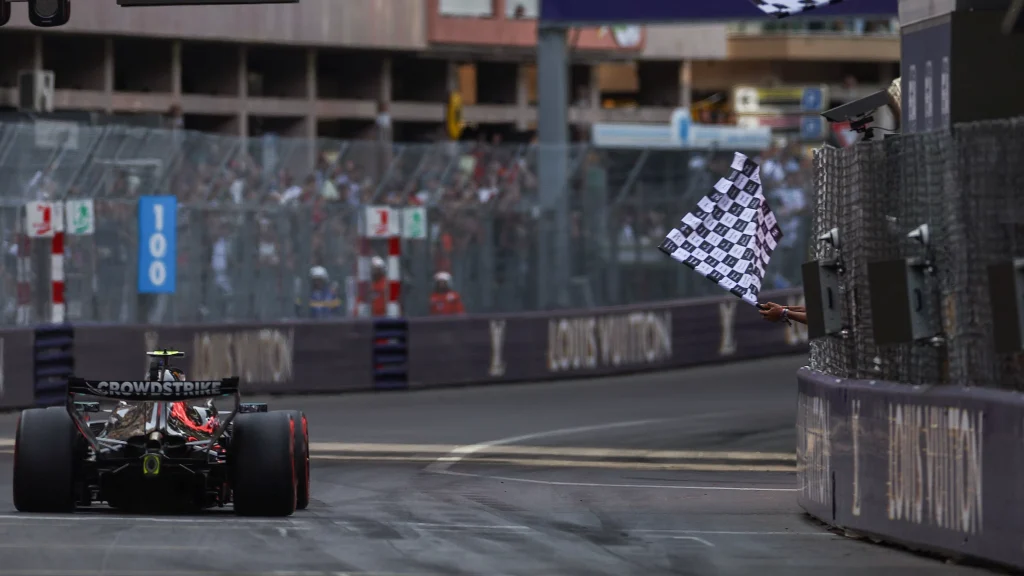
The Tax Advantage Is As Fast As The Cars
Let’s begin with the subject everyone pretends not to discuss while discussing it constantly. Money. Formula 1 drivers earn extraordinary sums. Some collect salaries large enough to purchase a supercar before breakfast and a penthouse before lunch. Monaco’s absence of personal income tax for most residents means those earnings stay largely intact. Suddenly, living on a sunny stretch of Mediterranean coastline becomes more than a lifestyle decision. It becomes a remarkably sensible financial strategy. When millions can be preserved rather than surrendered, the attraction is obvious. This is one of the principal reasons generations of Formula 1 stars have chosen Monaco as their permanent address.
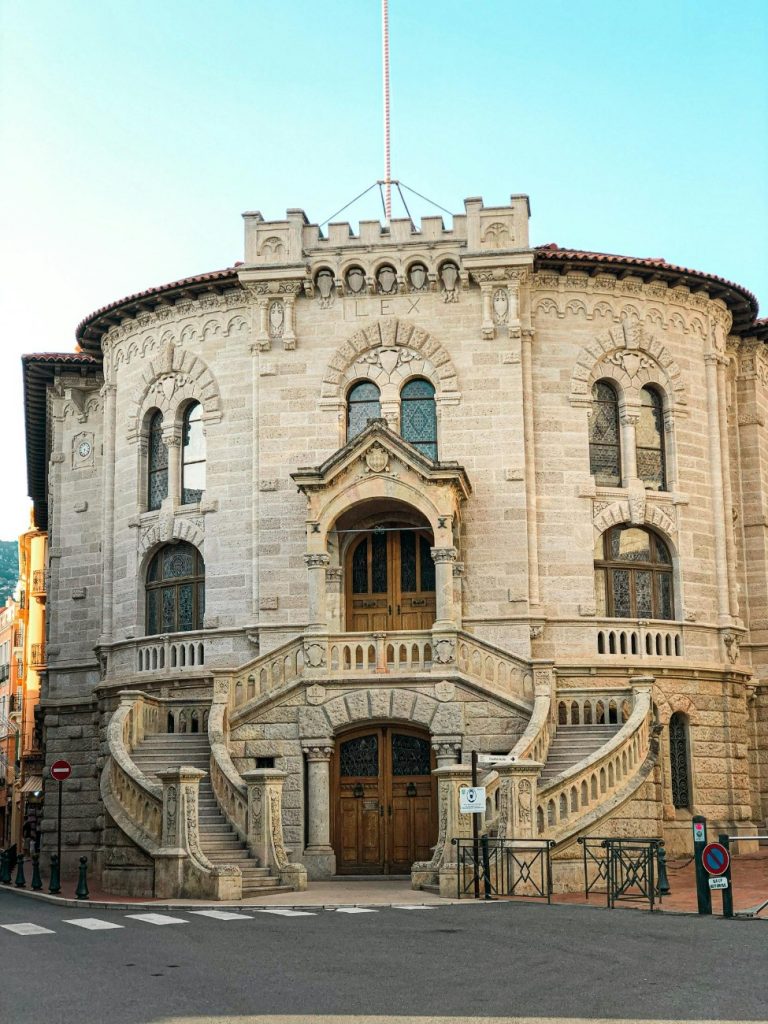
A Place Designed For People Who Live In Airports
The average Formula 1 driver spends much of the year travelling between continents. One week they are navigating the streets of Monte Carlo, the next they are racing beneath floodlights in Singapore or charging through the desert in the Middle East. Monaco sits perfectly within this globe trotting existence. Nice Côte d’Azur Airport is only minutes away, helicopters shuttle residents effortlessly between the airport and the principality, and Europe’s major cities are within easy reach. For people whose diaries are dictated by race weekends and sponsor obligations, convenience is not a luxury. It is a necessity.
Also Read: The Queer Shift: How Hospitality Spaces Are Becoming Cultural Stages
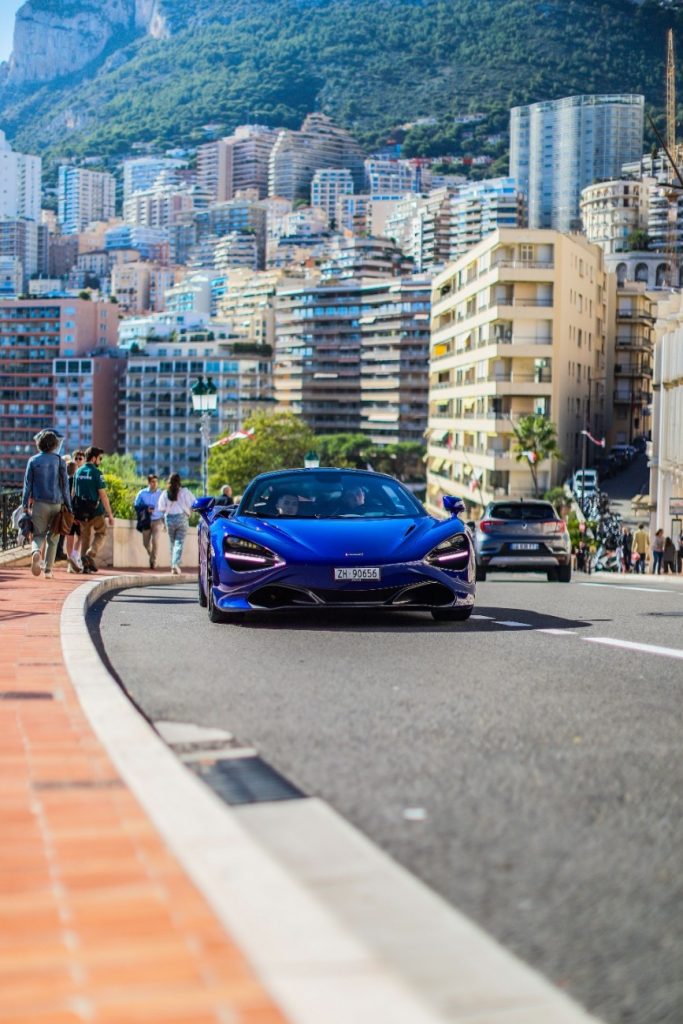
Privacy Remains The Greatest Luxury Of All
People imagine Monaco as a giant playground filled with photographers, celebrities and endless spectacle. In reality, one of its greatest attractions is discretion. The principality has spent decades perfecting the art of privacy. Residents can dine, shop and relax without constant intrusion. Security is exceptional, the local culture respects personal space, and wealthy residents are treated with a level of normality rarely found elsewhere. For Formula 1 drivers who spend their professional lives under the glare of television cameras, this sense of calm is worth its weight in carbon fibre.
Every Street Breathes Motorsport History
There are racing circuits. Then there is Monaco. Most Formula 1 venues disappear once the chequered flag falls. Monaco does not. The circuit is woven directly into everyday life. Drivers walk past Casino Square, sip coffee overlooking Port Hercule and navigate famous corners such as Sainte Dévote and Mirabeau during ordinary commutes. The roads used for school runs and supermarket trips are the same roads where legends have battled for victory. It creates a unique connection between daily life and motorsport history that no other location can match.
The Lifestyle Is Ridiculously Good
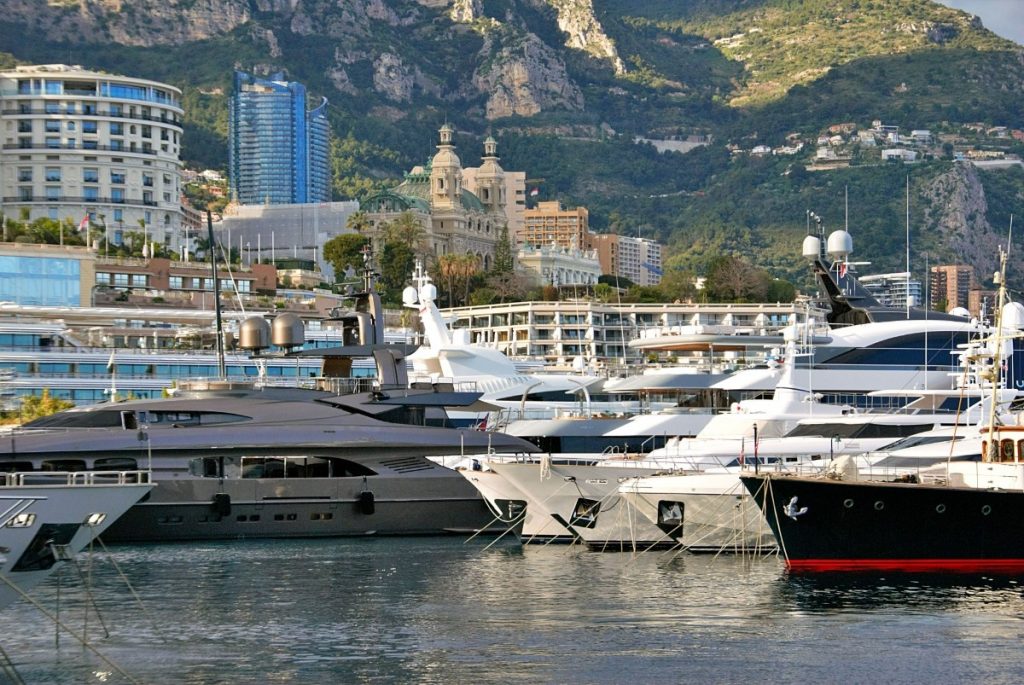
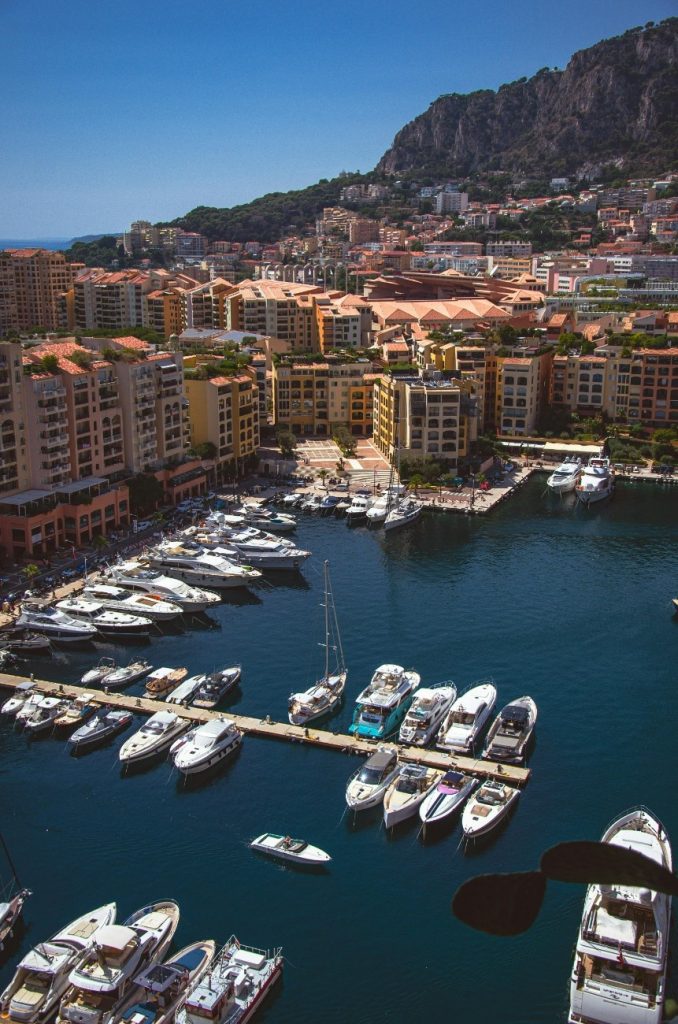
And then there is the obvious part. The weather is glorious. The Mediterranean sparkles beneath endless sunshine. Michelin starred restaurants sit beside luxury boutiques. Superyachts line the harbour like floating palaces. Some of the world’s most desirable real estate rises directly from the waterfront. Whether you are driving a hypercar along the coast or enjoying dinner overlooking the marina, Monaco delivers the sort of lifestyle that luxury brochures desperately attempt to describe but rarely achieve.
For Formula 1 drivers, whose careers revolve around precision, performance and exclusivity, the principality feels like a natural extension of their profession. It is polished, efficient and unapologetically ambitious. Which is why, even after another dramatic Monaco Grand Prix and another chapter in the sport’s history books courtesy of Kimi Antonelli, one thing remains unchanged. Drivers may race around the world, but when the helmets come off and the season pauses for breath, many of them still return to the same tiny corner of the Riviera. Because Monaco is more than an address. It is Formula 1’s unofficial home.