Navratri 2026: The Significance of Fasting, Rituals and Mindful Living
Navratri 2026 offers an opportunity to explore the connection between spiritual traditions and longevity. Discover how the festival's practices can encourage intentional living, emotional wellbeing and everyday habits that support healthy ageing beyond the nine days of celebration through fasting and mindful eating to prayer, meditation and Garba
Across the nine days, food choices, moments of meditation and community celebrations create opportunities to reassess everyday habits. In the world of luxury wellness, where the focus increasingly extends to personalised care and sustainable wellbeing, these observances offer a reminder that health is shaped by everyday choices rather than short-term interventions. While no ritual guarantees longevity, Navratri’s emphasis on mindful nourishment, regular movement and emotional balance can complement a considered approach to ageing well.
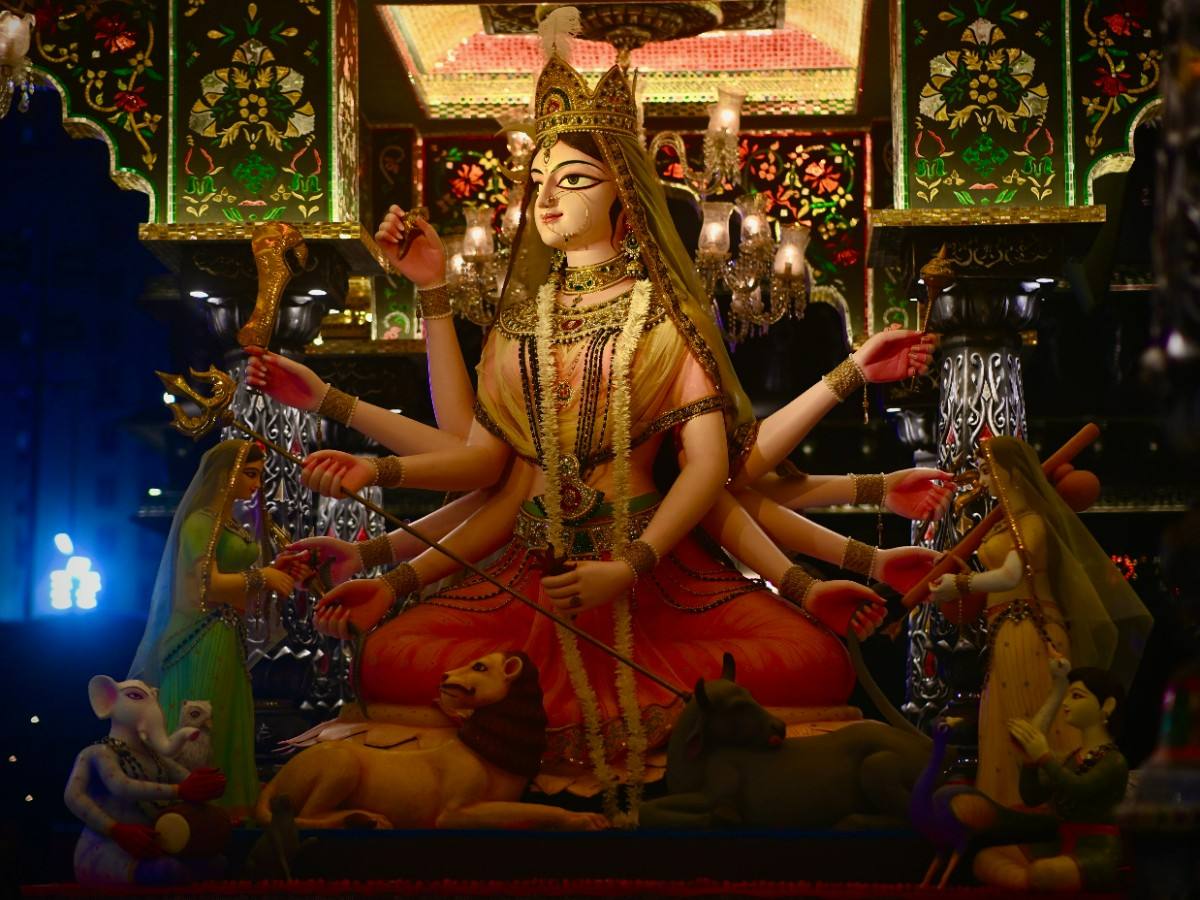
Longevity today is increasingly associated with a considered approach to living, one that values physical vitality, emotional resilience and quality of life alongside the number of years lived. As Navratri enters its fourth day on October 14, devotees worship Maa Kushmanda, regarded as the creator of the universe in Hindu tradition. The day’s spiritual significance offers a culturally rooted perspective on wellbeing, connecting devotion and self-discipline with contemporary conversations around luxury wellness, preventive health and healthy ageing.
Fasting With Intention
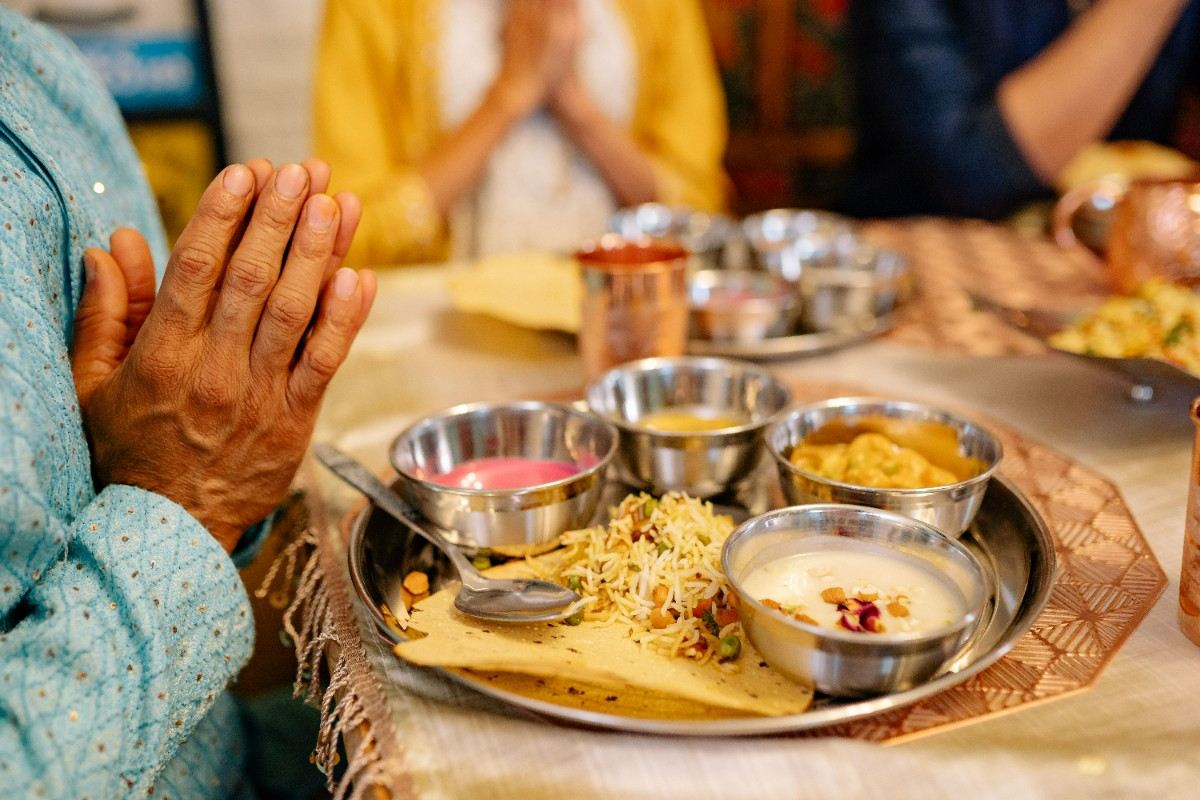
The significance of Navratri fasting extends beyond dietary restrictions. While it represents spiritual discipline, self-restraint and a pause from familiar routines for devotees. It can also encourage greater awareness of eating patterns and personal food choices.
Also Read: Durga Puja 2026: The Bengali Saree Edit, From Garad to Jamdani
However, fasting is not a universal longevity strategy, and research has not established that observing Navratri fasts extends lifespan. Those who fast should prioritise adequate nourishment and hydration within their chosen dietary practices. People with medical conditions or specific nutritional requirements should consult a healthcare professional before making significant dietary changes.
Mindful Eating Practices
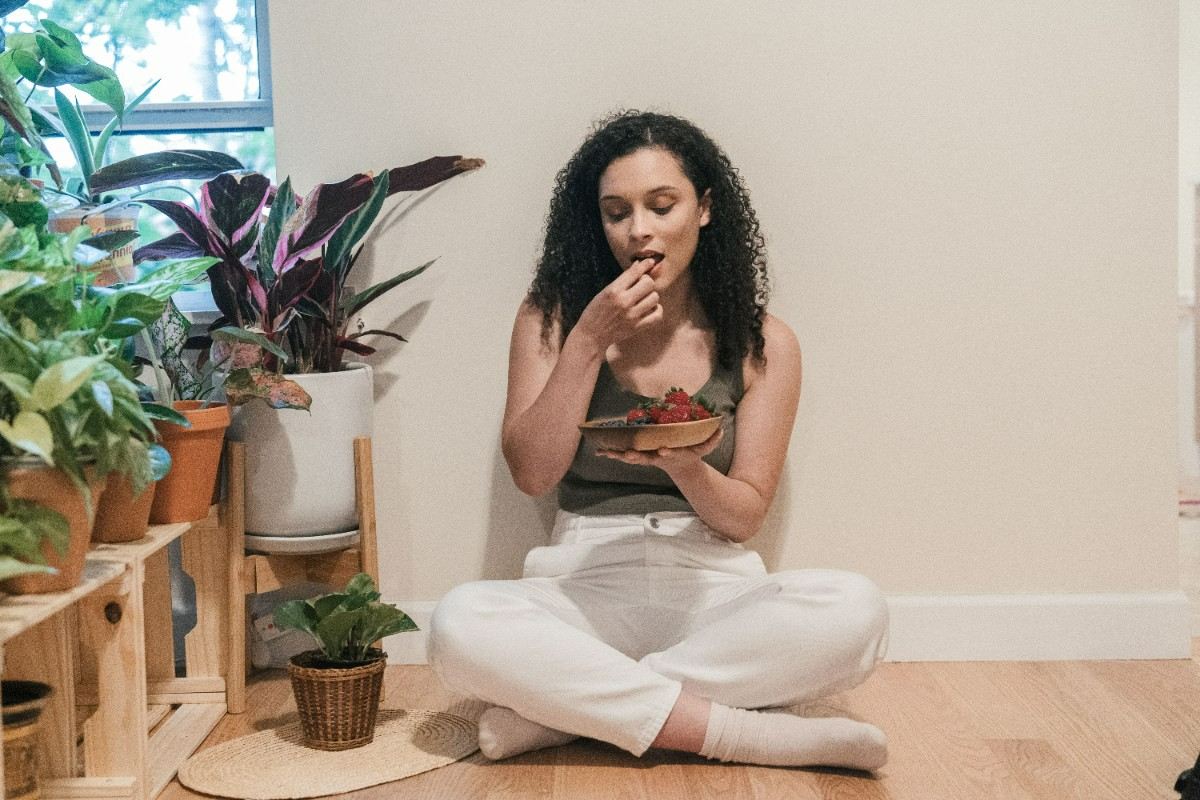
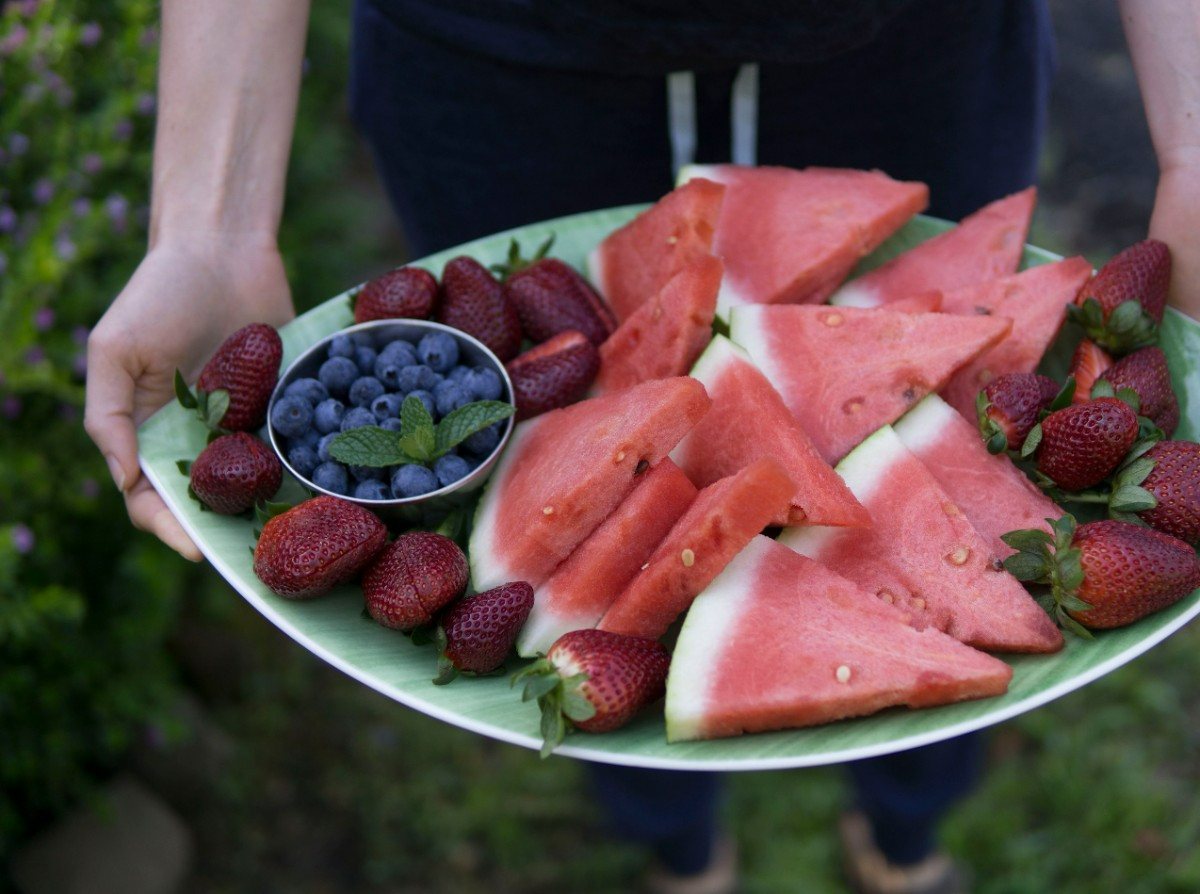
Navratri meals often feature amaranth, buckwheat, fruits, nuts, dairy and vegetables, depending on regional traditions and individual observances. When combined thoughtfully, these ingredients can supply protein, fibre, vitamins and minerals.
Mindful eating practices during Navratri involve eating slowly, recognising hunger cues and choosing balanced meals instead of relying heavily on fried snacks and sweets. The emphasis shifts from restriction to nourishment, encouraging a more considered relationship with food. Maintaining a varied, nutritionally adequate diet beyond the festival is equally important for healthy ageing.
Prayer and Meditation
Chanting, meditation and daily prayer create moments of stillness amid busy schedules. These Navratri spiritual practices offer opportunities for reflection, devotion and a sense of connection, allowing people to step away from everyday distractions.
Research suggests that mindfulness-based practices may help manage stress and improve aspects of emotional wellbeing. Setting aside a few minutes for meditation, conscious breathing or prayer can establish a manageable daily ritual. Although these practices cannot guarantee longevity, emotional health remains an important part of ageing well.
Movement and Community
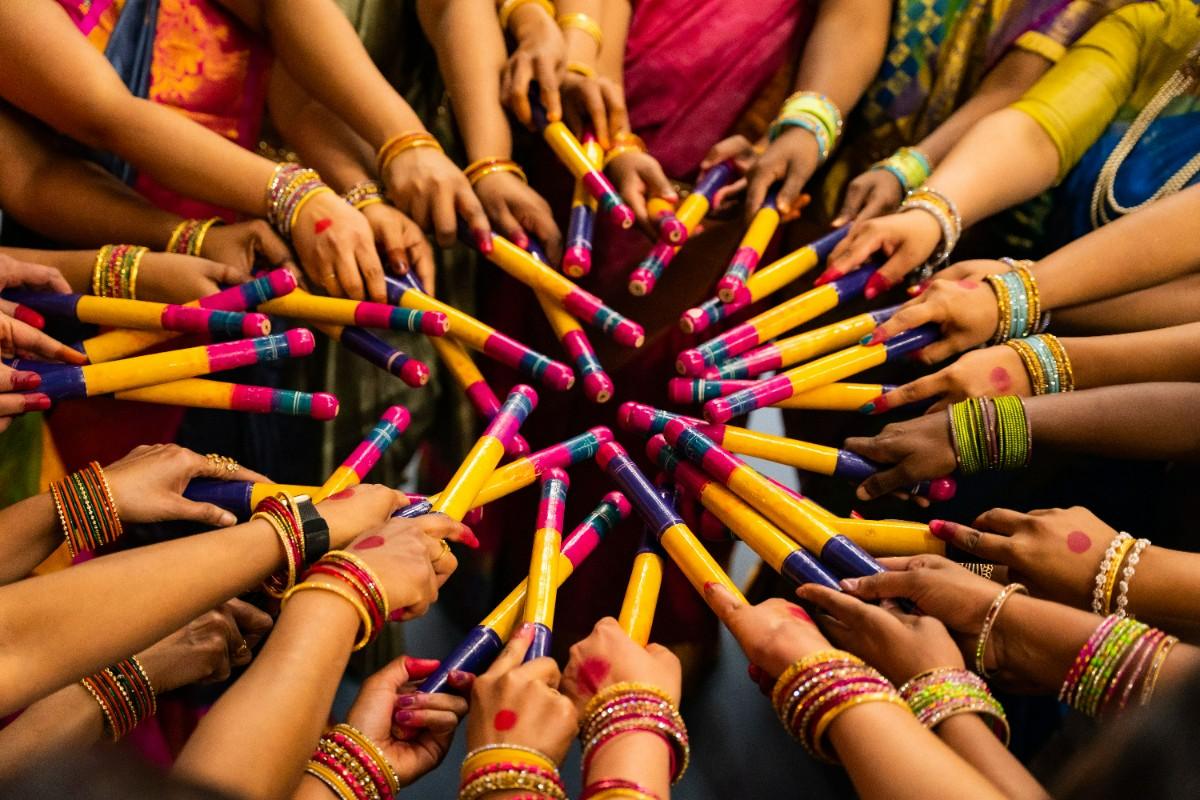
Garba, temple visits and preparing traditional offerings bring movement and social interaction into Navratri celebrations. Dancing combines physical activity with music and community participation, making exercise an engaging part of the festival.
Regular physical activity supports cardiovascular health, muscle strength, mobility and balance. Walking, gentle stretching and dancing at a comfortable pace can help maintain these functions over time. Participating in community celebrations also creates opportunities to strengthen social connections, which contribute to emotional wellbeing as people age.
Creating Lasting Habits
Navratri rituals for inner balance can inspire changes that extend beyond the nine days. Setting aside time for reflection, nurturing relationships and approaching daily responsibilities with greater intention can help create a more considered lifestyle.
Also Read: Navratri 2026: Chaniya Cholis, Mirror Work and the Evolution of Garba Fashion
Mindful living practices are most valuable when they become sustainable habits rather than temporary resolutions. Consistent movement, balanced nutrition, stress management and appropriate medical care all contribute to a broader approach to sustained wellness.
Navratri offers a culturally rooted opportunity to reflect on the relationship between spirituality and everyday wellbeing. Its relevance to longevity lies not in promises of a longer life, but in the possibility of carrying greater awareness into daily choices throughout the year.