Inside Pankaj Tripathi’s Luxury Lifestyle
From a small village in Bihar to becoming Bollywood’s unlikely luxury success story, Pankaj Tripathi has built a career, a property portfolio and a garage that reveal just how far the actor has come
There is something rather amusing about Pankaj Tripathi becoming one of India’s biggest actors. He does not have the conventional Bollywood superstar swagger, does not appear particularly interested in flaunting his wealth and, judging by his public persona, would probably be perfectly happy sitting down for a cup of tea and talking about films. Yet behind that understated personality is a career worth crores, luxury properties in Mumbai and a garage containing some fairly serious metal. On screen, Tripathi has played everyone from the lovable small town character to the deeply unsettling gangster. His portrayal of Akhandanand Tripathi, famously known as Kaleen Bhaiya, in Mirzapur turned him into one of the most recognisable faces in Indian streaming. Off screen, however, his story is less about extravagance and more about what happens when decades of persistence finally begin paying very well.
From Belsand To Bollywood
Tripathi’s journey did not begin in a Mumbai penthouse. Born in Belsand village in Bihar, he eventually moved towards acting and trained at the National School of Drama. His early years in the industry were spent taking on smaller roles, with appearances in films such as Omkara and Agneepath. It was the kind of career that required patience, because Tripathi was rarely the man whose name appeared first on the poster.
That changed gradually. His performances began attracting attention, and streaming gave him the sort of space in which an actor could turn a supporting role into the main event. Then came Mirzapur and Kaleen Bhaiya. The character was ruthless, calculating and intimidating, while Tripathi himself remained almost the opposite in public life. The contrast became part of his appeal.
Also Read: Inside Farhan Akhtar’s Luxury Lifestyle
Kaleen Bhaiya Changed The Game
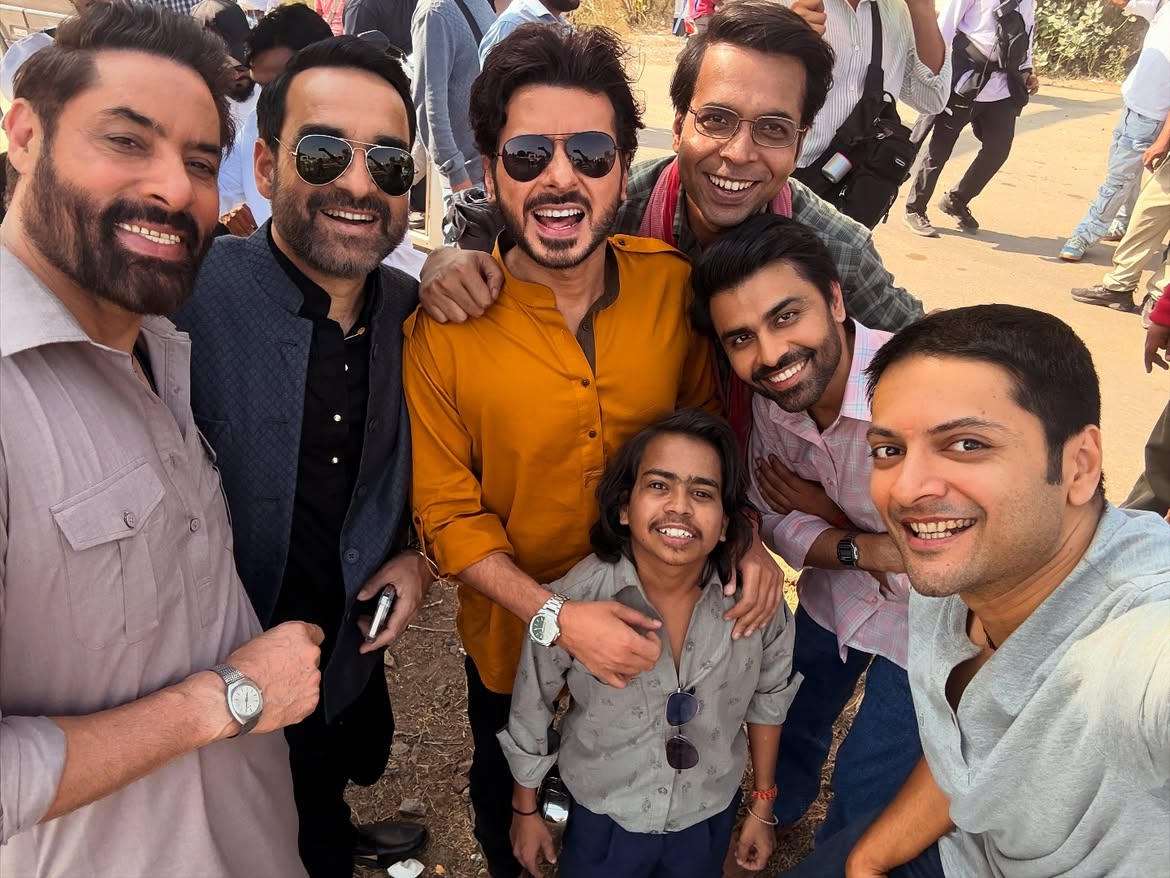
Playing Akhandanand Tripathi, better known as Kaleen Bhaiya, proved to be a major turning point. The character became one of the defining personalities of India’s streaming boom, and Tripathi’s popularity expanded well beyond traditional Bollywood audiences. His growing profile also translated into substantial fees. Media reports have claimed that he earned around ₹10 crore for the second season of Mirzapur, with his reported fee for the third season being higher. He was also reportedly paid around ₹3 crore for Fukrey 3. These figures are media reports rather than officially disclosed contracts, but they demonstrate the scale of the transformation. The actor who once had to fight for screen time was now commanding the sort of remuneration associated with established Bollywood stars.
His Mumbai Property Portfolio
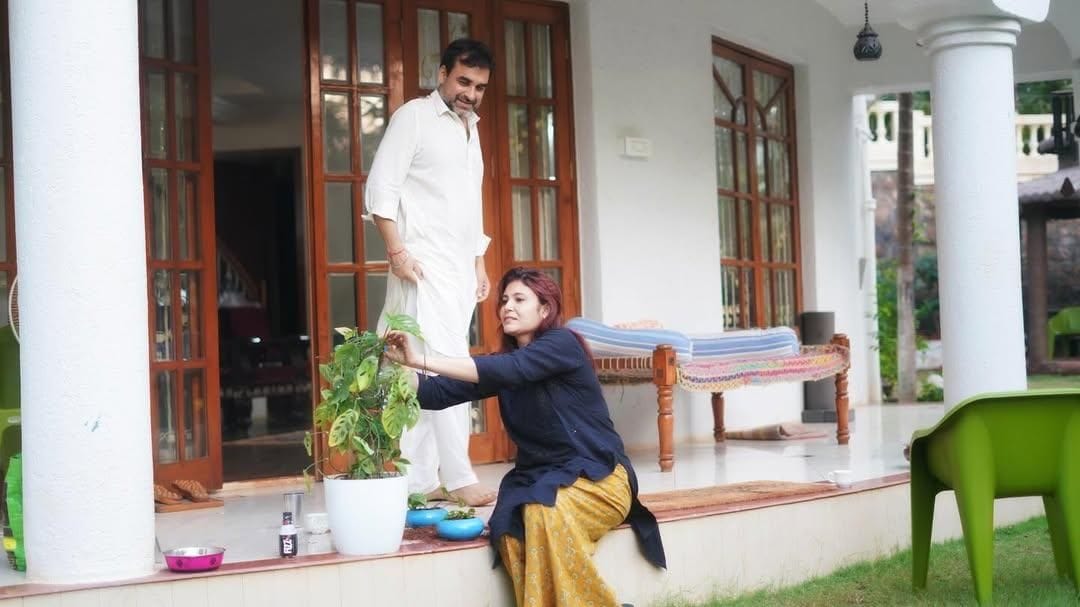
Mumbai has a particularly efficient way of reminding successful people that success comes with a property bill. Tripathi appears to have embraced that reality. In 2025, reports revealed that Pankaj Tripathi, his wife Mridula and daughter Aashi had purchased two apartments in Mumbai for a combined ₹10.85 crore. The larger apartment, reportedly worth ₹9.88 crore, is located in Andheri West and is co-owned by Tripathi and his daughter. The family also purchased another apartment in Kandivali for approximately ₹87 lakh. The purchases add to the actor’s property interests in Mumbai, where he has also been associated with a residence in Madh Island. His connection to Bihar remains important too, and the contrast between his roots and his Mumbai lifestyle is perhaps one of the more interesting parts of his story. This is not the stereotypical Bollywood mansion filled with marble, chandeliers and enough gold to make a maharaja nervous. Tripathi’s public image has generally been much more understated, with comfort and privacy seemingly taking precedence over theatrical displays of wealth.
Also Read: A Look at Tim Cook’s Understated Style as Apple CEO Steps Down
How Much Is Pankaj Tripathi Worth?
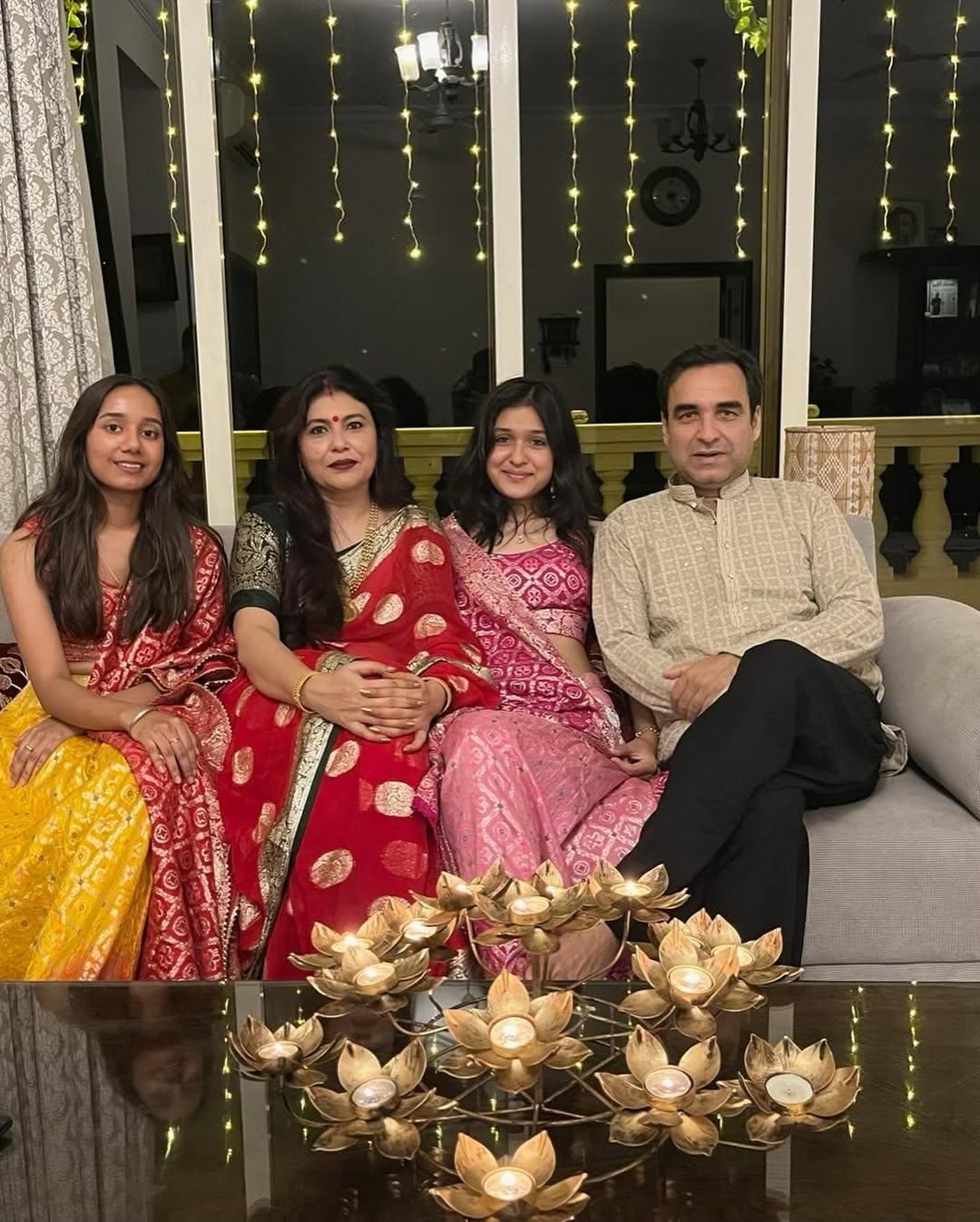
Celebrity net worth figures should always be treated with a little caution. Unlike a listed company, an actor does not publish a quarterly balance sheet detailing exactly how much is sitting in the bank. Various media reports have estimated Tripathi’s net worth at more than ₹40 crore, with some recent estimates placing it somewhere between ₹45 crore and ₹50 crore. These figures are not officially confirmed, but they are generally based on his reported acting fees, property holdings, endorsements and other professional income. And endorsements have become another important part of the business.
Luxury Without The Noise
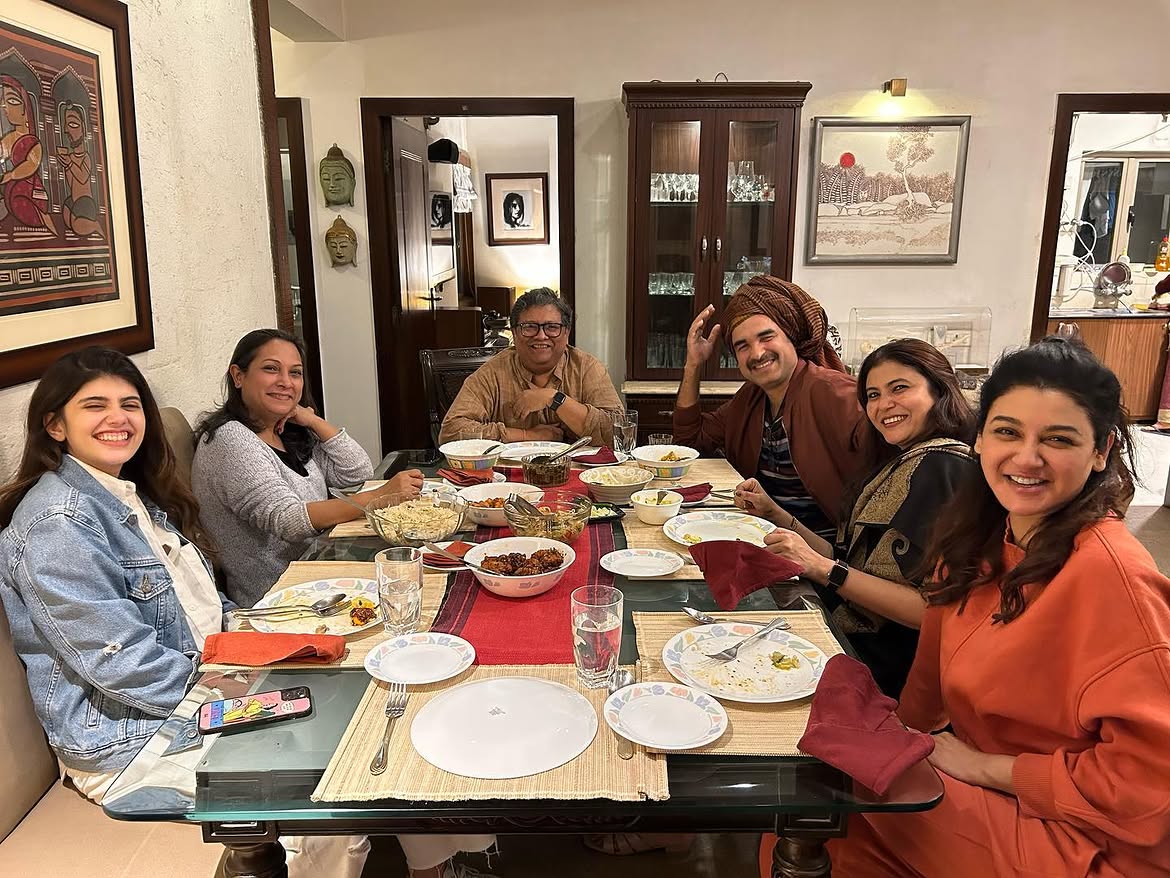
What makes Pankaj Tripathi’s lifestyle particularly interesting is what it does not contain. There is no constant parade of supercars, no desperate need to demonstrate that he has arrived and no particularly convincing attempt to turn his personal life into a showroom. Instead, the luxury seems to have arrived quietly: better homes, better cars, bigger professional fees and the freedom to choose what he wants to work on.
That is perhaps fitting for an actor whose biggest strength has always been restraint. Tripathi can walk into a scene and dominate it without appearing to try very hard. His real life seems to follow much the same philosophy. The boy from Bihar became a National School of Drama graduate, then a character actor, then a Bollywood favourite and eventually Kaleen Bhaiya, one of Indian entertainment’s most recognisable antiheroes. The Mercedes, Mumbai apartments and multi crore net worth are the visible rewards. The real luxury, however, is that Pankaj Tripathi got there without ever having to stop being Pankaj Tripathi.