From 1966 to Today: Celebrating 60 Years of the Legendary Lamborghini Miura
60 years after its debut the Lamborghini Miura remains the world’s first true supercar blending revolutionary mid engine engineering breathtaking design and a cultural legacy that reshaped automotive history
Few automobiles have altered the course of automotive history as decisively as the Lamborghini Miura. Introduced in 1966 by the young and audacious Italian manufacturer Automobili Lamborghini, the Miura was more than a groundbreaking machine. It was the genesis of an entirely new philosophy of performance. Six decades later its legacy continues to echo through the DNA of every modern supercar. From its revolutionary mid engine architecture to its sculptural design language the Miura did not simply push the limits of speed. It transformed the way the world imagined a high performance automobile. As the model marks sixty years since its sensational unveiling at the Geneva Motor Show, the Miura stands as a reminder that true innovation is defined not merely by the moment of its creation but by the generations it continues to inspire.
The Birth of a Radical Vision
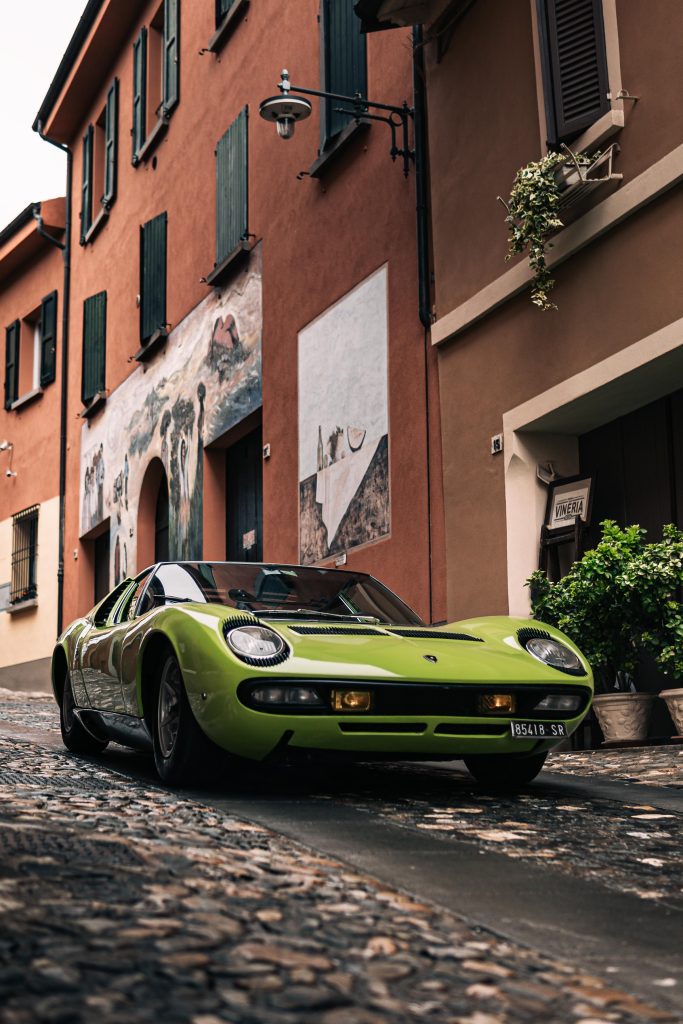
The story of the Miura began inside a young company determined to challenge the conventions of grand touring motoring. Founded in 1963 by Ferruccio Lamborghini, Lamborghini had already earned recognition for refined GT cars such as the Lamborghini 350 GT. Yet within the company’s engineering department a group of ambitious young minds believed the brand could achieve something far more daring.
Engineers Gian Paolo Dallara and Paolo Stanzani, along with development driver Bob Wallace, began working on an experimental chassis inspired by racing prototypes. Their radical proposal centred on placing a powerful V12 engine behind the driver rather than at the front, a configuration rarely seen in road going luxury automobiles of the time. The idea promised improved balance, sharper handling and unprecedented performance. When Ferruccio Lamborghini saw the prototype he recognised its brilliance and authorised the project. What had begun as an experimental concept soon evolved into one of the most revolutionary automobiles ever conceived.
Also Read: Top 5 Sports Cars With the Best Exhaust Sound Ever Built
A Chassis That Captivated the World
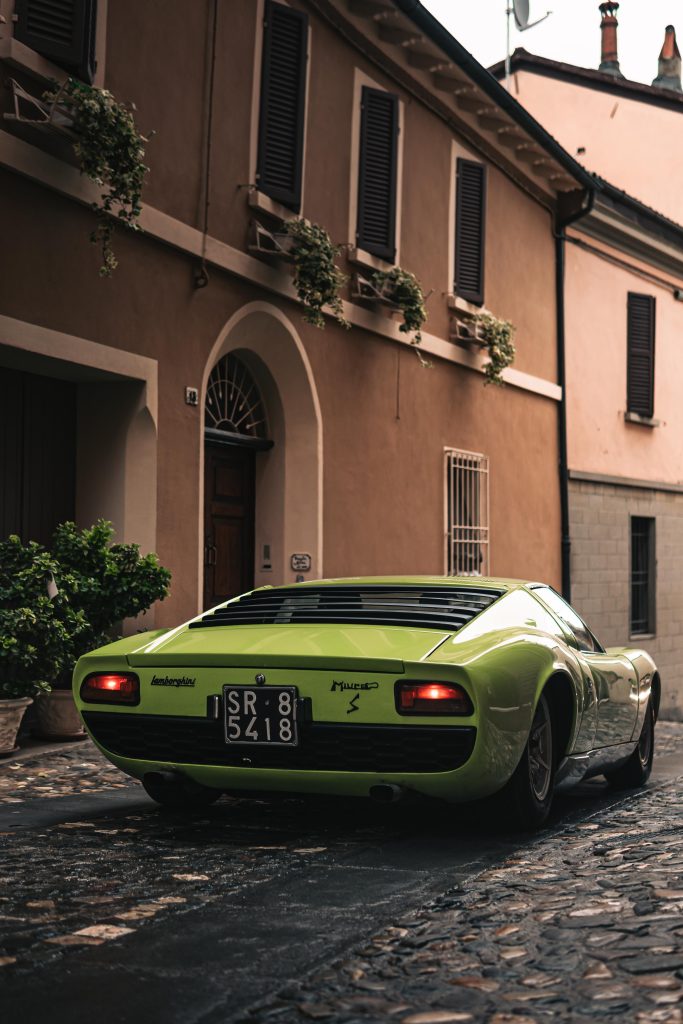
Even before the Miura received its bodywork the engineering alone was enough to capture global attention. In November 1965 Lamborghini presented the bare chassis at the Turin Motor Show. The skeletal structure revealed a transversely mounted 3.9 litre V12 engine integrated with the gearbox in a remarkably compact layout. This engineering solution allowed the car to remain extremely low while delivering exceptional balance and agility. The lightweight steel chassis itself weighed just 120 kilograms which was a remarkable achievement for the era. Visitors at the motor show were fascinated. Though the machine had not yet received its final body or even its official name the technical ingenuity suggested that something extraordinary was taking shape.
The Art of Design
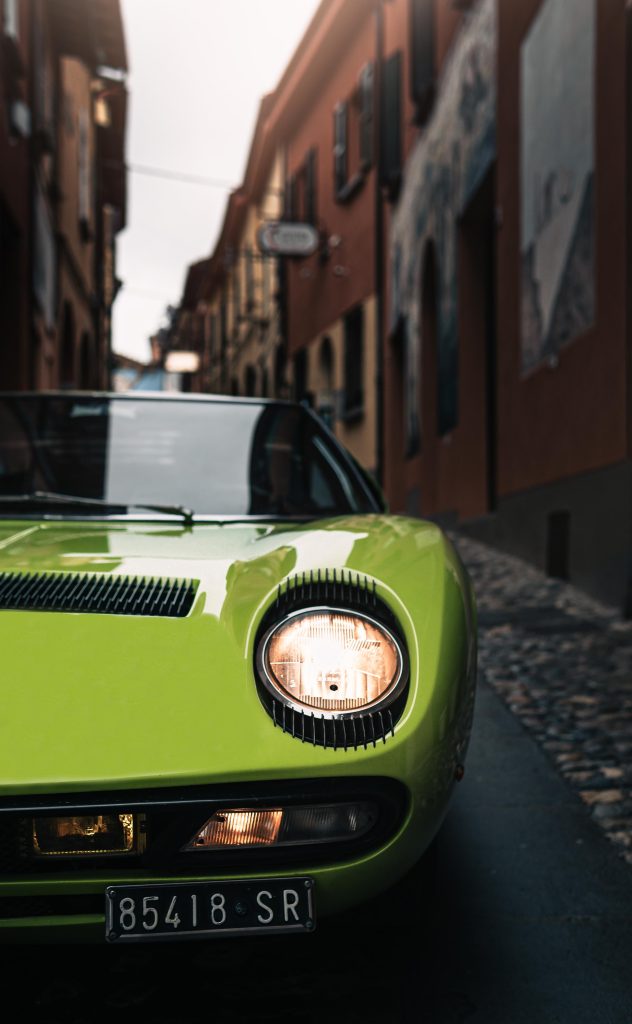
To clothe this revolutionary chassis Lamborghini turned to the renowned Italian design house Carrozzeria Bertone. The task fell to the young designer Marcello Gandini, whose creative vision produced one of the most celebrated silhouettes in automotive history. Gandini crafted a form that was low, wide and fluid, capturing the essence of speed even while standing still. The Miura’s design introduced striking elements that became instantly recognisable.
Pop up headlights framed by distinctive eyelash shaped trim, sweeping side air intakes and a dramatically low profile gave the car an almost predatory presence. The bodywork appeared sculpted by airflow itself. When the finished automobile appeared at the Geneva Motor Show in 1966 the reaction was immediate. Crowds gathered around the Lamborghini stand and the Miura quickly became the most talked about car of the event.
Power and Performance
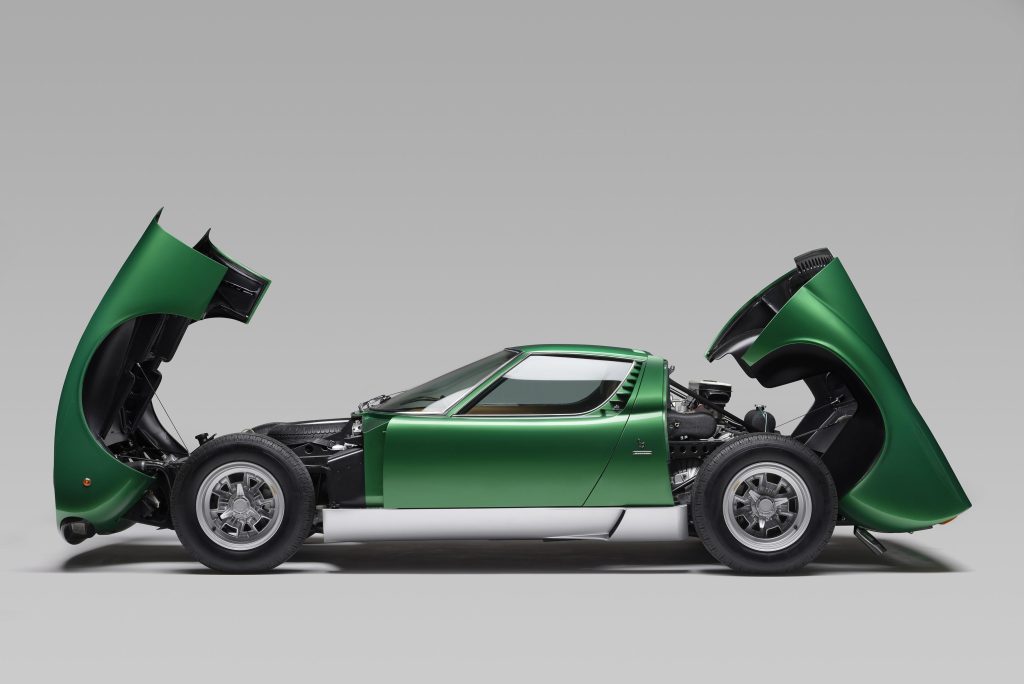
The original Lamborghini Miura P400 was powered by a 3.9 litre V12 engine producing around 350 horsepower. For the mid 1960s this level of performance was extraordinary. The car could accelerate to 100 kilometres per hour in just over six seconds and reach a top speed approaching 280 kilometres per hour. Lamborghini continued refining the model over the following years. The Lamborghini Miura P400 S, introduced in 1968, delivered increased power and enhanced comfort with features such as electric windows and upgraded interior finishes. The final evolution arrived in 1971 with the Lamborghini Miura P400 SV. Producing around 385 horsepower and capable of speeds exceeding 290 kilometres per hour, the SV represented the ultimate expression of Miura engineering.
The Birth of the Modern Supercar
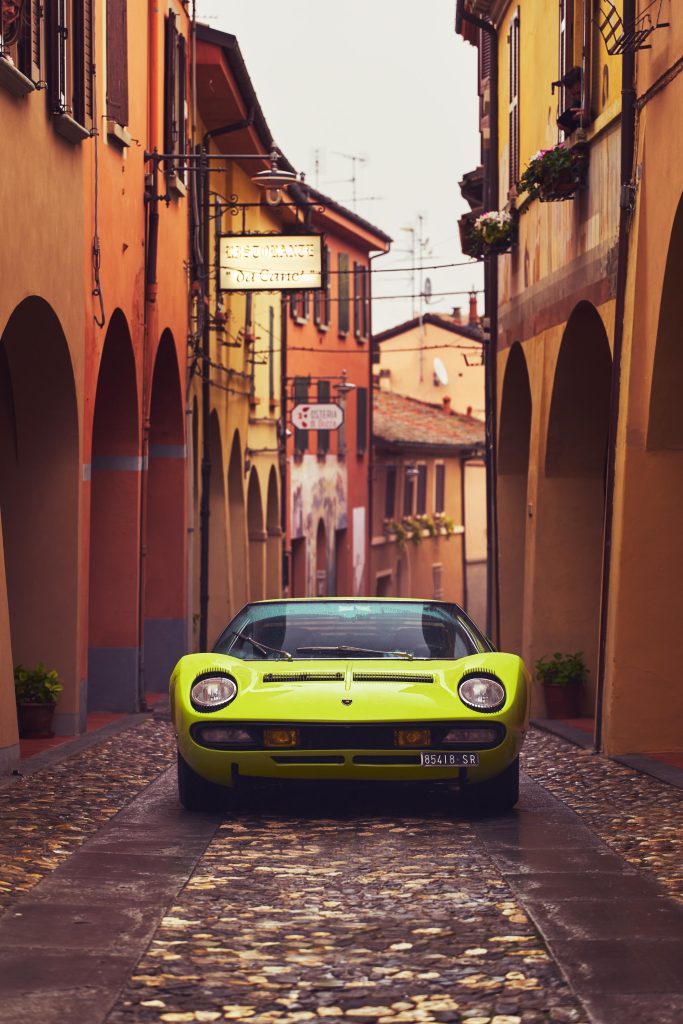
The influence of the Miura on the automotive world is difficult to overstate. By combining exotic design with a mid engine layout and breathtaking performance Lamborghini created a new template for high performance automobiles. Virtually every supercar that followed adopted the architectural principles introduced by the Miura. Its daring proportions, dramatic styling and uncompromising engineering established a blueprint that continues to shape performance car design today. The car also introduced Lamborghini’s tradition of naming models after Spanish fighting bulls. The Miura name itself was inspired by the legendary animals bred by Don Eduardo Miura, symbolising strength, power and elegance.
A Cultural Icon
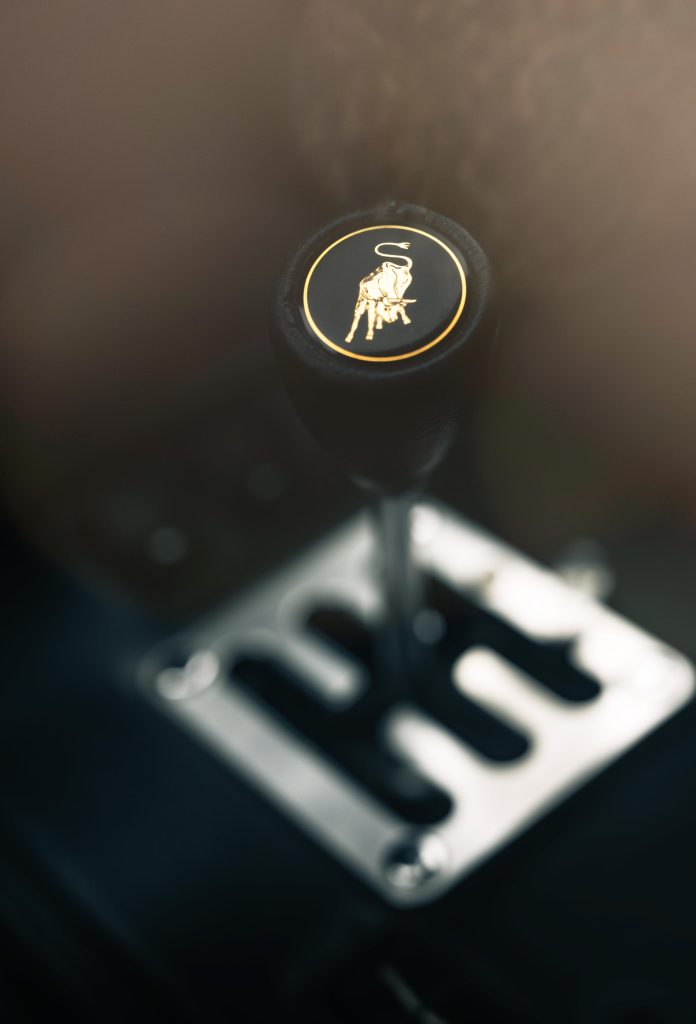
Beyond engineering achievement the Miura quickly became a cultural symbol of the late 1960s. Its dramatic form and unmistakable V12 soundtrack captured the imagination of enthusiasts across the world. The car achieved cinematic immortality through its appearance in the opening scene of the 1969 film The Italian Job, reinforcing its reputation as the ultimate expression of Italian automotive glamour. Between 1966 and 1973 Lamborghini produced just 763 examples of the Miura, making surviving cars among the most coveted collector automobiles today.
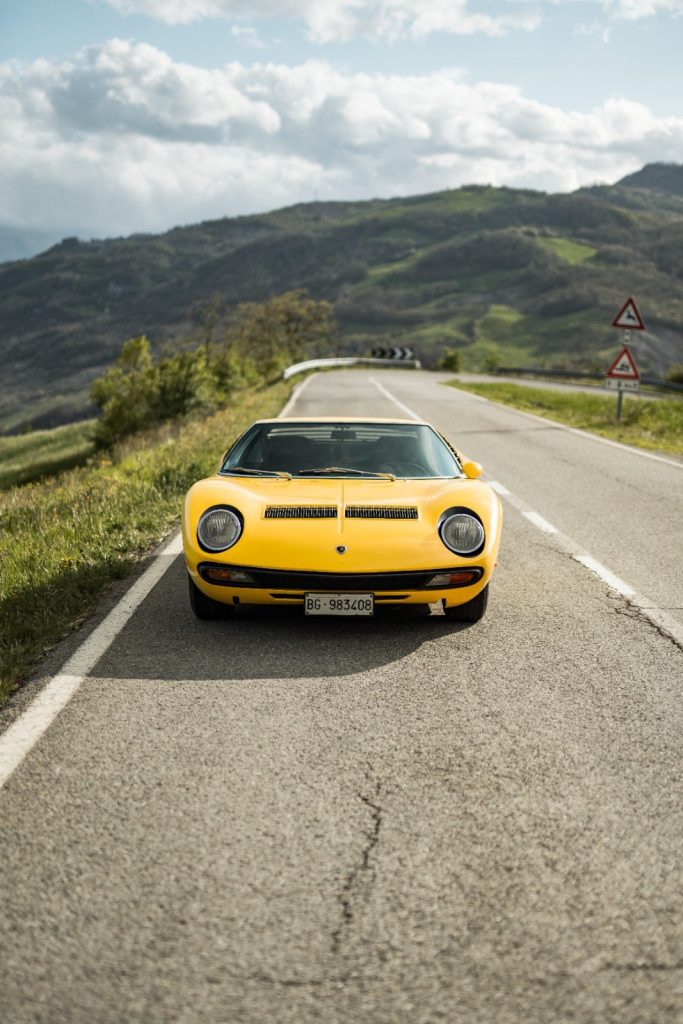
As the Miura celebrates its 60th anniversary the legacy of this extraordinary automobile remains stronger than ever. Collectors and enthusiasts around the world continue to celebrate the model at prestigious gatherings such as the Pebble Beach Concours d’Elegance and the Concorso d’Eleganza Villa d’Este, where the Miura is revered as a milestone of design and engineering. More than six decades after its debut the Miura continues to embody the spirit of innovation that defines Lamborghini. Its design still feels strikingly modern, its engineering remains influential and its story stands as proof that the greatest automobiles are not merely machines.