From Screen to Icon: The Most Famous Cars In American TV Series
Television has a long history of giving cars better careers than most people manage. These five machines did not merely appear on screen. They became characters, status symbols and, in some cases, more memorable than the people driving them
There are television cars and then there are television cars. The first category exists to get an actor from one side of a street to the other. The second arrives in the opening credits, gets its own soundtrack and eventually becomes impossible to separate from the programme itself. American television was particularly good at this during the late 1970s and 1980s, when producers discovered that a sufficiently glamorous, ridiculous or technologically ambitious car could become a star without demanding a trailer, an agent or an opinion on the script. From a Mercedes SL belonging to an improbably wealthy married couple to a talking Pontiac and a van that appeared to contain enough weaponry to invade a small nation, these cars became icons because they did far more than drive.
Mercedes Benz 450 SL, Hart To Hart
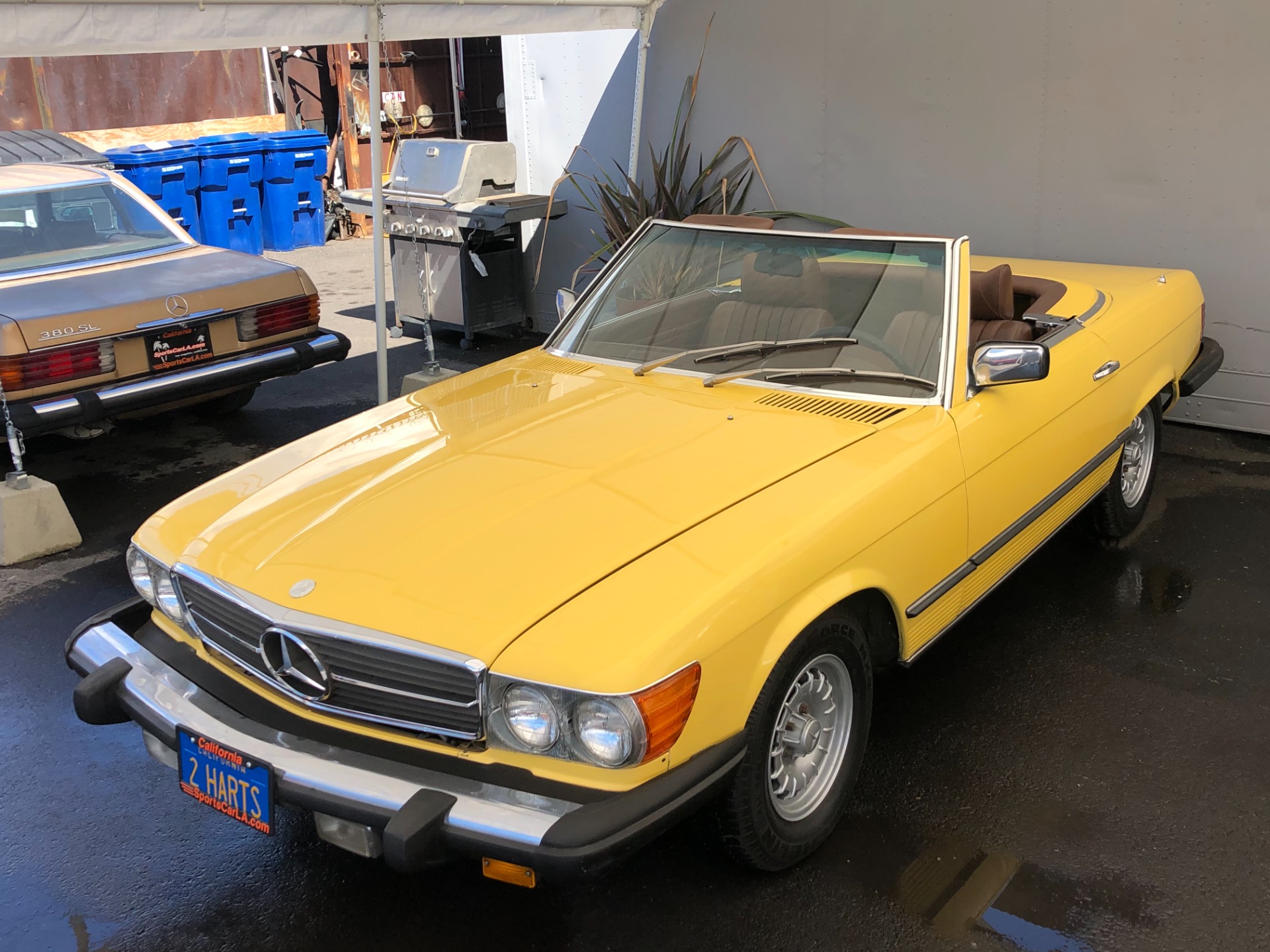
If you were going to spend the late 1970s solving crimes while being outrageously wealthy, you would need an appropriate car. Jonathan and Jennifer Hart therefore had the sensible option of a yellow Mercedes Benz 450 SL. In Hart to Hart, the glamorous couple drove a 1979 450 SL before it was replaced by a 1981 380 SL. The car fitted the Harts rather beautifully.
The SL was not trying to pretend it was a race car. It was a grand touring roadster for people who regarded a murder investigation as something that could reasonably be fitted between lunch and dinner. The long bonnet, two seat cabin and open top gave the car precisely the sort of effortless California glamour the series required. It was fast enough, expensive enough and conspicuous enough to announce that the people inside it had never had to check the price of anything on a menu.
Also Read: 3 Extraordinary New Hypercars Unveiled At Monterey Car Week 2026
Ferrari Testarossa, Miami Vice
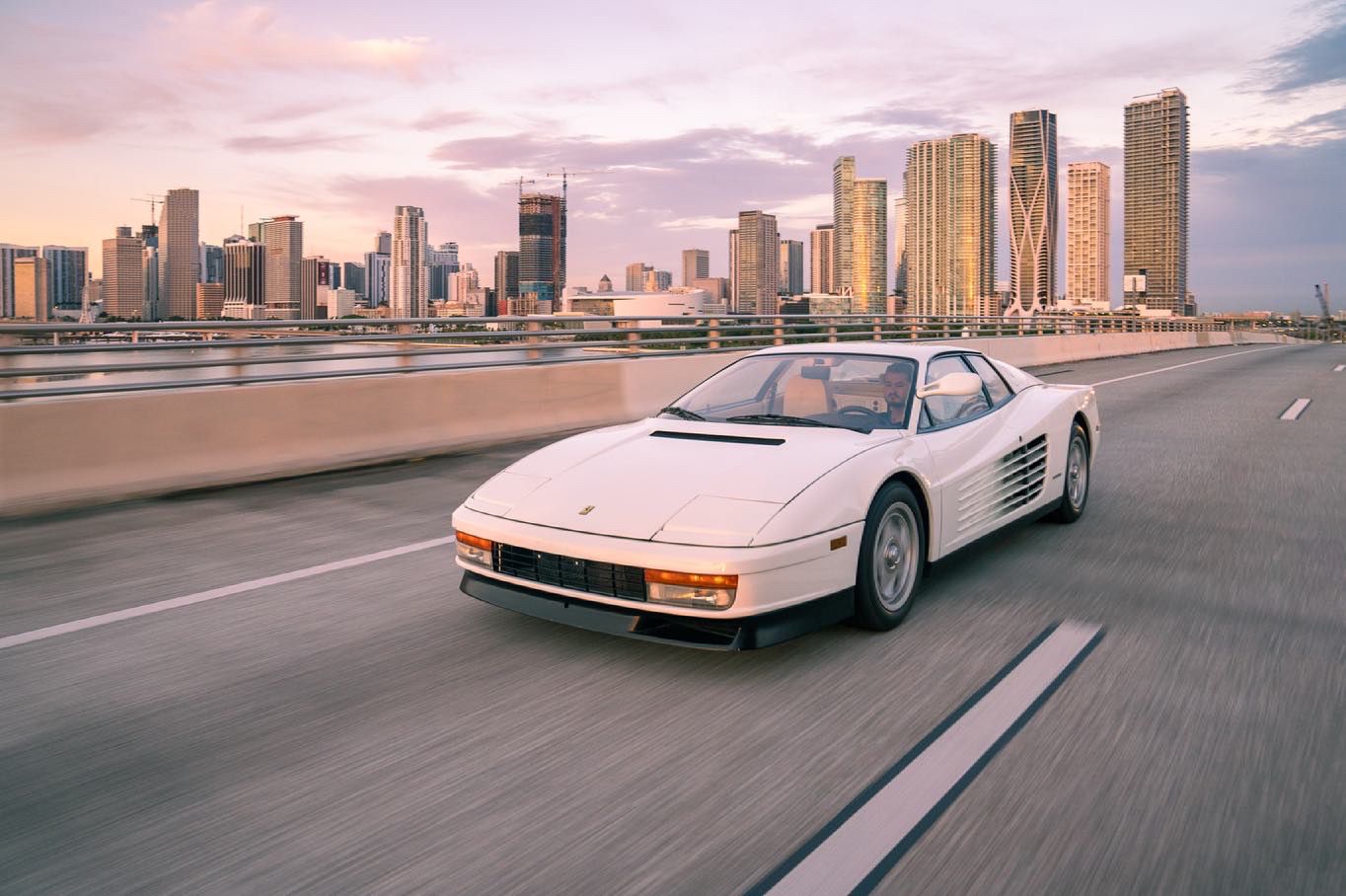
And then television discovered the Ferrari Testarossa and collectively lost its mind. Miami Vice ran from 1984 to 1989, but the white Testarossa that appeared from the third season onward managed to compress the entire decade into one object: enormous shoulder pads, pastel sunsets, questionable ethics and enough Italian leather to upholster a small nightclub. The car became one of the show’s defining images.
Sonny Crockett’s Testarossa was supposed to be a serious piece of machinery, and it looked it. The mid engined V12, dramatic side strakes and brutally wide rear end made it appear less like a car and more like a particularly expensive argument. The show cars supplied by Ferrari North America were originally black and were repainted white for better visibility in night scenes. A stunt car was built around a De Tomaso Pantera chassis because apparently smashing an actual Ferrari every week was considered an excessive use of the budget.
The Testarossa did more than make Crockett look cool. It helped turn the Ferrari into a cultural shorthand for wealth, danger and conspicuous excess. Miami Vice understood that a car could communicate character faster than a page of dialogue ever could.
Pontiac Firebird Trans Am, Knight Rider
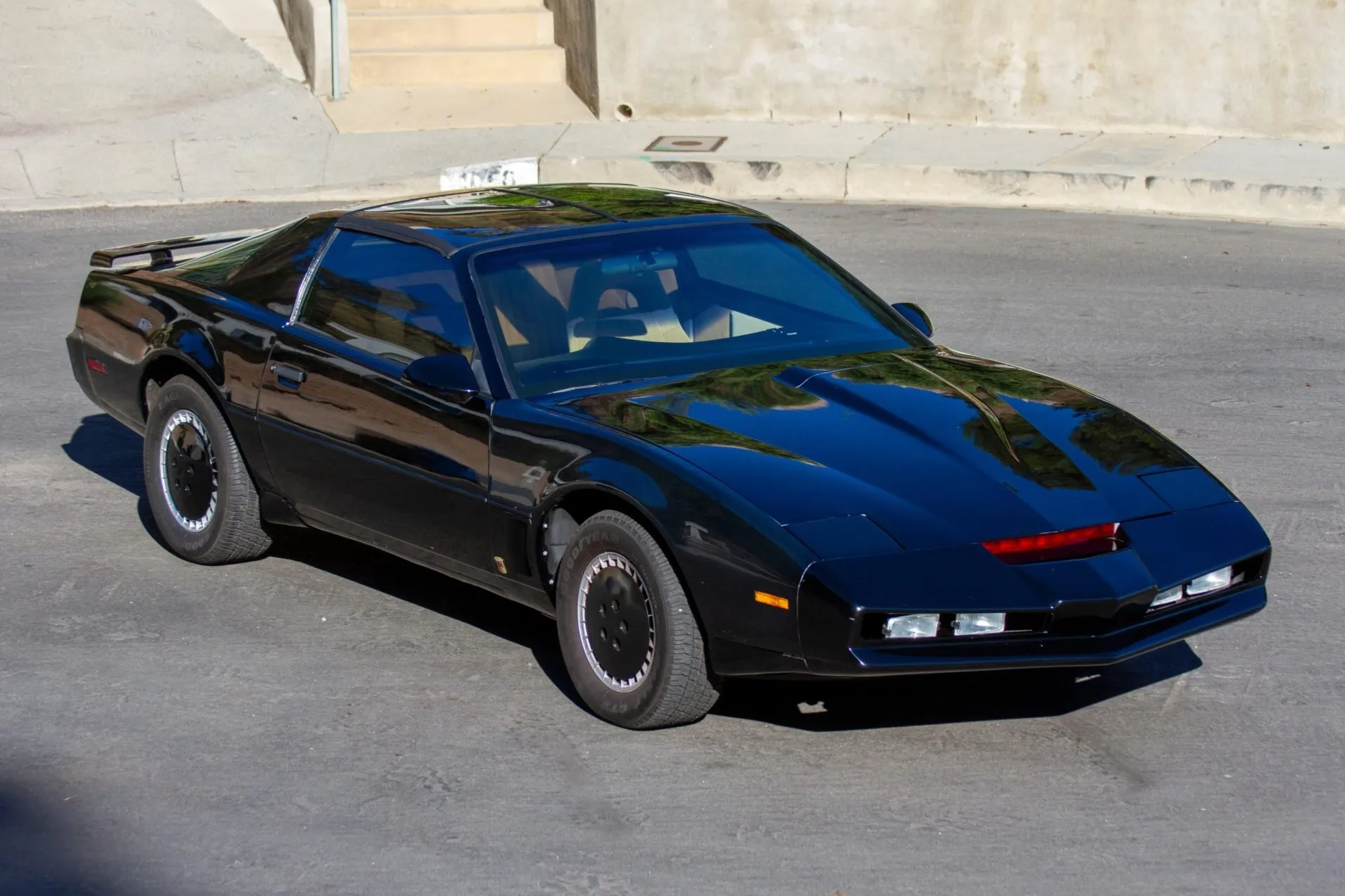
Some cars have a dashboard. KITT had a personality disorder. Knight Rider transformed a black 1982 Pontiac Firebird Trans Am into the Knight Industries Two Thousand, a car capable of talking, thinking, driving itself and making every other car from the period look like it had been designed by a committee of accountants. The series ran from 1982 to 1986, with William Daniels providing KITT’s voice.
The production team modified the third generation Trans Am extensively, giving KITT its unmistakable nose, electronic dashboard and red scanner light. The hero car reportedly cost around $100,000 to build, while the ride height was lowered by about 1.5 inches. The result was a Pontiac that looked as though it had been sent back from the future specifically to embarrass ordinary traffic.
Ferrari 308 GTS, Magnum P.I.
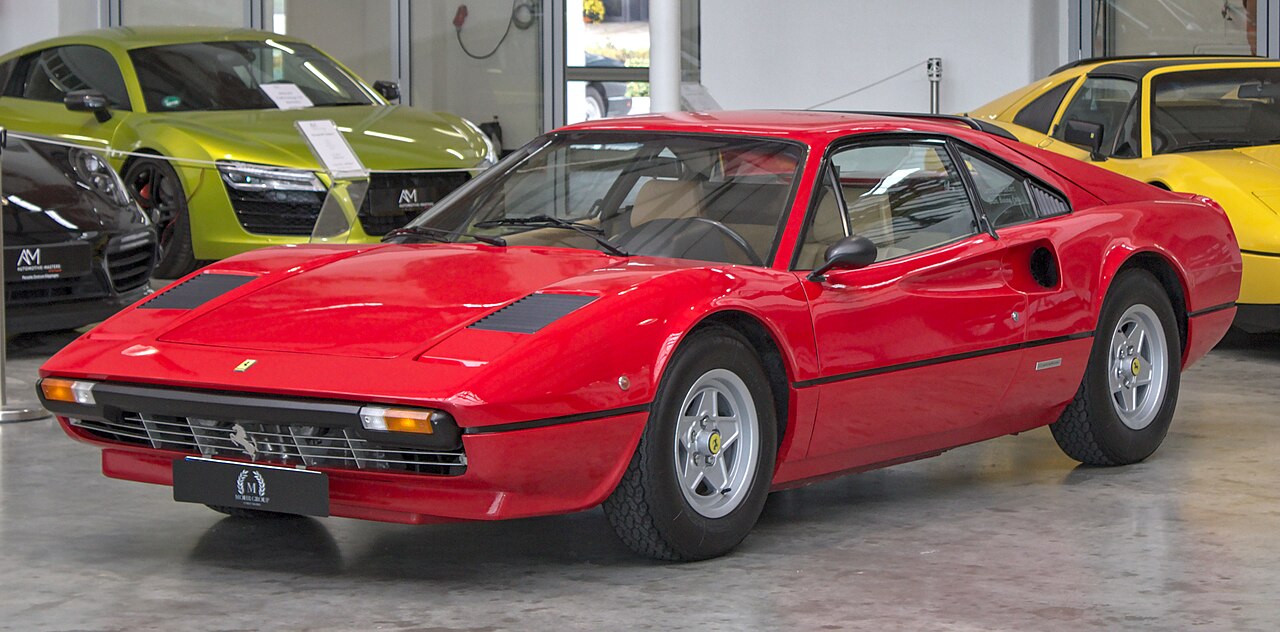
Before Miami Vice made the Testarossa famous, Magnum P.I. had already demonstrated what television could do to a Ferrari. Thomas Magnum, played by Tom Selleck, spent eight seasons driving a red Ferrari 308 GTS around Oahu between 1980 and 1988. Ferrari itself acknowledges the 308’s starring role and notes that the series helped boost the car’s reputation.
The clever thing about the 308 was that it looked exotic without becoming completely absurd. Pininfarina gave it a beautifully balanced shape, a mid mounted V8 and a removable targa roof that made it almost impossible not to associate with Hawaiian sunshine. The television cars evolved during the series, moving from the 1979 308 GTS to the fuel injected 308 GTSi and then the 1984 308 GTS Quattrovalvole.
There was, however, one small problem. Tom Selleck is approximately the size of a respectable wardrobe. The Ferraris therefore had their seat padding removed and the seats moved back to give the actor more room. Even then, his head seemed to have an ongoing disagreement with the top of the windscreen. The producers had originally considered a Porsche 928, but the Ferrari won the part and promptly became one of television’s most recognisable cars.
GMC G 1500 Vandura, The A Team
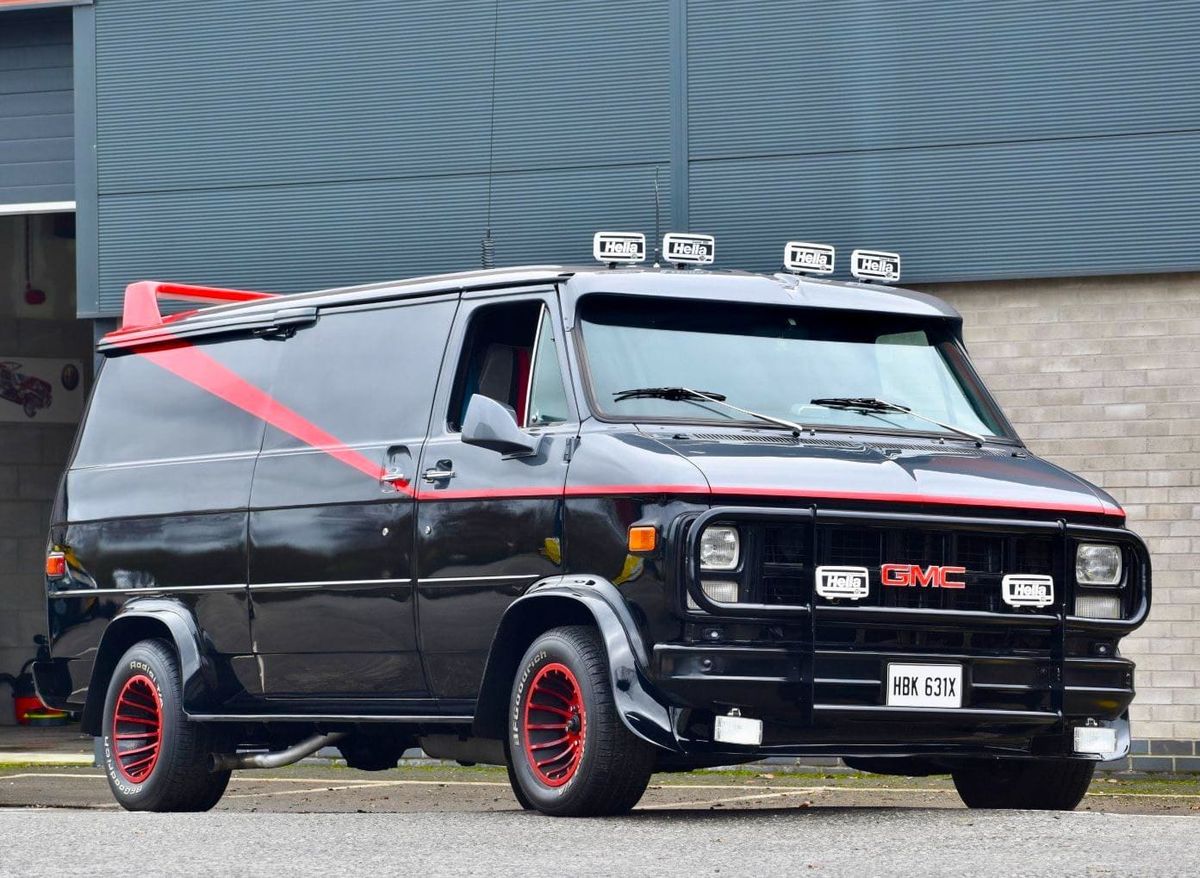
Finally, we arrive at the vehicle that proves you do not need Italian styling, German engineering or artificial intelligence to become famous. You just need a van, a red stripe and four men who seem to have access to an alarming quantity of explosives.
The GMC G 1500 Vandura became the visual signature of The A Team, which ran from 1983 to 1987. The series used a 1983 GMC Vandura cargo van, instantly recognisable by its black and metallic grey two tone finish, red stripe running from the bonnet towards the rear spoiler and auxiliary lights around the front grille and roof line.
The van suited B A Baracus particularly well because subtlety was clearly not on the team’s list of priorities. It was big, loud and looked as though it could carry a small construction company, which was useful because the A Team spent an impressive amount of time constructing things. Walls, bridges, improvised armoured vehicles and occasionally the laws of physics all seemed to fall victim to their enthusiasm.
When A Car Becomes Part Of The Cast
The fascinating thing about these cars is that none of them remained mere props. The Mercedes 450 SL became shorthand for the Harts’ wealth and sophistication. The Ferrari Testarossa became Miami Vice in metal form. KITT turned a Pontiac into a fictional technological genius. The Ferrari 308 GTS became inseparable from Magnum’s Hawaiian adventures, while the GMC Vandura became one of the most recognisable vans in television history.
That is the peculiar magic of television. A car can begin life as a machine designed by engineers and end up as a character written by an audience. Give it enough screen time, the right soundtrack and a driver with excellent hair, and suddenly the vehicle is no longer simply transporting the story. It is helping to tell it.
And frankly, this is why the best television cars deserve to be remembered. Long after we have forgotten what happened in the forty seventh episode, we still remember the Ferrari, the Pontiac, the Mercedes and the van. The actors may have delivered the dialogue, but sometimes the car was doing the more memorable bit of acting.