Why Do F1 Cars Use Open Wheels? The Engineering And Racing Advantage Explained
A deep dive into the science, history, and engineering behind open wheel Formula One cars and why exposed tyres remain essential to the fastest racing machines on Earth
If you were designing the world’s fastest racing car from scratch, you probably would not leave the wheels sticking out in the open. It seems ridiculous. Imagine spending millions developing a machine capable of cornering at forces that would rearrange your internal organs, only to leave four enormous tyres hanging outside the bodywork like forgotten luggage. Yet that is exactly what Formula One does. Every year, the smartest engineers in motorsport gather around computers powerful enough to launch rockets, and somehow they all arrive at the same conclusion: keep the wheels exposed.
To the casual observer, it looks outdated. Sports cars cover their wheels, Hypercars cover their wheels, endurance racers cover their wheels, and even your neighbour’s hatchback covers its wheels. Formula One, however, continues to embrace a design philosophy that dates back to the dawn of motor racing. The reason is remarkably simple. Open wheels might look old fashioned, but they remain one of the fastest ways to go racing.
The Design Was Born Long Before Aerodynamics Existed
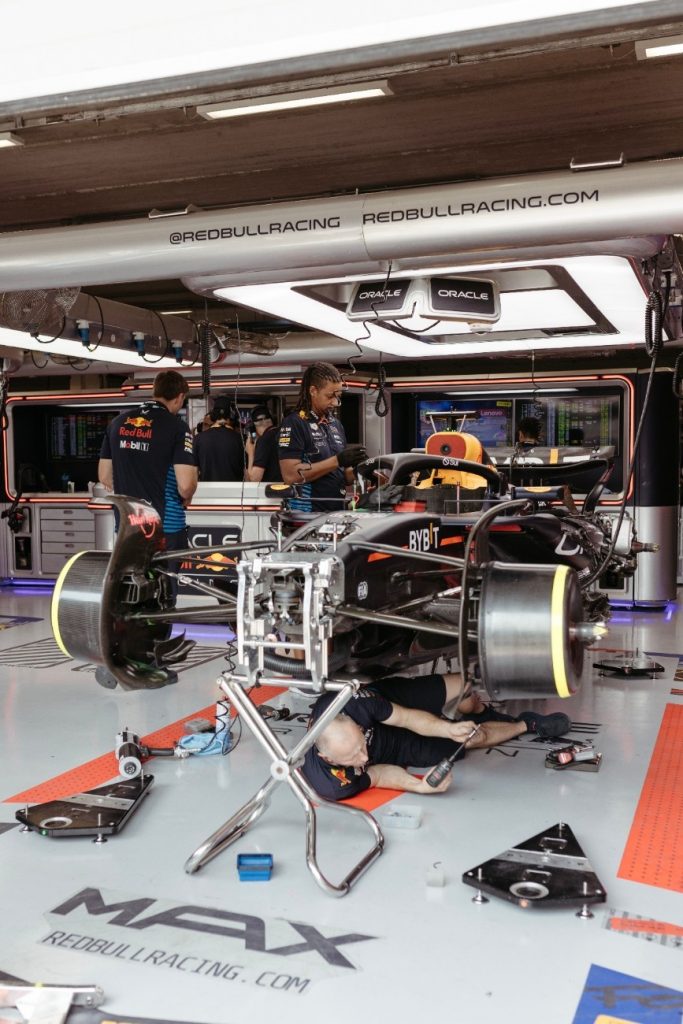
The origins of open wheel racing have very little to do with science and everything to do with practicality. Early racing cars at the beginning of the 20th century were little more than engines attached to wheels. Designers were concerned with making cars move, not slicing cleanly through the air. Wheels sat outside the body because it was easier to build them that way, easier to access them during repairs, and easier to keep weight down. As racing evolved, Formula One retained this basic configuration. What began as necessity gradually became part of the sport’s identity. Today, an F1 car without exposed wheels would look as strange as Wimbledon without grass or Monaco without yachts.
Open Wheels Make Cars Lighter
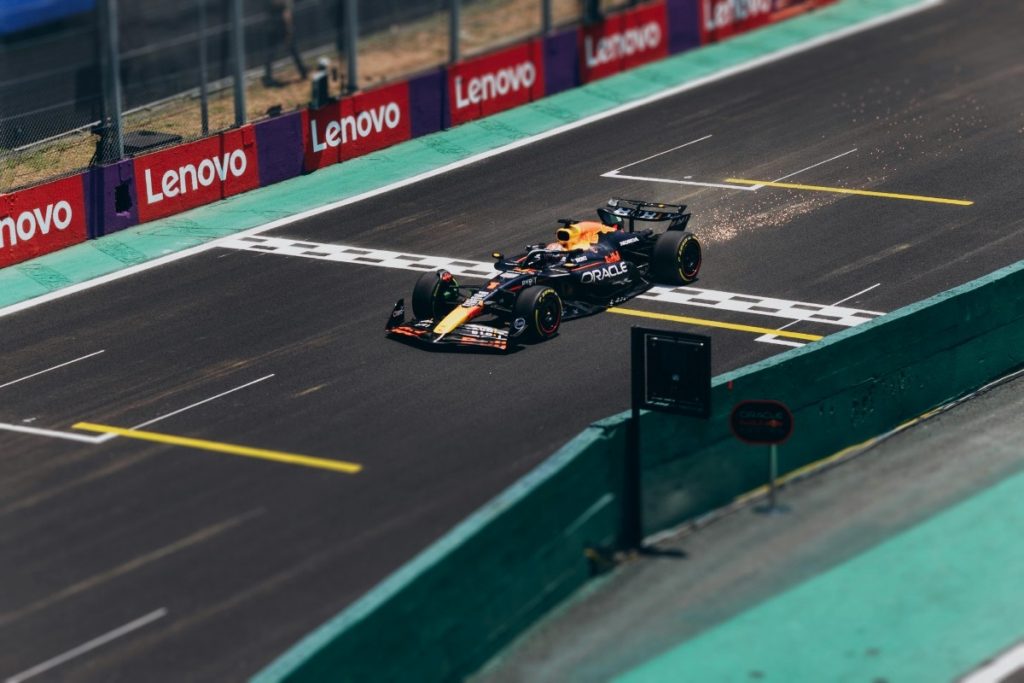
Weight is the sworn enemy of speed. Every kilogram added to a racing car affects acceleration, braking, tyre wear, and fuel efficiency. By leaving the wheels exposed, Formula One teams avoid the additional bodywork required to enclose them. That means less material, less complexity, and ultimately less weight. In a sport where engineers celebrate saving a few hundred grams from a component nobody can even see, the prospect of adding large wheel arches simply does not make sense. The lighter the car, the faster it can go, and Formula One has never been interested in carrying unnecessary baggage.
They Allow Faster Wheel Changes
Formula One races can be won or lost in the pit lane. A modern tyre change takes little more than two seconds. That level of speed would be impossible if mechanics had to work around enclosed wheel arches. With open wheels, every tyre is immediately accessible. Mechanics can remove and replace them with extraordinary efficiency, allowing pit stops that resemble military operations conducted by caffeinated octopuses. In a championship where fractions of a second matter, accessibility is everything.
Aerodynamics Loves Clean Air
At first glance, exposed wheels seem terrible for aerodynamics because rotating tyres generate turbulence. And that is true. The wheels are actually responsible for a significant amount of aerodynamic disruption. However, Formula One engineers have spent decades learning how to manage this airflow. Front wings, suspension elements, brake ducts, and countless aerodynamic surfaces are designed specifically to control the air around the tyres.
The result is a carefully orchestrated stream of airflow that contributes to downforce and overall performance. Adding wheel covers would create an entirely different set of aerodynamic challenges. Engineers would need to redesign the entire concept of the car. For Formula One, the benefits simply do not outweigh the complications.
Open Wheels Create Better Racing
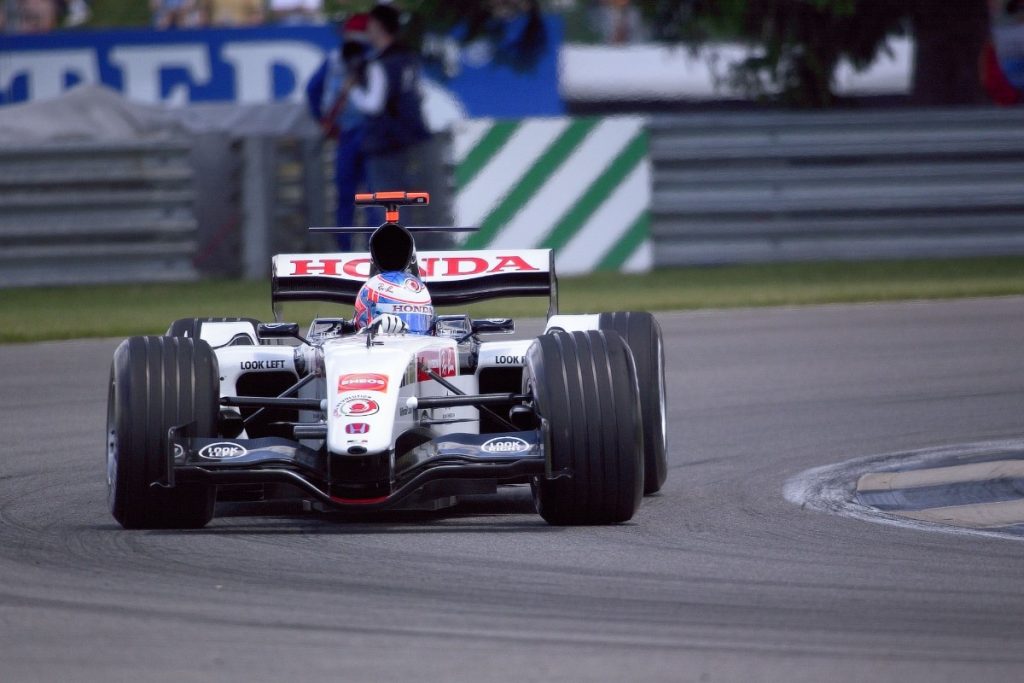
One of the less obvious advantages of exposed wheels is the way they influence racing itself. Open wheel cars demand precision. Drivers must place their cars accurately because wheel to wheel contact often has dramatic consequences. Unlike touring cars, where minor bumps are part of the spectacle, Formula One punishes careless contact. Touch two tyres together at high speed and the result can be immediate disaster. This creates a level of skill and discipline that has become central to the sport’s appeal. The exposed wheels force drivers to operate at the very edge of control while respecting the razor thin margin between brilliance and catastrophe.
Also Read: Why F1 No Longer Races At Nürburgring’s Nordschleife Track
The Tyres Are Part of the Show
Formula One is not merely an engineering competition. It is theatre. The giant tyres hanging outside the bodywork are among the sport’s most recognisable visual elements. Fans can see the tyres deform under braking, flex through corners, and leave trails of smoke during lockups. They become visual indicators of the immense forces at work. Cover them up and much of that drama disappears. The exposed tyres remind spectators that Formula One is a physical contest between man, machine, and physics. They make the speed feel real.
Safety Has Improved Without Closing the Wheels
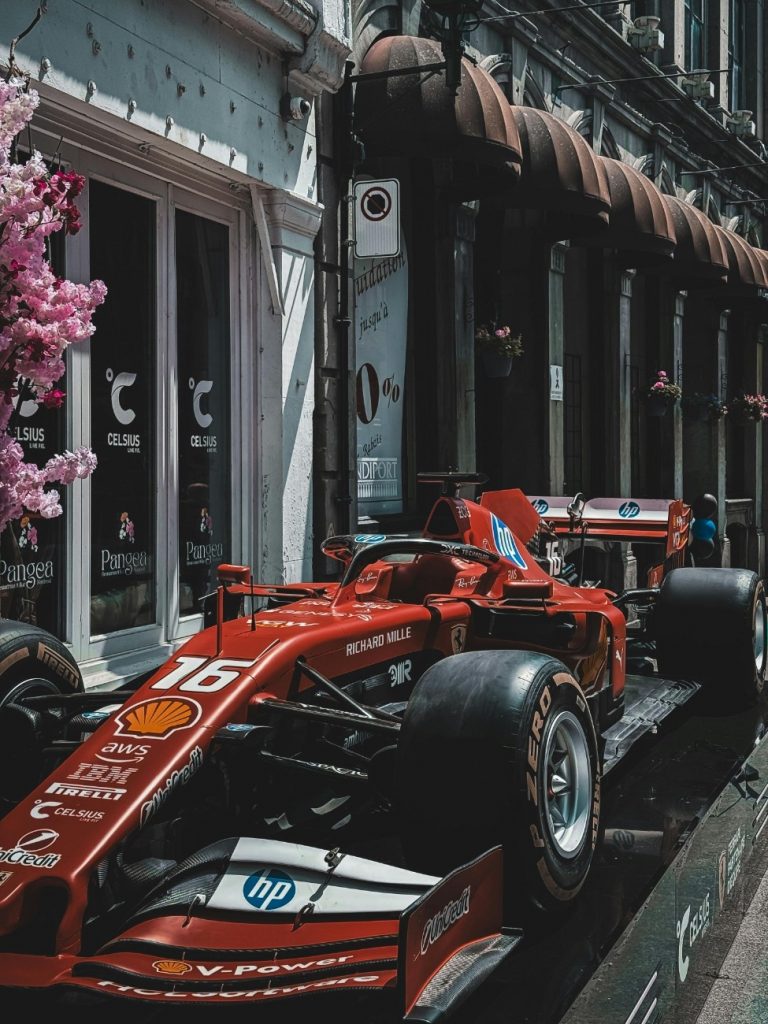
Many people assume enclosed wheels would make Formula One safer. In reality, modern safety solutions have addressed most concerns without abandoning the open wheel concept. Advanced wheel tethers help prevent tyres from detaching during accidents. Stronger suspension systems, improved crash structures, and the introduction of the Halo have transformed driver safety over the past two decades. The sport has found ways to reduce risks while preserving the characteristics that define Formula One. As a result, there has been little appetite for fundamentally changing the open wheel format.
Why Formula One Will Probably Never Abandon Open Wheels
The truth is that open wheels are no longer just an engineering choice. They are part of Formula One’s DNA. They influence the way the cars look, the way they race, the way they pit, and the way fans connect with the sport. Could Formula One switch to enclosed wheels? Of course it could. The engineers would find a way. They always do. But it would fundamentally alter the character of the championship.
Formula One has spent more than seventy years refining the open wheel concept into the fastest and most sophisticated racing formula in the world. And sometimes, when something is already absurdly effective, the smartest thing you can do is leave it alone. After all, if exposing four enormous tyres to the wind helps create some of the fastest racing machines ever built, perhaps it is not such a ridiculous idea after all.