Apple HomeView Debuts With Siri AI and a 7-Inch Display
Apple wants to turn the humble household display into the nerve centre of modern living, combining a 7 inch Liquid Retina screen, personalised AI, room filling audio and connected home controls in a sleek aluminium package
For years, technology companies have been trying to persuade us that the future of domestic living involves talking to appliances. We already have phones that interrupt dinner, televisions that recommend programmes we do not want to watch and speakers that occasionally misunderstand perfectly simple instructions. Now Apple wants to bring the whole circus together with HomeView, a new connected home display that aims to become the command centre for everything happening under your roof. Think of it as a digital butler, entertainment system, family noticeboard and home security dashboard squeezed into a rather attractive aluminium housing. Powered by Apple Intelligence and a new version of Siri AI, it is designed to recognise household members, organise personal information, control compatible smart home accessories and keep everyone entertained. It even has a 7 inch Liquid Retina display, which is considerably more useful than shouting at a speaker when you want to know what is on your calendar. The idea is straightforward. Your home should know who you are, understand what you need and respond without making you feel as though you are operating a nuclear power station. Naturally, there is the small matter of privacy, because nobody wants their smart home becoming an unusually expensive neighbourhood gossip. Apple says privacy and security sit at the heart of HomeView. If the execution matches the ambition, this could be a rather clever addition to the modern household.
Designed To Look Good On The Kitchen Counter
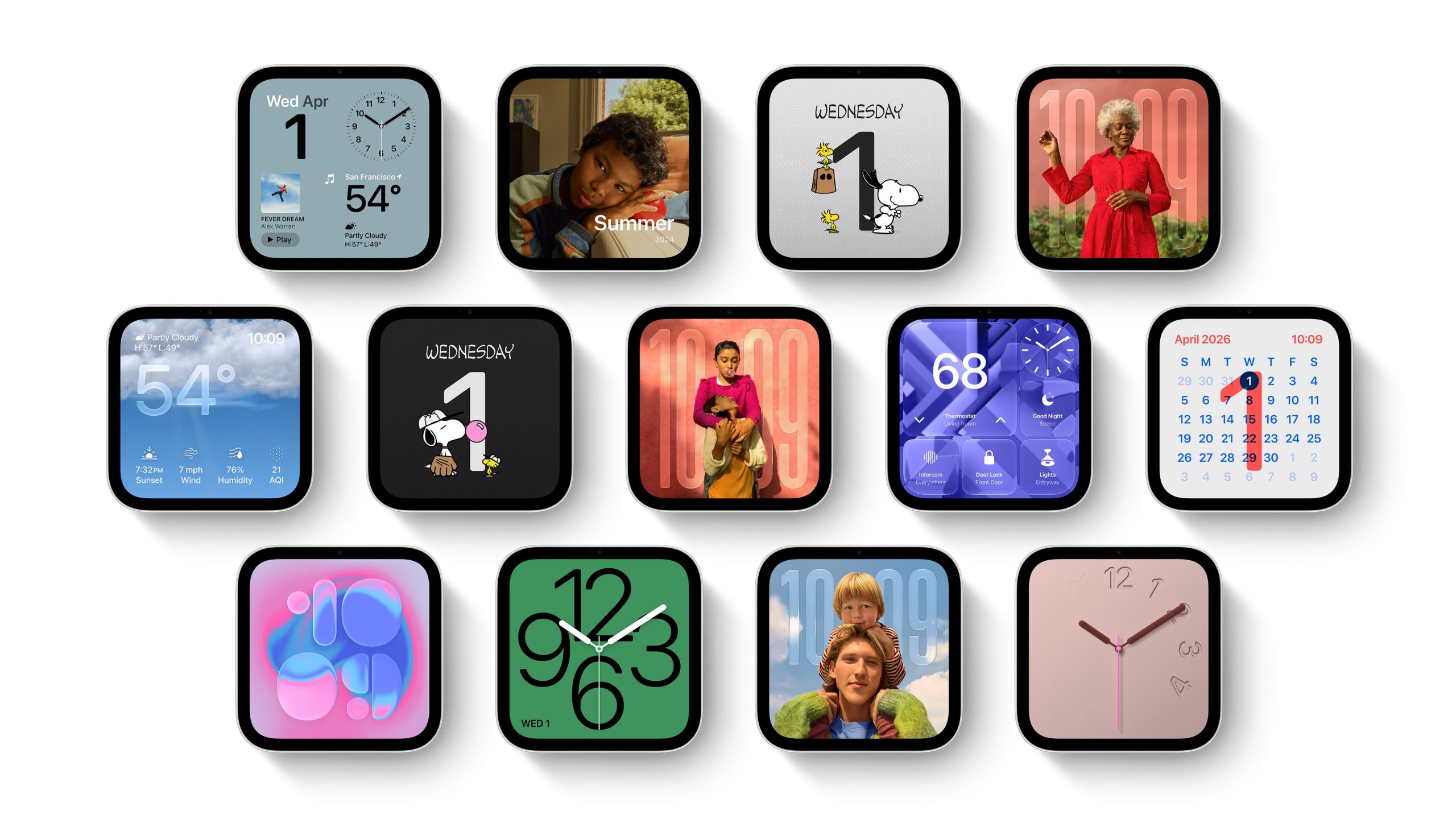
HomeView features an aluminium body connected to a domed speaker base through a stainless steel hinge, allowing the display to tilt for comfortable viewing. Its 7 inch Liquid Retina screen is designed to remain legible throughout the day, while True Tone adapts the display to changing lighting conditions. Automatic brightness ranges from 500 nits in brighter surroundings to just 0.3 nits at night, making it suitable for everything from a sunlit kitchen to a bedside table.
The interface also adjusts according to how close someone is standing. From across the room, it displays simpler information that can be read at a glance. Move closer and richer details become available. HomeView comes in silver, starlight, rose pink and space grey, with matching cables. A separate wall mounted version, available in silver and space grey, uses purpose built mounting options from Schneider Home, with self installation and professional installation available.
Six People, Six Personal Experiences
HomeView can recognise up to six people, giving each household member a personalised Home Screen with their own apps and widgets. Messages, FaceTime, Calendar, Reminders and Find My can adapt to the individual using the display, while shared photo albums and music remain accessible for everyone. This is particularly useful in a busy household. One person can check appointments, another can browse reminders, and somebody else can put on a playlist without everyone having to wade through the digital equivalent of a communal sock drawer.
Siri AI Gets A Bigger Role
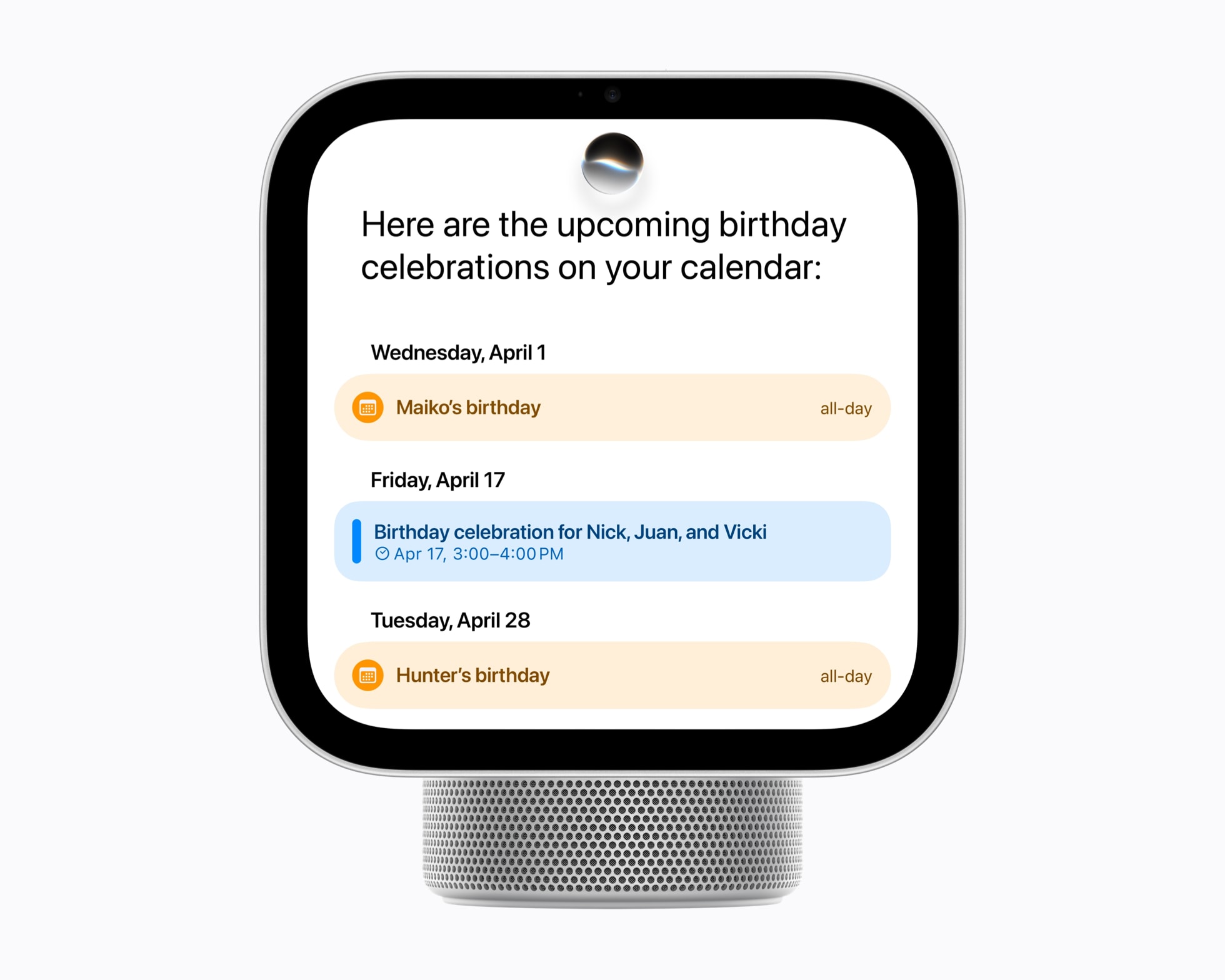
The new Siri AI is central to HomeView. Apple describes it as a more capable, conversational assistant powered by the next generation of Apple Intelligence and Apple silicon. It offers broad world knowledge, natural conversations and onscreen awareness, allowing users to ask questions and receive contextual responses.
Pair HomeView with a compatible Apple Intelligence enabled iPhone or iPad and Siri AI can draw on personal context, including relevant information from Messages and Calendar, as well as playlists and other information across supported apps. Voice expressiveness and speaking pace can be customised on a compatible paired device, with those preferences carrying over to HomeView.
Conversations can also continue in the Siri app, with history synchronised privately through iCloud across supported Apple products. Even users without a compatible Apple Intelligence enabled iPhone or iPad can access Siri AI’s broader knowledge, conversational abilities and improved music discovery.
Entertainment Without The Need For A Television
The audio system is more ambitious than the display’s modest dimensions suggest. Two custom full range drivers deliver clear sound and Spatial Audio, while a down firing woofer and two force cancelling passive radiators provide bass extension. Computational audio uses Apple silicon and real time system sensors to optimise loudness and bass response at different volumes.
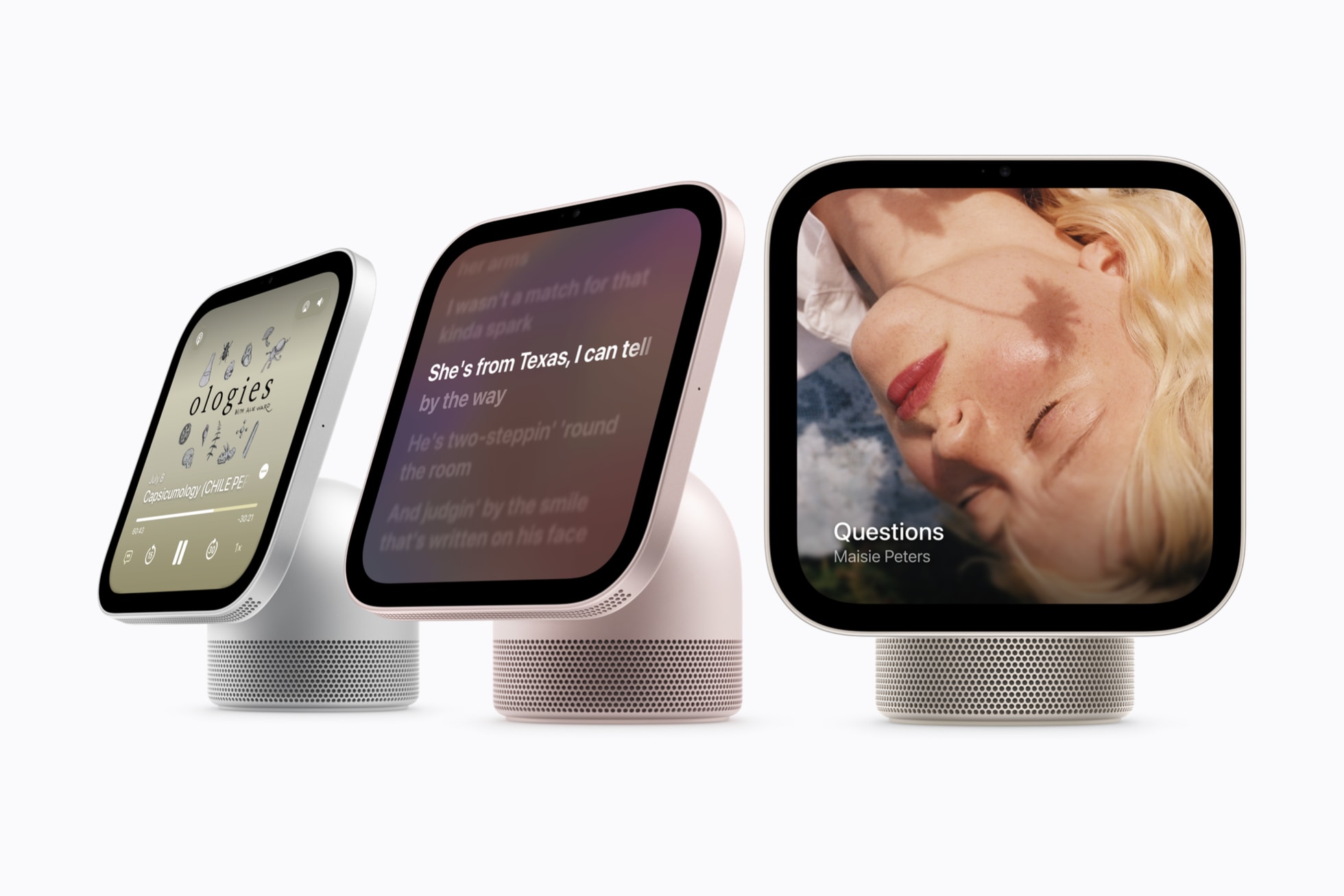
The wall mounted model uses two custom drivers and audio processing tuned for its installation. HomeView supports Apple Music, Apple Podcasts, Apple News, Apple TV and compatible third party audio and video apps. Apple Music includes animated album artwork and lyrics, while Handoff lets users transfer audio from an iPhone simply by bringing it close to the display. Multiple HomeView units, HomePod speakers, HomePod mini devices and compatible AirPlay speakers can work together for multiroom listening.
The Household Assistant That Actually Has A Job
HomeView is designed to make everyday tasks less cumbersome. FaceTime with Center Stage keeps participants framed as they move around the room, while Messages can be read and answered using voice or the onscreen keyboard. Intercom broadcasts announcements to individual rooms or the wider household through compatible speakers and personal devices.
In the kitchen, recipes can be converted into step by step instructions, with hands free timers and ingredient tracking helping users concentrate on dinner rather than repeatedly touching a screen with flour covered fingers. Find My can help locate compatible personal devices and items fitted with an AirTag, while Live Activities display useful updates such as active timers, music playback and incoming Intercom messages.
The Smart Home Command Centre
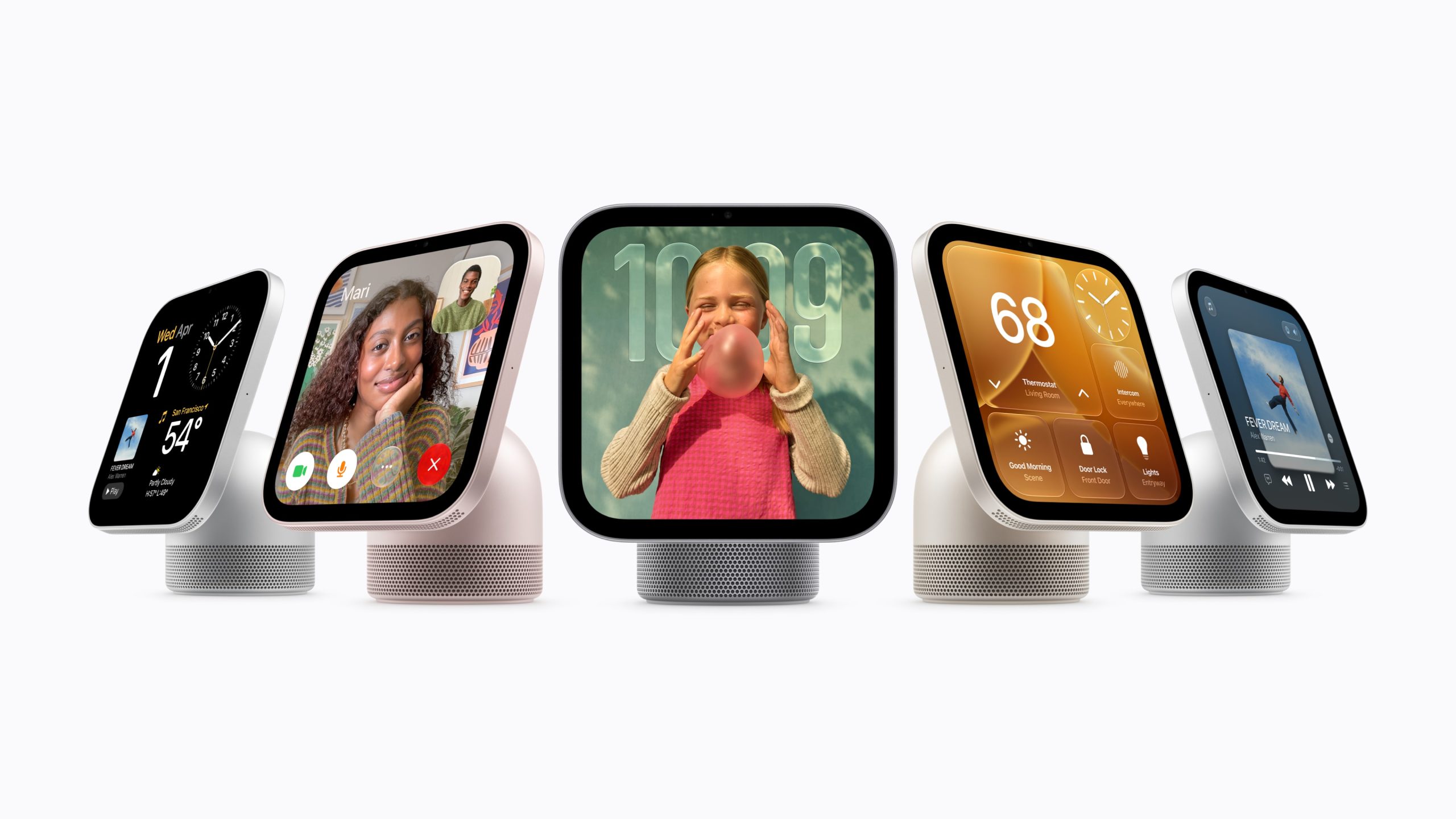
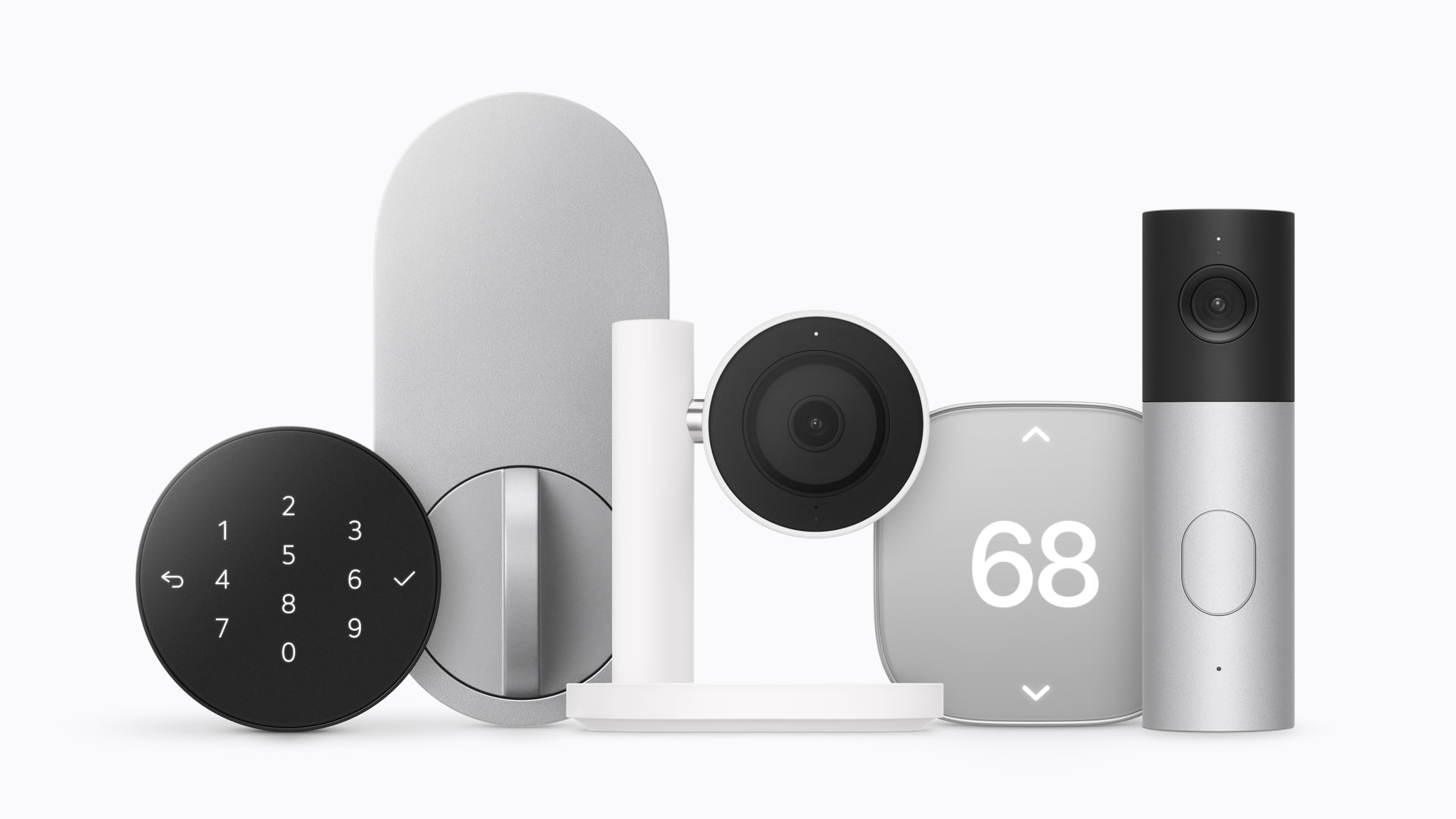
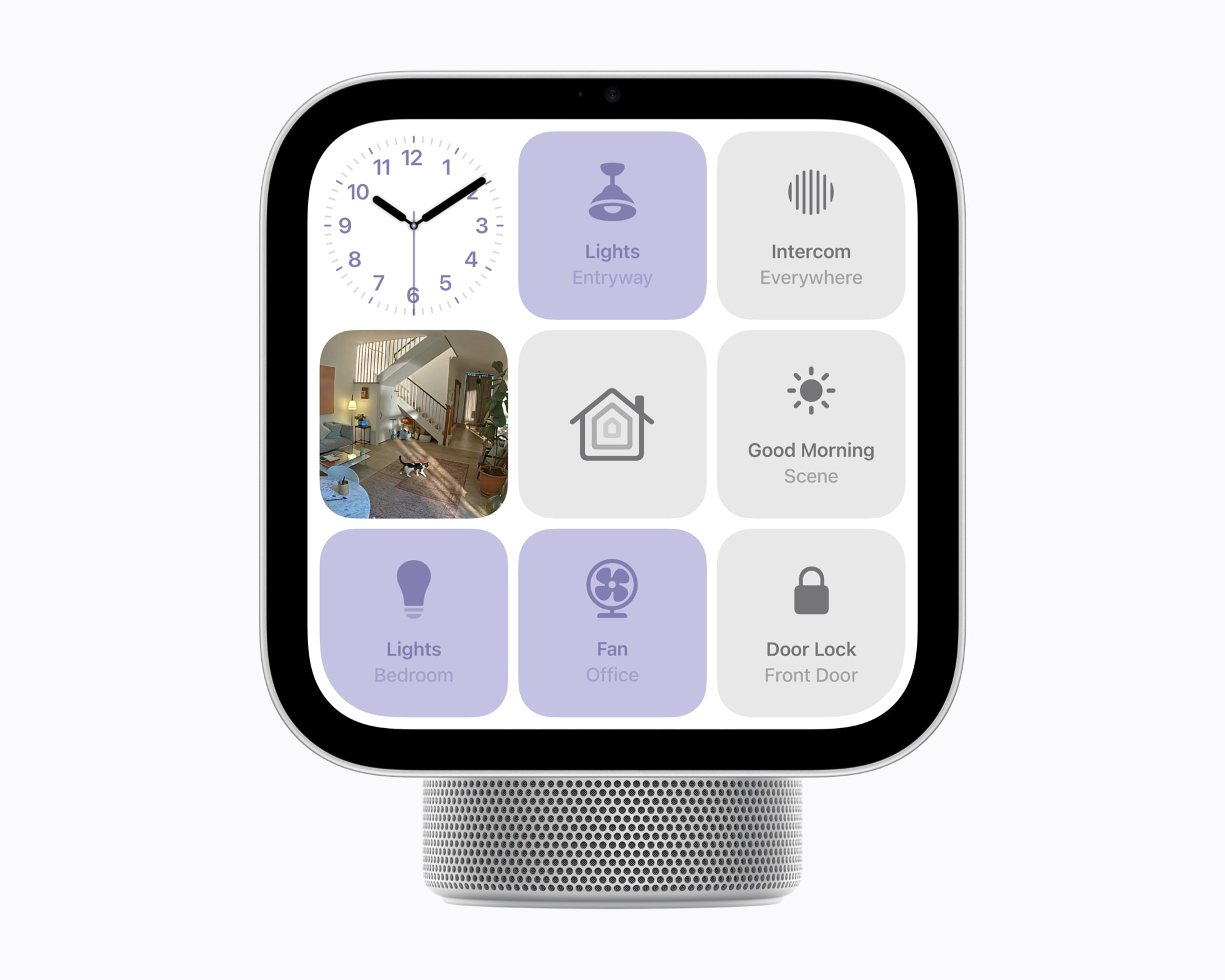
HomeView also acts as a dashboard for compatible smart home accessories. Users can control lights, adjust thermostats, lock doors, close blinds and view security camera feeds using touch or Siri AI. The Home Modular face provides quick access to favourite accessories, while the Home Camera face can display up to nine video feeds simultaneously, helping residents monitor deliveries and keep an eye on pets.
Apple HomeView’s appeal ultimately rests on a simple promise: make technology useful without allowing it to take over the house. If its personalisation, audio and connected controls work together as intended, the device could become a convenient hub for modern living. The real test, however, is whether it makes everyday life simpler. After all, a clever home is wonderful. A home that requires a degree in computer science just to switch on the lights is another matter entirely.