F-35 Pilot Helmet Explained: The World’s Most Advanced Fighter Helmet Worth $400K
It is not just a helmet, it is a flying combat computer strapped to your skull, replacing cockpit screens, night vision goggles, and perhaps your basic understanding of what a helmet is supposed to do
Most helmets are designed to save your head. The one worn inside the Lockheed Martin F-35 Lightning II is designed to win wars. It costs around $240,000, which means the pilot’s helmet is often more expensive than the car parked outside the airbase, your neighbour’s apartment, and possibly your entire personality. And yet, for the people flying one of the world’s most advanced stealth fighters, it is considered absolutely necessary.
Because this is not really a helmet. It is a combat command centre, a targeting system, a night vision device, a battlefield intelligence network, and a flying HUD all wrapped around your face like the world’s most expensive motorcycle accessory. And frankly, once you understand what it does, it starts to make terrifyingly good sense.
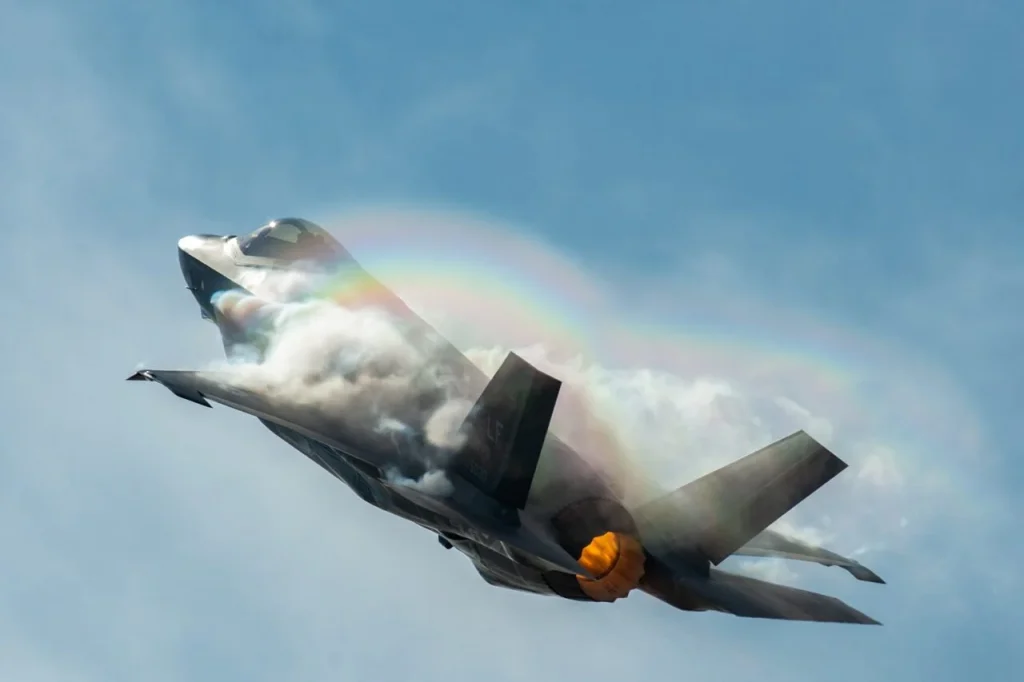
No Head-Up Display Because Your Face Is The Display
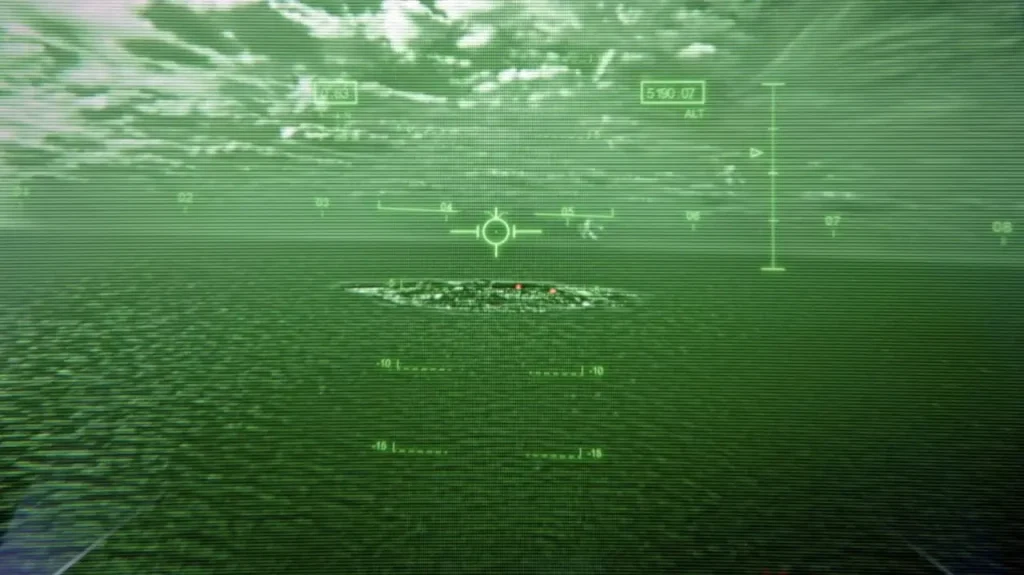
Traditional fighter jets use a Head-Up Display, a transparent glass screen in front of the pilot showing speed, altitude, targeting information, and warnings. The F-35 looked at that and said, no thanks. Instead, everything is projected directly into the helmet visor.
Flight data, navigation, weapons systems, radar information, enemy tracking, and landing guidance all appear in front of the pilot’s eyes without needing to glance down. It is essentially augmented reality, except instead of checking restaurant reviews, you are identifying incoming missiles. This means the pilot keeps eyes outside the aircraft at all times, which is useful when travelling faster than sound in a machine worth over $100 million. It is less dashboard, more Iron Man.
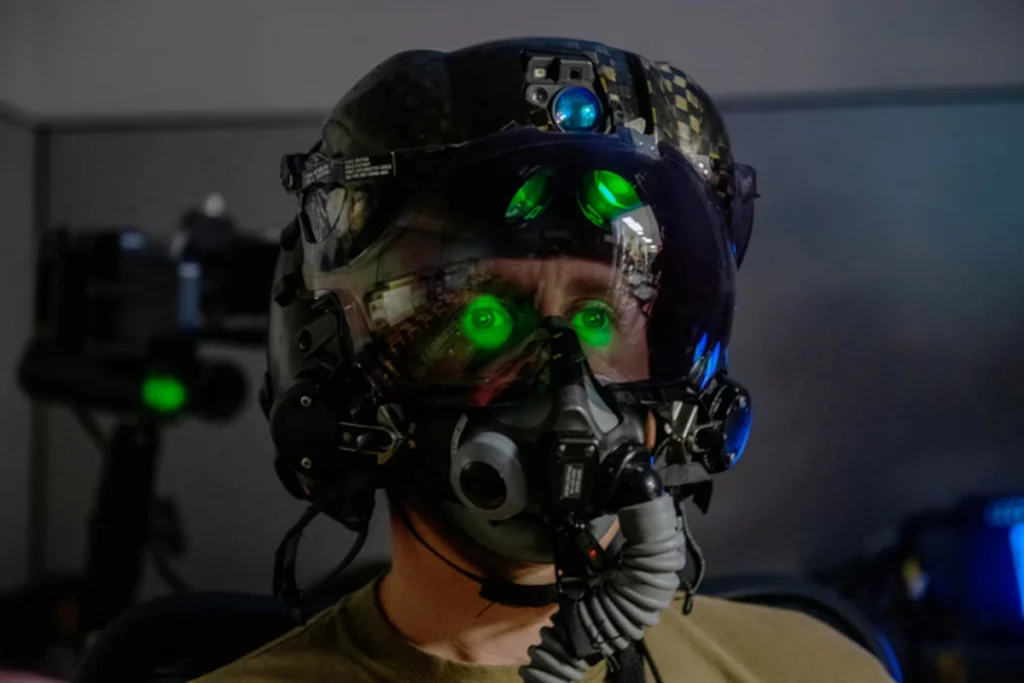
Yes, The Pilot Can Literally See Through The Jet
This is where it stops sounding like aviation and starts sounding like science fiction. The F-35 helmet allows the pilot to see through the aircraft. Six infrared cameras mounted around the jet create a complete live feed called the Distributed Aperture System. That feed is projected into the visor, so when the pilot looks down, they can see the ground beneath the aircraft as though the floor has vanished.
Look left, see the sky. Look right, see incoming threats. Look down, see the runway. Imagine reversing your car while being able to see through the boot, rear seats, and engine bay. Now imagine doing that at combat speed while someone is trying to ruin your day with surface-to-air missiles. That is why this matters. This 360-degree awareness allows pilots to track enemy aircraft, detect missile launches, and respond instantly without turning the aircraft. Which is rather useful if you enjoy staying alive.
Also Read: Brabus Launches New Bodo Hypercar With Extreme Performance and Luxury Features
Why The F-35 Helmet Costs $400,000
People hear the price and assume someone at Lockheed Martin has developed a dangerous relationship with gold plating. But the cost comes from precision. This helmet must combine advanced optics, sensor fusion, targeting systems, night vision, custom fitting, durability, and real-time battlefield processing while remaining light enough for a human neck to survive high G-force manoeuvres.
It has to function at altitude, in extreme heat and cold, under combat stress, and during situations where failure tends to involve fire. You cannot simply switch it off and back on again. Every single part must work, every single time. That costs money. A lot of it.