Mookuthi Amman 2: How Nayanthara Put The Nose Ring Back In The Spotlight
Nayanthara's return as the goddess in Mookuthi Amman 2 brings traditional nose jewellery into focus. From the South Indian mookuthi to Maharashtra's nath, explore the cultural significance, regional variations and enduring appeal of nose rings in Indian jewellery traditions
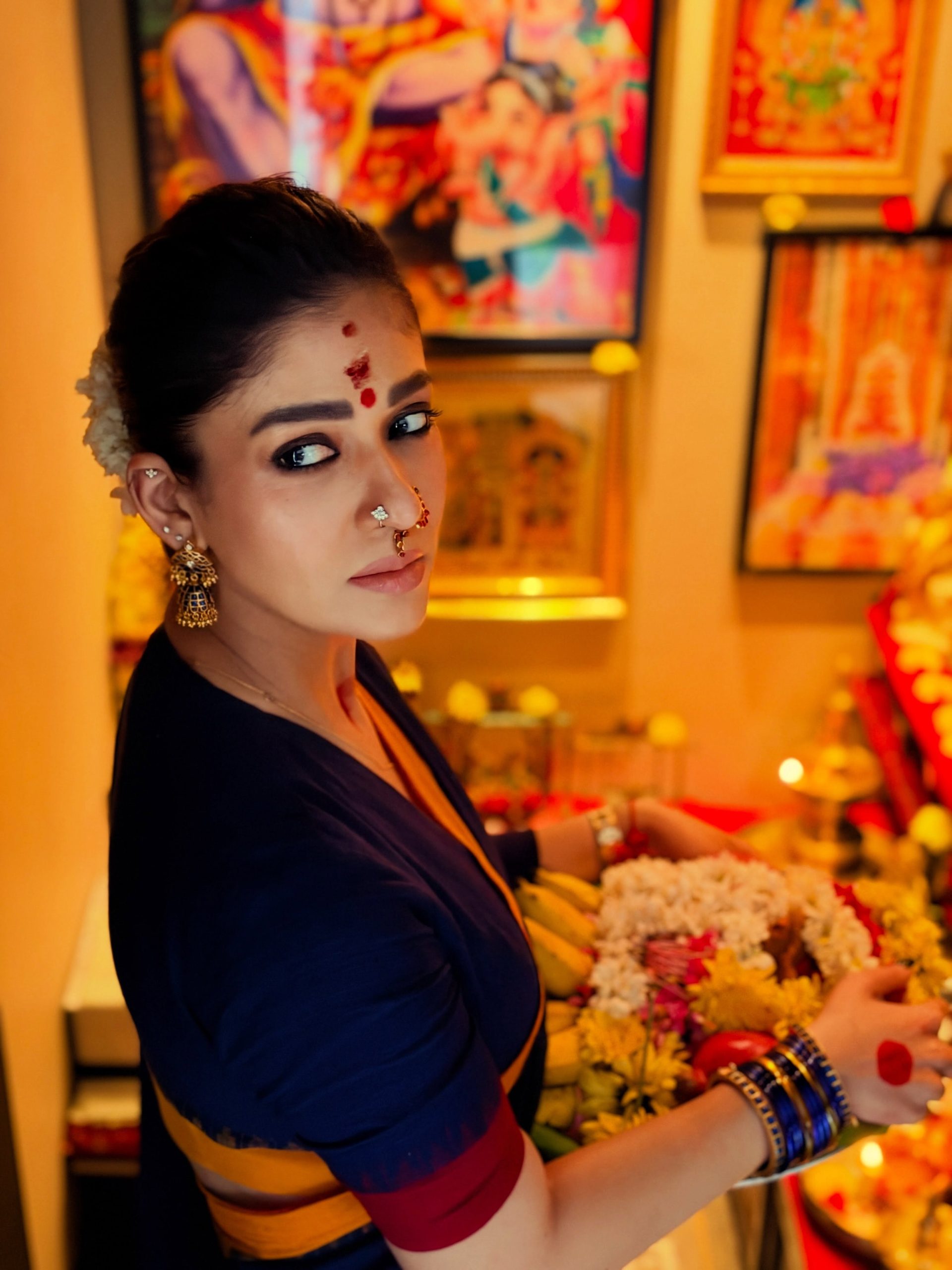
Nayanthara’s return as the titular goddess in ‘Mookuthi Amman 2’ has brought traditional Indian jewellery into focus, particularly the nose ring. Ahead of the film’s November 6 release, the actor’s temple visit in Chennai offered another glimpse of the jewellery detail closely associated with her on-screen appearance. Wearing two nose pins and a septum ring, she revisited a traditional adornment that carries cultural significance while making a compelling statement in contemporary styling.
Nose jewellery has long occupied a distinctive place in Indian adornment, with designs and wearing traditions varying across communities and regions. While some styles are associated with weddings and religious occasions, others are worn as everyday accessories. The mookuthi, in particular, has deep roots in South Indian jewellery traditions, making Nayanthara’s latest appearance an interesting point of reference for exploring this enduring ornament.
Nayanthara’s Signature Nose Jewellery
The actor’s appearance at Chennai’s Kalikambal Temple on November 3 drew attention for its resemblance to her character in ‘Mookuthi Amman 2’. She wore a dark blue saree with a contrasting red and orange border, accessorised with traditional nose ornaments, large jhumkas and jasmine flowers woven into a bun. The combination brought together familiar elements of South Indian festive and devotional dressing, with the nose jewellery taking centre stage.
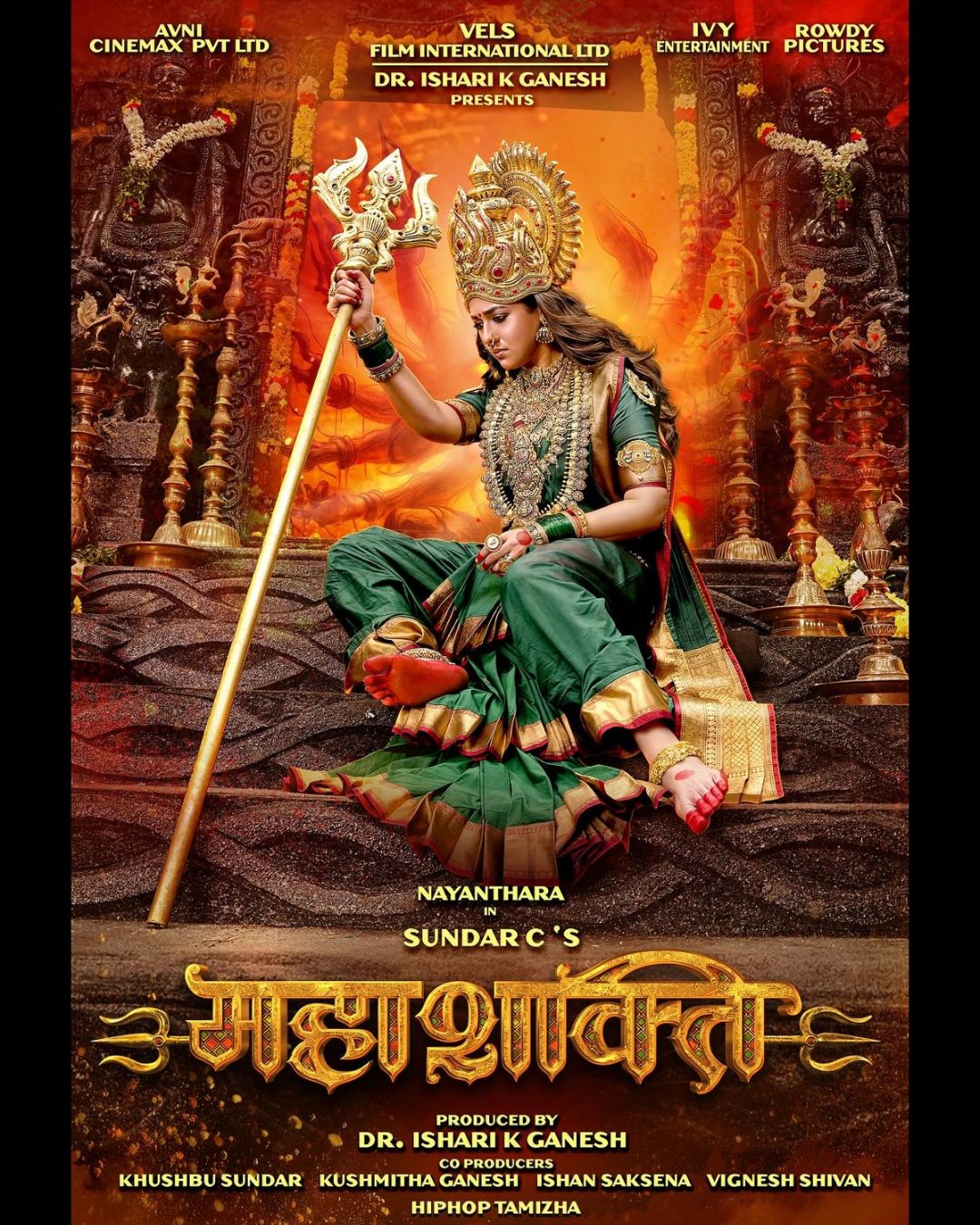
The detail is particularly relevant to the film’s visual identity. In the first-look poster unveiled in October 2025, Nayanthara appeared as the goddess in a green silk saree, elaborate gold and diamond jewellery and a commanding divine avatar. Her jewellery complemented the character’s traditional aesthetic, making the nose ornament an integral part of the overall styling rather than an incidental accessory.
Cultural Language of Traditional Nose Rings
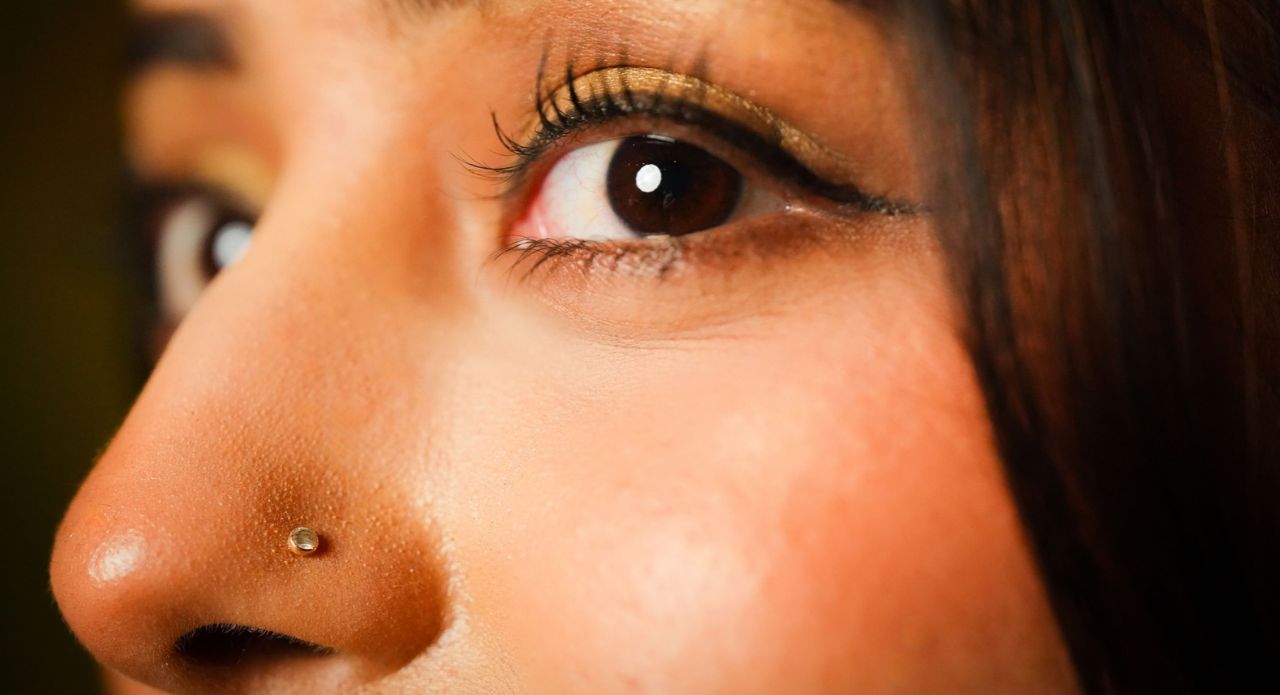
The word ‘mookuthi’ refers to a traditional South Indian nose ornament, often worn as a small stud on either nostril. Its designs range from understated gold pieces to diamond and gemstone-studded creations. Tamil Nadu’s jewellery vocabulary also includes variations such as the ‘besari’, ‘muthu’ and ‘hamsa besari’, with the latter taking inspiration from the shape of a swan. A ‘bullaakku’, meanwhile, is worn suspended from the central part of the nose.
Also Read: Mookuthi Amman 2 Star Nayanthara’s Watch Collection: A Look At Her Luxury Timepieces
Across India, nose jewellery takes several regional forms. Maharashtra is known for its distinctive pearl and gemstone-encrusted ‘nath’, while Rajasthan and Gujarat have their own interpretations of the traditional nose ring. In South India, the mookuthi has traditionally been worn as an everyday ornament, making it as much a part of personal style as ceremonial dressing. These variations reflect how a relatively small piece of jewellery can communicate regional identity, craftsmanship and cultural memory.
Traditional Detail Finds New Expression
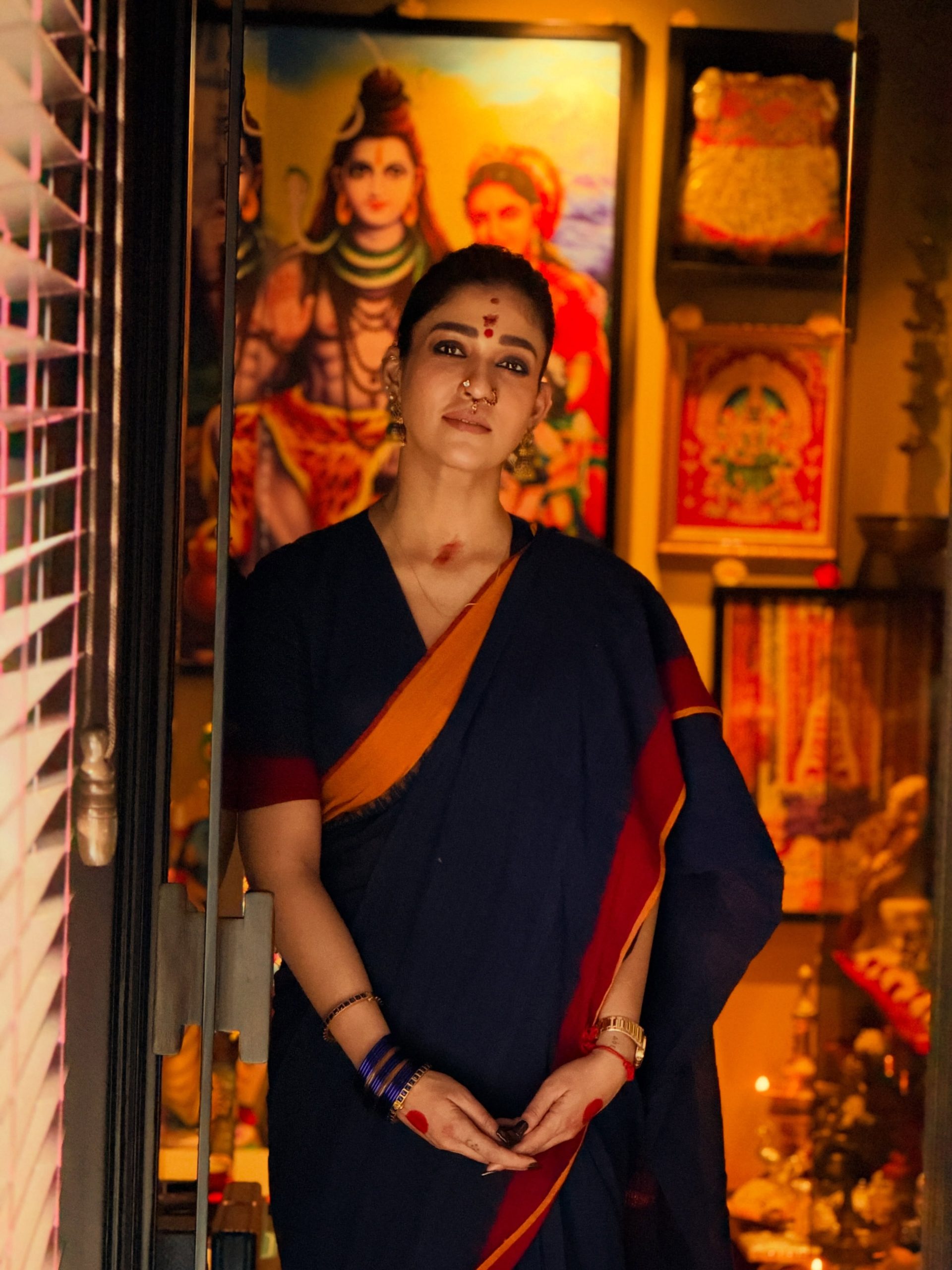
Nayanthara’s styling also brings attention to the versatility of nose jewellery. While elaborate naths are often associated with bridal dressing and festive occasions, smaller nose pins can be incorporated into everyday wardrobes. Contemporary interpretations experiment with diamonds, coloured gemstones, sculptural shapes and different piercing placements, allowing traditional designs to work alongside modern silhouettes.
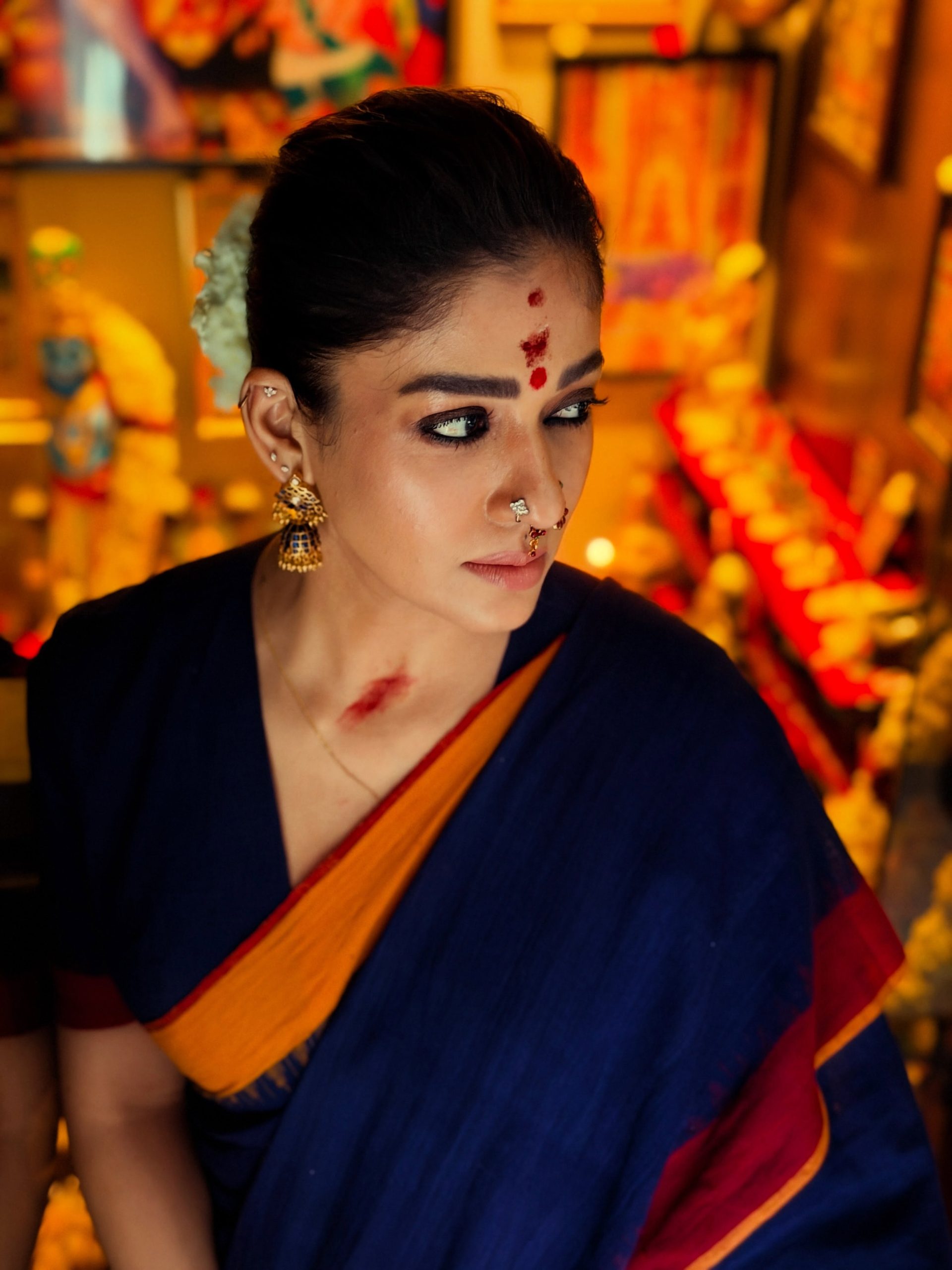
The actor’s two nose pins and septum ring offer a particularly striking combination. Paired with a saree, traditional earrings and jasmine flowers, the ornaments create a cohesive look rooted in South Indian aesthetics. The styling also demonstrates how nose jewellery can become a defining feature without requiring an elaborate collection of accessories.
Also Read: Nayanthara Makes a Case for Understated Glamour With Her Onam Look
The film’s original 2020 instalment also established a recognisable visual language for the goddess. Costume designer Anu Vardhan has previously spoken about drawing inspiration from vintage images of Amman and Raja Ravi Varma’s paintings. The jewellery was reportedly crafted in silver by traditional goldsmiths to achieve an aged gold-like appearance, while the costumes incorporated specially woven silk-cotton sarees. This attention to detail helped give the character an aesthetic rooted in traditional imagery while remaining accessible to contemporary audiences.
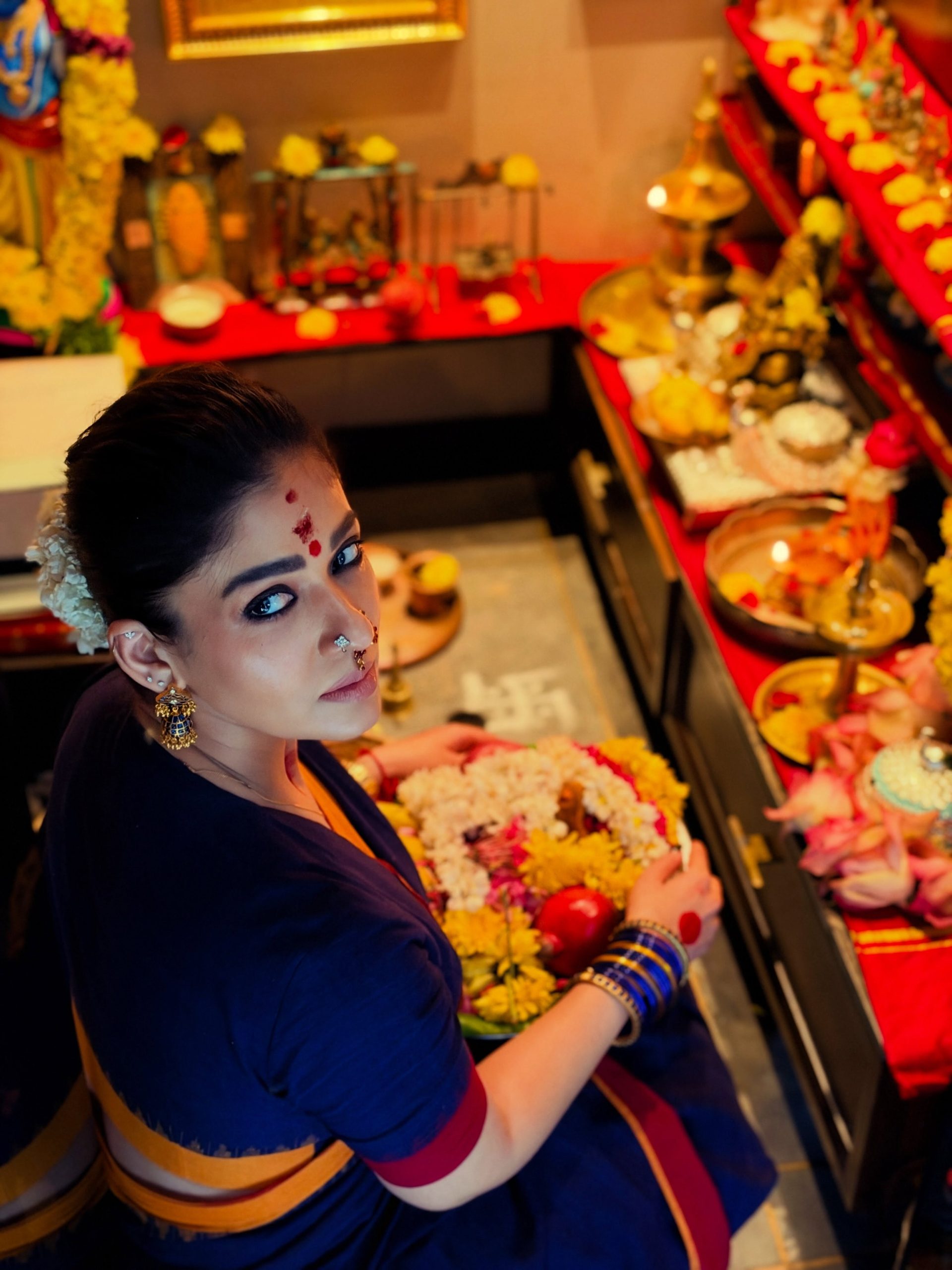
Nayanthara’s portrayal of the goddess in Mookuthi Amman 2 is another reminder of how traditional jewellery can remain relevant across generations. The nose ring, whether styled as a delicate diamond stud, a classic gold mookuthi or an elaborate nath, continues to hold its place in Indian wardrobes, balancing cultural significance with personal expression.