Matte Dials In Watchmaking: Achieving The Perfect Non-Reflective Finish
A quiet surface that does far more than tone things down, matte dials trade shine for clarity, depth, and modern restraint
In a world obsessed with shine polish and mirror like perfection the matte dial is the quiet rebel. It does not catch the light. It absorbs it. It does not sparkle for attention or shout its presence across a room. Instead it rewards closer inspection with clarity calm and confidence. Matte dials have become one of modern watchmaking’s most deliberate design choices not because they are easy but because they are difficult to execute well. When done right they elevate legibility refine proportions and give a watch an unmistakable sense of purpose. When done poorly they look flat lifeless and unfinished. The difference lies entirely in how the surface is created.
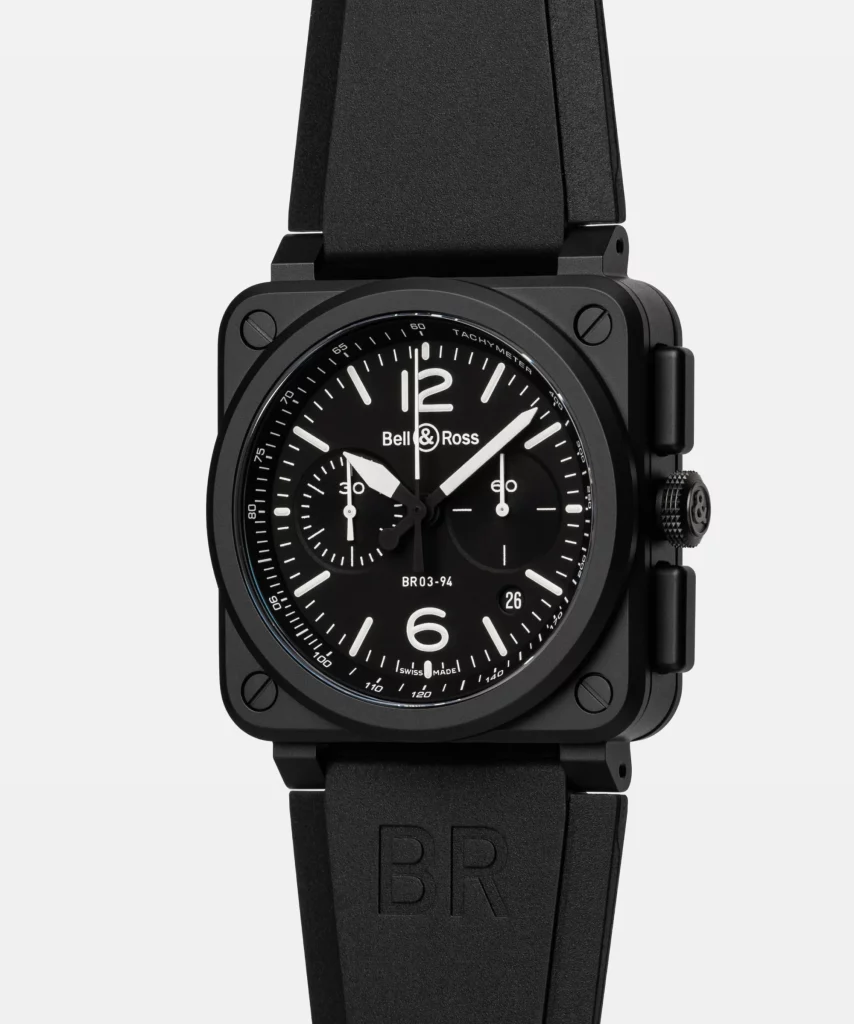
At its core a matte dial is defined by its ability to diffuse light rather than reflect it. Unlike glossy lacquered or sunburst dials which rely on reflection and play of light matte surfaces scatter light evenly. This reduces glare dramatically making time easier to read in bright conditions. It is one of the reasons matte dials were historically favored in military aviation and professional tool watches where function mattered more than visual drama.
Also Read: Guilloché Pattern Explained: A Guide to Luxury Watch Dials And Brands
A Quiet Rebel On The Dial
Matte dials are the cool headed ones in a room full of attention seekers. While glossy lacquer and sunburst finishes fight for reflections and drama matte dials do the opposite. They absorb light stay calm and let the watch speak without shouting. That restraint is exactly why they have become such a strong design choice in modern watchmaking. A good matte dial feels confident readable and purposeful. A bad one feels flat and unfinished. The difference is all in the execution.
Why Watchmakers Love Matte Finishes
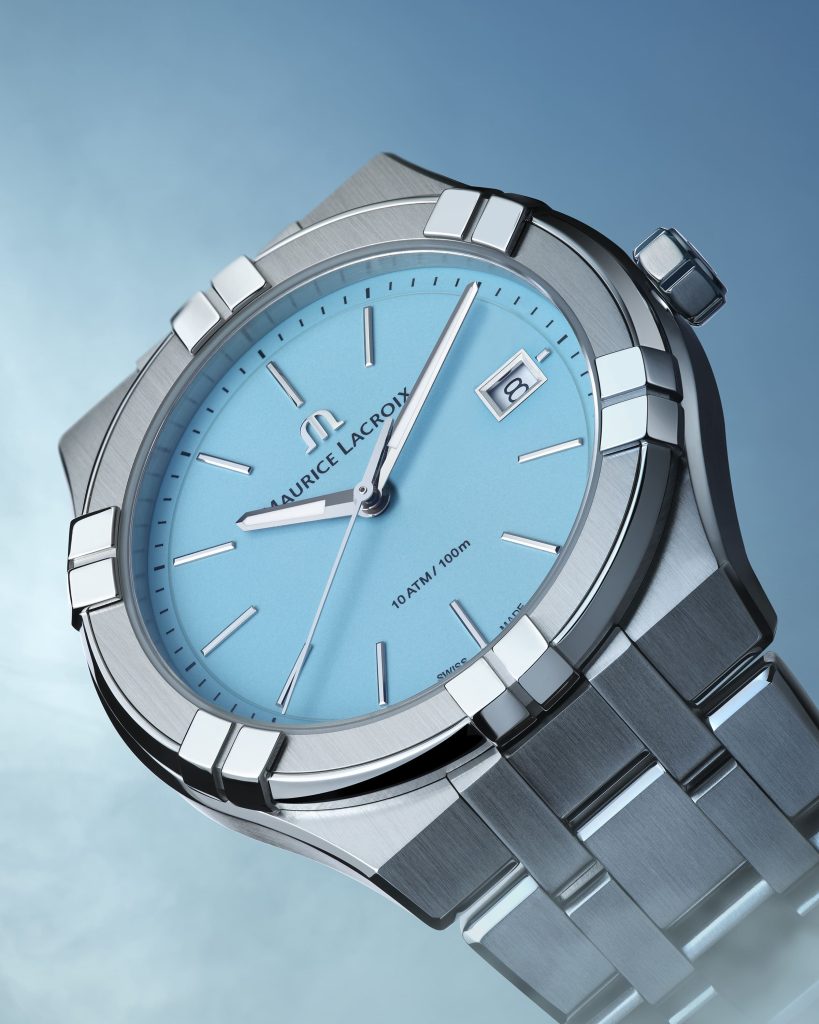
The biggest advantage of a matte dial is legibility. By scattering light instead of reflecting it matte surfaces dramatically reduce glare. This is why early military pilot and tool watches relied heavily on matte black or dark grey dials. When you are reading the time under harsh sunlight or low cockpit lighting reflections are the enemy.
Matte dials also make colors feel more honest. Black looks truly black. White feels softer and warmer. Muted tones like olive sand or slate gain character instead of looking washed out. Without reflections playing tricks on your eyes the dial looks the same from every angle which gives the watch a calm balanced presence on the wrist.
How Matte Dials Are Actually Made
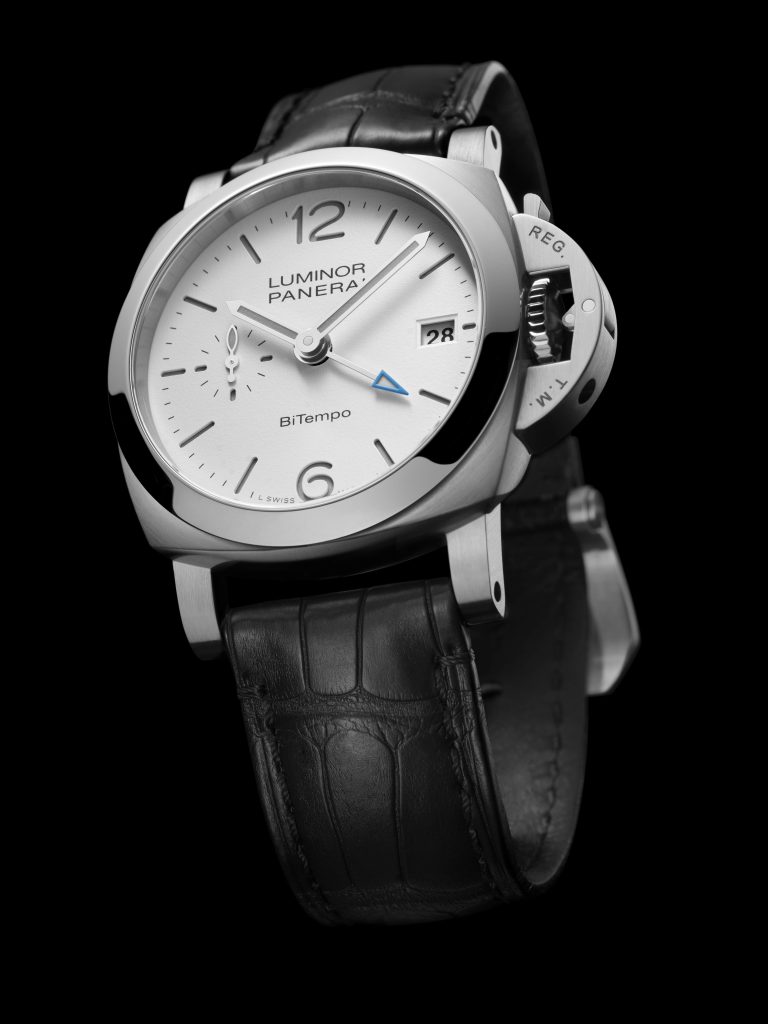
One of the most common techniques is bead blasting. Tiny beads are fired at the dial surface under controlled pressure to create a uniform texture. This method is popular in sports and tool watches because it delivers a tough consistent matte finish. Precision is key because uneven blasting creates patchy surfaces. Sandblasting works on a similar principle but uses finer abrasive particles. The result is a softer almost velvety texture often seen in higher end watches. It looks effortless but requires extremely steady control to avoid damaging fine details.
Chemical treatment is another approach. Here acids or chemical baths subtly alter the surface of the metal. This method allows for very fine matte textures and is often used on brass or silver dials. Timing is everything because even a few seconds too long can change the color or depth of the finish. Matte lacquer dials take a different route. Instead of relying on texture alone watchmakers apply multiple layers of specially formulated matte lacquer. Each layer must dry perfectly to avoid streaks or cloudiness. This technique allows for richer colors while maintaining a non reflective surface and is commonly used in luxury watches.
Mixing Techniques For Depth
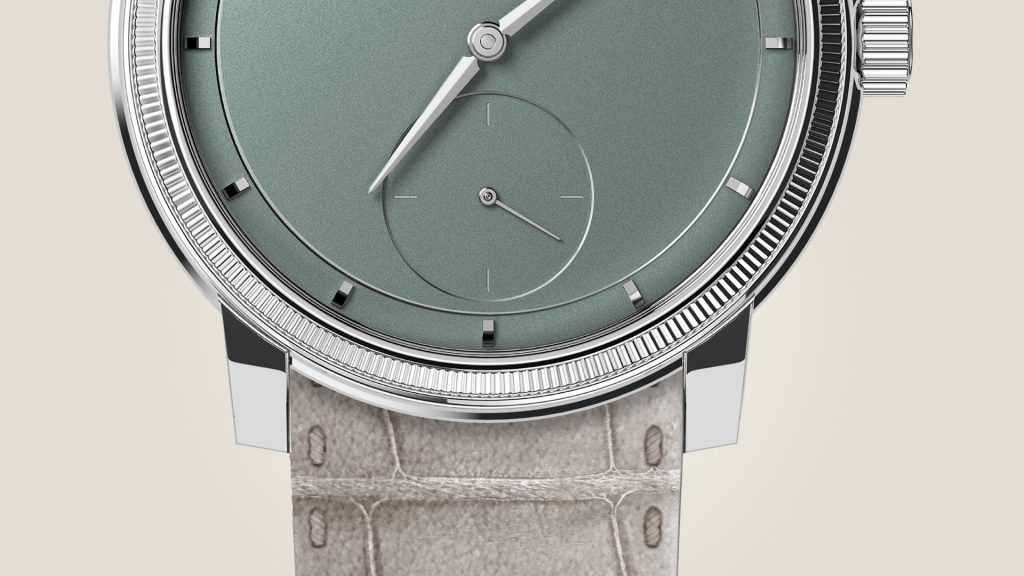
Some of the best matte dials are created by combining methods. A dial might be bead blasted and then coated with matte lacquer or chemically treated and sealed with a protective layer. These combinations add visual depth and improve durability without introducing shine. When done well the dial feels alive even without reflections.
Why Matte Dials Feel So Modern
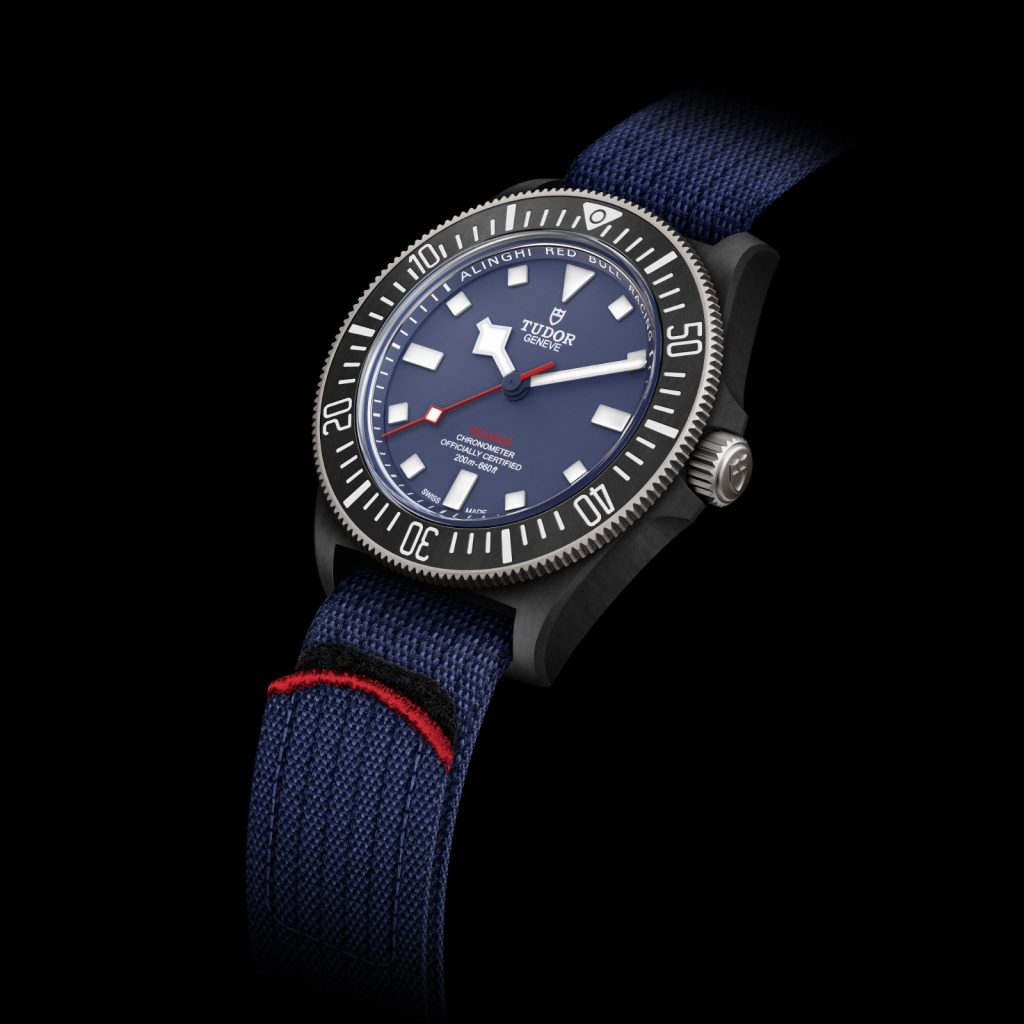
Matte dials pair beautifully with contemporary watch design. As cases have become more architectural with brushed finishes ceramic materials and sharp lines a glossy dial can feel out of place. Matte finishes reinforce a clean modern aesthetic and make the entire watch feel intentional rather than decorative. They also age better. Fingerprints scratches and dust are far less noticeable on matte surfaces. That makes them ideal for everyday watches that are meant to be worn not babied.
The Appeal That Never Fades
Matte dials are not about trends. They are about clarity purpose and restraint. They do not need to catch the light to prove their worth. They simply tell time cleanly and confidently. In a watch world that often chases shine size and spectacle the matte dial is a reminder that good design does not have to shout. Sometimes the most powerful statement is the one that stays quietly in control.