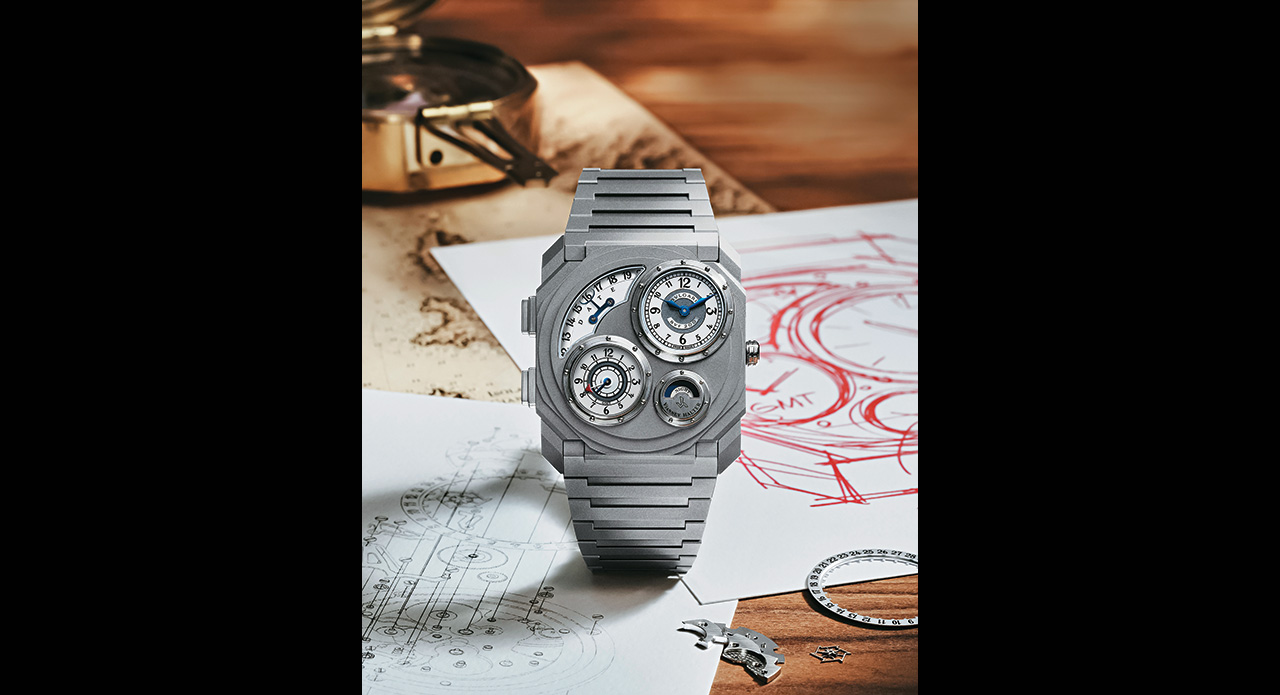
Guilloche is one of those watchmaking details that does not shout for attention yet instantly rewards anyone who actually looks closely. At first glance it appears as a beautifully textured dial surface but spend a few seconds with it and the magic reveals itself. Light dances. Patterns ripple. The dial seems alive. In a world flooded with stamped textures and printed shortcuts guilloche remains stubbornly human. It is slow demanding and unforgiving. And that is exactly why the finest watchmakers still swear by it. Guilloche is not decoration for decoration’s sake. It is proof that patience precision and restraint still matter.
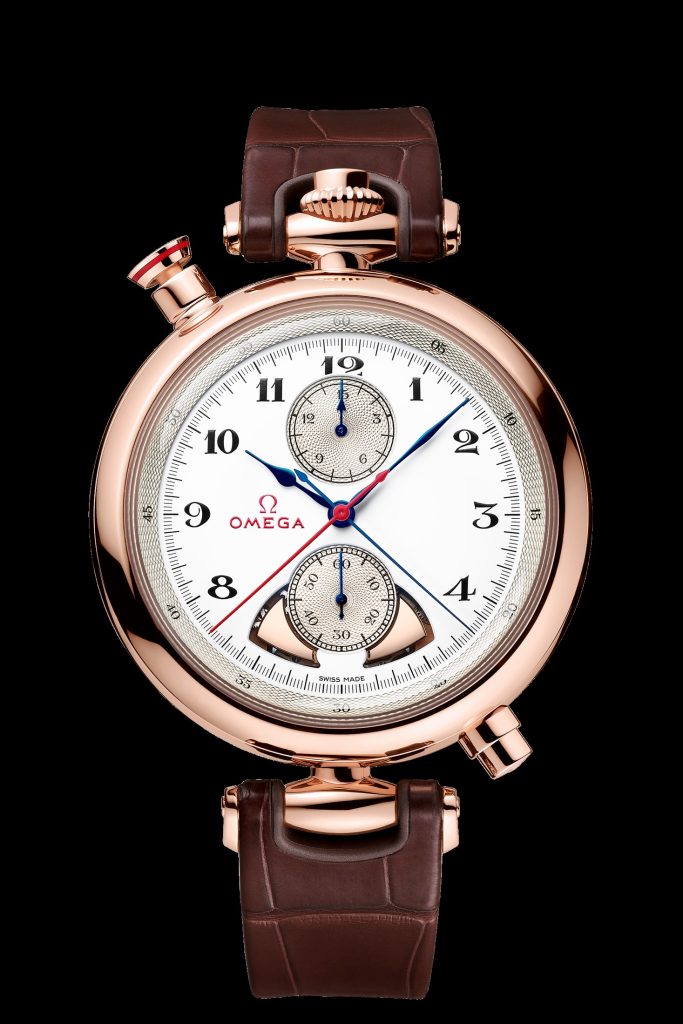
Guilloche refers to an intricate decorative pattern engraved directly into metal usually the dial of a watch. These repeating geometric motifs are created using a mechanical engraving machine known as a rose engine or straight line engine. Unlike modern computer numerical controlled (CNC) engraving true guilloche is done entirely by hand with the craftsman guiding the cutting tool while the machine controls the rhythm of the pattern. The result is a surface that reflects light differently from every angle. No ink. No printing. Just metal shaped by pressure and precision. Each line is physically cut into the dial meaning every guilloche dial is slightly different even when the pattern is the same.

Also Read: Top 5 Most Expensive Watches In The World For 2025
Brief History Of Guilloche
Guilloche did not begin in watchmaking. It originated in the seventeenth and eighteenth centuries as a decorative technique for architecture jewelry and fine objects. When pocket watches rose to prominence guilloche found its perfect canvas. Watchmakers realized that engraved patterns reduced glare improved legibility and added refinement without excess ornamentation.
As wristwatches replaced pocket watches the technique survived but only in the hands of brands committed to traditional craft. Guilloche became rarer slower and more expensive to produce. That rarity is exactly what elevated it from decoration to signature.
How Guilloche Is Made
True guilloche is created by cutting patterns into a metal blank mounted on an engraving engine. The artisan controls the pressure depth and alignment while the machine governs repetition. One slip of the hand ruins the dial. There is no undo. No correction. No second attempt.
After engraving the dial may be treated with silvering lacquer or enamel to enhance contrast while preserving the depth of the pattern. This process can take several days for a single dial and requires years of training to master. That is why genuine guilloche workshops are disappearing and why authentic examples are so highly prized.
Guilloche Versus Stamped Patterns
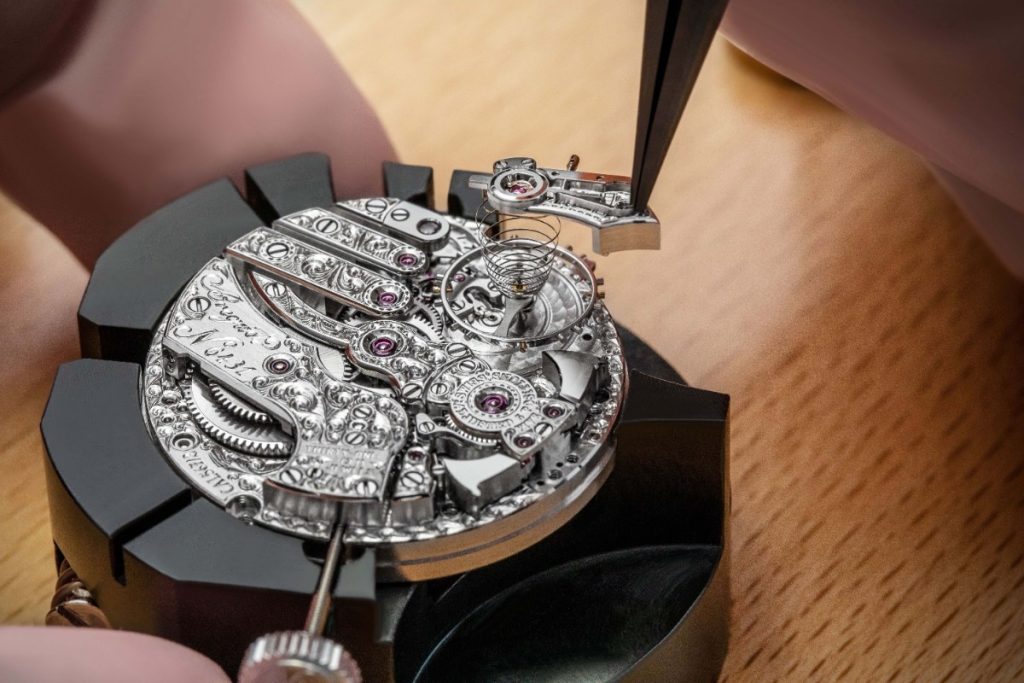
Not all textured dials are guilloche. Many modern watches use stamped or laser engraved patterns that mimic the look but lack the depth and irregularity of hand cutting. These methods are efficient consistent and affordable but they do not interact with light the same way.
True guilloche has imperfections that give it soul. Tiny variations in line depth and spacing create warmth and movement that machines cannot replicate. Once you see the difference it is impossible to unsee.