The Legacy Of Innovation: Ulysse Nardin’s Impact On Horology
From guiding ships across oceans to revolutionising the modern mechanical wristwatch, Ulysse Nardin has built its legacy through fearless experimentation, technical ingenuity and a relentless pursuit of precision
Some watchmakers preserve tradition. Others rewrite it. Since its founding in 1846, Ulysse Nardin has belonged firmly to the latter. While much of Swiss watchmaking has been built upon perfecting centuries old ideas, the Le Locle manufacture has repeatedly questioned the very foundations of mechanical timekeeping, introducing technologies that many initially considered too radical to succeed. Its story began with marine chronometers that guided naval fleets across oceans with extraordinary precision before evolving into a relentless pursuit of innovation that continues to influence contemporary horology. Whether pioneering silicon technology, reinventing the escapement or creating one of the most unconventional watches ever produced, Ulysse Nardin has consistently demonstrated that true innovation requires both technical courage and creative imagination. Many of its inventions have gone on to influence the wider industry, proving that progress in watchmaking often begins with manufacturers willing to challenge convention. Outlook Luxe revisits four groundbreaking innovations that have cemented Ulysse Nardin’s reputation as one of horology’s most fearless pioneers.
Marine chronometers
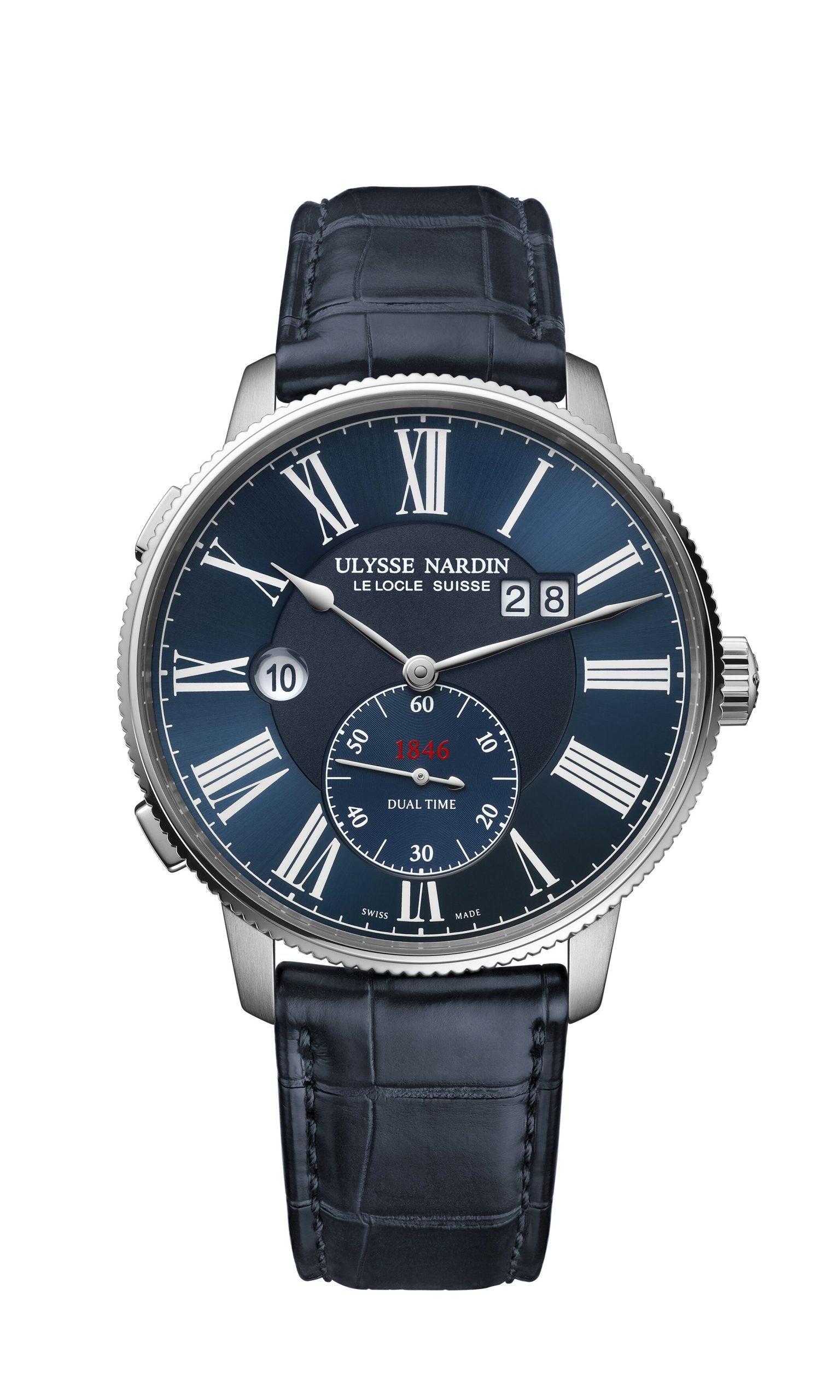
Long before wristwatches became everyday companions, Ulysse Nardin earned international acclaim through its marine chronometers, instruments that served as essential navigation tools aboard naval vessels and merchant ships. During the nineteenth and twentieth centuries, more than 50 navies and countless commercial fleets relied on Ulysse Nardin chronometers to determine longitude accurately at sea. Their exceptional precision earned the manufacture thousands of observatory certificates and international awards, establishing the brand as one of history’s foremost specialists in precision timekeeping. These marine instruments laid the technical foundation upon which every future Ulysse Nardin innovation would be built.
Also Read: How Glashütte Original Changed The World Of Watchmaking
The Freak
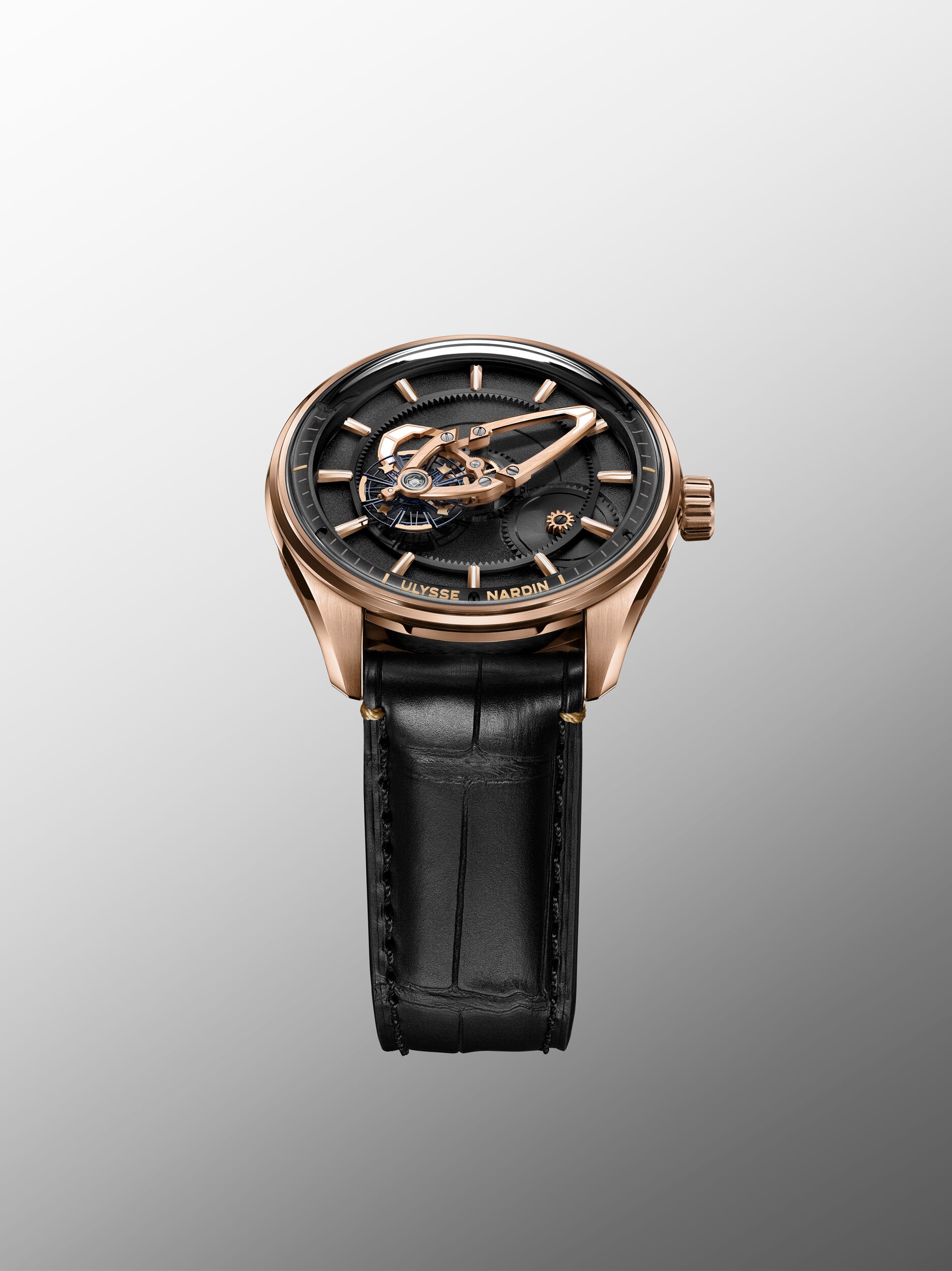
When the Freak debuted in 2001, it challenged virtually every convention in Swiss watchmaking. There was no conventional dial, no traditional hands and no crown. Instead, the entire movement rotated to indicate the time, while the watch introduced one of the industry’s earliest large scale applications of silicon components within a mechanical movement. The Freak demonstrated that avant garde engineering and haute horlogerie could coexist, inspiring an entirely new generation of experimental watchmaking while establishing Ulysse Nardin as one of the industry’s boldest innovators.
The Dual Direct Escapement
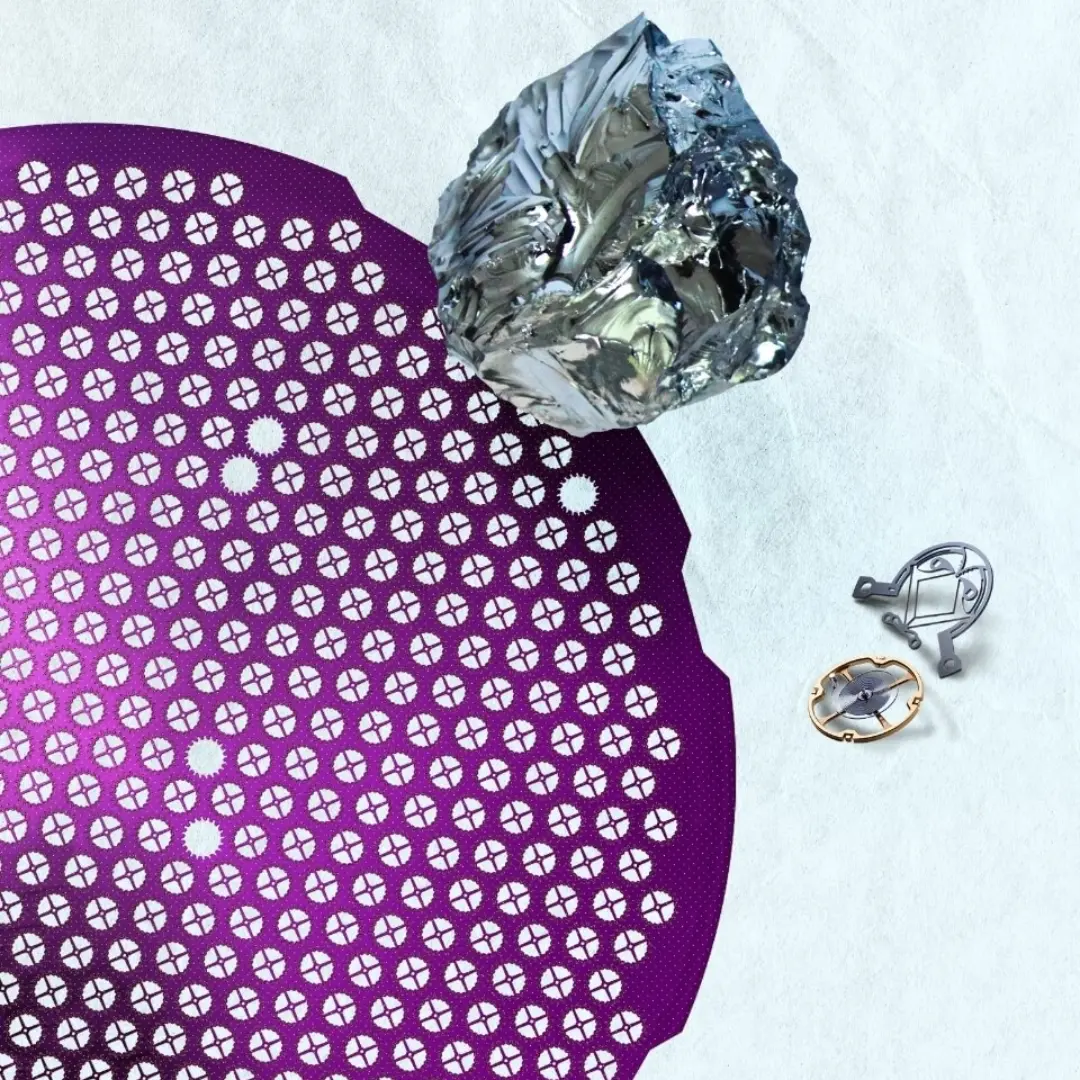
Building upon its pioneering work with silicon, Ulysse Nardin introduced the Dual Direct Escapement, developed in collaboration with legendary watchmaker Dr Ludwig Oechslin. Unlike conventional Swiss lever escapements, the system employs two silicon escape wheels that deliver energy directly to the balance with significantly reduced sliding friction. By minimising energy loss, the mechanism improves efficiency, stability and long term performance while requiring little or no lubrication. The invention represented another significant step towards rethinking one of mechanical watchmaking’s most fundamental components.
Also Read: Luxury Crownless Watches: Top Picks For Every Collector
The Grinder automatic winding system
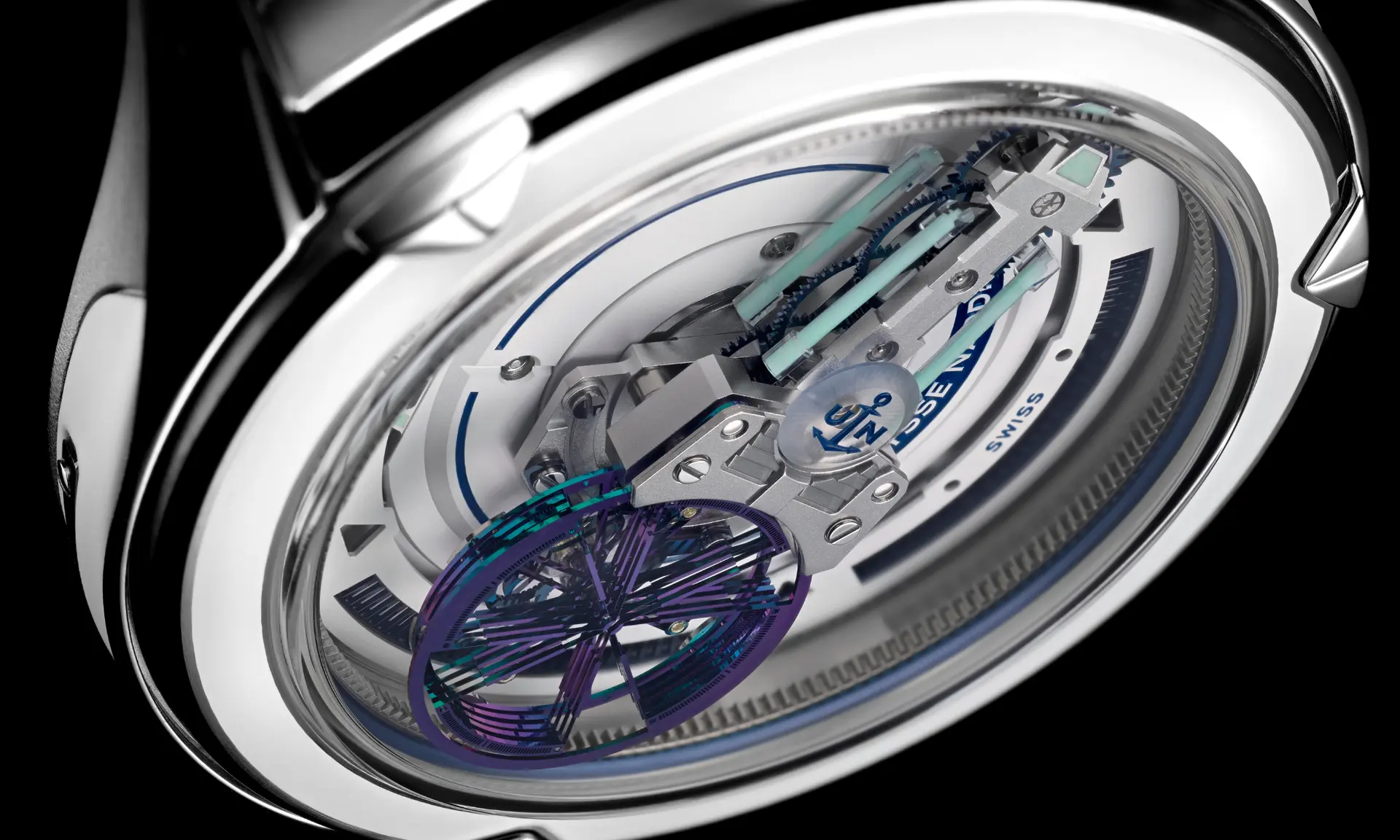
Introduced in 2017, the Grinder Automatic Winding System completely reimagined how an automatic movement harvests energy from wrist motion. Replacing traditional reverser wheels with an innovative blade based transmission mechanism, the Grinder captures even the smallest wrist movements with remarkable efficiency. Ulysse Nardin claimed the system delivers up to twice the winding efficiency of conventional automatic mechanisms, allowing the movement to generate power more rapidly during everyday wear. The technology once again demonstrated the manufacture’s determination to improve even the most established mechanical systems through entirely new engineering solutions.
A manufacture that continues to challenge convention
Throughout its nearly 180 year history, Ulysse Nardin has consistently balanced respect for traditional craftsmanship with an unwavering commitment to technical progress. Rather than simply refining existing mechanisms, the manufacture has repeatedly introduced entirely new ways of thinking about mechanical watchmaking, influencing everything from escapement technology to modern materials and automatic winding systems. Its legacy is measured not only by the watches it has produced but by the ideas it has contributed to the wider world of horology. In an industry built upon centuries of tradition, Ulysse Nardin continues to prove that innovation remains the greatest complication of all.